
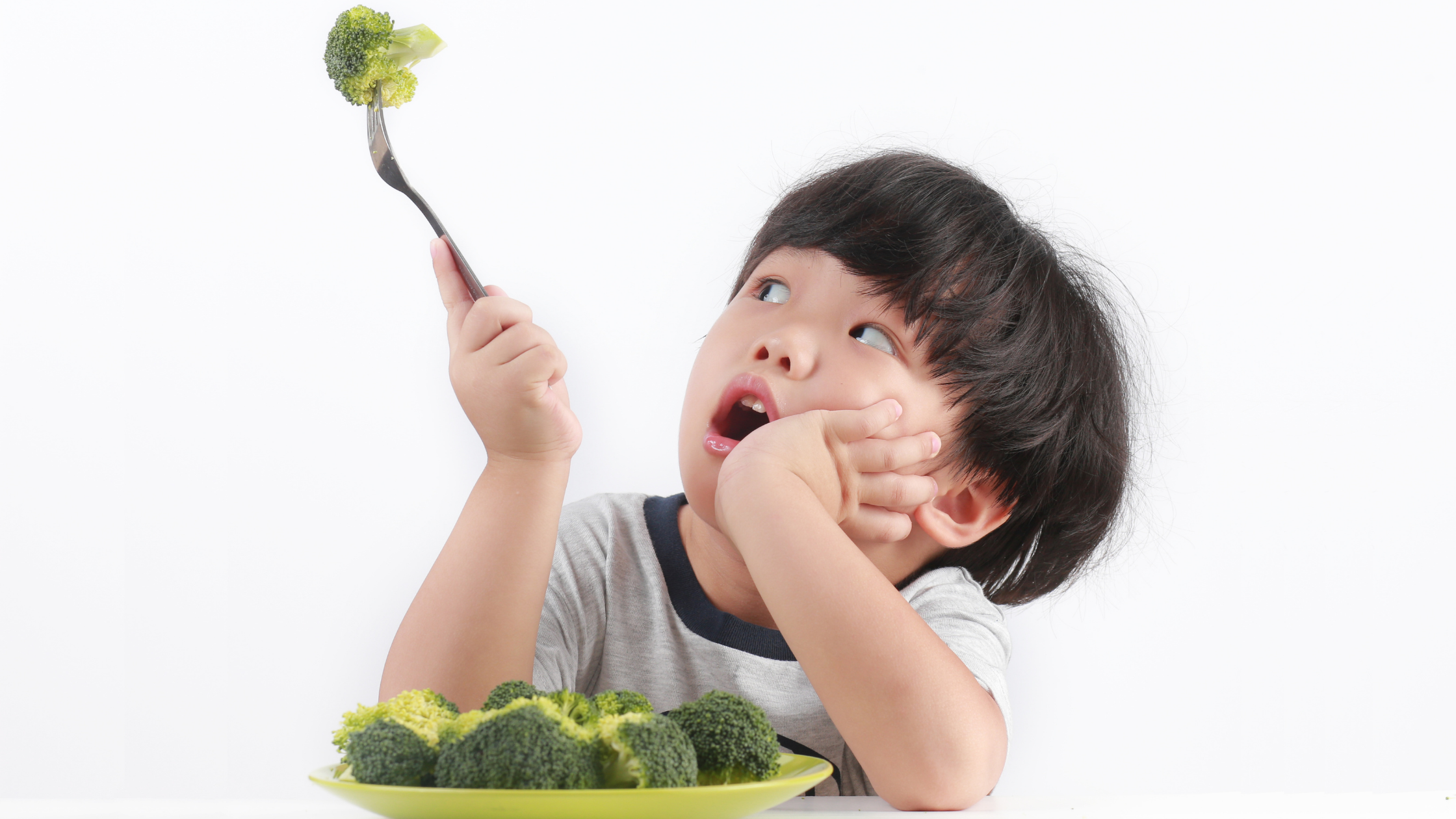
How to encourage your kids to eat a variety of vegetables in their diet
*This post is sponsored by the Sea & Eat Project, which is funded by EIT food, to encourage children to eat a greater variety of vegetables in their diet. For more information on the Sea & Eat Project, please do read on!*
My three children have unanimously preferred fruit over vegetables, probably because it was easier for me to incorporate fruits into their diet as early as the weaning stage when we generally started with fruits like banana and apple. My youngest baby started eating at 4 1/2 months and wolfed down a banana as her very first food. However, at 14 months old, I’ve only just managed to get her to try spinach and broccoli.
Why? Because children are hard-wired to enjoy sweet foods, and parents just want our kids to eat. So we encourage them to try the sweeter foods to whet their appetite, hoping they will naturally transition to vegetables later.
But a move to vegetables may not always happen because some kids may end up avoiding vegetables altogether and it can then become a long, hard slog to open their palettes to new types of foods.
The truth is, all children are different and whereas my boys eat everything now anyway, including veg, my daughter is a lot fussier and has to try certain vegetables a dozen times before she trusts me and eats them. She’s the only one of the three kids who eat avocado and olives though!
What are the advantages of eating vegetables in a child’s diet?
Vegetables are high in vitamins, minerals and fibre so eating a rainbow of vegetables provide the easiest route to a rich diet full of antioxidants which promote good health, protect against disease and keeps your child healthy and strong. There is strong evidence to show that the nutrients found in fruits and vegetables can prevent chronic diseases such as cardiovascular diseases. Vegetables are high in fibre and protein too so they help your child’s digestive system to work properly and prevent constipation, as well as reduce blood pressure.
How many servings of vegetables do we need each day?
The NHS say that 5-a-day of fruit and veg is a good start, but 10 is better to cut your risk of early death. A study found that people who regularly ate 800g of fruit and veg a day – 10 portions – had a significantly lower risk of chronic diseases such as heart disease. The good news is almost all fruit and vegetables count towards your 5-a-day, so it’s easier than you think for you and your child to get the recommended daily amount of veg into your diet.
So, why should we eat a variety of vegetables?
It is very important to have a variety of vegetables in yours and your child’s diet, which is referred to as the rainbow diet as they contain a myriad of vitamins and minerals to boost and maintain your immune system.

Why are some children more averse to vegetables than fruits?
Vegetables can be particularly hard to introduce into a child’s diet because not all vegetables are sweet – some taste quite bland actually – and they come in intimidating shapes and sizes.
Other reasons may be that some parents may not be educated on the variety of vegetables out there or give up trying to offer vegetables if the child continues to refuse them. A lot of the times vegetables tend to be these unknown foods of which both children and parents aren’t even aware exist in the world.
Knowledge is power, therefore we need to educate ourselves and our kids that vegetables are not only fundamental in a diet, but they can be super tasty too.
So, how do we do that?
We teach our kids how to know and love their vegetables!
How to make eating vegetables fun using the See & Eat project
The See & Eat project, which is funded by the European Institute of Innovation and Technology (EIT) Food, led by Professor Carmel Houston-Price at the University of Reading, and supported by partners including the British Nutrition Foundation (BNF), seeks to familiarise children with vegetables before trying them.
Following a successful initial launch date in 2019, research showed that visual familiarity in the form of picture books is an effective way to change a child’s liking and willingness to try new vegetables.
So the new See & Eat website launched to enable more families across Europe to access 24+ vegetable picture eBooks (available in English, Italian, Polish, Dutch and French) and to encourage pre-school children to try new vegetables. These eBooks are accessible via a smartphone or tablet and are interactive, so they can be viewed and edited (via audio, videos and pictures) using the Apple/Android app ‘Our Story 2’.

Parents have found that it’s easier to get children to eat their veg after looking at the See & Eat books. If you’re interested in learning more about the research behind See & Eat, you can visit the University of Reading’s Kid’s Food Choices page here.
Your child can also enjoy books about brussels sprouts, the root vegetable sweet potatoes and broad beans, to name a few, as well as the very important leafy vegetables like the leafy green spinach.

See & Eat also created evidence-based activities and resources section on their website here where families can browse and download fun free activities to do together to encourage both parents and kids to get familiar with vegetables and healthy eating.
What else can you do to help encourage your child to eat vegetables?
You could play games with your children while they eat their veggies like ‘What are some vegetables that start with the letter C?’ or ask them to name as many orange veggies as they can and see how many they can come up with.
Then you can talk to them about the benefits of eating orange vegetables, I.e. because they are high in beta-carotene and vitamin A which regulates our immune system and maintains good vision. It’s also a great way to teach kids that there is a variety of vegetables out there of which they may not have ever heard before!
You can even confide in them about certain lunch ideas and see what they come up with. Get creative!
How many types of vegetables are there?
We can’t quantify exactly how many different types of vegetables there are in the world because it is estimated there are over 20,000 different types! But what is a good variety of vegetables to include in the diet? The amount of vegetables we eat is negligible to what is actually out there, so ensuring we eat a rainbow of vegetables is enough to ensure our children have a healthy attitude towards eating their recommended daily allowance of veg which will set them up for a lifetime of good health later.
Some of the different types of vegetables you can eat as part of a healthy diet, to name just a few, are:
- Green vegetables
- Dark vegetables
- Salad vegetable types
- Root vegetables
- Red and orange vegetables
Of course, there are other types of vegetables available, but start with the above and move on to more exotic vegetables once your child becomes more adventurous.
Which vegetables are the least nutritious?
Vegetables that are fairly light in colour tend to have the least nutritional content, but they do contain vitamins that we lack in our diet. Iceberg lettuce has almost no nutritional value in it. Celery is a similar colour to the Iceberg Lettuce but is very high in fibre plus it helps you burn more calories, so it’s important to encourage your child to eat all types of vegetables.
What fruits and vegetables have edible stems?
Below is a just a few examples of vegetables where the stems are perfectly edible:
- Asparagus
- Celery
- Rhubarb
- Broccoli
- Cauliflower
- Bamboo shoots
- Brussels sprouts
- Kohlrabi
- Lettuce
- Garlic leeks
- Green onions
List of vegetables – A-Z
Your child will not know all the vegetables names in this list, but it’s a great way to see the different vegetables on the menu! This list comes from World Cancer Research Fund and is not exhaustive.:
- Asparagus
- Beetroot
- Bell Peppers
- Black-eyed beans
- Bok Choy
- Broad beans
- Broccoli
- Brussels Sprouts
- Collard Greens
- Carrots
- Endive
- Fennel
- Garlic
- Green beans
- Haricot beans
- Iceberg lettuce
- Jerusalem artichoke
- Kale
- Leeks
- Mushrooms
- Neeps
- Onions
- Peas
- Radishes
- Red cabbage
- Red onions
- Rhubarb
- Spinach
- Sweet potatoes
- Swiss Chard
- Turnips
- Vine leaves
- Watercress
- Yams
How to cook a variety of vegetables
Vegetables are very versatile. You can get books on how to roast a variety of vegetables, you can get recipes on how to bake a variety of vegetables and some can even be eaten raw!
Can you eat too many vegetables?
It’s hard to over-indulge on vegetabls because of their low calorie count, but you should limit starchy vegetables like potatoes, corn, beans and peas. Eating too many vegetables can have a negative effect due to the excessive fibre which can lead to diorrhoea, and digestive problems.
Introducing a variety of vegetables in a child’s diet is important not just for their health but their wellbeing throughout life too. So let’s make it fun and download See & Eat’s eBooks today.







One Comment