Exploring prenatal insurance coverage for maternity care
One of the biggest concerns for new parents in the US is the cost of pregnancy and childbirth. According to the Agency for Healthcare Research and Quality (AHRQ), the cost of childbirth in the United States has increased from $8,800 in 2015 to $18,865 in 2023, a ~115% increase. This increase in costs can cause stress for families, especially those who have inadequate prenatal insurance coverage.
Understanding the insurance coverage options available for prenatal, delivery, and postpartum care is important as various insurance plans offer different levels of coverage. In this article, we will explore prenatal insurance coverage and what factors to look for when evaluating plans.
What is prenatal insurance care?
Access and use of prenatal care is vital for a healthy pregnancy. It’s essential to begin prenatal care early in the pregnancy, as it helps identify any potential health issues for both the mother and the baby. A typical pregnancy care regimen includes regular check-ups, ultrasounds, and blood tests.
What does prenatal insurance cover?
With insurance coverage for prenatal care, most plans cover these expenses, but it’s essential to verify and understand the specifics of the coverage. Some insurance plans may require a co-pay or deductible for prenatal care appointments, while others may have a cap on how much they cover, and parents must pay the rest out-of-pocket.
You should compare quotes from different providers, like online quote from Assurance IQ insurance for pregnancy, to understand the different coverage options available. It’s also important to understand how existing medical conditions affect coverage, as some plans may not cover pre-existing conditions or have specific limitations.

Delivery and hospitalisation
The cost of delivery and hospitalisation varies depending on the type of delivery, whether it’s vaginal birth or a caesarean. According to the Centers for Disease Control and Prevention (CDC), the average cost of a vaginal delivery is around $32,000, while caesarean deliveries are around $51,000.
The type of Insurance plans typically cover the hospitalisation and you and your baby’s delivery expenses. However, check if the plan has any restrictions or limitations. Some insurance policies have a waiting period before covering delivery expenses, while some may only cover costs for specific hospitals or providers. Others may require a certain length of stay in the hospital before considering coverage.
It’s important to evaluate and compare different insurance plans to determine which one offers the best coverage options for delivery and hospitalisation expenses. Parents should look for plans that cover the majority of the costs, have little to no waiting periods, and cover a wide range of hospitals and providers.
Postpartum care
Postpartum care is essential for both you and the baby after delivery. This period is usually the first six weeks after childbirth and includes follow-up medical appointments, which may include pelvic exams, postpartum depression screenings, and vaccinations.
Health insurance during pregnancy offers different levels of coverage for postpartum care, with some covering more than others. Make sure to check the specifics of the postpartum coverage before choosing a health plan. Some insurance health plans do not provide any coverage for postpartum care, and those that do may have limitations.
Select a plan that covers all necessary postpartum medical appointments and health services and look out for plans that have additional incentives for postpartum care, such as lactation consultations, wellness programs, and support groups.
Additional factors to consider
Apart from the above, there are other factors to consider when evaluating maternity insurance coverage options. These include the following:
Network and Provider Options: Some insurance plans limit their network of providers. Make sure to select an insurance plan with a broad network of providers.
Cost of Premiums: Premiums represent the regular payments made to a health insurance provider. You can compare the premiums of different plans to find the one that offers the best value for money.
Prescription Drug Coverage: Some mothers may require prescription medication during pregnancy and after delivery. It’s vital to understand a plan’s prescription drug coverage options and any restrictions.

Conclusion
Expecting parents have several options for insurance coverage during the prenatal, delivery, and postpartum periods. It’s essential to evaluate and compare different insurance options to find one that best suits the family’s needs and budget. Quotes from Assurance IQ can be helpful during this process, as well as consulting with a healthcare professional to make sure all important aspects of maternity insurance coverage.
Choosing the right insurance plan can help alleviate the stress of managing pregnancy, delivery, and postpartum care and allow you to focus on enjoying the journey of parenthood.
FAQ
How much is prenatal care with insurance?
Other questions asked were:
- How much are prenatal visits with insurance?
- Are prenatal visits covered by insurance?
- Are prenatal tests covered by insurance?
- What prenatal tests are covered by insurance?
- Are prenatal ultrasounds covered by insurance?
The cost of prenatal care with insurance can vary depending on the type of insurance plan you have and the specific coverage it offers. In the US, for example, you may be able to get health insurance covering pregnancy through employers, government programs like Medicaid or CHIP (Children’s Health Insurance Program), or private insurance providers. Each plan will have different benefits for maternity and cost-sharing arrangements.
With insurance coverage, prenatal care is more affordable than paying for all medical expenses out of pocket. Insurance plans can cover a portion or all of the costs associated with prenatal care, including:
- Doctor’s visits: Regular prenatal check-ups with an obstetrician or midwife.
- Lab tests: Blood tests, urine tests, and other screenings.
- Ultrasounds: Imaging tests to monitor the baby’s development.
- Medications: Prescribed medications relevant to pregnancy.
- Hospital stays: In case of complications or labour and delivery.
Be aware of your insurance plan’s specific coverage details, including co-pays, deductibles, and any out-of-pocket maximums. These factors can impact the overall cost of prenatal care with insurance.
If you have insurance, contact your insurance provider directly or review your policy documents to get an understanding of what prenatal care services are covered and what your expenses may be. Some insurance plans may require you to use specific healthcare providers within their network to receive the maximum coverage of healthcare for pregnancy, so you should be informed about your plan’s network restrictions as well.
What insurance should I get if I’m pregnant?
Other questions asked were:
- Are prenatals covered by insurance?
- how do I get insurance if I already pregnant?
- Is prenatal covered by insurance?
- Does health insurance cover pregnancy services?
- Does health insurance cover prenatal care and other pregnancy services?
- Will my insurance cover my pregnancy?
- What kind of insurance is best for pregnancy?
- Which maternity insurance to buy?
- What prenatal care is covered by insurance?
- Is prenatal care covered by insurance?
- What is considered prenatal care for insurance?
- Are prenatal appointments covered by insurance?
If you are pregnant or planning to become pregnant, selecting the right insurance plan is essential to ensure comprehensive coverage for prenatal care, delivery, and postpartum care. Here are some options to consider:
- Employer-Sponsored Health Insurance: If you have access to health insurance which covers maternity through your employer, review their plans to see which one offers the best coverage for maternity services. Many employer-sponsored plans include maternity benefits, so check the plan details and compare the coverage and costs.
- Medicaid: Medicaid is a government program that provides medical aid for pregnancy to low-income individuals and families, including pregnant women. Eligibility and benefits vary by state, but Medicaid generally offers comprehensive prenatal care and delivery coverage with low or no out-of-pocket costs.
- Affordable Care Act (ACA) Plans: Under the ACA, insurance plans are required to cover essential health benefits, including maternity and newborn care. You can explore different ACA plans available in your state’s health insurance marketplace to find one that suits your needs and budget.
- Family Health Insurance Plans: If you are married or in a domestic partnership, check if you can be added to your spouse’s health insurance plan. Some family plans offer maternity coverage that includes prenatal care and childbirth expenses.
- Special Maternity Insurance Plans: Some insurance companies offer specialised maternity insurance plans that focus on covering pregnancy-related expenses. These plans may provide additional benefits specifically for prenatal, delivery, and postpartum care.
- Group Prenatal Insurance Programs: Some states or organisations offer group prenatal insurance programs that cater specifically to pregnant women. These programs can provide cost-effective coverage for prenatal services.
- COBRA: If you recently left a job that provided health insurance and you are pregnant, you may be eligible for COBRA continuation coverage, allowing you to maintain the same insurance plan for a limited period, although it can be expensive.
Consider factors such as monthly premiums, deductibles, co-pays, network providers, and coverage limits. Review the plan’s benefits, including prenatal care, delivery, hospital stays, and postpartum care, to make sure your primary care needs during pregnancy are adequately covered.
Enrol in a pregnancy cover health insurance plan as early as possible during your pregnancy to ensure you have coverage for all necessary medical care services. Read the policy documents carefully and contact the insurance provider or a licensed insurance agent if you have any questions or need assistance in selecting the best plan for your pregnancy.
Is maternity insurance necessary?
Other questions asked were:
- Is maternity insurance worth it?
- Is pregnancy insurance worth it?
- Does health insurance cover breastfeeding services?
- Are prenatal classes covered by insurance?
Maternity insurance can be highly beneficial if you’re expecting, but whether it is necessary depends on your financial situation, healthcare needs, and the country’s healthcare system you live in. Here are some considerations to help you decide if maternity insurance is necessary for you:
- Healthcare System: In countries with universal healthcare or comprehensive maternity benefits covered by the government, maternity insurance might not be needed as much. In such cases, basic prenatal care, childbirth, and postpartum services may be provided at little to no cost. However, even in countries with universal healthcare, some families opt for private maternity insurance for additional comfort and flexibility in choosing healthcare providers and facilities.
- Cost of Prenatal Care and Delivery: In countries where healthcare costs are relatively high and maternity care is not fully covered by public programs, having maternity insurance can help offset the expenses associated with prenatal care, childbirth, and postpartum services. The costs can vary significantly depending on the level of care, hospital facilities, and any potential complications during pregnancy or delivery.
- Personal Financial Situation: If you have the financial means to cover out-of-pocket medical expenses related to pregnancy and childbirth comfortably, maternity insurance may not be as crucial for you. However, unexpected complications or extended hospital stays could lead to large medical bills, which is where insurance can provide financial protection.
- Employer Coverage: If you have employer-sponsored health insurance that includes maternity benefits, it may offer sufficient coverage for prenatal care and delivery. In this case, additional maternity insurance might not be necessary.
- Peace of Mind: For many expectant parents, having maternity insurance provides peace of mind, knowing they have financial protection if any unexpected medical situations arise during pregnancy, labour, or postpartum.
- Additional Benefits: Some maternity insurance plans offer additional benefits like coverage for prenatal classes, breastfeeding support, or postpartum mental health care services. If these extra benefits are essential to you, maternity insurance may be worth considering.
Will new insurance cover an existing pregnancy?
The coverage of an existing pregnancy by a new insurance plan depends on several factors, including the specific terms and conditions of the insurance policy for pregnancy, the state or country’s regulations, and the timing of when the insurance coverage begins.
Some insurance plans have waiting periods before certain benefits become active. If you become pregnant before the waiting period is over, the insurance plan might not cover the costs related to the existing pregnancy.
Here are some scenarios to consider:
- Employer-Sponsored Insurance: If you are switching to a new employer-sponsored health insurance plan and you are already pregnant at the time the new coverage starts, the plan might provide coverage for prenatal care and delivery. Check with the HR department or the insurance provider about any specifics relating to the waiting period and the coverage start date.
- Individual or Family Health Insurance Plans: If you are purchasing an individual or family health insurance plan and you are already pregnant, some plans may exclude coverage for pre-existing conditions, including pregnancy. This means the plan would not cover costs related to the existing pregnancy. However, this can vary, and some plans may cover prenatal care and delivery expenses.
- Special Enrolment Periods: In some cases, certain life events, such as getting married or having a baby, can trigger a special enrolment period outside of the regular open enrolment period. During this special enrolment period, you might be able to enrol in a new insurance plan that provides maternity coverage even if you are already pregnant.
If you are pregnant and currently without insurance, explore your options for obtaining coverage, such as applying for Medicaid coverage or other government assistance programs, which may provide coverage for prenatal care and childbirth expenses even if you are already pregnant. It’s important to seek coverage as early as possible during your pregnancy to ensure you have access to necessary medical services.
Does health insurance cover infertility treatments?
Health insurance coverage for infertility treatments varies widely depending on the insurance plan, the country you reside in, and the specific benefits offered. In some cases, health insurance that covers pregnancy may provide coverage for certain infertility treatments, while in others, it may not cover any infertility-related expenses.
Here are some key points to consider:
- Coverage Varies by Plan: Some health insurance plans include coverage for infertility treatments as part of their benefits package. This may include diagnostic tests, medications, and certain assisted reproductive technologies (ART) like intrauterine insemination (IUI) or in vitro fertilization (IVF).
- State Mandates: In some countries, specific states have laws that require health insurance companies to offer coverage for infertility treatments. The extent of coverage and the treatments covered can still vary based on state mandates.
- Exclusions and Limitations: Many insurance plans exclude or limit coverage for infertility treatments. Some policies might cover fertility testing and diagnosis but not the actual treatments, while others may impose lifetime or annual dollar limits on fertility benefits.
- Employer-Sponsored Plans: If you have health insurance through your employer, check with your HR department or review the policy documents to see if infertility treatments are covered. Some larger employers may offer additional coverage options that include fertility treatments.
- Individual and Family Plans: If you have an individual or family health insurance plan, review the policy documents or contact the insurance provider directly to inquire about coverage for infertility treatments.
- Medicaid and Government Programs: In some countries, Medicaid or other government assistance programs may provide limited coverage for certain infertility treatments for eligible individuals or couples.
- Out-of-Pocket Costs: If your insurance plan does not cover infertility treatments, you would be responsible for all related expenses, which can be significant.
Infertility treatments can be emotionally and financially challenging, so understanding your insurance coverage and exploring all available options is essential in making informed decisions about your fertility journey.
Does pregnancy insurance cover dental?
Pregnancy insurance, also known as maternity insurance or maternity coverage, typically focuses on covering medical expenses related to prenatal care, childbirth, and postpartum care. Dental coverage for pregnant women is not always included in standard maternity insurance plans. However, some insurance plans may offer limited dental coverage for specific pregnancy-related dental issues.
It’s important to note that dental health is crucial during pregnancy because hormonal changes can increase the risk of certain dental problems. Common dental issues during pregnancy include gum inflammation (gingivitis) and cavities. Addressing dental concerns promptly is essential for both you and your baby’s overall health.
If you have a separate dental insurance plan, it may cover routine dental care, such as dental cleanings, check-ups, and treatments for cavities or gum disease. However, not all dental plans cover pregnancy-related dental issues.
If you are pregnant or planning to become pregnant, make sure you prioritise your dental health. Regular dental check-ups and proper oral hygiene can help prevent and address dental issues during pregnancy, contributing to your overall wellbeing and the health of your baby. If you have any specific dental concerns during pregnancy, consult with your dentist or healthcare provider for appropriate advice and treatment.
Does maternity insurance cover the baby?
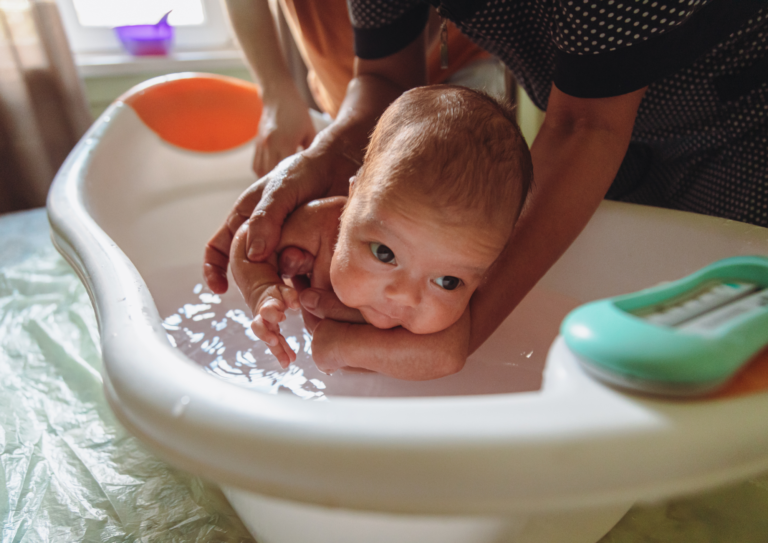
While maternity insurance primarily covers pregnancy healthcare needs, it often includes coverage for your baby after birth. Once your baby is born, they become a separate individual under the insurance policy, and their healthcare needs are handled differently.
After birth, your baby will usually be added to your insurance plan as a dependent. The insurance policy will have a certain period (usually 30 days to 60 days) during which you can add the newborn to the plan without a separate enrolment process. This is known as the “special enrolment period” for newborns.
Once your baby is added to the insurance plan, their healthcare needs will be covered as per the policy’s benefits, subject to any deductibles, co-pays, and coverage limits that apply. This coverage typically includes well-baby check-ups, vaccinations, and necessary medical treatments.
However, it’s important to note that the specific coverage for your baby under the insurance policy may vary based on the type of plan and the insurance provider. Some insurance plans may have different levels of coverage for paediatric services, so it’s essential to review the policy details and contact the insurance provider directly to understand the specific benefits for your baby’s healthcare.
If you have employer-sponsored insurance, you should consult your employer’s HR department or the insurance provider to understand the process for adding your newborn to the plan and the coverage details. For individual or family health insurance plans, you should contact the insurance company directly to enquire about adding your baby and the benefits for paediatric care.
Are prenatal massages covered by insurance?
Other questions asked were:
- Is prenatal massage covered by insurance?
Whether prenatal massages are covered by insurance depends on the specific insurance plan and the policies of the insurance provider. In many cases, prenatal massages are considered as a form of wellness or relaxation therapy and may not be covered by standard health insurance plans.
However, there are instances where certain insurance plans or health savings accounts (HSAs) may offer coverage for prenatal massages if they are deemed medically necessary. For example, if a healthcare provider prescribes prenatal massages to alleviate specific pregnancy-related conditions like back pain, muscle tension, or swelling, there may be a possibility of insurance coverage.
If prenatal massages are not covered by insurance, you may still consider scheduling them as a form of relaxation and stress relief during pregnancy. Just be prepared to pay for the sessions out of pocket if they are not considered medically necessary according to your insurance plan.
Are prenatal vitamins covered by insurance?
Other questions asked were:
- How to get insurance to pay for prenatal vitamins?
- Is prenatal vitamins covered by insurance?
The coverage of prenatal vitamins by insurance can vary based on the specific insurance plan and the policies of the insurance provider. In many cases, prenatal vitamins are available over-the-counter (OTC) without a prescription, and standard health insurance plans may not provide coverage for them.
Some healthcare providers may prescribe specific prenatal vitamins with higher doses of certain nutrients if you have special dietary needs or medical conditions. In such cases, prescription prenatal vitamins might be covered by insurance.
Even if standard health insurance plans do not cover OTC prenatal vitamins, you may be able to use funds from an HSA or FSA to pay for them. Both HSAs and FSAs allow for tax-free spending on qualified medical expenses, and some plans consider OTC vitamins as eligible expenses.
Some insurance plans with prescription drug coverage may offer a limited selection of prenatal vitamins that require a prescription. In such cases, the specific prenatal vitamins available through prescription coverage might be covered, but it’s essential to check the details of your plan.
Regardless of insurance coverage, prenatal vitamins are essential for the health and development of the baby during pregnancy. If you are pregnant or planning to become pregnant, talk to your healthcare provider about the most appropriate prenatal vitamin regimen for you, and they can recommend the right type and dosage of vitamins to support a healthy pregnancy.
*Collaborative feature post*