

Working from home without childcare – the impact on families
Since the pandemic, the trend of parents working from home has skyrocketed. The COVID-19 era has completely transformed the workforce outlook, with employers increasingly adopting a ‘work from home’ policy and offering ‘flexitime” to cater to working parents.
However, this gradual and welcome change hasn’t come without its challenges.
With the current cost-of-living crisis in the UK, compounded by rising childcare costs, some parents, including myself, have fallen into a precarious balancing act of working from home without childcare.
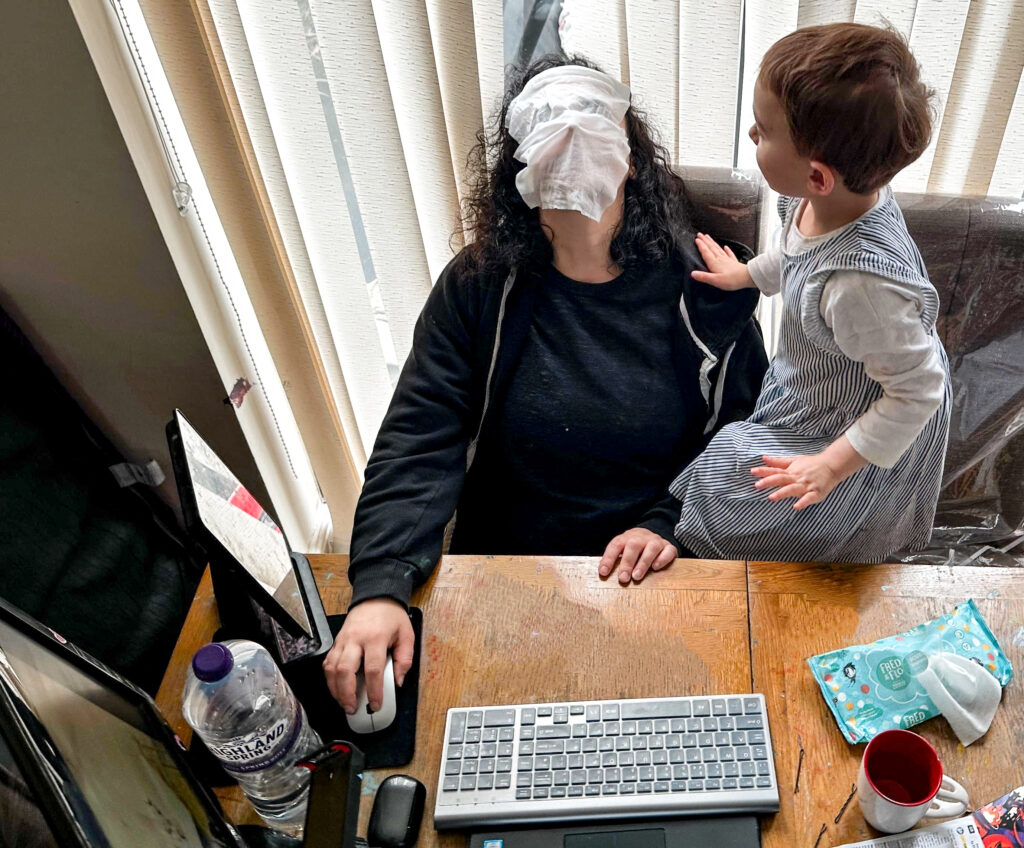
While remote work offers some semblance of flexibility, some have had to do so while keeping their children at home – often in violation of workforce policies not designed to accommodate the working parent reality and rising childcare costs. This situation causes excess stress for parents and highlights a critical gap in supporting both employers and government policies.
In this article, we discuss what it’s really like to work from home without childcare, as well as what our kids think of our balancing act, why this is happening in developed countries like the UK, and how to manage both work and looking after kids if you find yourself in this position too. As the founder of Motherhood Diaries, I started my journey working without childcare back in 2010, so I’d like to start by explaining why I’m qualified to talk about this topic and how I can help working parents stay sane during these trying times.
My journey of working from home without childcare for over a decade
My journey started when I was pregnant with my first (A1) back in 2010 and had to make the life-changing decision of leaving my long-term employment carving out a career in law. By February of that year, I left with a settlement and no Plan B (because of several serious issues at work). By April, I found out I was pregnant and struggled to find work, as I wasn’t the most desirable candidate anymore. After various interviews and a temp job in Mayfair that lasted only until July, when I was almost five months pregnant, I had no choice but to find some work-from-home jobs.
What happened then was purely by chance. During my temp job, I suffered from terrible gas and morning sickness and the person next to me wouldn’t stop talking or asking questions about why I had to go to the loo all the time. I was miserable. At one particular lunch break, I brought in my first Bounty pack and inside was a small diary from Emma’s Diary. No one in my vicinity was pregnant, so this diary was all I had to refer to about pregnancy symptoms and what to expect.
I thought, what if I could do all this myself and look back on it later when my baby was older? I always loved writing, so why not try some writing therapy to boost my very low mental health? I Googled, ‘How to start an online diary’ and found WordPress (the rest of this story can be found here).
When my temp job ended, I continued this online diary, with only my best friend, mum and hubby viewing it. But I needed a job. We couldn’t live on one salary and I was about to have a baby with no maternity leave or allowance in sight. Plus, my settlement was being depleted due to our flat renovations. I Googled work-from-home jobs and found transcriptionist work. I applied to become a sole trader, set up a mini office, and typed away, earning a decent wage. I felt I had hit the jackpot and not one part of me wanted to go back to the 9 to 5.
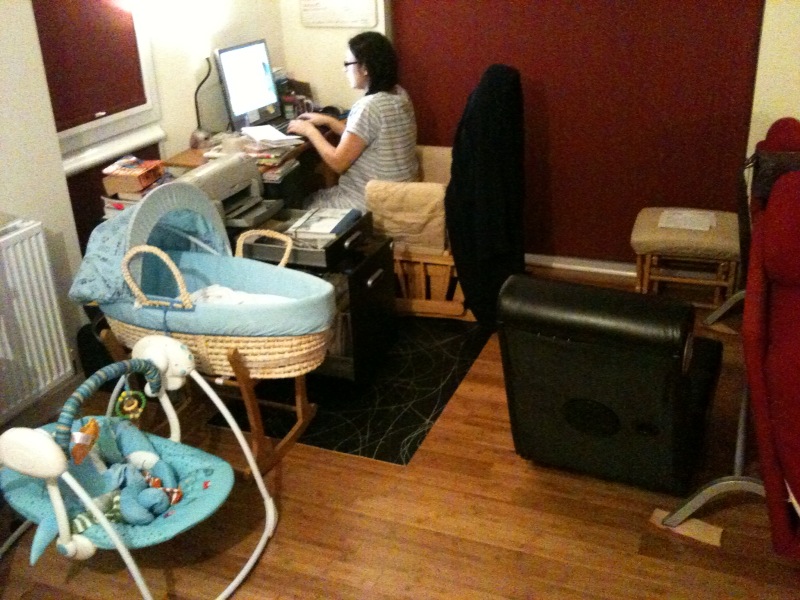
Once I had the baby, I was working during naps, even sometimes into the night. But, I couldn’t keep up with the transcription work and it involved me having to put earphones on and listen carefully to audio – something which was not only dangerous but impossible with a newborn!

So I reluctantly let the transcription work go, knowing in my mind that I’d prefer to put my efforts into my baby while he was still so young. Hubby advised me to live out the rest of my maternity allowance and we’d cross the employment bridge again when he’s older. I secured a job at a small law firm for the following September, but when my surprise second arrived just 15 months later (A2), I knew my chapter in employment was over.



So I dug deeper. All I knew about was law, so I emailed thousands of law firms, set up a law consultancy and offered low-level casework for a fraction of the price. All while continuing with my Motherhood Diaries pregnancy blog.

The whole virtual law firm industry blew up that year, so I felt I could be onto something and stuck with it. The pressure was awful, though, and I burnt out.
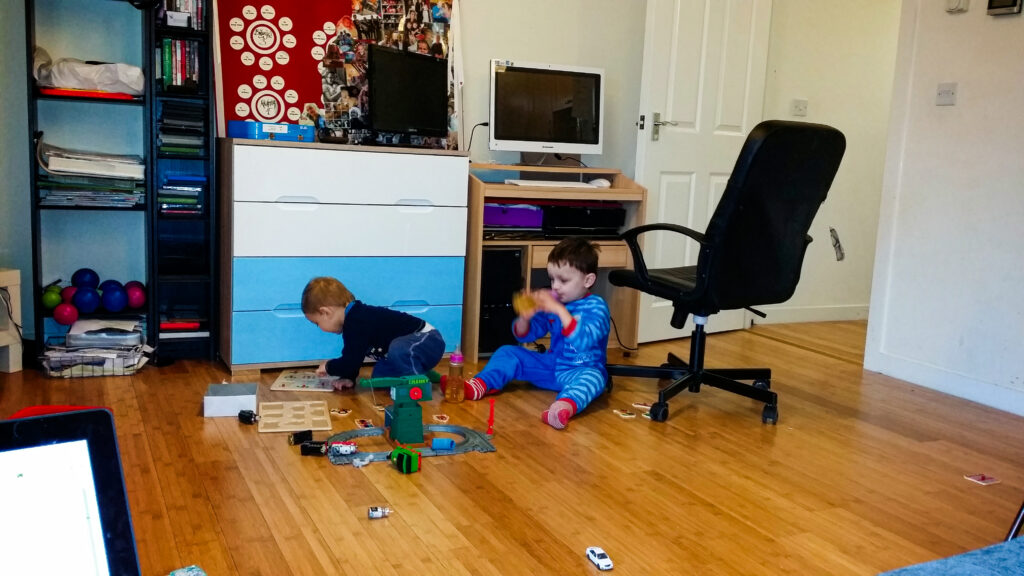


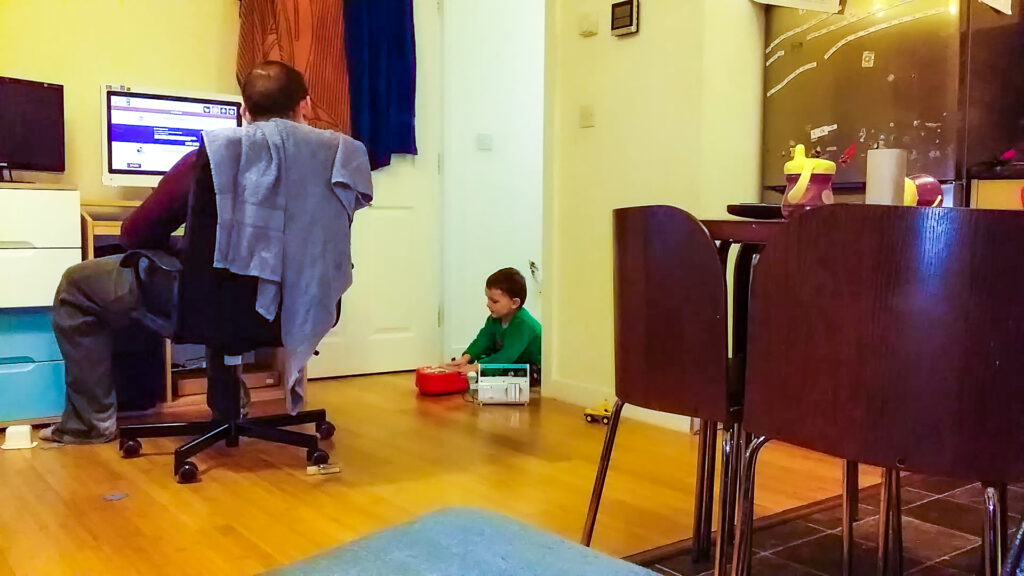
I felt like an utter failure. We looked at childcare fees so I could put the boys into a nursery and focus entirely on my business. However, for just a morning session every day, it was around £1,200 per month – money we didn’t have, as it wouldn’t be enough time for me to work. My husband was commuting to and from South London, literally the other end of the Northern line, and I had the boys 24/7, so he couldn’t provide childcare for me.
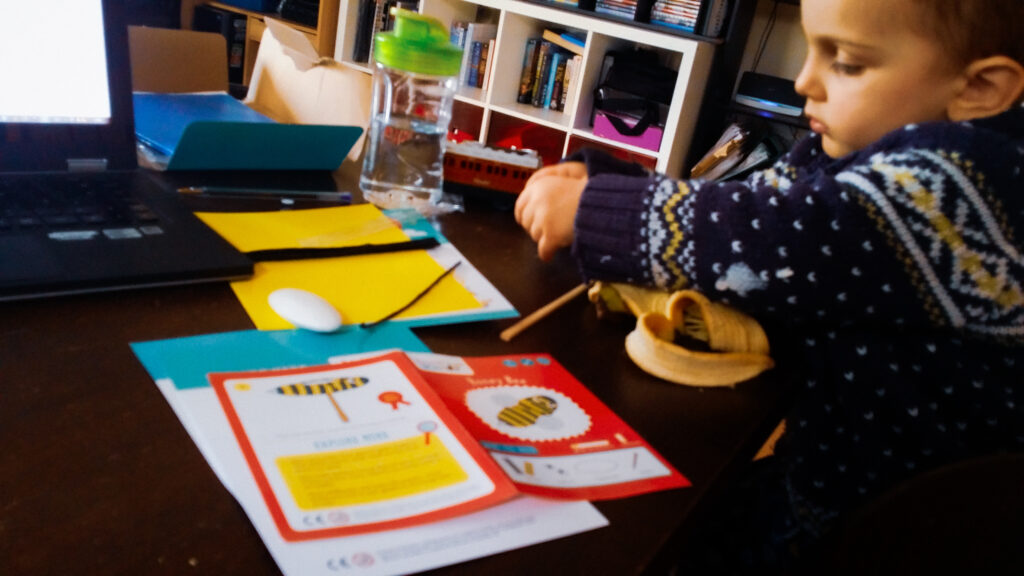
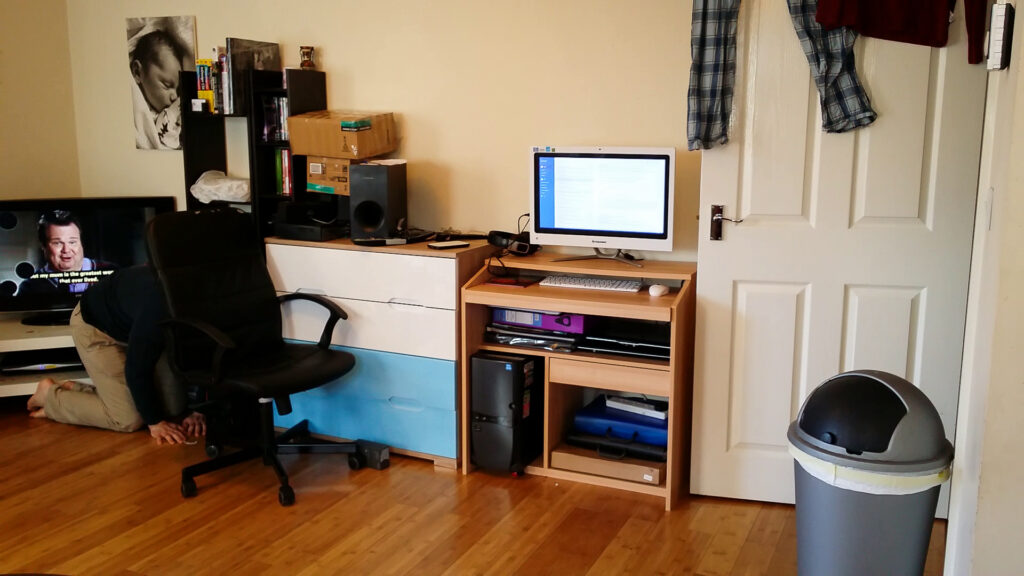
I was suffering from sleep deprivation and couldn’t give my clients the deadlines they wanted. I felt everything was a juggling act, and I didn’t sleep for four years; the flat was a state. I was constantly extending deadlines just so I could get some sleep during the day, and after a nasty email from a client who said, ‘Either put your kids into childcare or get off the business train!’, my nerves and my confidence were shot, and I reluctantly called time on my consultancy.
But I never gave up on my pregnancy blog.
I had found a way to blog on my phone every evening when breastfeeding or putting the boys to sleep. I felt that if I kept up with my diary, I could use that to vent, as hubby was too tired to take on any of my problems. He was struggling with the daily commute and his own workload.
However, throughout this difficult time, he kept telling me to stop and just be there for the kids. He would find a way to look after the finances. But we lived in an expensive area and he was working such long hours that I wanted to help him financially. I contacted the owner of the transcriptionist company and they were eager to take me back.
We moved house and the commute got easier for hubby. We had room for a proper office and, one day, I received a random email from a Motherhood Diaries reader. They wanted to know what had happened next with the pregnancies. What did I eat? Was I going to publish any more stories? Did I want to publish their birth story? I had suffered a security hack in 2013, which meant I had lost all my content, which thankfully a friend found years later for me via archive.org. So I had little content to hand at the time, but that’s when inspiration hit me.
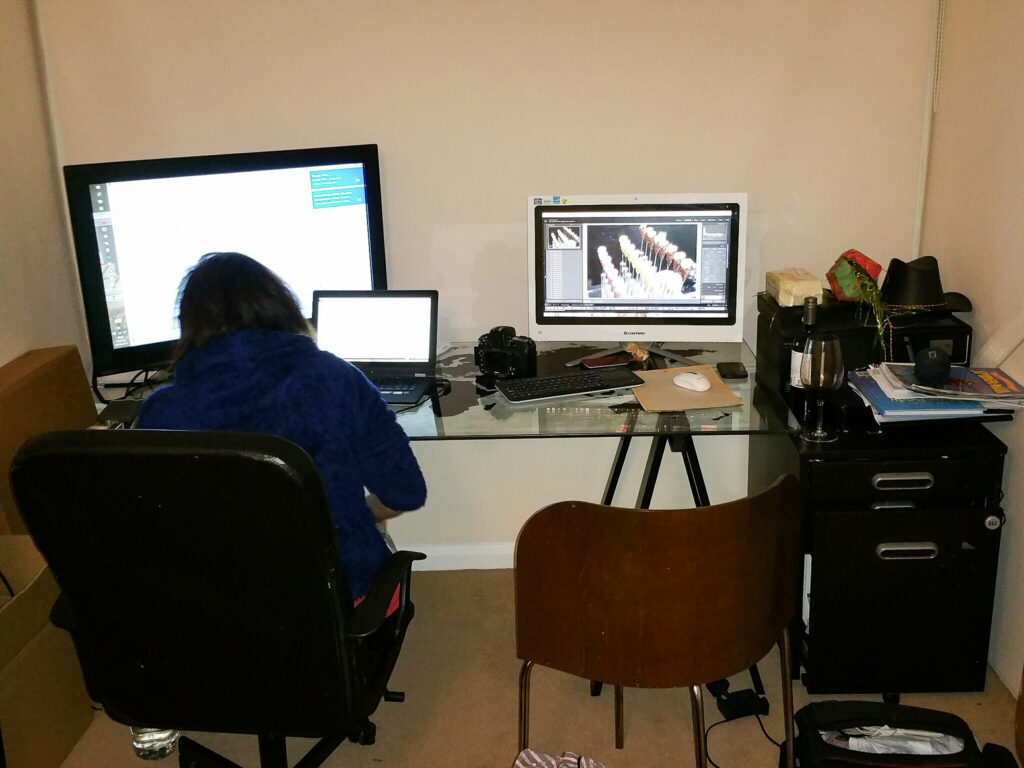


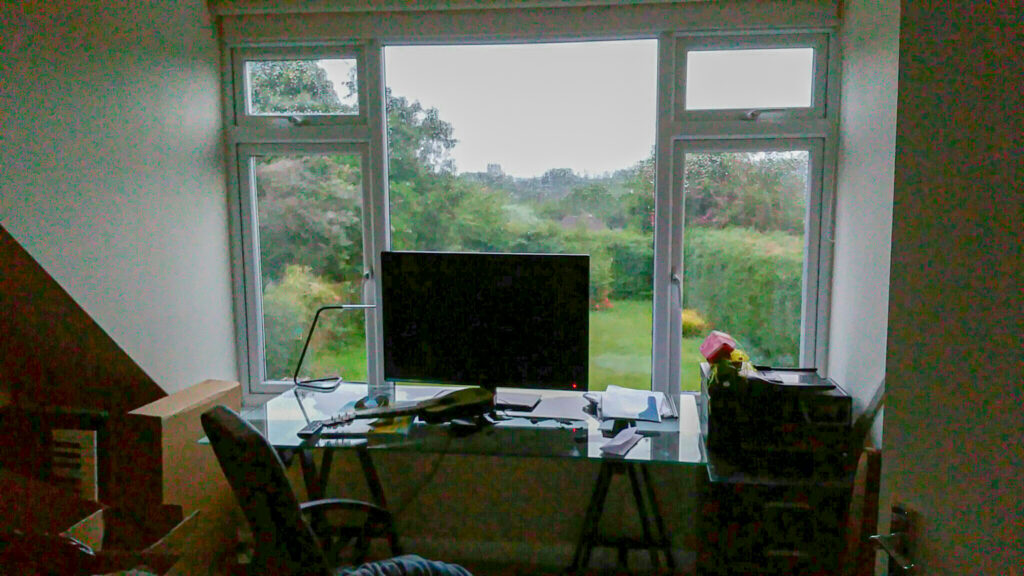
I’d turn Motherhood Diaries into a business! It was my passion and people were actually reading it.
So I started the long hard slog of working for free to rebuild content with no childcare, all while working a few hours a day on the transcription job. But, this time, I had found a way to work with the boys. I reviewed products while the boys were using them, which allowed me to incorporate my kids into my business. We went to many family events, and I wrote about them, and slowly but surely, brands contacted me to pay me to write about them. But I still found opportune places in the house to work, even though we now had an office!


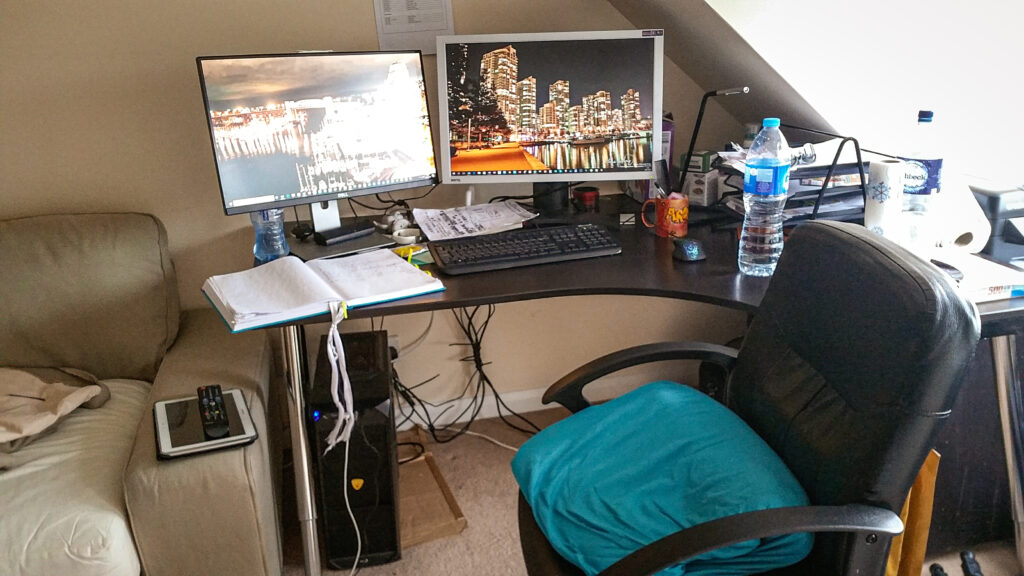
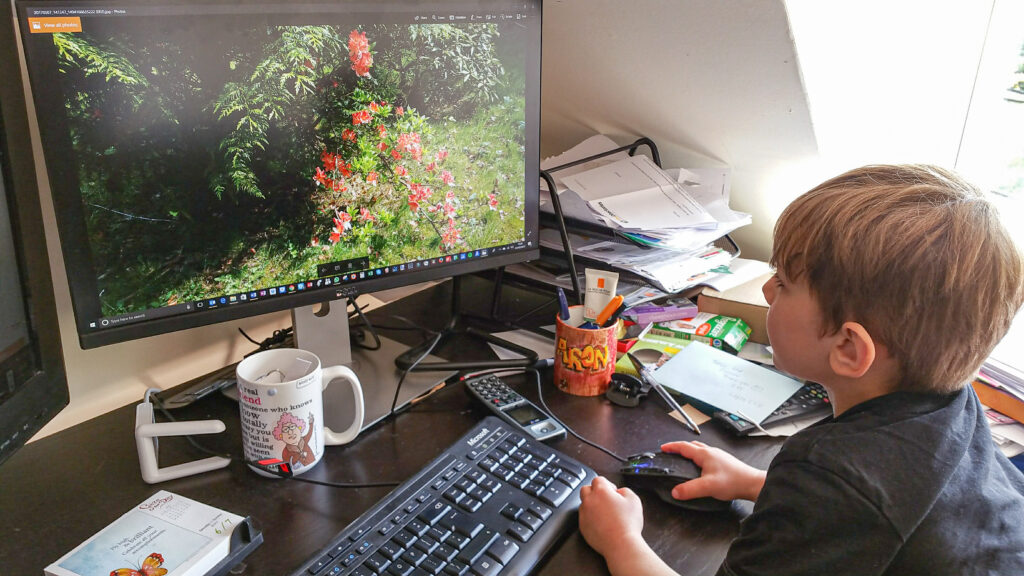
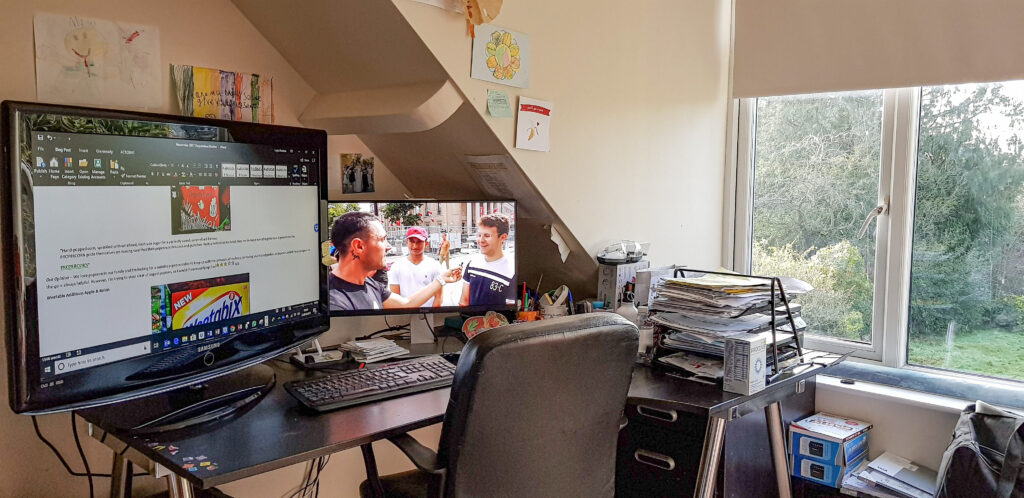
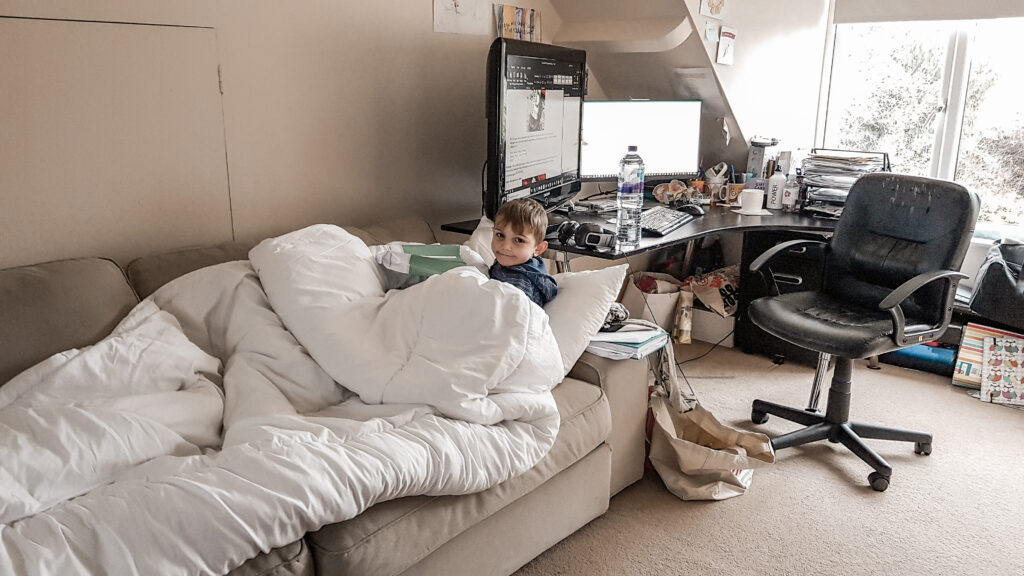


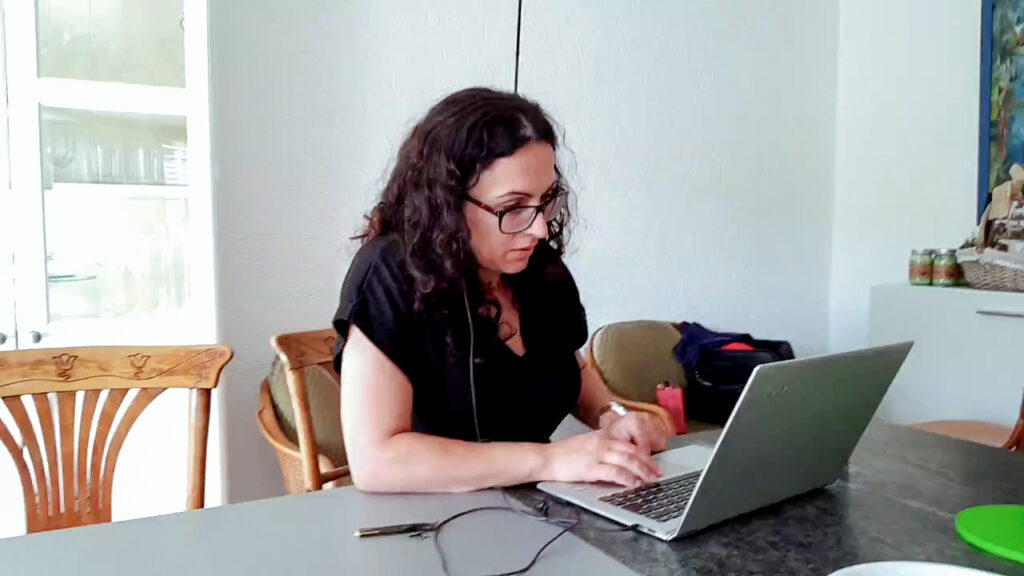

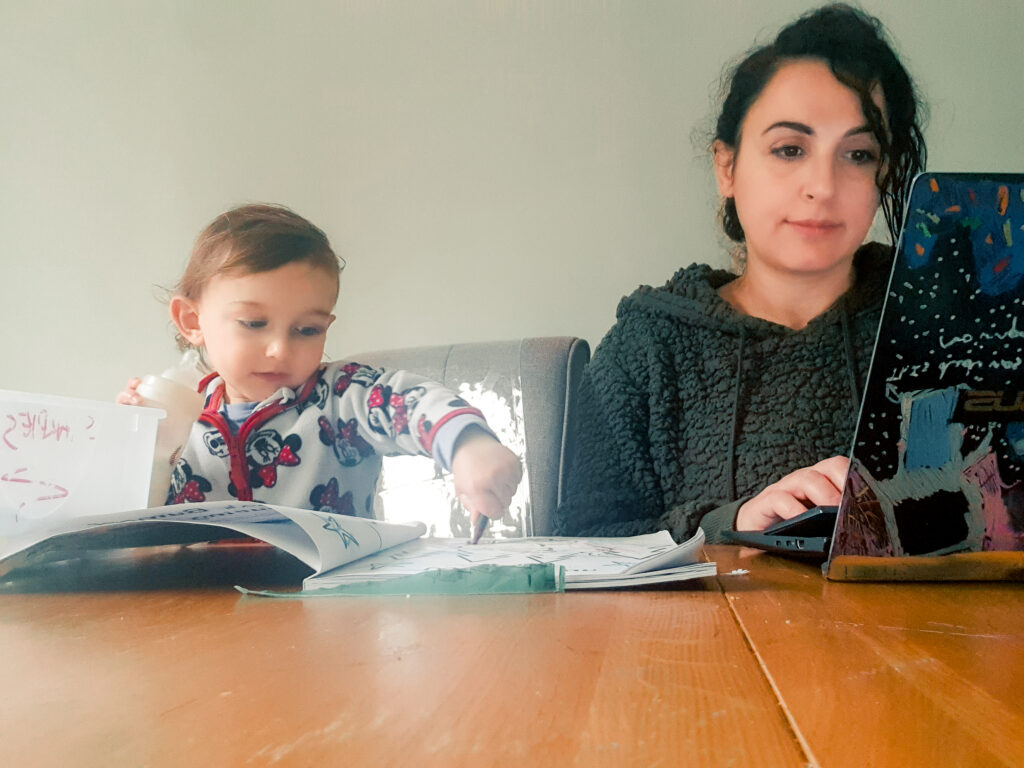

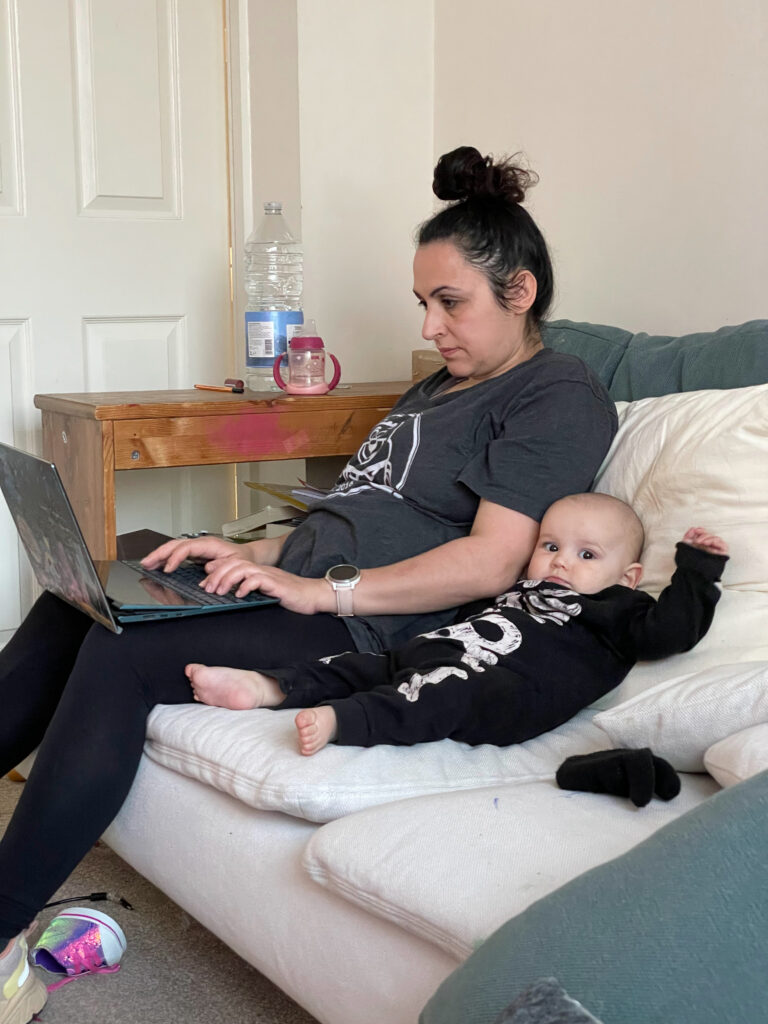

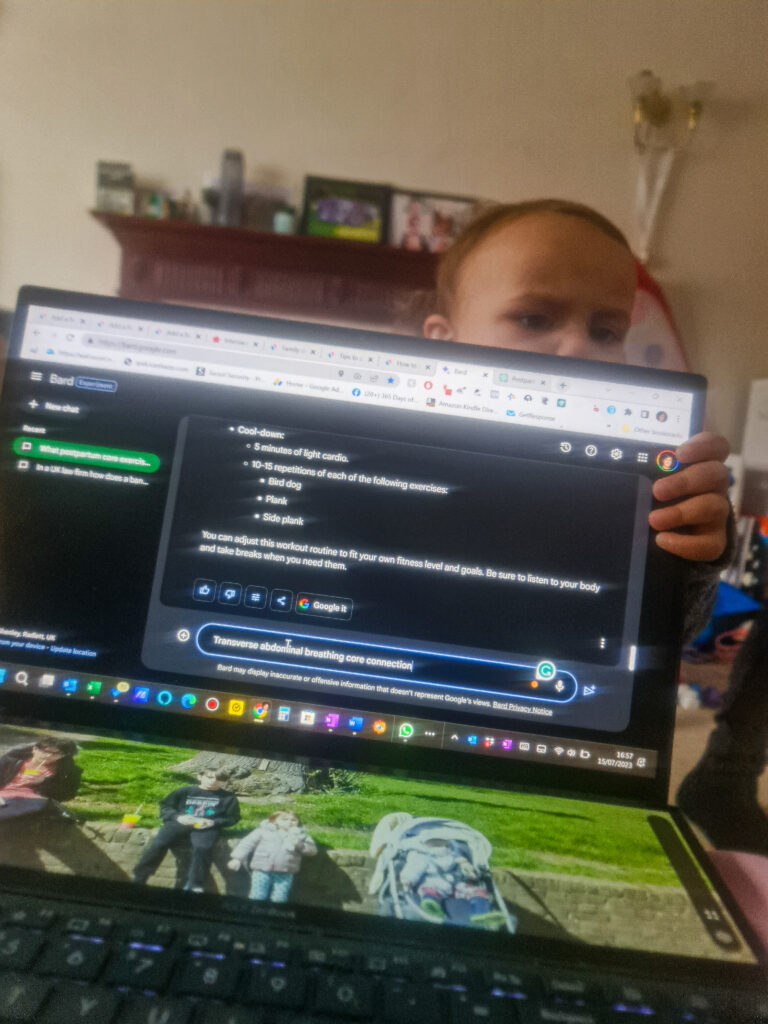
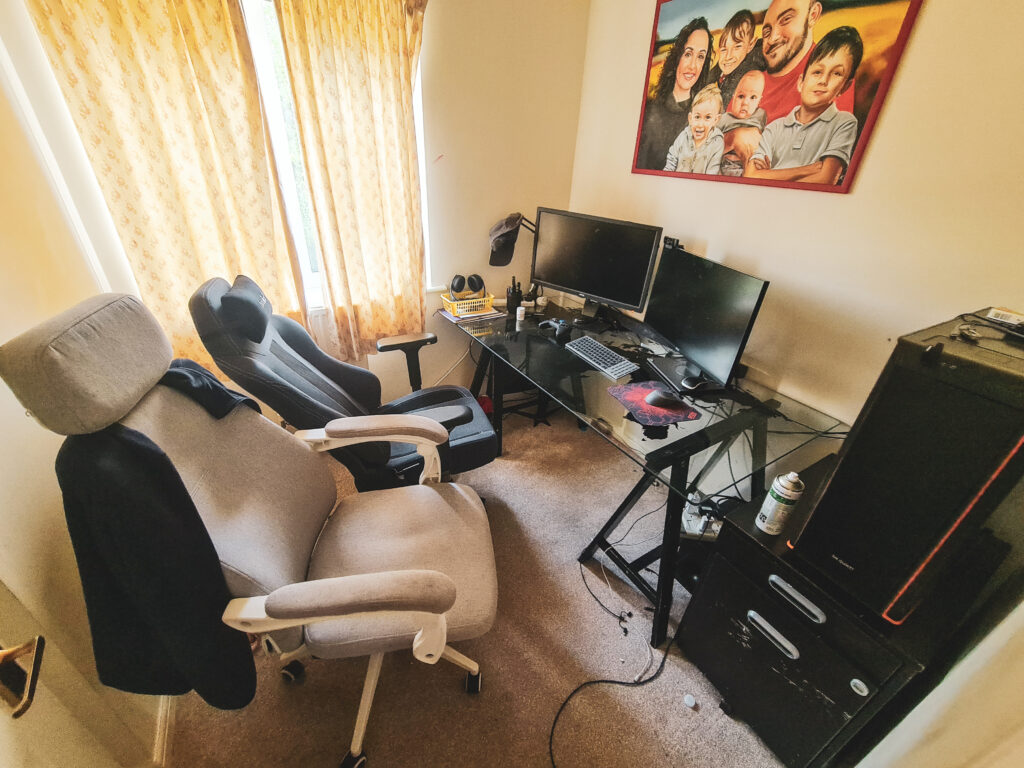
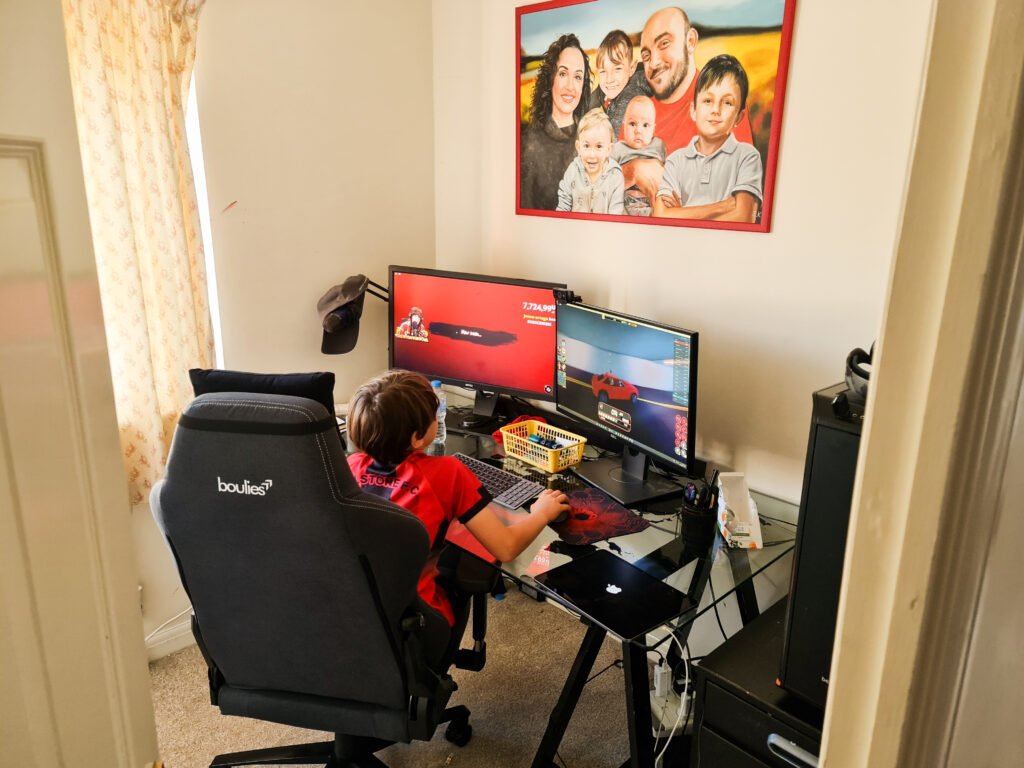

Fast forward to today (2024) and I have four children now and multiple websites. I have even created an online portfolio of my achievements via leylapreston.com. I always worked without childcare until the boys went to nursery/school from 2014 to 2015 and my third (A3) could get 30 hours free (2023). Now my fourth (A4) is going to school in September, which means we can open up more childcare hours.
But has it been easy? Not in the slightest!
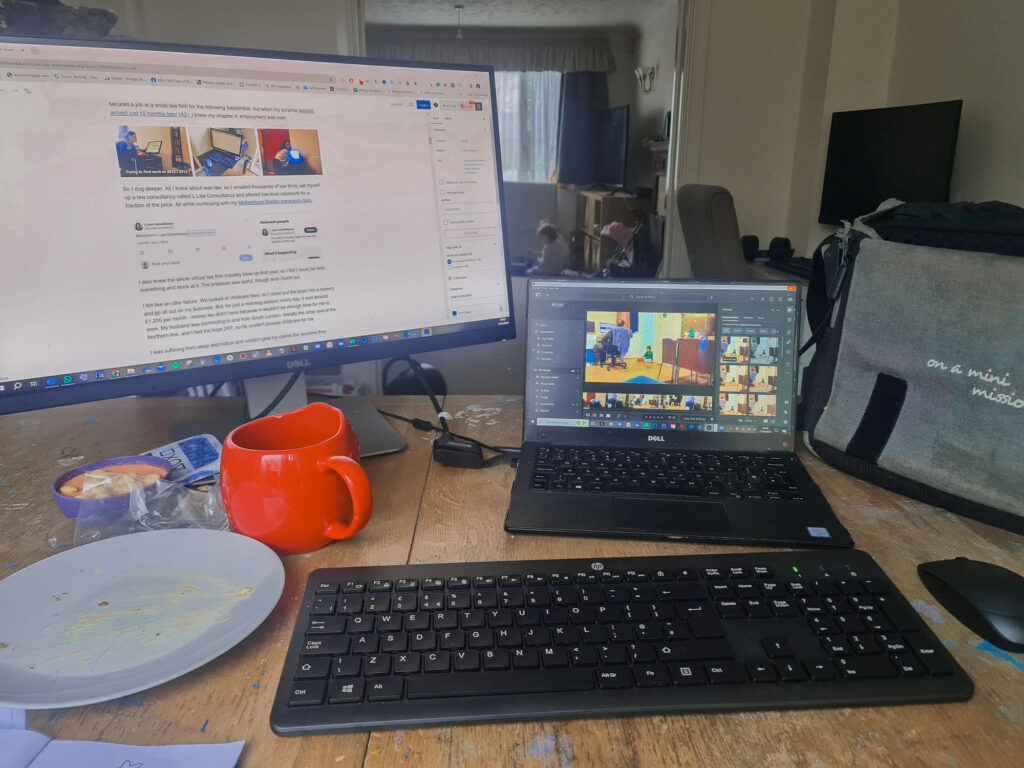


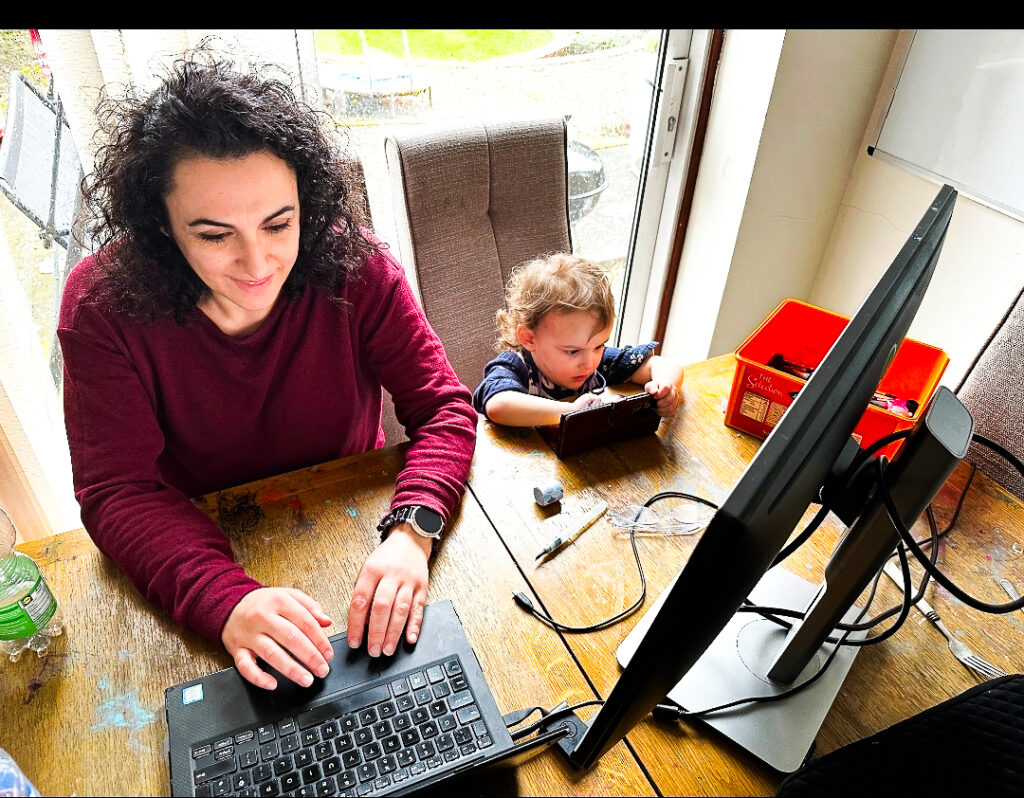
But I wouldn’t have it any other way.
There are no set work and personal times, even though we try to carve out time for pure work and family fun. But when you don’t have childcare, you’re working wherever your kids are and whenever you can, mostly when you’re not at your best because you have one eye on them the whole time. You’re much less productive and you are always ‘on’. There is no such thing as ‘me’ time because you either have deadlines or, if you’re self-employed, then if you don’t work, you don’t get paid, and that pressure travels around with you everywhere.
Fourteen years on, I have learned some tricks about how to balance work and children and I will share my tips with you in a moment. However, first, I want to talk about why we are in this position in the first place and how this balancing act has impacted our children.
How has working from home affected my kids?
My kids have seen me behind a laptop/PC more days than most and the mum guilt has been powerful on the days I have deadlines. Sometimes I’ve sat behind a laptop all day while leaving my kids to their own devices (I even started a second website, all about helping kids balance screen time, because we weren’t achieving a healthy balance between caring for the children, the house, and working).
But, when I asked my kids what they thought I did, I was shocked at their responses!
“You do some online business stuff, right? Kinda simple, doesn’t seem like too much work—until I see how hard you actually work. It’s cool you’re home more; we learn a lot from you. But when you’re glued to your laptop, it’s like you vanish into another world. You do stress over work and I think you want more outdoor time. Setting work hours might help, so you’re not always on ‘work mode’ with us. Once A4 starts nursery, you’ll have better work time, and we can have more fun times with you. Just need a good schedule, and we’re all set.”
A1 – 13 years old
“You do cool stuff like helping people and helping children learn stuff that they should be learning, I think? I like having you work from home because I can still spend time with you. It doesn’t annoy me that you’re always on the laptop. I think it’s cool. I think you also do cool things on Canva, right?”
A2 – 12 years old
“You do exercising on the laptop.” (my eyes widen) “I don’t know, you tell me what you do.” (I tell her what I do). “Wow, that is so cool! But I don’t like it. I’m sad when you work on the laptop. I want more mummy time.” (I tell her I will focus on spending more time with her) “Yay! Ok bye!”
A3 – 4 years old
“Work! You’re working!”
A4 – 2 1/2 year old
What other kids thought their parents did
My son tells people that I “play on my computer all day” and “chat to people all around the world”.
https://www.welshmum.co.uk/
My younger kids think I play with toys, eat chocolate and use the computer a lot.
https://thestrawberryfountain.com/
I was surprised… my 8 year old says I edit photos and videos and write about things we’ve been doing.
https://travelwiththeohallorans.com/
Why are parents trying to work without childcare?
For many parents, the decision to work without childcare support isn’t made lightly. Financial constraints play a significant role, with parents opting to forgo the substantial childcare costs to balance work and personal life on their own, and weighing the real value of their income after accounting for childcare expenses.
Then, there’s the matter of personal choice. Some parents feel a strong pull to be closely involved in their child’s daily life and development, so they can integrate work and parenting in a way that allows them to witness fleeting moments firsthand. This was my pull. When I was going through the worst of my mental and physical exhaustion, my ‘WHY’ got me through it because all I wanted to do was be with the kids, not work the long and arduous hours I had worked at my previous corporate employment.
However, even if the funds and desire align, the simple lack of quality childcare options presents a barrier. In many areas, especially those that are that are underserved or rural, finding accessible and reliable childcare is one of the toughest decisions parents can make. These reasons, combined, sketch the complex landscape that parents navigate as they tackle both work and childcare, often with little to no external support.
What must the mental health risks be like for parents working without childcare?
Navigating the challenges of working from home without childcare has highlighted feelings of burnout and isolation. Women, in particular, face heightened risks because of the disproportionate time they spend on childcare and household duties, compared to men.
However, thanks to the evolving dynamics of parental roles, particularly with the increasing uptake of paternity leave, the landscape is shifting, and it’s making a big difference for dads’ mental health too because it helps reduce the chance of feeling down after their baby is born. A study mentioned by Nature Mental Health found that fathers who take time off when their baby arrives are less likely to experience this feeling than those who do not. For more details, you can check out the study here.
This study shows that taking paternity leave is great for both dads and gender equality. Still, it’s not that simple, because taking a short paternity leave might inadvertently make things harder for mothers. Additionally, working from home can make parents already feel tired and less productive, and they may feel like they’re not doing a good enough job overall. Feeling lonely because they’re not around other adults much can make these feelings even worse, too.
Another issue with working from home is that when you select your own hours, you no longer have the 9-to-5 mentality, so you are less likely to ‘switch off’. It isn’t easy to set time boundaries when you are constantly thinking about that draft email or the deadline that needs to be met while the kids are asleep. Unlike my husband, who works very hard during the day and so switches off when he comes home at night, I feel like I am always ‘on’ when working.
However, having said all the above, I wouldn’t change working from home for the world. Working for myself means I can drop off and pick up the kids from school, and I no longer have to commute on the busy tube. I can sometimes work in my pyjamas at the kitchen table, or I have the flexibility to work at my favourite cafe once a week, or even in the garden when the kids are playing. It is for these reasons that I would never go back to working in an office, although I do miss the social office banter.
Tips on how to work from home without childcare
Fighting off the strain that comes with juggling work and home life, especially without childcare, isn’t easy. But some handy tips can help. From leaning on your tribe for support to prioritising mindfulness and self-care, here are some tips I’ve picked up in the last fourteen years of winging it without childcare and work.
Embrace the new remote work norm
Switching to remote work allows us to set our own schedules and choose where we work, which is pretty cool, but also tricky if you’ve been in an office or employed long-term. Whether you’re working for yourself or benefitting from flexitime, you need to stay on track without the usual office setting and make sure your work doesn’t consume your whole life. Creating a dedicated space at home for work and stepping away to take breaks are key. Plus, staying connected with colleagues online can benefit you. Being flexible, willing to learn, and reaching out for help are super important as we figure this all out with kids around.
Balance work and childcare at home and find your productive stride in chaos
Juggling work and looking after kids at home means fitting your work around their needs and schedules. And if you’re employed and working from home, this may not always align with your employer’s demands, especially if your employer is unaware that childcare is not in place. That means you have to be super productive with your time and work smarter, not harder and longer.
Whatever you can prepare the night before will help the next day feel a little more organised. If you have multiple kids, with some at school and nursery, do all the lunches, school bags and school clothes before and set them out ready for the morning. Batch cook meals and write a to-do list of the most critical work items you need to get done that day and keep it separate from household and family tasks. I would recommend just adding five of each or you’ll feel overwhelmed. Whatever you don’t get done, roll over for tomorrow. It’s a you problem tomorrow, not today. The key here is to not overload yourself, or you won’t be able to do anything.
I’ve always used the Eisenhower Matrix for smart prioritising my to-do list based on their urgency and importance, i.e. tasks to do immediately, tasks to schedule for later, tasks to delegate and tasks to delete. I have massively improved my productivity, just by using this method. Spend some time the night before doing this while everyone is asleep, so your days are spent working on the actual tasks. It helps to have a plan, even if the plan changes, which it inevitably will.
You will eventually find your flow and a semi-structured plan will fall into place. I find getting up an hour before the the kids, throwing a load in the wash and doing the dishwasher before the day has started helps me to get into work mode. But, find out what works for you.
Make sure to take regular breaks and try to spend at least one hour in the day not thinking about work. It doesn’t sound like a lot, but when you’re working from home, unless you’re in a job that shuts down at 5pm regardless, you’ll find yourself thinking about it long into the night.
I make a note to turn off the laptop at 9pm and be asleep by 10pm, so I get a good sleep and I switch off before bed. I also make sure I spend time with the kids that don’t involve any screens, so my eyes get a break too. It’s hard to create a clear divide between work and kids, especially if you have a baby and you have no choice but to work when they’re on your lap. So as long as you’re designating time to switch off, then that’s enough for now until they get older.
Remember, flexibility lets us be there for the important moments—like morning breakfasts, after-school activities, and even those unexpected little adventures that pop up. This means we can be more involved in our family’s day-to-day life, not just on the sidelines. Plus, when we manage to balance work and family time better, it makes us happier and more productive at work too. Being flexible means we’re not missing out on family moments for work, and we bring a happier, more focused version of ourselves to our jobs. It’s all about making work fit our life, not the other way around.
Make your workspace work for you
I cannot understate the importance of a comfortable and supportive workspace, especially when work and family life are blended under one roof.
I’ve spent the last 14 years huddled over my laptop using makeshift chairs and now I’ve developed a tiny little hump which I’m trying to correct with one of these*.
Investing in high-quality office chairs and home office chairs from Office Furniture Online is a game-changer. Not only do they provide the ergonomic support needed during long hours of work, but they also symbolise the professional aspect of a home office, distinguishing between ‘the parent work zone’ and ‘play areas’, even when children are literally running rings around you.
For a quieter, more comfortable environment all year round, consider upgrading your home with new windows and doors from Ecoline Windows. This can enhance your home’s energy efficiency and help reduce noise, so you can focus on getting work done (at least until snack time!).
‘Switch off’ and set boundaries
Like I mentioned before, it’s very easy to overlap work and family life, especially when you don’t have designated times for each. It may feel impossible to set boundaries but as you get into a natural flow, this becomes increasingly important for your sanity. I always put the phone away when I’m not working, especially if I’m out with the kids. They already see me behind a screen long enough, so when I can’t work, I unplug completely.
It takes some getting used to but when you do, it’s liberating knowing that you can’t be contacted and you’re cut off from the outside world. You’re with your kids/family/partner/friends and they get 100% of your attention. When your working life revolves around a screen, then disconnecting for precious human interaction isn’t just fun, it’s necessary for your health,
Build a support network
Building a support network is crucial so you don’t fall into the loneliness trap or become a total recluse with your kids. This network can be a mix of people you work with, friends who understand your work-life balance struggles, and family members ready to step in when you need them. Having this kind of support makes a huge difference. because it means you’re not alone in juggling tasks and responsibilities – it takes a village, right?
But creating such a safety net of trusted individuals can be challenging if you don’t have extended family around, live in a rural area, or work for yourself. But it’s definitely doable with the right approach.
Start by looking within your existing networks—think about friends, colleagues from previous jobs, or even neighbours who share similar values or lifestyles. Joining online communities and local groups focused on your interests or industry can also connect you with people who understand what you’re going through. Try social media platforms, forums, and professional networking sites to start conversations and find support too.
You can also consider attending workshops, conferences, or local meetups related to your work or hobbies. These can be excellent opportunities to meet like-minded individuals. Don’t underestimate the power of volunteering or joining a club either, which can broaden your social circle and introduce you to potential tribe members.
Remember, building a tribe is about quality, not quantity. Look for people who are supportive, understanding, and in a similar phase of life or career path. It’s more important to create meaningful connections with people who can offer mutual support, whether that’s sharing advice, providing a listening ear, or helping each other out in practical ways. Over time, these connections can grow into a strong support network that feels just like an extended family.
Arm yourself with the right tools
Equipping yourself with the right tools is essential to survive and thrive in the evolving landscape of remote work, especially when juggling work and childcare. As mentioned above, having a dedicated workspace becomes more than a luxury—it’s a necessity. As well as a comfortable chair an a decent table, you need to consider how much technology plays a pivotal role.
Reliable internet, a functional laptop or desktop, and necessary software are the basics. But don’t overlook the power of digital tools and apps designed to streamline your workflow and keep you organised—task management apps, digital calendars, and communication platforms become your allies in managing both your professional and parenting roles seamlessly.
The following are just some of the tools I use, and I won’t deviate from them (unless something better comes along):
| Emails | Microsoft Outlook |
| Tasks / ToDo List | Microsoft ToDo |
| Notes/Journal | Microsoft OneNote |
| Website hosting | Creative Her Hosting |
| Design and editing | Adobe InDesign Adobe Lightroom Canva |
| Keyword research | Keysearch KDP Rocket |
| Invoicing software | Quickbooks Online |
| Ideas and prompts | ChatGPT |
Creating a child-friendly setup can help manage your children’s presence too. This might include a small play area within your sightline, so you can work while keeping an eye on them, or setting up schedules that align your focus times with their naps or independent play.
Adopting these strategies doesn’t eliminate the challenges of working from home without childcare, but it does provide a skeleton framework to make this balancing act more manageable. The goal is to create an environment where you can be productive in your work while being present and available for your children.
Prioritise self-care and mindfulness
I learned quite late in the game that self-care is one of the most fundamental factors to surviving the constant juggling act between working and looking after children.
I now prioritise thirty minutes of exercise every day and, if the day allows, at least a thirty-minute walk every day. It’s also great for the kids as it breaks up their day being indoors and I can get them involved in my workout too. Now they’re so used to watching me exercise they leave me to it. Sometimes they even use me as an obstacle course while I’m exercising! But we get it done and then they know it’s outside time afterwards.
We are lucky to live right next to a park, so we do a loop around the park if the weather allows for it and then it’s back to work for me and back to play for them in their designated play area as mentioned above.
I also now incorporate a refreshing facial massage during my morning and evening skincare, and I always put on my makeup and get dressed. It seems like a lot but for me, it means I can switch my brain to professional mode. Also, getting some outside time in the morning, if you can, increases your productivity.
A study discovered that just 29 minutes of fresh air can boost work productivity by 45%. Additionally, 63% of employees feel significantly better after being outdoors. The research suggests that short outdoor breaks can really boost your mental wellbeing and productivity at work – so take that thirty-minute walk, if you can!
I massively believe that being outside, even for a short while, makes everything better because when it’s the holidays and I haven’t even washed my face or had fresh air, I have brain fog and feel very sluggish. So, when the sun is out, I drop everything if I can and take a walk, either with or without kids. The sun rejuvenates the mind and spirit, so try to get at least 25 minutes of vitamin D on your skin on a sunny day if you can. It’ll break up the day and you’ll feel better.
Navigate childcare solutions
When you’re working from home and juggling parenting without childcare, it’s all about making the most of the resources available to you. Here are a few tips to help you navigate childcare solutions available while working from home:
Decide your childcare budget
First, assess your finances to see how much you can dedicate to childcare. Figure out what you need and what you can afford.
Explore childcare options
With your budget in mind, you can look into various childcare solutions. Maybe it’s part-time daycare, hiring a nanny for a few hours, or joining a childcare co-op with other parents. A little bit of organised childcare can significantly boost your ability to focus on work.
Leverage government and community support
In the UK there are government initiatives like free childcare hours to help ease the burden. Starting April 2024, parents with two-year-olds qualify for 15 hours of free childcare each week. And by September 2025, this will extend to younger children, too. There’s also the option of 30 hours of free childcare for three and four-year-olds if both parents are working, but applying by the 31st March deadline is crucial. Don’t forget to explore local community resources, too; sometimes, shared childcare arrangements and playgroups can be a great help.
Align work schedule with childcare
Try to match your work hours with your childcare arrangements. It might mean tackling high-focus tasks during daycare hours or while your child is at a playgroup.
Integrate childcare into your work-from-home plan
If full-time childcare isn’t an option, try to arrange for childcare during critical work times. This way, you can give undivided attention to work when it’s most needed.
Remember, it’s about finding a method that works for you and your family. And don’t overlook the government’s support with childcare, which is part of the most extensive childcare support expansion by the UK government. Plus, from September, there will be even more support with wraparound care, making it easier for parents to work.
For UK residents, here’s an overview of the available free childcare opportunities:
- Eligible working parents in England have until 31st March 2024 to apply for the following benefits:
- Up to 15 hours of weekly childcare for two-year-olds, across 38 weeks annually.
- Up to 30 hours of weekly childcare for three and four-year-olds, also across 38 weeks annually.
- Starting from September, the 15-hour childcare support is expanding to include parents of children aged 9 to 23 months.
- It’s essential to secure your childcare code by April to access these benefits.
- These hours can be combined with other childcare support schemes, such as Tax-Free Childcare or Universal Credit Childcare.
- The allocation can be split across two different childcare providers daily, with eligibility at various establishments including nurseries, childminders, and preschools.
- Certain providers might offer the flexibility to ‘stretch’ these hours over more weeks by using fewer hours, offering greater flexibility.
- Arrangements for using your childcare hours might vary, including term-time only options or specific hourly blocks. It’s advisable to verify these details with your provider.
- Tax-Free Childcare or Universal Credit Childcare can also subsidise before and after-school care, known as wraparound childcare.
For information on how to apply and to receive your childcare code, visit this link.
Can you work from home and take care of kids?
The feasibility of the working from home without childcare setup largely depends on the type of job you have. Some roles, particularly those that offer flexible scheduling or project-based work, lend themselves better to juggling parental responsibilities alongside professional tasks. Technology, creative fields, and freelance work often provide the adaptability needed to work around a child’s schedule.
Many parents have adapted to this lifestyle and found innovative solutions to manage their workload while being present for their children. For example, some structure their work hours early in the morning or late at night when their children are sleeping, making use of quiet hours for focused work. Others create a dedicated workspace that allows them to be near their children during work hours, integrating play areas into their home office or setting up workstations that keep distractions at a minimum, yet allow for supervision. This is me.
A common thread among these stories is the importance of setting boundaries and maintaining a routine. Clear communication with employers and clients about availability and realistic turnaround times helps manage expectations on all fronts. Meanwhile, involving children in the scheduling process, when age-appropriate, can help them understand and respect work time.
Ultimately, successfully working from home with kids is about flexibility, creativity, and patience. It’s about finding a balance that works for your unique family situation and being willing to adjust as circumstances change. While it may not be without its trials, the opportunity to witness and participate in your children’s daily lives more fully is a rewarding experience that many parents cherish.
Final thoughts
While the idea of working from home and not paying for childcare sounds like a win-win situation, the journey is not without its challenges. But it’s also an opportunity for growth, bonding and mastering the art of multitasking.
Make time for yourself, find your tribe to support you when you are stuck and utilise childcare support where you can to help manage your dual world. Pair it with a designated workspace, a play area for the kids, and accept plans can change at any time, and you will not just survive this new normal but thrive too.
As you find your natural flow, your kids will grow up and you will get more free time to work. So make sure to embrace your time with your kids and fit work around them, not the other way around.
You’ve got this!
FAQ
Balancing work and childcare
- How can a single mom of two with no job and no help to babysit her kids get a job in these times without leaving home?
- I’m a single mom with no family or friends of any kind and I can’t afford a babysitter of any kind with my job. How am I supposed to work with no babysitter?
- Other parents who work from home full-time and take care of the kids and home 90% of the time, how do you manage? I have a 4-month-old and I feel like I am constantly failing even though I know people do it somehow.
- As a working mother of a newborn, how can I manage work at home without a nanny and family support?
- How do you manage your own childcare needs whilst also working full-time?
Navigating work from home without childcare is a reality for many of us. It’s definitely a balancing act that requires flexibility and a solid plan.
Check out the article above but here are some tips that can help too:
- Flexibility Is Key: Adapt your work schedule around your children’s rhythms and needs. Early mornings, nap times, and evenings might become your most productive work periods.
- Create a Supportive Environment: Having a network, whether it’s through online communities, neighbours, or colleagues, can provide emotional support and practical advice. You’re not alone in this journey.
- Define Your Workspace: A designated area for work helps mentally separate work from family time, making it easier to focus and then disconnect.
- Leverage Available Resources: Look into any governmental or community support for childcare, even if it’s just a few hours a week. It can make a significant difference in managing your workload.
- Prioritise Self-care: Incorporating even brief periods of exercise or mindfulness into your day can boost your well-being and productivity.
Work-from-home challenges
- How do I make money without working? I’m a single mom of two kids. I can’t afford a babysitter or daycare. My family members don’t want to help. What should I do? My children’s father is a deadbeat.
- Extremely frustrated. What are options for single parents when schools start back remotely? Not everyone has the luxury of working from home. No child care. What are we supposed to do, quit our jobs?
- Are there any legitimate work from home jobs for a stay at home mom with zero child care options and no quiet place to work? I can’t buy or sell anything?
- Can you work from home and look after a child?
- Can you work from home without childcare?
Addressing the challenges of working from home without childcare, especially as a single parent or with limited support, requires both creative and practical strategies. Here are some insights:
- Generating Income Without Traditional Work: Exploring passive income sources or flexible online jobs can be a start. Consider freelancing in skills you have, such as writing, graphic design, or digital marketing, which allow you to work around your children’s schedule. Online tutoring or teaching languages online are also options if you have expertise in a specific subject or are fluent in a language.
- Single Parents with Remote Schooling Challenges: This situation is incredibly tough. One approach could be to coordinate with other parents in similar situations to create a support network where you can take turns supervising the children. Some employers may also be open to flexible working hours or part-time work to accommodate your parenting responsibilities.
- Finding Work from Home Opportunities: Look for remote jobs that offer asynchronous work, meaning you can complete tasks at any time, rather than being required to be online at specific hours. Content creation, data entry, and transcription work can fit into unpredictable schedules. Utilise job boards dedicated to remote and flexible jobs, and don’t underestimate the power of networking in social media groups or platforms like LinkedIn to find opportunities.
- Working from Home with a Child: Yes, it is possible, though it comes with its set of challenges. The key is to establish a routine that accommodates both work and childcare, using early mornings, nap times, and after bedtime as focused work periods. Having a dedicated workspace, even if it’s small, can help mentally separate work time from family time.
- Managing Without Childcare: It’s about finding balance and being kind to yourself regarding what you can realistically achieve. Break tasks into smaller, manageable chunks, set realistic daily goals, and celebrate the small wins. Use engaging and safe activities to keep your child occupied while you work, and consider swapping playdates with other parents to get blocks of focused work time.
Remote work with infants and toddlers
- I have a baby and I work from home. She is 6 months and takes all my time. What can I do?
- How can I work if I don’t have daycare of a babysitter?
- If I can’t afford a babysitter, can I do a work from home job?
- Is it possible to work from home with an infant?
- Can you work from home and take care of a toddler?
- How can I watch my toddler while working from home?
Working from home with infants and toddlers presents a unique set of challenges, but with the right strategies, it’s possible to create a manageable routine. Here’s how you can approach it:
- Work During Nap Times: Babies and toddlers have their sleep schedules. Try to align your work tasks with their nap times, which can provide you with uninterrupted work periods.
- Create a Safe Play Area: Setting up a dedicated, child-proof play zone within your line of sight can allow your child to play safely while you work. This setup helps you keep an eye on them without needing to pause your work frequently.
- Use Babywearing: For infants, babywearing can be a lifesaver. It allows you to keep your baby close and content while keeping your hands free to work, especially during calls or while managing emails.
- Flexible Scheduling: If your job allows it, work during early mornings or evenings when your partner or a family member can watch over the child. Flexibility is key to managing both responsibilities.
- Set Realistic Goals: With a baby or toddler at home, your productivity might not be the same as it was pre-child. Set achievable work goals and communicate with your employer or clients about your situation to manage expectations.
- Interactive and Educational Activities: For toddlers, consider activities that can keep them engaged for longer periods. Educational toys, puzzles, or even a short educational video can provide you with a window to focus on work tasks.
- Establish a Routine: While it might seem challenging with a young child, establishing a daily routine can help. Regular meal times, playtimes, and naps can create a structure that allows you to plan your work around their needs.
- Take Breaks: Working from home with a child means you’re multitasking to a significant degree. Remember to take short breaks to spend quality time with your child. These moments can recharge both of you and make it easier to focus when you return to work tasks.
- Seek Support: If possible, arrange for a family member or friend to watch your child for a few hours a week. Even a small break can significantly increase your productivity and reduce stress.
- Stay Connected with Other Parents: Join online forums or local parent groups where you can share tips and support each other. Knowing you’re not alone in this situation can be incredibly reassuring.
Childcare alternatives and legal questions
- Should employees without a babysitter be allowed to bring their children to work? Why or why not?
- Can I collect unemployment if I have no childcare?
- Can an employer fire you for not having child care?
- I need to work but can’t afford childcare. What are my options?
Navigating childcare while working poses tricky questions, especially when traditional options aren’t accessible. Here are some considerations for common concerns:
Bringing Children to Work: Letting employees bring kids to work can work out well in some workplaces, especially those that are laid-back and open to mixing work with a bit of family life. But in places where the work is very structured or could be dangerous, having kids around might not work. Companies have to think carefully about what’s best for the business and for their teams, so it may not always be possible to be so flexible.
Collecting Unemployment Due to Lack of Childcare: To get unemployment benefits, you usually have to be ready to take a job and be looking for one. If you can’t work because you don’t have someone to watch your kids, you might not be able to get these benefits. But, there have been some changes, especially with the pandemic, that have made more people eligible. It’s a good idea to check the rules in your area to see if they offer any help with childcare issues.
Employer Termination Over Childcare Issues: Job laws differ depending on where you are, but usually, bosses expect you to do your job. If you’re struggling because you don’t have childcare, it’s important to talk to your boss to figure something out. Some places have laws that help workers with family issues, but not everywhere. Make sure you understand what your rights are and what your company’s rules say.
Alternatives When You Can’t Afford Childcare: Looking into work setups that can bend a bit, like changing your hours or working from home, might be a good first move. Also, check if there are any government aids, community help, or family support that could make childcare a bit easier on the wallet. Sometimes, teaming up with other parents to share the kid-watching can help everyone. And if you can find a job that fits when you’ve got childcare covered—like when the kids are at school or a gig that lets you work from home—that could be a big help, too.
Productivity and workspace management
- What can a working from home mother do to keep her kids occupied and not disturb her?
- If one parent works from home, why do they have to leave their children at daycare?
- Should employees be allowed to work from home to look after their children?
- Can work-at-home parents manage their baby without a babysitter or nanny?
- How can you work from home without kids?
- Is remote work not a substitute for childcare?
Navigating productivity and workspace management while working from home, especially for parents, involves finding a balance between professional obligations and childcare needs. Here’s how to address these questions:
- Keeping Kids Occupied: Utilise a mix of scheduled activities, educational apps, and toys to keep children engaged. Consider setting up a daily routine that mirrors your work schedule, with planned breaks to spend time together.
- Daycare Decision: Even if one parent works from home, utilising daycare can be necessary to maintain productivity, meet work obligations, and ensure children receive social interaction and developmental activities.
- Work-from-Home and Childcare: Establish boundaries and a routine to manage both effectively. Companies offering remote work should encourage a balance, understanding that flexibility doesn’t equate to constant availability.
- Managing Without a Babysitter: It’s challenging but possible with adjustments. Structuring your workday around your child’s sleep schedule and setting up a safe, engaging space near your workspace can help. Open communication with your employer about your situation is also crucial.
- Working from Home Without Kids: For those without children, creating a dedicated workspace, maintaining regular work hours, and setting boundaries for work-life balance are key strategies for productivity.
- Remote Work as Childcare Substitute: While remote work offers flexibility, it isn’t a direct substitute for childcare. It can reduce childcare hours but maintaining a focused, productive work environment often requires separate childcare arrangements, especially for younger children who need constant supervision.
Navigating no support systems
- If both parents worked full-time jobs and had no family around them, if they lived far away how would a mother handle taking care of her children?
- How do I raise a kid without anyone’s support while working in an IT company work from home?
- How can a mom of a 1-year-old go to work without any help from in-laws, parents, and no daycare?
Navigating work and childcare without a support system is an immense challenge, but it’s not insurmountable. Here are strategies for parents in these situations:
- Flexible Work Arrangements: Seek flexible working arrangements with your employer, such as adjusted hours, compressed workweeks, or part-time work. Being open about your situation can lead to more understanding and accommodation.
- Utilise Online Communities: Online communities can offer both support and practical advice. They can also be a source for networking with other parents in similar situations, potentially leading to creative childcare solutions, like shared babysitting among parents.
- Explore All Childcare Options: Research all available childcare options within your budget, including less traditional ones like nanny shares, parent co-ops, or even part-time daycare that can provide some relief without the full cost of full-time care.
- Create a Routine: Establish a structured daily routine that includes dedicated work blocks, playtime, and rest. Consistency can help your child adjust and provide you with predictable work periods.
- Safe, Independent Play: Invest in educational toys and activities that encourage safe, independent play. Setting up a child-friendly workspace within your view allows you to supervise while working.
- Government and Community Resources: Look into government assistance programs that may offer financial aid for childcare or access to affordable childcare options. Community centres and non-profits may also have resources or suggestions for balancing work and parenting.
- Prioritise and Plan: Prioritise your tasks, both work-related and personal. Use planning tools like calendars and to-do lists to manage your schedule, ensuring you allocate time for essential activities and deadlines.
- Self-Care: It’s easy to overlook your well-being in the hustle of managing everything. Remember, taking care of yourself is vital for sustaining your ability to care for your children and perform at work. Even short breaks, exercise, or a moment of quiet can rejuvenate your energy.
- Seek Virtual Assistance: For tasks like meal planning, grocery shopping, or even some aspects of your job, consider if there are ways to automate or delegate virtually to save time and reduce stress.
*This post is sponsored by Office Furniture Online











2 Comments