Crafting the ideal child and family eye care routine at home
In the bustling journey of parenthood, nurturing your family’s sight often takes a backseat. But in the age of screens and hectic schedules, the importance of safeguarding our family’s ‘windows to the world’ cannot be overstated. From the tender gaze of a newborn to the weary eyes of the hardworking parent, each family member deserves an eyecare routine that is both nurturing and habit-forming.
However, almost three-quarters of Brits notice their eyes deteriorating with age according to a new research report by MacuShield, but few know how to meet their eye nutrition needs.
It’s National Eye Health this week, so in this article, we will hand you the proverbial ‘lens’ to zoom in on the nuances of crafting the perfect child and family eye care regimen in the comfort of your home.
Child and family eye care starts from pregnancy
Eye care for children and families often begins during pregnancy because the health and wellbeing of the mother can directly influence the child’s visual development.
Proper nutrition like omega-3 fatty acids and vitamins during pregnancy can influence the baby’s visual system and early prenatal care allows healthcare providers to identify and manage any potential issues that could affect the baby’s eye health. For instance, infections during pregnancy, like rubella or cytomegalovirus, can potentially lead to congenital eye conditions.
Infants: tips for protecting those precious new eyes
An infant’s eyes develop so quickly in just their first year! So protecting their eyes is crucial, as early childhood is a vital time for the development of healthy vision. Here are some tips to ensure your baby’s eyes are well looked after:
Visit a paediatric eye doctor early
You can visit your family eye doctor or a baby optometrist who specialises in family paediatric eye care from birth, to examine their eyes and detect if there are any early signs of eye problems. If there are any suspected eye issues, then you could consult a paediatric opthalmologist for a more comprehensive evaluation.
Protect your baby’s eyes from the sun
Start protecting your baby’s eyes from harmful UV rays with baby-friendly sunglasses when outdoors and use appropriate indoor light to prevent strain or glare. We’ll go through the importance of protecting your child’s eyes from the sun in more detail later.
Operate a safe play environment
Choose toys that are age-appropriate and free of sharp edges or small parts that might injure eyes and always supervise your baby during playtime.
Nutrition is important
If possible, breastmilk contains essential nutrients which are beneficial for eye health. As your baby weans onto solid foods, try to include a variety of nutrients that promote healthy eye development, like vitamin A and omega-3 fatty acids.
Keep up with hygiene
Make sure anyone who handles your baby has clean hands to prevent infections and clean your baby’s eyes gently using a damp clean cloth, wiping from the inside corner to the outside corner.
Visual stimulation promotes eye development
High-contrast toys and patterns encourage healthy visual development and tummy time not only helps with motor development but also provides opportunities for visual exploration too! Use tracking objects to help with developing eye coordination and focusing skills.
Be vigilant and look for signs of eye distress or abnormalities, such as frequent eye rubbing, excessive tearing, or eye misalignment. Early intervention means ensuring the best possible outcome for your baby.
Early child development and eye health

Research commissioned by Vision Express showed that almost a quarter of children never had their eyes tested, and of the children who did, 45% were found to have poor eyesight. From the statistics, it’s clear that eye tests are low on the agenda of back-to-school prepping, with 70% prioritising buying a school uniform and school shoes.
But, as the statistics for poor eyesight are worryingly high, it’s important to look out for signs of visual problems in your child as these symptoms could have a significant impact on your child’s learning and social development, like it did with my son.
An eye examination once a year should become an essential part of keeping your child safe and healthy.
At what age should they have their first test?
Eye tests are available to children from the day they are born, but, if you have any concerns about their reading, writing, or general sight, then the earlier the better. For example, if they keep knocking into things or they don’t naturally look around between three to six months old, then this should be looked at further by a paediatrician.
They may also have eyes that look crossed, there may be a white spot or redness to the eye, or the eyes are constantly watering. All of these are warning signs that you must address.
If their eyesight appears normal, then between the ages of 18 months and two years is, therefore, a good age to start taking them to eye doctors for children’s eye exams, and you should go for annual eye exams thereafter.
What will the eye test involve?
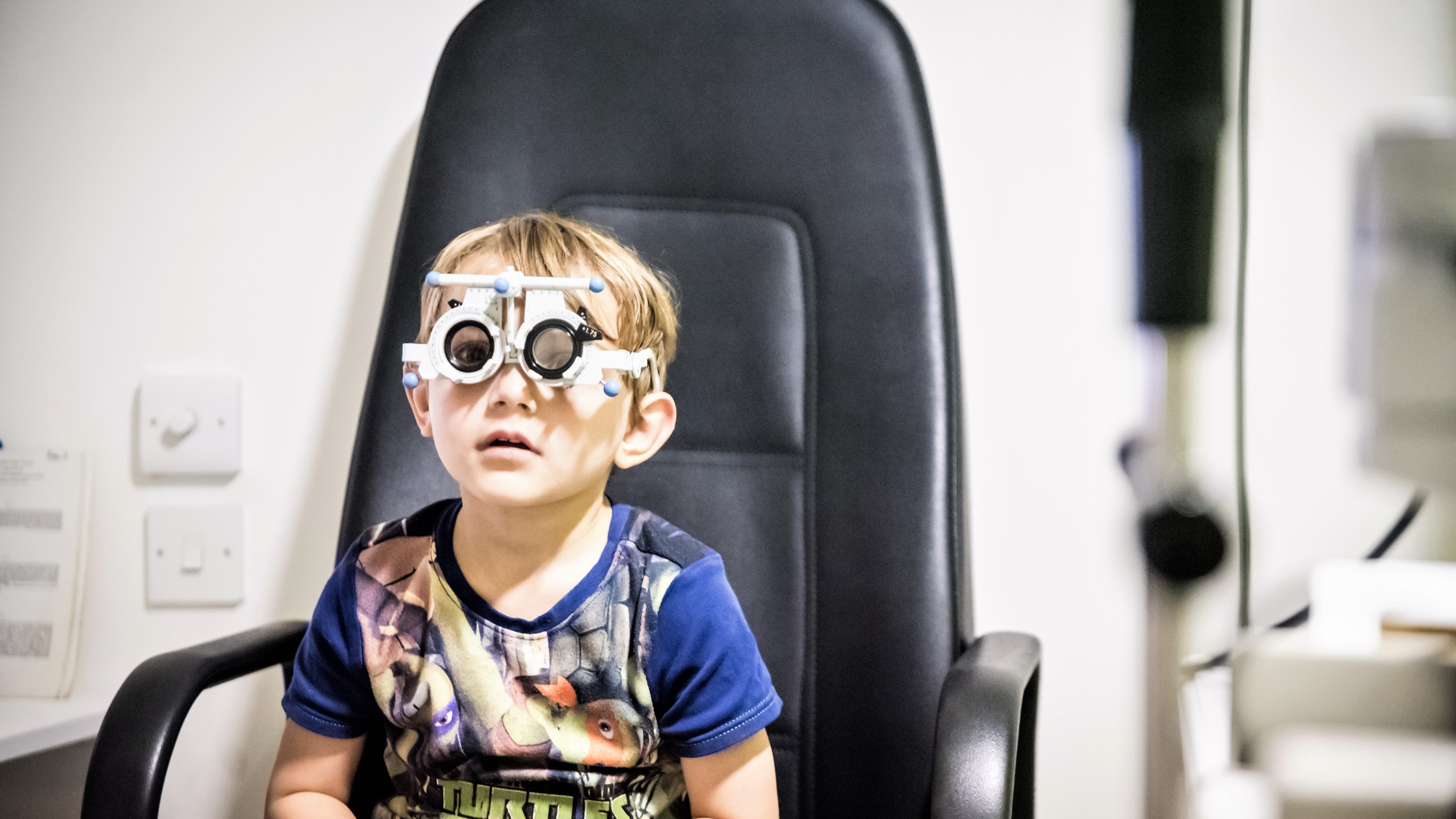
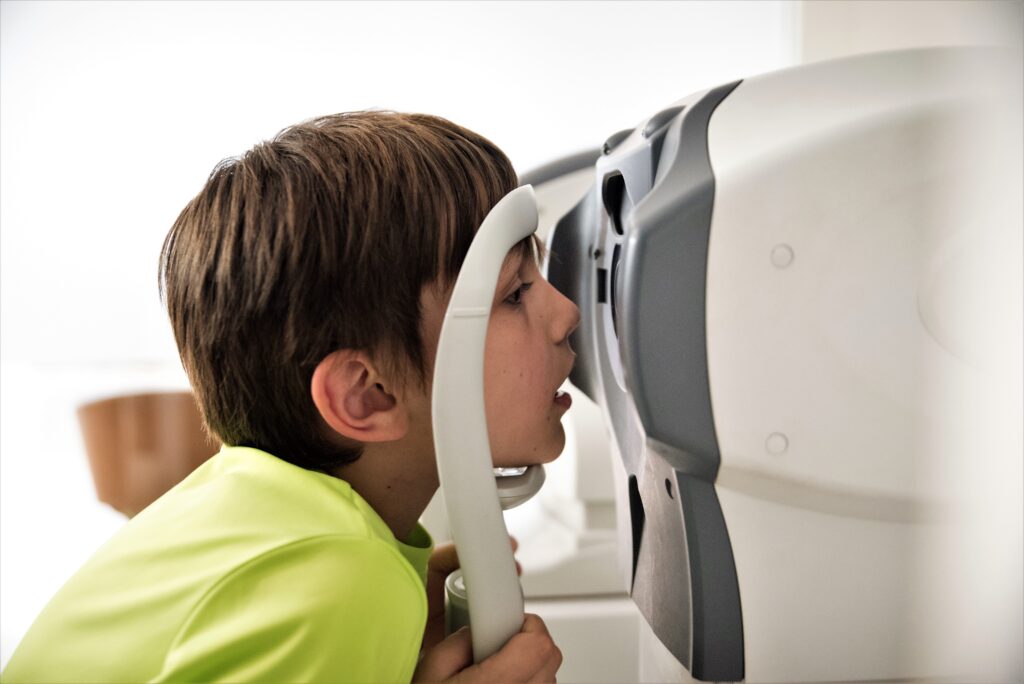
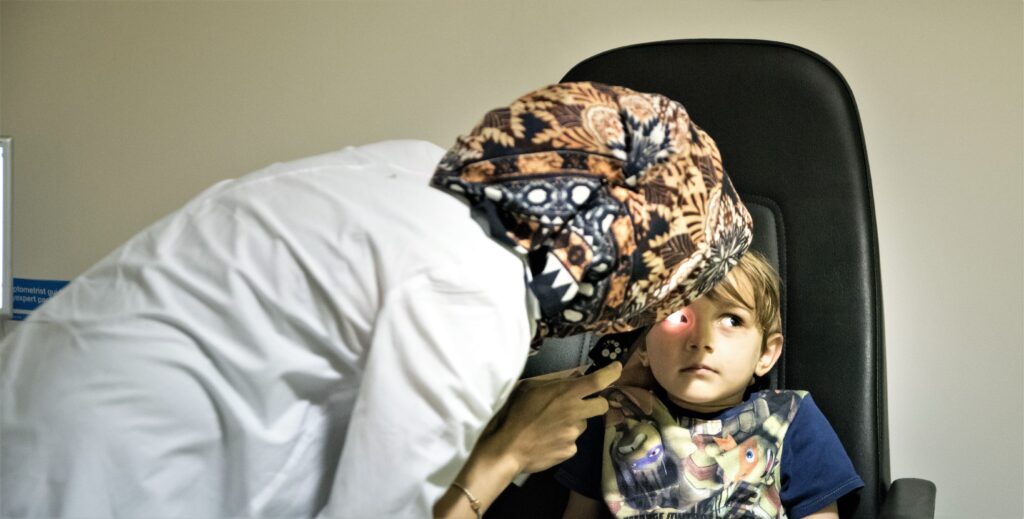
Your child’s eye test will involve shining a light into their eyes to see how they respond to it. The pupil should move with the light. The optician will then check if the child’s eyes respond to a moving object. This will also test if there are any issues with the brain that is sending signals to the eyes.
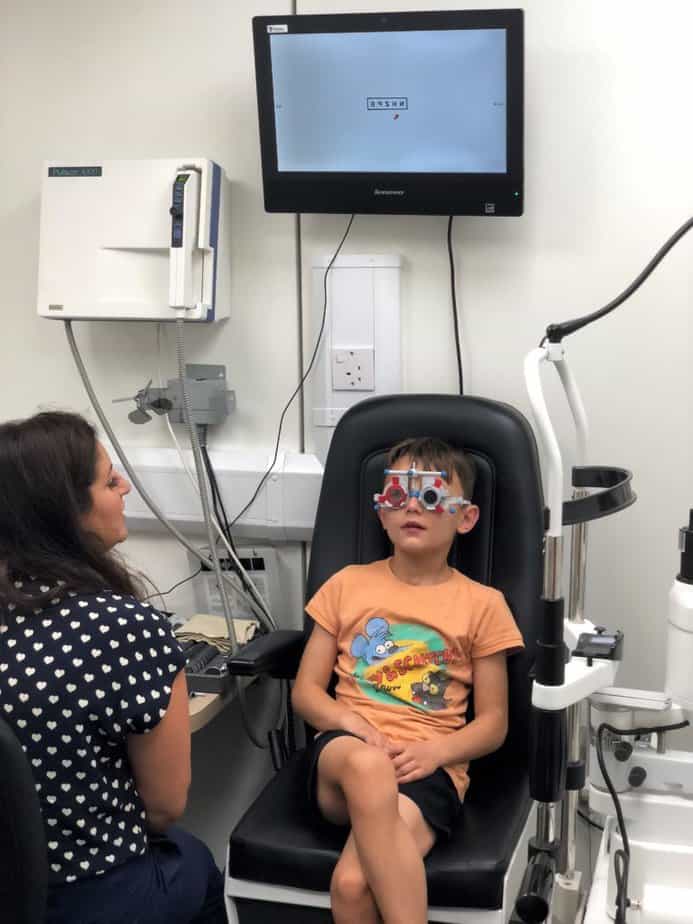
Your child will look at some letters and objects, depending on their age, to see if they can recognise the shapes or if they’re blurry. If the test reveals a problem, your child may need to start wearing glasses* or contact lenses depending on their age and requirements.
What are the next steps?
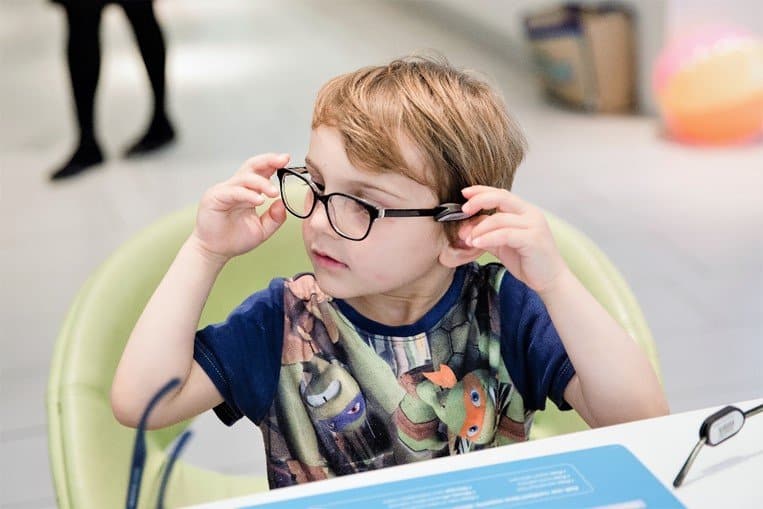
The optician will draw up a prescription and encourage your child to wear glasses or lenses. The optician will advise you on the best kinds of frames required for the lenses your child needs and which will look best. The range is huge these days so you could opt for a fashionable pair of glasses in a theme that your child likes, e.g. a TV program, to encourage them to wear their glasses.
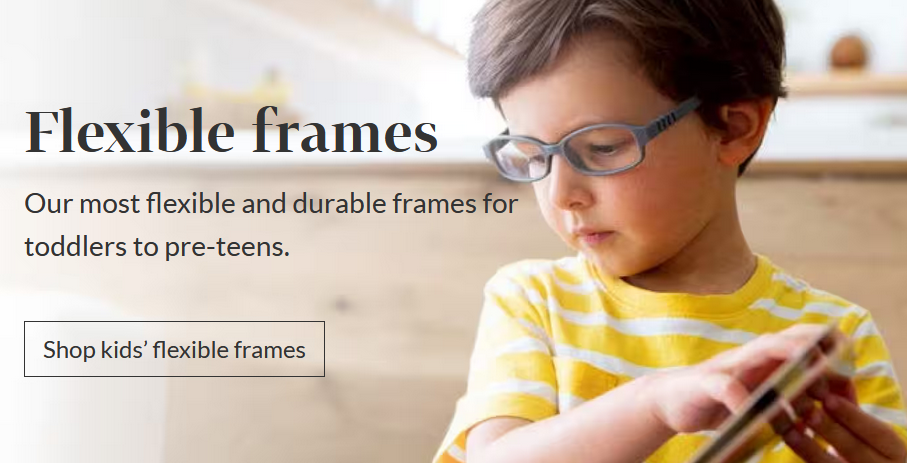
Frames should fit well on children and not be able to peep over the top. They should also be durable enough to withstand your child’s movements. Bands can be worn to keep them on, which is particularly good for active children.
How to spot if your child needs glasses
I noticed quite early on that my eldest needed glasses. His eyes would turn inwards when he was concentrating on a book or the TV, and he would squint to focus on something far away. It was not until he was in reception I realised something needed to be done about his eyesight because he was losing focus in the class and the inward turn in his eye was getting worse.
Recognising signs that your child may need glasses is vital to addressing potential vision problems promptly. Here are some signs and behaviours that might indicate your child is experiencing vision difficulties:
- Squinting: If your child frequently squints, it might be an effort to reduce blur and see clearly.
- Sitting Too Close to Screens: Sitting very close to the television or holding books and devices very close to their face may be a sign that your child is nearsighted.
- Rubbing Eyes Frequently: Frequently rubbing eyes might indicate that your child is experiencing eye strain or fatigue, which can be signs of a vision issue.
- Head Tilting or Turning: Your child might tilt or turn their head to see better if they have astigmatism or if the vision in one eye is different from the other.
- Frequent Headaches: Regular headaches might be a sign of eye strain. If your child’s eyes are working harder than they should be to focus, it could result in headaches.
- Difficulty Concentrating: Trouble concentrating on tasks, especially close-up tasks like reading, might be a sign of vision problems.
- Covering One Eye: If your child covers one eye to see things better, it could be a sign of a lazy eye or other vision issues.
- Trouble with Hand-Eye Coordination: Difficulty with hand-eye coordination during activities such as playing ball games could indicate a vision problem.
- Avoiding Reading or Close Work: If your child avoids activities that require near vision, it might be due to discomfort or difficulty focusing up close.
- Difficulty Following Along in School: If your child is having trouble following along with what’s being written on the board at school, it might be a sign of vision issues.
- Complaints of Eye Discomfort: If your child frequently complains about their eyes hurting or being tired, it could be a sign of eye strain, which might indicate a need for glasses.
- Family History: If there’s a family history of wearing glasses from a young age, it might be more likely that your child will also need glasses.
- Poor Performance in School: Sometimes, a decline in academic performance can be linked to vision problems, as your child might have trouble seeing the board or reading textbooks.
If you notice any of these signs in your child, it’s a good idea to schedule an appointment with your optician who can conduct a comprehensive eye exam to determine if glasses or other interventions are needed. It’s also good practice to have regular eye check-ups to monitor your child’s vision development and address any issues promptly.
The importance of 24/7 eye protection all year around
With my eldest needing glasses full time, it dawned on me that he wasn’t wearing sunglasses to protect his eyes, which meant he would still squint in the sun. After finding a pair which protected his eyes from the sun too, I noticed he started to lose the grey circles around his eyes (most likely from straining as he wasn’t squinting anymore).
If your child needs glasses then it’s important to find a pair which includes full UVA and UVB support. And if your child doesn’t need glasses then it’s important they wear sunglasses to protect their eyes from the sun.
Why do we need to protect our eyes from the sun?
Ultraviolet (UV) radiation is around us every day of the year, even during winter and in overcast conditions. Long-term exposure to UV radiation can damage your skin, causing wrinkles, sunspots and even skin cancers. However, not many people realise that UV exposure can also be harmful to the eyes and the surrounding skin.
To protect our skin, we can wear sun cream. To protect our eyes, we can wear sunglasses, but wearing sunglasses in the summer is not enough to keep your eyes in good health. You should be protecting your eyes from harmful UV radiation all year round.
What exactly is UV radiation?
UV radiation is high-energy radiation that sits between the x-ray and visible light part of the electromagnetic spectrum. Most UV radiation we are exposed to comes from sunlight. Radiation has varying wavelengths, and the one that concerns us the most is UVA. UVA radiation ranges from 315 to 400 nanometers (nm), and a proportion of UV radiation is blocked by the ozone layer.
However, most UVA radiation is transmitted through the ozone layer and reaches us on the ground. Some UV exposure can be beneficial, for example, it triggers Vitamin D production. However, as mentioned above, UV exposure also has harmful effects on the skin and eyes.
UV radiation exposure
Sometimes UV radiation hazards such as artificial light sources can cause immediate damage to the skin and eyes, which heals in time. Most people are exposed to natural UV radiation from the sun every day. The amount of UV radiation your eye is exposed to depends on many factors, including where you live, the amount of time you spend outside and the weather. Unlike for skin, where the risk of UV damage is highest around noon, the peak times for eye exposure are mid-morning and mid-afternoon.
Children’s eyes are particularly susceptible to UV damage because of their larger pupils and more sensitive tissue. However, the effects of UV exposure in childhood do not become apparent until later in life.
Potential damage and disease caused by UV radiation
Damage caused by UV radiation can be divided into chronic and acute injury. Acute damage happens during short, intense UV exposure and can be painful and irritating, resulting in a temporary change to the skin or surface of the eye that will heal completely. Chronic damage is caused by much lower levels of exposure over a long period of time. Chronic damage happens slowly, and people are unlikely to notice any changes occurring. Chronic conditions include:
Photoaging of the eyelids
The long wavelengths of UV radiation penetrate the thickest part of the skin and damage the collagen, causing more wrinkles to appear around the eyes
Skin cancers of the eyelid
Eyelid cancers account for 5 – 10% of all skin cancers, and because of the local anatomy, may easily spread.
Pinguecula
A pinguecula is a thickened deposit of fat, protein and calcium that is visible over the white of the eye. Unless it grows, it usually is only an unsightly cosmetic problem
Melanoma tumours
These are the most common cancers of the eye.
Cataracts
UV radiation can change the lens of the eye, leading to cataracts. The early signs are a loss of contrast and muted colours. Cataracts can severely compromise vision.
Is there a solution? Wear sunglasses
Wearing sunglasses is not always practical or desirable, particularly on cloudy days. Even when it is sunny, 54% of adults across the UK say they never or only sometimes wear sunglasses. This suggests that a large population of Brits are at risk of long-term damage to their eyes. Experts recommend applying sun cream to the eyelids to provide UV protection. Unfortunately, people don’t often apply cream to the eyelids as it can irritate the eye area.
But sunglasses don’t just make you look cool, they also protect your eyes from the powerful sun’s ultraviolet (UV) rays. Sunglasses also protect the very sensitive skin on your eyelids, which prevents wrinkles, eye conditions and, more importantly, skin cancer around the eye.
When buying sunglasses, it is important to ensure they contain 100% UVA and UVB protection. Children require full protection as their larger pupils let more light in.
Many clear plastic lenses do not offer full UV protection
Glasses are able to provide eye and eyelid protection from UV radiation, depending on lens size, lens material and the distance to the face.
Current industry standards for lens manufacturing only require a minimum level of UV protection of up to 380 nanometers (nm). However, the World Health Organization define UV radiation as up to 400 nm, which covers the full UVA range. UV radiation between 380 and 400 nm accounts for almost 40% of the UV radiation that reaches Earth and penetrates the skin more deeply.
Therefore, just providing UV protection to 380 nm means that most clear lenses do not offer full protection from UV radiation up to 400 nm, potentially putting eye health at risk. Manufacturing lenses to provide UV protection up to 400 nm is costly for lens manufacturers, so the ophthalmic industry has continued to manufacture lenses according to the minimum requirement of UV protection up to 380 nm.
Teens and tweens: navigating screen time and eye health as they get older

Navigating teens’ and tweens’ screen time and protecting their eye health in this digital age can indeed be challenging. Here are some tips on how to talk to your teen about how to enhance eye care:
Educate them and keep the dialogue open
Your teen/tween needs to learn about the potential risks of prolonged screen time, including digital eye strain, which can cause symptoms like dry eyes, blurred vision and headaches. Engage in open discussions about incorporating breaks and maintaining a balanced lifestyle that includes time away from screens.
Create a balanced schedule
Encourage your teen/tween to take regular breaks from the screen, using the 20-20-20 rule; every 20 minutes, take a 20-second break to look at something 20 feet away. Also motivate them to do some form of physical outdoor activity, which not only gives them a break from the screens, but it’s also beneficial for their overall health.
Setup their room ergonomically
Make sure your child’s room is well-lit to reduce glare on the screens, which can cause eye strain and position the screen at least an arm’s length away from where they sit. Keep the top of the screen at a slightly below eye level to reduce strain.
Use the right tools and technology
Consider investing in blue light glasses, which can help to reduce exposure to blue light emitted by screens and use screen filters or adjust screen settings to reduce blue light emission from digital devices.
Go for regular medical check-ups
Go for regular eye lens exams to monitor eye health, so you can address issues promptly and seek medical advice if your tween/teen complains of eye discomfort or other symptoms of eye strain.
Lead by example
Model healthy behaviour by taking regular breaks from the screen yourself and balancing screen time with other activities.
Set boundaries and encourage other hobbies
Encourage your teen/tween to pursue other hobbies that don’t involve screens, such as reading physical books, painting, playing a musical instrument or participating in sports. Then work with your teen/tween to set reasonable boundaries for screen time use. Establish screen-free times like during dinner and screen-free zones like the bedroom. Then encourage periodical digital detoxes, where your child takes a break from screens completely for a longer period to reset and recharge.
Adults: maintaining eye health as you age
It may be easy to take your eyes for granted while you’re young, but as your body starts to age, your diet and lifestyle will start to show on the outside. Don’t take your eyes for granted. Maintaining eye health as you age is essential to preserving good vision and overall quality of life. Check out the tips below on how to improve your eyesight now.
Eat well

The World Health Organization’s report on vision predicts a dramatic increase in the need for family eye care in the coming decades with at least 1 billion people having a vision impairment that could have been prevented or addressed. To make matters worse, research suggests that nearly four in ten Brits have a medical condition that impacts their vision.
However, only a third of Brits are achieving their 5-A-Day of fruit and vegetables according to the government’s National Diet and Nutrition Survey, meaning two-thirds of the nation could be short of nutrients including essential vitamins and minerals for our eye health and vision, including the three macular carotenoids, B2, Vitamin C, Vitamin E, copper, zinc and omega-3 – found in foods including oysters to orange peppers and kale to kiwis.
You’ve heard of the saying, ‘Carrots make you see in the dark,’ and this is true to an extent. Carrots won’t make you have supervision at night, but they do contain retinol or vitamin A, which is required to help your body synthesise rhodopsin, the pigment in your eyes that works during low-light conditions. If you are deficient in vitamin A, then your vision at night will get worse and you may even end up with night blindness (nyctalopia).
Other nutrients like Vitamins C and E, lutein, zinc and omega-3 fatty acids, also help to ward off age-related vision problems like cataracts and macular degeneration. Some great foods to incorporate into your diet are:
- Green leafy vegetables like collard greens, kale and spinach
- Seeds, beans and other non-meat protein sources
- Citrus fruits and juices, like oranges and lemons
Vitamins and Important for eye health
| Nutrient | NRV* | Role in eye health | Dietary Sources |
| Vitamin C | 80mg | Helps contributes to the protection of cells from oxidative stress; needed to produce collagen which protects eye structure; collagen levels reduce with age, making it more important | Berries, kiwi, red and green peppers, tomatoes, citrus fruit, broccoli, spinach |
| Vitamin E | 12mg | Contributes to the protection of cells from oxidative stress | Helps the retina receive and process light entering the eye; deficiency can disrupt retinal function and increase the risk of cataracts |
| Vitamin B2 | 1.4mg | Helps the retina receive and process light entering the eye; deficiency can disrupt retinal function and increase the risk of cataract | Liver, kidneys, fortified breakfast cereals, meat, milk, some green vegetables, eggs, cheese, yeast extracts |
| Zinc | 10mg | Responsible for transporting vitamin A from the liver to the eye to produce melanin, a protective pigment in the eyes; helps maintain the health of the retina, cell membranes and protein structures of the eye; deficiency has been linked to poor night vision and cloudy cataracts | Red meat, poultry, oysters and other seafood, nuts, dried beans, soy foods, milk and other dairy products, whole grains, fortified breakfast cereals |
| Copper | 1mg | Essential for the functioning of the retina and for antioxidant defence | Whole grain products, liver, most seafood, dried beans and peas |
*Nutrient Reference Values (NRVs) are EU guidance levels on the daily amount of a vitamin or mineral that the average healthy person needs to stay healthy.
Maintain a healthy weight
Maintain a healthy weight as being overweight increases the risk of diabetes which can lead to vision loss and diabetic retinopathy.
Exercise regularly
Regular exercise is essential to good health, and research suggests that aerobic exercise can increase crucial oxygen supplies to the eye.
Exercise does wonderful things to the mind, body and soul. So, it’s no surprise that exercising contributes quite significantly to improving eyesight naturally. Exercising can also reduce the risk of sight loss – up to 70 per cent in fact! Ensure you get your 30 minutes a day of heart-pumping activity, by taking a walk around the park or enjoying a bit of yoga and meditation. Whatever you decide, make sure it gets the heart racing and the blood circulating oxygen around the body for the exercise to count.
You can also incorporate eye exercises into your regime and one of the most effective exercises is to focus gently on the furthest away objects while you’re out and about to strengthen your eyes. Ask your optician for more information on effective exercises for improving eyesight naturally.
Stop smoking
Smoking is as bad for your eyes as it is for your lungs and can actually double the risk of developing age-related eye diseases. Smoking, surprisingly, is also the UK’s leading cause of sight loss! Speak to your GP about stopping smoking now because quitting can improve vision almost immediately.
Always protect your eyes from the sun
The World Health Organization estimates that ultraviolet exposure is responsible for at least 20% of cataracts globally. UV rays age every part of the eye and are a risk factor for eye health issues that can be irreversible and may result in vision loss. Be sure to get a pair of sunglasses that offers UVA, UVB and UVC protection and wear a hat in strong sunlight.
Wear sunglasses which have 100% UVA and UVB protection, as prolonged UV exposure can increase the risks of cataracts and macular degeneration. Wear safety eyewear when engaged in activities that could pose a risk to your eyes, like gardening or home repairs.
Take regular breaks from the screen
Follow the 20-20-20 rule with screentime, i.e. take a 20-second break every 20 minutes and focus on something 20 feet away to reduce eye strain. Adjust lighting in the room where you are using screens to minimise glare and reflections on the screen.
Rest your eyes

It can be quite easy to develop eye fatigue and dry eye, especially if you forget to blink when you’re staring at the computer screen or if you’re focussing on one thing for a long stretch of time. There is such a term as digital eye now thanks to long-term screen use which causes a huge amount of eye strain and damages the muscles long-term. Try out the 20-20-20 rule to reduce eye strain and limit the onset of headaches, as well as future eye problems.
See your optician for regular checkups
Continue with getting regular routine eye examinations. As you age, these check-ups will become more frequent as many eye diseases are age-related. Ensure your glasses or contact lens prescriptions are up to date to prevent necessary eye strain.
Be vigilant
Be observant! If you notice any changes in your vision, blurriness, blind spots, or any other vision irregularities, consult an optician immediately. Know the symptoms of glaucoma, macular degeneration and cataracts. Early prevention can slow progression and preserve vision.
In today’s world, where screens and visual stimuli are ever-present, prioritising eye health from pregnancy to adulthood is crucial. Establishing a robust vision care routine at home lays a foundation for lifelong vision health. With the right tools and knowledge, you can foster an environment that prioritises eye health at every stage of life.
Remember, the gift of clear vision is irreplaceable, and with consistent care, it’s one that can last a lifetime.
Frequently asked questions about child and family eye care
If both the parents have spectacles will their children eventually need specs too?
If both parents wear glasses, there is a higher likelihood that their children may also need them at some point in their lives due to genetic factors. However, it’s not a guarantee. Eye refractive errors, like myopia (nearsightedness), hyperopia (farsightedness), and astigmatism, can have hereditary components. If both parents have similar refractive errors, the probability their children might also experience these conditions tends to increase.
But genetics is just one piece of the puzzle. Environmental factors play a significant role in determining whether a person will need corrective lenses and whether there are options available for hyperopia and myopia control. For instance:
- Prolonged Near Work: Spending extended periods reading or using electronic devices without breaks can increase the risk of myopia.
- Lack of Outdoor Activity: Some studies suggest that spending time outdoors during childhood can reduce the risk of developing myopia.
- Diet and Overall Health: Nutritional factors and overall health can also play roles in eye development and health.
- Eye Injuries or Diseases: Situations like eye injuries or specific eye diseases can necessitate the use of corrective lenses, irrespective of genetic factors.
Can vision therapy benefit a child with a learning disability?
Vision therapy, sometimes referred to as visual training or orthoptics is a customised program of visual activities designed to correct specific vision problems and improve visual skills. While vision therapy cannot treat learning disabilities directly, it can address visual issues that might be contributing to a child’s learning challenges.
It’s essential to note that while vision problems can contribute to learning difficulties, they are not the sole cause of learning disabilities. A comprehensive approach that involves educators, optometrists, therapists, and other professionals is often the most effective way to support a child with learning disabilities.
If you suspect your child’s learning difficulties might be linked to a vision problem, it’s crucial to have a comprehensive eye exam with a focus on functional vision assessment. If visual issues and an eye disease diagnosis are identified, a developmental optometrist or a vision therapist can provide more information about the potential benefits of vision therapy.
Resources
Markettiers survey, August 2018 and https://www.statista.com/statistics/281174/uk-population-by-age/[2] Markettiers survey, August 2018[3] Markettiers survey, August 2018
Zheng Y, et al. (2011) Literacy is an independent risk factor for vision impairment and poor visual functioning Invest Ophthalmol Vis Sci, 52(10): 7634-9[5] Markettiers survey, August 2018[6] Markettiers survey, August 2018
Initiated, funded and reviewed by Alliance Pharmaceuticals Ltd. Contains information relating to Alliance products.
https://www.who.int/publications/i/item/9789241516570
Global Perspectus Omnibus Research Poll; August 2023; 1,011 consumers questioned; data on file
https://www.gov.uk/government/publications/great-britain-nutrition-and-health-claims-nhc-register
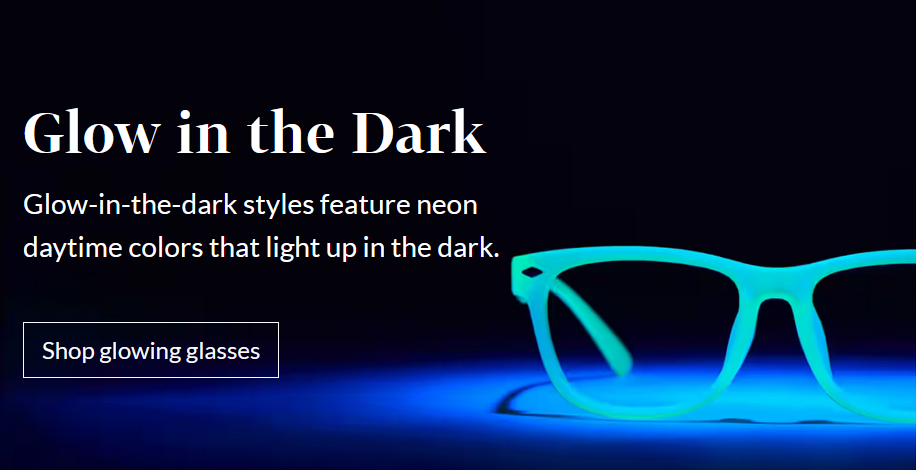
*This post is sponsored by Zenni Optical, but all thoughts and opinions are 100% my own.
*Links marked with a ‘*’ are affiliate links, which means I may earn a small commission if you click through to buy, at no extra cost to you.