Cool ideas for hot days: How to keep toddlers busy when you’re stuck inside
When the summer sun is blazing and outdoor play isn’t an option, parents everywhere face the challenge of keeping energetic toddlers entertained indoors. As a mother of four who founded 365 Days of No Screens, I understand the struggle of maintaining sanity while keeping little ones engaged and happy without relying on screen time.
But hot days stuck inside can be just as fun and enriching with a bit of creativity—and a few clever tricks up your sleeve. According to the American Academy of Pediatrics, play is not frivolous: it enhances brain structure and function and promotes executive function, which allows us to pursue goals and ignore distractions. Whether you’re looking to foster imaginative play, encourage sensory exploration, or simply create a cosy environment for your little one, these cool ideas will help you make the most of those long, hot afternoons.
Through my work at 365 Days of No Screens, I’ve helped thousands of families discover that screen-free activities aren’t just possible—they’re often more engaging and developmentally beneficial than digital alternatives. These indoor activities have been tested by real families and proven to keep toddlers happily occupied while supporting their growth and development.
Creating the perfect indoor play environment
Safety First: Essential Considerations
Before diving into activities, ensure your play space is toddler-proofed. Remove small objects that pose choking hazards, secure furniture to walls, and keep cleaning supplies out of reach. Check your space at toddler eye-level to identify potential dangers.
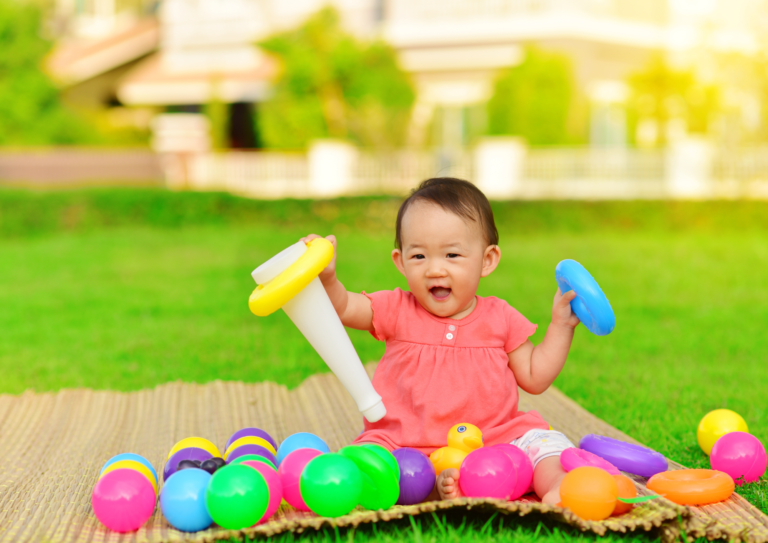
Start by setting the stage for indoor adventures. A perfect braided rug isn’t just a stylish addition to your living room or play area—it’s also a soft, safe surface for crawling, tumbling, and all sorts of toddler antics. The tactile texture of a braided rug invites little hands and feet to explore, while its durability withstands spills, snacks, and endless play sessions.
Pro Tip from Experience: Choose a rug in cheerful colours or playful patterns to brighten up your space and create a designated play zone that feels special and inviting. After testing numerous rugs with my own children, I recommend selecting ones with low pile height to prevent tripping and make cleanup easier.
Sensory play: endless sensory fun for development
Sensory bins are a parent’s secret weapon for indoor entertainment, and the possibilities are nearly endless when it comes to bin fillers. Research shows that sensory play supports brain development, enhances memory, calms anxiety, and improves fine motor skills—making these activities both fun and educational. These bins encourage exploration, creativity, and fine motor skills—all while keeping messes contained (mostly!).
Here are some favourite sensory bin fillers for toddlers:
Age-appropriate sensory bin fillers
For 12-18 months:
- Dry pasta or rice: Easy to scoop, pour, and sift
- Large wooden blocks: Perfect for cause-and-effect learning
- Fabric scraps: Various textures for tactile exploration
For 18-24 months:
- Pom-poms: Soft, colourful, and perfect for sorting by colour
- Oats or cereal: Safe for little ones who still mouth objects
- Cotton balls: Great for gentle tactile play and pincer grasp development
For 2-3 years:
- Water beads (supervised): Provide a cool, squishy sensation
- Large buttons: For sorting and early math skills
- Kinetic sand: Moldable and mess-contained sensory experience
Safety Warning: Always supervise sensory play, especially with children under 3. Remove any items that could pose choking hazards, and clean up spills immediately to prevent slipping.
Add cups, spoons, or small toys to extend the play. For a themed experience, try creating a “beach day” bin with kinetic sand, seashells, and plastic sea creatures, or a “construction site” with dried beans and toy trucks. If you enjoy themed sensory play setups, these bins can be easily adapted to match your toddler’s current interests.
Expert-recommended sensory activities
Through my years of creating screen-free activities, I’ve found these sensory experiences to be particularly engaging:
Water Play Station Set up a shallow bin with warm water, cups, and floating toys. This activity supports hand-eye coordination and provides natural temperature regulation during hot days.
Texture Exploration Boards Create boards with different textures: sandpaper, velvet, bubble wrap, and corrugated cardboard. This supports tactile discrimination skills, which are crucial for later learning.
Imaginative play stations: building creativity and social skills
Indoor days are the perfect opportunity to encourage pretend play, which child development experts recognise as fundamental for emotional and social development. Peter Gray’s research in “Free to Learn” shows that imaginative play helps children process experiences, develop empathy, and build problem-solving skills.
Evidence-Based Play Ideas:
Set up a mini “grocery store” with empty food containers, a play cash register, and a shopping bag. This activity teaches:
- Basic math concepts (counting, money)
- Social interaction skills
- Real-world connection and understanding
Or, create a cosy reading nook with a stack of picture books and a few plush pillows. Reading together supports language development and emotional bonding. The American Academy of Pediatrics emphasises that reading and play support the formation of safe, stable, and nurturing relationships with caregivers that children need to thrive.
You can even transform a cardboard box into a rocket ship, puppet theatre, or playhouse—let your child’s imagination lead the way. Research indicates that open-ended materials, such as cardboard boxes, foster more creative thinking than structured toys.
DIY play kitchen benefits
Creating a play kitchen area supports:
- Fine motor skill development through pouring and stirring
- Math skills through measuring and counting
- Language development through descriptive play
- Independence and confidence building
Creative art projects: supporting fine motor development
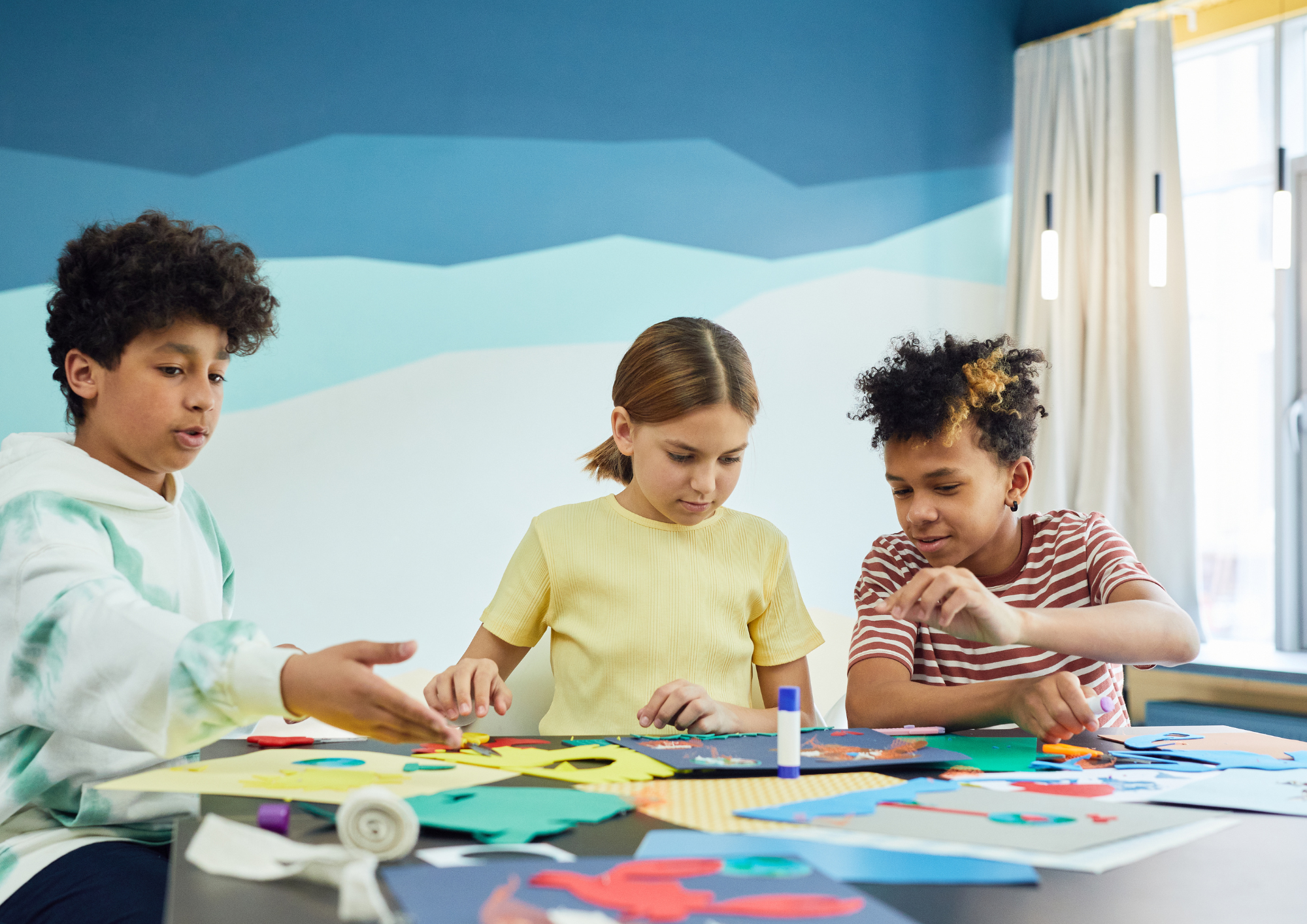
Bring out the art supplies and let your toddler experiment with crayons, finger paints, or washable markers. Art activities support hand strength, pincer grasp development, and creativity—all crucial for later writing skills.
Age-Appropriate Art Activities:
12-18 months:
- Large crayons and paper taped to the highchair tray
- Finger painting with edible paints (recipe below)
- Water painting on construction paper
18-24 months:
- Stamping with sponges and washable paint
- Sticker collages on contact paper
- Playdough exploration (supervised)
2-3 years:
- Simple cutting with safety scissors
- Painting with brushes of various sizes
- Creating patterns with stamps
Tape a large piece of paper to the floor or table to create a mural, or use sponges and stamps for mess-free fun. For a sensory twist, try painting with brushes dipped in water on construction paper, or make homemade playdough using flour, salt, and water.
Safe, edible paint recipe
Perfect for toddlers who still explore with their mouths
- 1 cup flour
- 1 cup water
- Food coloring
- 1 tablespoon salt (preservative)
Mix ingredients until smooth. Store in refrigerator for up to one week.
Movement and music: supporting gross motor development
Physical activity is crucial for toddler development, supporting not just physical health but also cognitive function and emotional regulation. The CDC recommends that preschoolers (3-5 years) should be physically active throughout the day, while the WHO recommends that toddlers (1-2 years) get at least 180 minutes of physical activity daily.
Burn off energy with a toddler dance party! Play your child’s favourite songs and encourage them to move, jump, and wiggle. Research shows that music and movement activities support:
- Coordination and balance
- Rhythm and timing skills
- Emotional expression and regulation
- Language development through song lyrics
Set up a simple obstacle course using pillows, chairs, and floor coverings as a landing pad. You can also play classic games like “Simon Says” or “Freeze Dance” to keep things lively while building listening skills and body awareness.
Indoor movement ideas by age
12-18 months:
- Crawling through tunnels (made from sheets)
- Walking along tape lines on the floor
- Dancing with scarves or ribbons
18-24 months:
- Simple jumping on safe surfaces
- Marching to music
- Throwing soft balls into baskets
2-3 years:
- Balancing on low, stable surfaces
- Hopping on one foot
- Following multi-step movement commands
DIY indoor obstacle course: building confidence and skills
Arrange cushions, tunnels, and low furniture to create a safe obstacle course. This type of play is endorsed by pediatric physical therapists for developing gross motor skills and providing a healthy outlet for pent-up energy.
Safety Checklist for Indoor Obstacles:
- Ensure all furniture is stable and won’t tip
- Use only soft materials for landing areas
- Clear pathways of hard or sharp objects
- Supervise all climbing activities
- Start simple and gradually increase difficulty
Use painter’s tape to mark “balance beams” or “hopscotch” squares on the floor for extra fun. This type of floor marking is safe for most surfaces and easily removable.
Developmental Benefits:
- Improves balance and coordination
- Builds confidence in physical abilities
- Supports spatial awareness
- Provides proprioceptive input (body awareness)

Quiet time activities: The importance of rest and regulation
Even the busiest toddlers need downtime, and research shows that quiet activities support emotional regulation and prepare children for better sleep. Child development experts recommend incorporating 15-30 minutes of quiet time into daily routines.
Build a blanket fort together, snuggle up with a favourite stuffed animal, or listen to a calming audiobook. These activities support:
- Emotional bonding between parent and child
- Language development through story exposure
- Imagination and creativity
- Stress reduction and calming
Sensory bottles filled with glitter, water, and small trinkets can provide a mesmerising focal point for quiet moments. These bottles support visual tracking skills and provide self-soothing opportunities.
DIY calm-down kit
Create a special box containing:
- Soft textures (velvet squares, stress balls)
- Calming scents (lavender sachets)
- Quiet activities (books, puzzles)
- Comfort items (small stuffed animals)
Screen-free success: my experience and resources
As the founder of 365 Days of No Screens, I’ve dedicated my work to proving that children thrive without constant screen entertainment. My website offers daily screen-free activity ideas and resources to help families reduce screen dependence while increasing meaningful play and connection.
Through my platform, I provide:
- Daily no-screen activity suggestions
- Free activity calendars and printables
- Age-appropriate activity guides
- Community support for screen-free parenting
The activities I share aren’t just theoretical—real families test them in real situations. My four children have been my primary test subjects, and every activity recommendation comes from hands-on experience of what actually works to keep children engaged, learning, and happy.
Troubleshooting common indoor day challenges
“My toddler gets bored quickly” Rotate activities every 15-20 minutes. Toddlers have short attention spans, and variety helps maintain high engagement. I recommend preparing 3-4 activities in advance and switching between them as needed.
“The mess is overwhelming” Set up designated play areas with easy-to-clean surfaces. Involve your toddler in cleanup as part of the activity—this teaches responsibility and life skills. Consider using a large sheet or tarp under messy activities for easy cleanup.
“I’m running out of ideas” Create an activity jar with written ideas. When inspiration strikes, add new ideas to pull from during challenging moments. Visit 365daysofnoscreens.com for fresh inspiration and daily activity suggestions.
“My child is still restless” Ensure adequate physical activity is included. Many behavioural challenges stem from unmet movement needs. Try incorporating more gross motor activities into your daily routine.
Frequently asked questions
Q: How long should indoor activities last for toddlers? A: Most toddlers can focus for 10-20 minutes on structured activities. Follow your child’s cues and switch activities when interest wanes.
Q: Are these activities safe for children with allergies? A: Always check ingredients in sensory materials and art supplies. Substitute known allergens with safe alternatives, such as using oat flour instead of wheat flour for playdough.
Q: How can I make indoor time educational? A: Incorporate counting, colours, shapes, and letters naturally into play. Comment on what your child is doing to build language skills. Remember that the play itself is a learning experience for toddlers.
Q: What if I don’t have many supplies? A: Many activities use common household items. Empty containers, kitchen utensils, and cardboard can provide hours of entertainment. Check my website for DIY activity ideas using everyday items.
The long-term benefits of quality indoor play
Research consistently shows that high-quality play experiences during toddlerhood support:
- School readiness skills
- Social-emotional development
- Problem-solving abilities
- Creativity and innovation
- Stress management skills
Hot days indoors don’t have to mean boredom or chaos. With some imagination and understanding of child development principles, you can transform your home into a haven of fun, learning, and connection. Embrace the opportunity to slow down, get creative, and make lasting summer memories—no sunscreen required.
Remember, the most important ingredients in any activity are your presence and engagement. Children learn best through interaction with caring adults, so take advantage of these precious moments of connection and discovery together.
From my experience helping thousands of families create screen-free environments, I can confidently say that the investment in creative indoor play pays dividends in children’s development, behaviour, and family bonding. These activities aren’t just time-fillers—they’re building blocks for your child’s future success and happiness.
About the Author: Leyla Preston is the founder of 365 Days of No Screens, a resource dedicated to helping families create meaningful, screen-free experiences for children. As a mother of four, she has firsthand experience in keeping children engaged and learning without relying on digital entertainment. Her website provides daily activity ideas, free resources, and community support for parents seeking to reduce screen time while enriching their children’s development.
Medical Disclaimer: This content is for informational purposes only and should not replace professional medical or developmental advice. Always consult with your paediatrician regarding your child’s specific needs and development.
Sources and References:
- Yogman, M., Garner, A., Hutchinson, J., et al. (2018). The Power of Play: A Pediatric Role in Enhancing Development in Young Children. Pediatrics, 142(3).
- Gray, P. (2013). Free to Learn: Why Unleashing the Instinct to Play Will Make Our Children Happier, More Self-Reliant, and Better Students for Life. Basic Books.
- Centers for Disease Control and Prevention. (2024). Physical Activity Guidelines for Children and Adolescents.
- World Health Organization. (2019). Guidelines on Physical Activity, Sedentary Behaviour and Sleep for Children Under 5 Years of Age.
*Collaborative feature post*