Postpartum core workout tips to rebuild your foundation
Bringing a new life into the world is a miraculous experience that changes your body in many ways, including weakening your core muscles! But creating a postpartum core workout and rebuilding your foundation will help you regain strength and stability, and boost your overall wellbeing after childbirth too.
Below is a guide to regaining core strength postpartum where we will explore core-strengthening exercises tailored specifically for postpartum mums.
Remember, every woman’s postpartum recovery is unique, and it’s important to listen to your body and consult with your healthcare provider or a certified postpartum fitness specialist before starting any exercise program. They can provide guidance specific to your individual needs and help you develop a safe and effective postpartum belly workout.
Your postpartum core recovery program starts here!
The importance of core strengthening – Postpartum core workout changes and challenges
As a new mum, the abdominal muscles and pelvic floor muscles, which form the core, experience stretching and weakening. These changes can lead to issues like lower back pain, weakened posture, and decreased core strength.
The benefits of core-strengthening exercises
Postpartum ab exercises offer several benefits, including restoring core muscle strength, improving posture, enhancing stability, alleviating back pain, and providing a solid foundation for other physical activities. Incorporating these exercises into your routine can lead to a stronger and healthier postpartum body.
When to start postpartum exercise to reduce tummy: Mustdo exercises for early postpartum core recovery
You must consult with your GP before starting any postpartum exercise routine, especially if you had a complicated delivery or you’re experiencing any specific health concerns. However, once you’ve received clearance, you can begin gentle exercises in the early postpartum period to support core recovery and reduce tummy size.
Understanding the postpartum recovery timeline
Please respect your body’s healing process after childbirth. Try to start with gentle exercises during the early postpartum period (typically the first six weeks), to avoid excessive strain.
Here are some must-do exercises for early postpartum core recovery, but consult with your healthcare provider first to make sure you’re ready for exercise.
Postpartum recovery ab exercises beginner – up to two weeks postpartum
Here are some postpartum core restoration exercises that you can do up to two weeks postpartum:
Postpartum core workout No. 1 – Transverse abdominal muscle engagement
The transverse abdominal muscles, the deepest layer of the abdominal muscles, wrap around the abdomen like a corset and support the spine and pelvis – and they’re important for core stability too. Engaging these muscles through postpartum core exercises like the “abdominal hollowing” technique can help rebuild core strength gradually. You can also perform transverse abdominal exercises like heel slides, abdominal compressions, or gentle pelvic tilts while focusing on proper alignment and activating the deep core muscles.
How to do transverse abdominal breathing and core connection
Transverse abdominal breathing core connection (TAB) also known as deep core or diaphragmatic breathing, is a great exercise to reconnect with and strengthen your core muscles postpartum. It can also help to improve posture and reduce the risk of diastasis recti, a condition in which the abdominal muscles separate.
To do TAB, lie on your back with your knees bent and your feet flat on the floor. Place your hands on your lower abdomen, just above your hip bones. As you inhale, breathe deeply into your belly, allowing your abdomen to expand. As you exhale, gently draw your belly button in towards your spine.
You can do TAB for 10-15 repetitions, or for as long as you feel comfortable. Breathe slowly and naturally and to avoid holding your breath.
Here are some tips for doing TAB correctly:
- Keep your back pressed into the floor throughout the exercise.
- Do not allow your lower back to arch.
- Breathe slowly and naturally.
- Avoid holding your breath.
TAB is a gentle exercise, but if you have any pain, stop the exercise and talk to your doctor immediately.
Postpartum core workout No. 2 – Postpartum core and pelvic floor exercises
The pelvic floor muscles play a vital role in core stability. Gentle pelvic floor exercises, such as Kegels, can help strengthen these muscles and aid in postpartum recovery.
Pelvic floor exercises involve contracting and relaxing the muscles used to control urination. Squeeze and hold the muscles for a few seconds, then release. Gradually increase the duration and intensity of the contractions over time.
Postpartum core workout No. 3 – Dead bug
This exercise helps to strengthen your core and improve your posture. Lie on your back with your knees bent and your feet flat on the floor. Place your arms at your sides, palms down. Slowly raise your arms and legs off the floor, keeping your back pressed into the ground. Hold for a few seconds, then lower your arms and legs back down.
Postpartum core workout No. 4 – Abdominal compressions
Lie on your back with your knees bent. Place your hands on your abdomen, just above your belly button. Take a deep breath in, and as you exhale, gently press your hands into your abdomen, feeling your deep abdominal muscles engage. Hold for a few seconds and then release. Repeat this several times.
Postpartum core workout No. 5 – Gentle walking
Walking is a low-impact exercise that helps improve circulation, promotes healing, and boosts mood. Start with short walks around your house or neighbourhood, then gradually increase the duration and intensity as you feel comfortable.
Two to four weeks postpartum with your doctor’s approval
Once you have received clearance from your healthcare provider, you can gradually progress to more specific core exercises two to four weeks postpartum. It’s important to start with gentle exercises that focus on reconnecting with the core muscles and promoting stability. Here are some core exercises you can consider during this period:
Postpartum core workout No. 6 – Pelvic tilts
This exercise helps to strengthen your pelvic floor muscles and improve your posture. Get on your hands and knees, making sure your back is straight. Tilt your pelvis forward, tucking your tailbone under. Hold for a few seconds, then tilt your pelvis back, rounding your back. Repeat 10 times.
Postpartum core workout No. 7 – Modified bridge pose
Lie on your back with knees bent and feet flat on the floor. Inhale deeply, and as you exhale, lift your hips off the ground, engaging your glutes and core. Hold for a few seconds, then slowly lower your hips back down. Focus on maintaining stability and avoiding excessive arching of the lower back.
Postpartum core workout No. 8 – Bird dog exercise
Begin on all fours with your hands directly under your shoulders and knees under your hips. Engage your core muscles, then extend your right arm forward and left leg backward. Hold for a few seconds, then do the same with the alternating leg and arm. Focus on maintaining stability and keeping your spine aligned throughout the movement.
Postpartum core workout No. 9 – Side-lying leg lifts
Lie on your side with your legs extended and stacked on top of each other. Engage your core muscles and lift the top leg to a comfortable height, then lower it back down. Repeat on both sides. This exercise targets the hip abductors and outer thighs.
Four to six weeks postpartum
During the four to six-week postpartum period, continue focusing on gentle ab exercises that help reconnect with and strengthen the core muscles. Here are some ab exercises you can consider during this period:
Postpartum core workout No. 10 – Modified crunches
Start with modified crunches by lying on your back with knees bent and feet flat on the floor. Place your hands behind your head. Exhale as you lift your head and shoulders off the ground, and inhale as you lower back down. Focus on engaging your core muscles and avoiding straining the neck or upper body.
Postpartum core workout No. 11 – Seated or standing oblique twists
Sit or stand with your feet shoulder-width apart. Place your hands on your hips or hold a small weight or medicine ball. Rotate your torso from side to side, focusing on engaging your oblique muscles. Start with small movements and increase the range of motion as you feel comfortable.
Always pay attention to your body and modify exercises as needed. Start with a few repetitions of each exercise and gradually increase over time. If you experience any pain, discomfort, or unusual symptoms during or after exercise, stop and talk to your doctor. They can provide personalised guidance and recommendations based on your individual recovery progress.
Progressing to intermediate exercises – Gradual progression is key
Once your body has had sufficient time to heal, you can gradually progress to intermediate core-strengthening exercises. Be patient and listen to your body’s signals to avoid overexertion or injury.

Six to eight weeks postpartum
Between six to eight weeks postpartum, you can gradually increase the intensity and complexity of your ab exercises as your body continues to heal and gain strength. Here are some ab exercises you can consider during this period:
Postpartum core workout No. 12 – Planks and modified plank variations
Planks are excellent for strengthening the entire core. Start with modified versions, such as knee planks or forearm planks, and gradually increase the duration and difficulty as your strength improves.
As you get stronger, you can progress to full planks on your hands and toes. Make sure you have proper form, engaging your core muscles and maintaining a straight line from head to heels. Hold the position for a few seconds and gradually increase the time as you get stronger.
Postpartum core workout No. 13 – Bridge pose
Bridges target the glutes, lower back, and abdominal wall muscles. They help improve hip stability, strengthen the core, and relieve lower back pain. Start with basic bridges and progress to single-leg or stability ball variations.
Lie on your back with knees bent and feet flat on the floor. Inhale deeply, and as you exhale, lift your hips off the ground, engaging your glutes and core. Hold for a few seconds, then slowly lower your hips back down. Focus on maintaining stability and avoiding excessive arching of the lower back.
Postpartum core workout No. 14 – Leg raises
Lie on your back with your legs extended. Engage your core muscles and lift your legs off the ground, bringing them towards the ceiling. Lower your legs back down with control. Start with single leg raises and progress to double leg raises as your strength improves.
Postpartum core workout No. 15 – Reverse crunches
Lie on your back with knees bent and feet flat on the floor. Place your hands on the floor beside you or under your hips for support. Exhale as you lift your hips off the ground, bringing your knees towards your chest. Inhale as you lower your hips back down with control.
Remember to pay attention to your body and modify exercises as needed. If you experience any pain, discomfort, or unusual symptoms during or after exercise, stop and talk to your doctor.
Postpartum recovery ab exercises advanced – Build on a solid foundation
Once you feel comfortable with intermediate exercises, you can incorporate advanced core-strengthening exercises into your routine. These exercises challenge your core stability and help you reach higher levels of strength and fitness.
Postpartum core workout No. 16 – Pilates and yoga
Pilates and yoga are excellent options when looking for ab exercises for after pregnancy. These practices focus on controlled movements, breathwork, and engaging the deep core muscles, providing overall strength and flexibility.
Postpartum core workout No. 17 – Functional exercises
Functional postpartum core exercises mimic movements we perform in everyday life. Incorporating exercises like squats, lunges, and deadlifts can further challenge your core muscles and improve overall functional strength.
The role of pre-workout stacks
While doing an abdominal exercise postpartum is essential, sometimes you may also need an extra boost to get the most out of your workouts. So think about understanding pre-workout stacks with Barbend. Pre-workout supplements, or “stacks,” enhance athletic performance by providing energy, focus, and endurance. They can also help you push through fatigue and maximise your effort during workouts.
When selecting a pre-workout stack, choose one that is safe and effective for postpartum women. Look for supplements that contain natural ingredients and avoid those with potentially harmful substances. Consult with your healthcare provider before incorporating supplements into your routine.

Other exercises you can try after a strengthened core
Here are some postpartum ab workout exercises you can try once your core is much stronger:
Postpartum core workout No. 18 – Side lying hip abduction obliques and side core strengthening exercise
Side-lying hip abduction is an exercise that targets the Gluteus Medius, a muscle that helps stabilise the hip and prevent injury. Side-lying hip abductions are a great way to strengthen your core and improve your balance. They are also a low-impact exercise, so they are a good option if you are recovering from an injury. It is also a good exercise for strengthening the obliques, the muscles that run along the sides of the torso.
- Start by lying on your side on a mat or comfortable surface. You can choose either side to begin with.
- Extend your bottom arm out straight, placing it on the floor in front of you for support. You can bend your elbow slightly for added comfort.
- Place your top hand behind your head, with your elbow pointing toward the ceiling. This will help engage your oblique muscles.
- Bend your bottom knee slightly for stability and keep your top leg straight.
- Engage your core muscles to stabilise your spine, and slowly lift your top leg upward, away from the bottom leg. Focus on using the muscles on the side of your hip to lift the leg, rather than relying on momentum.
- Lift your leg as high as you can without rotating your pelvis or leaning forward or backward. Aim to create a straight line from your head to your feet.
- Hold the top position for a second or two, feeling the contraction in your hip abductor and oblique muscles.
- Slowly lower your leg back down to the starting position.
- Repeat the exercise for the desired number of repetitions and then switch to the other side.
Remember to breathe consistently throughout the exercise and maintain proper form. Start with a manageable number of repetitions, and as you get stronger and more comfortable, you can gradually increase the intensity and number of sets. If you experience any discomfort or pain, stop the exercise and consult a fitness professional or healthcare provider.
You can do this exercise for 10-15 repetitions on each side. As you get stronger, you can add weight to your ankle or wear a resistance band around your thigh.
Here are some tips for doing side-lying hip abductions correctly:
- Keep your core engaged throughout the exercise.
- Keep your hips aligned and your pelvis level.
- Do not let your top knee collapse inward.
- Slowly lift and lower your leg to avoid putting too much strain on your hip.
Here are some other exercises that you can do to strengthen your obliques and side core:
- Plank with side twist: Start in a plank position on your forearms. Slowly twist your body to the side, bringing your top elbow towards your hip. Hold for a few seconds, then return to the starting position. Repeat on the other side.
- Bird dog all fours core strengthening exercise with side reach: Start in a bird dog position on your hands and knees. Slowly reach your top arm out to the side, keeping your elbow straight. Hold for a few seconds, then return to the starting position. Repeat on the other side.
- Side plank with leg lift: Start in a side plank position with your body in a straight line from your head to your heel. Slowly lift your top leg up and out to the side, keeping your knee bent. Hold for a few seconds, then lower your leg back down.
Effective squat warm-up exercises for a safe workout
There are several effective squat warm-up exercises that can help you prepare for a safe postpartum workout. Here are a few warm-up exercises that target the muscles involved in squats:
Postpartum core workout No. 19 – Glute bridges
Lie on your back with your knees bent and feet flat on the ground. Engage your core and squeeze your glutes to lift your hips off the floor. Hold for a second or two at the top and then lower your hips back down. This exercise activates the gluteal muscles and helps improve hip mobility.
Postpartum core workout No. 20 – Hip rotations
Stand with your feet hip-width apart. Place your hands on your hips and gently rotate your hips in circular motions, both clockwise and counter-clockwise. This helps warm up the hip joints and increase mobility.
Postpartum core workout No. 21 – Bodyweight squats
Stand with your feet shoulder-width apart and toes slightly turned out. Lower your body down into a squat by bending your knees and pushing your hips back. Keep your chest lifted and maintain a neutral spine. Rise back up to the starting position. Bodyweight squats warm up the leg muscles and improve your squatting technique.
Postpartum core workout No. 22 – Ankle mobility exercises
Stand facing a wall or use a sturdy surface for support. Place one foot slightly in front of the other and lean forward, allowing your front knee to bend while keeping your back heel on the ground. You should feel a stretch in your calf and ankle. Hold for a few seconds and then switch legs. This exercise helps improve ankle mobility, which is important for achieving proper squat depth.
Postpartum core workout No. 23 – Lateral leg swings
Stand beside a wall or use a stable support. Swing one leg out to the side, keeping it straight or with a slight bend in the knee. Swing it back and forth like a pendulum. Perform 10-15 swings on each leg. This exercise helps to warm up the hip abductor muscles, which are important for squat stability.
Remember to listen to your body and start with lighter weights or no weights at all when performing squats postpartum. Gradually increase the intensity and weight as your body recovers and becomes stronger. If you experience any pain or discomfort, modify the exercises or consult with a healthcare provider or a certified postpartum fitness specialist.
Postpartum core workout No. 24 – Banded clamshell workout
Banded clamshells are a great way to strengthen your core and improve your balance. They are also a low-impact exercise, so they are a good option for people who are recovering from an injury.
To do a banded clamshell workout, you will need a resistance band. Here are a good set of resistance bands from Amazon*
Here is a sample banded clamshell workout routine:
- Warm-up:
- 5 minutes of light cardio, such as walking or jogging.
- 10-15 repetitions of each of the following exercises:
- Knee raises
- Wall sits
- Hip circles
- Cat-cow pose
- Workout:
- 3 sets of 10-15 repetitions of banded clamshells on each side.
- Cool-down:
- 5 minutes of light cardio.
- 10-15 repetitions of each of the following exercises:
- Bird dog
- Plank
- Side plank
You can adjust this workout routine to fit your own fitness level. Listen to your body and take breaks when you need them.
Core exercises to avoid after pregnancy
After pregnancy, gradually reintroduce core exercises to allow your body to heal and strengthen. However, there are certain core exercises that are best to avoid during the postpartum period. These are:
Traditional sit-ups and crunches
These exercises can put excessive strain on the abdominal muscles and the pelvic floor, which may still be recovering after childbirth. They can also contribute to the separation of the abdominal muscles, known as diastasis recti.
Planks and full push-ups
Planks and full push-ups put significant pressure on the abdominal muscles and the pelvic floor. Avoid these exercises until you have rebuilt your core strength and the pelvic floor has regained proper function.
Heavy weightlifting
Engaging in heavy weightlifting or intense resistance training before your body has fully recovered can increase the risk of injury. It’s best to start with lighter weights or bodyweight exercises and gradually increase the intensity as your body becomes stronger and more stable.
High-impact exercises
Activities such as running or jumping exercises can place additional stress on the pelvic floor, which may still be healing. These high-impact exercises should be avoided until you’ve rebuilt your core strength and received clearance from your healthcare provider.
Twisting or rotational exercises
Twisting or rotational movements, such as Russian twists or bicycle crunches, can strain the abdominal muscles and potentially worsen diastasis recti. It’s best to avoid these exercises until the abdominal muscles have healed and regained proper strength.
Conclusion
Strengthening postpartum exercises for tummy is an important journey that requires patience, dedication, and the right exercises.
There are lots of ways to fit exercise in after baby. You can hit the park with water bottles, snacks and provisions for the day, then enjoy a jog while your baby babbles at nature. Jogging strollers can also come as a double if you have two kids. Check out https://www.doublebuggyreviews.com/ for detailed reviews on dozens of double buggy styles, including ones that help you get active in the great outdoors along with your babies.
If you’re struggling with motivation, then there are plenty of online personal trainers that will work with you from the comfort of your own home. You won’t have to waste time driving to the gym or paying for an expensive membership. It’s the perfect way to be more efficient with your time without sacrificing your fitness.
Remember, you also need downtime. Turn down the lights, play some tranquil music, and light up the scents and oils. This will allow you the perfect relaxation time that you need to breathe out the stressful day and breathe in the calm. You can find some great aromatherapy tools online now, like these scented candles by Royal Essence, especially for use during bedtime.
Remember to consult with your healthcare provider before starting postnatal core exercises, especially if you have specific postpartum concerns. And speak to a certified personal trainer when trying postpartum ab exercise workout plans, especially diastasis recti exercises, so you don’t make your muscle separation worse.

Enhance your postpartum experience with comfortable footwear
While focusing on rebuilding your core strength postpartum, don’t overlook the importance of comfortable and supportive footwear. In addition to your core exercises, moving around and staying active are key components of your recovery. This is where our picks from Black Tulip Studio come in, offering both comfort and style for postpartum mums, and now with an exclusive 5% discount!

Farro Flat Chelsea Boot – Caramel Suede: These stylish boots are perfect for walks or casual outings. Their cushioned insoles and supportive design provide the comfort needed during postpartum recovery, making them ideal for mums on-the-go. The versatile design seamlessly matches various outfits, ensuring you stay fashionable and comfortable. Shop the Farro Flat Chelsea Boot here* and take advantage of the special 5% off for a stylish addition to your postpartum wardrobe.
Get 5% off the Farro Flat Chelsea Boot here*
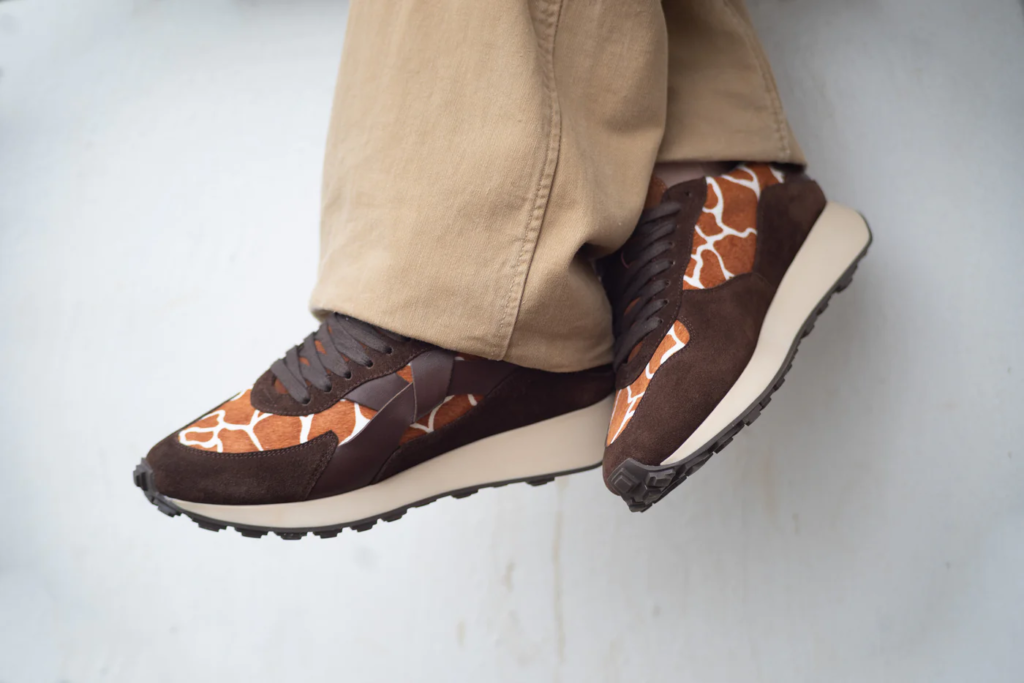
Arbi Sleek Sneaker – Giraffe: If you prefer something more casual, these unique giraffe print sneakers are a fantastic choice. Lightweight and breathable, they offer comfort during physical activities or when you’re simply enjoying time with your baby. The playful design adds a fun touch to your everyday look. Get your Arbi Sleek Sneakers here* to enjoy comfort with a unique style twist, plus a 5% discount!
Get 5% off the Arbi Sleek Sneakers here*
Postpartum recovery FAQs
How can I tone my core after having a baby?
Other questions asked were:
- Best ab workout post pregnancy?
Starting an ab workout after baby involves a combination of exercises that target the abdominal muscles, proper nutrition, and overall fitness. Here are some tips to help you tone your core postpartum:
Start with gentle core exercises
Use the tips above to start gently strengthening your core, then gradually progress to the more challenging exercises as your core gets stronger.
Diaphragmatic breathing
Practice diaphragmatic breathing to engage and activate the deep core muscles. This technique involves breathing deeply into your lower abdomen, allowing it to expand as you inhale, and gently contracting the deep core muscles as you exhale.
Incorporate pilates or yoga
Pilates and yoga can be excellent for postpartum core toning as they emphasise core engagement, stability, and flexibility. Look for postnatal-specific classes or modifications to ensure you’re following exercises that are safe for your postpartum body.
Include whole-body exercises
Incorporate exercises that engage multiple muscle groups, such as squats, lunges, push-ups, and rows. These exercises recruit the core muscles to stabilise the body and strengthen the entire body, including the core. Don’t start these exercises until your core is strong, though.
Cardiovascular exercise
Engaging in cardiovascular exercise, such as brisk walking, swimming, or cycling, can help burn calories and reduce overall body fat, which can contribute to a more toned appearance in your core area.
Healthy eating
Maintain a balanced and nutritious diet to support overall health and weight management. Focus on whole, unprocessed foods, lean proteins, fruits, vegetables, and healthy fats. Hydration is also essential.
Consistency and progression
Consistency is key for toning your core. Aim for regular exercise sessions and gradually increase the intensity and duration of your workouts over time. Be patient, as postpartum recovery is a gradual process.
Get professional guidance
Consult with a certified postpartum fitness specialist or a personal trainer who specialises in postpartum recovery. They can provide tailored exercises, ensure proper form, and offer guidance specific to your needs and recovery stage.
How long to regain core strength after pregnancy?
Other questions asked were:
- When can you start core exercises after birth?
The time it takes to regain core strength after pregnancy can vary from woman to woman. It depends on factors such as your pre-pregnancy fitness level, the type of delivery you had, any complications experienced during pregnancy or childbirth, and how consistently you engage in postpartum exercises.
It’s important to approach postpartum core recovery with patience and allow your body time to heal.
Give yourself around 6 to 8 weeks to recover from childbirth. During this time, you can focus on gentle movements, deep breathing, and light exercises that promote circulation and mobility.
Then, around 6 to 8 weeks and after clearance from your doctor, you can begin exercises that focus on reconnecting and activating the core muscles, such as transverse abdominal exercises, pelvic floor exercises, and gentle core strengthening movements. This phase may last anywhere from a few weeks to a few months, depending on your progress and individual circumstances.
As you progress in your postpartum recovery, you can gradually introduce more challenging exercises to rebuild core strength. This may include exercises like planks, modified push-ups, squats, lunges, and stability exercises. This phase can take several months, and progress will vary from person to person.
Diastasis recti (separation of the abdominal muscles) is common after pregnancy. If you have diastasis recti, it may take longer to regain core strength and close the separation. Working with a physical therapist or postpartum fitness specialist can be beneficial in addressing diastasis recti and guiding you through appropriate exercises.
Can diastasis recti be fixed with exercise?
Other questions asked were:
- What exercise heals diastasis recti after pregnancy?
Yes, diastasis recti can often be improved and sometimes fully resolved with specific exercises and targeted core training. Diastasis recti is a separation of the abdominal muscles that commonly occurs during pregnancy because of the stretching of the abdominal wall to accommodate the growing uterus. While exercise can help in the recovery process, it’s important to note that the severity of the diastasis recti and individual factors may influence the extent of improvement.
Focus on exercises that engage the deep core muscles, including the transverse abdominis and the pelvic floor. Examples include gentle abdominal compressions, pelvic tilts, and pelvic floor exercises like Kegels. These exercises help strengthen the muscles around the abdomen and provide stability.
Learning to activate and engage the transverse abdominis can help support and close the gap caused by diastasis recti. Diaphragmatic breathing and specific transverse abdominal exercises postpartum can be beneficial.
Perform modified planks as they target the core while minimising stress on the abdominal muscles. This may involve performing planks on an incline, using a stability ball, or using other modifications to ensure proper form and alignment.
It’s also important to strengthen the muscles that stabilise the pelvis, such as the glutes and hip abductors, as they can provide additional support to the core muscles. Exercises like hip bridges, clamshells, and side-lying leg lifts can be helpful.
Maintain good posture throughout the day to support the healing of diastasis recti. Be mindful of your posture during activities like sitting, standing, and lifting to reduce strain on the abdominal muscles.
Work with a qualified healthcare professional, such as a physical therapist or a certified postpartum fitness specialist, who can assess your diastasis recti and provide appropriate exercises and guidance. They can tailor an exercise program to your needs, monitor your progress, and ensure that you are performing the exercises correctly to promote healing and improve diastasis recti. In some cases, more severe diastasis recti may require additional interventions, such as surgical consultation or other specialised treatments.
Why is it hard for women to lose weight after a pregnancy?
Other questions asked were:
- Why is my core so weak after pregnancy?
Losing weight after pregnancy can be challenging, but it is possible with patience and effort. By following the tips above, you can reach your weight loss goals and improve your overall health.
However, there may be additional reasons you may find it challenging to lose weight after pregnancy. Here are some factors that contribute to the difficulty:
Hormonal changes
Pregnancy triggers significant hormonal changes in a woman’s body, including increased levels of oestrogen, progesterone, and cortisol. These hormonal fluctuations can affect metabolism, hunger regulation, and fat storage, making it harder to lose weight.
Postpartum recovery
After childbirth, the body needs time to recover and the postpartum period involves healing from delivery, which potentially means dealing with physical discomfort, and adjusting to the demands of caring for a newborn. So you often prioritise rest and recovery over intense exercise or strict dieting.
Sleep deprivation
Newborns often disrupt sleep patterns, which means broken sleep and feeling tired all the time. Lack of sleep can affect hunger hormones, increase cravings for high-calorie foods, and decrease motivation for physical activity, making weight loss more challenging.
Increased caloric needs for breastfeeding
If you’re breastfeeding, your body requires additional calories to produce milk. This can make it difficult to create a calorie deficit for weight loss without affecting milk supply or the nutritional needs of your baby.
Lifestyle changes and time constraints
Caring for a newborn can significantly change your daily routine and lifestyle. The demands of childcare, limited time for self-care, and reduced availability of exercise can make it harder to establish consistent healthy habits for weight loss.
However, if you’re struggling with bad habits that affect your health, then it’s important to work through these issues first. Rehabs that offer SMART Recovery in Boston reported that most admitted people drink or misuse drugs when they are in their teens, so if this is an issue you have been struggling with for a long time, then it’s important to speak to a professional first so you can take steps to ensure you and your baby are in optimal health.
Emotional and psychological factors
Pregnancy and postpartum periods can bring about significant emotional and psychological changes. Factors such as stress, fatigue, mood swings, and adjusting to new responsibilities can impact eating patterns and make it harder to stick to healthy habits.
Try to approach postpartum weight loss with patience and self-compassion. It’s much healthier to lose weight gradually and aim for a healthy and sustainable rate. Speak to your doctor for personalised guidance and consider your individual circumstances may affect the speed in which you lose weight.
Incorporate a balanced diet, regular physical activity, and seek social and emotional support to help you manage your weight after pregnancy.
How can I lose 5 kg weight after pregnancy?
Losing 5 kg weight after pregnancy is a realistic goal, but it is important to do it safely.
Aim for gradual weight loss, so for example, losing 0.5 – 1kg (1-2lbs) pre week is generally considered a healthy rate of weight loss.
Focus on a balanced and nutritious diet that includes a variety of whole foods. Emphasise lean proteins, fruits, vegetables, whole grains, and healthy fats. Be mindful of portion sizes and avoid excessive calorie-dense and processed foods. Consider consulting a registered dietitian or nutritionist for personalised guidance.
Drink plenty of water throughout the day to stay hydrated. Water can help you feel fuller, support digestion, and boost your metabolism.
If you are breastfeeding, it can help you burn extra calories. Be mindful of your nutritional needs while breastfeeding, and consult a healthcare provider for guidance on maintaining a healthy calorie intake while supporting milk production.
Gradually reintroduce physical activity into your routine, based on your healthcare provider’s recommendations. Start with low-impact exercises like walking, swimming, or postpartum-specific fitness classes. As you progress, consider adding strength training exercises to help build muscle and boost metabolism.
Include exercises that target the core muscles, such as transverse abdominal exercises, pelvic floor exercises, and gentle core strengthening movements. Strengthening the core can aid in regaining strength and toning the abdominal area.
Adequate sleep is essential for overall health, weight management, and managing stress. Prioritise self-care activities to reduce stress levels, which can impact weight loss efforts.
Surround yourself with a supportive network of family and friends who understand your goals and can offer encouragement. Consider joining postpartum support groups or finding an accountability partner to help you stay motivated.
Best postpartum recovery exercises advanced?
Postpartum recovery exercises should be approached with caution and should only be attempted once you have regained core strength and received clearance from your healthcare provider. Check out the tips above for advanced core exercises.
Always warm up before attempting any advanced exercises and listen to your body. If you experience pain, discomfort, or any adverse effects, stop the exercise and consult with a healthcare provider or a certified postpartum fitness specialist. It’s essential to progress gradually and focus on maintaining proper form to prevent injury and support your postpartum recovery.
Why does my stomach stick out even though I am hammering the core exercises every day?
Other questions asked were:
- Why do my abs look bloated after a workout? How long does it take for this bloating look to go away?
If your stomach is sticking out despite regularly performing core exercises, there could be a few reasons for this.
Diastasis recti can create a bulging or protruding appearance of the stomach. If you have diastasis recti, certain core exercises that involve intense flexion or twisting movements may exacerbate the condition. It’s important to consult with a healthcare provider or a postpartum fitness specialist to determine if diastasis recti is a factor and to receive appropriate exercises and modifications.
The visibility of your abdominal muscles can be influenced by the amount of subcutaneous fat (fat stored under the skin) in that area. Engaging in core exercises alone may not be enough to reduce the layer of fat covering your abdominal muscles. To address this, consider incorporating a well-rounded exercise program that includes cardiovascular exercise and a balanced diet to support overall fat loss.
Inadequate core activation and poor posture can contribute to a protruding stomach appearance. It’s important to ensure that you are properly engaging your core muscles during exercises and throughout the day. Focus on maintaining good posture, activating your deep core muscles (such as the transverse abdominis) during movements, and avoiding excessive arching or slumping of the lower back.
Hormonal changes during pregnancy and postpartum can affect the distribution of fat and the appearance of the stomach. These changes can impact how your body stores fat, making it more challenging to achieve a flat stomach even with consistent exercise.
Keep in mind there may be other factors contributing to the appearance of a protruding stomach, such as bloating, muscle imbalances, or individual differences in body composition. If you have concerns about the appearance of your stomach, it’s best to consult with a healthcare provider or a certified postpartum fitness specialist who can evaluate your specific situation and provide tailored guidance.
When is the best time to exercise abs before or after cardio?
The best time to exercise your postpartum abs, either before or after cardio, largely depends on your personal preference and goals. Both options have their advantages, so you can choose what works best for you. Here are some considerations for each scenario:
Before cardio
Incorporate an ab workout at the beginning of your workout routine as an effective warm-up for your core muscles, activating them for the upcoming cardio session.
Exercising your abs before cardio means you can give full attention to core-specific exercises. This can be beneficial if you want to prioritise core strength or if you feel that your core strength diminishes during cardio exercises.
Start with abs exercises when you are fresh and not fatigued from cardio so you can maintain proper form and technique, which reduces the risk of injury.
After cardio
You can perform cardio exercises first to help you manage your energy. If you want to prioritise cardiovascular endurance or calorie burning, doing cardio first ensures you have enough energy to push through your cardio session without being overly tired from ab exercises postpartum.
While cardio exercises engage the core to some extent, saving ab exercises for after cardio can allow you to focus specifically on targeting and strengthening the core muscles once your cardio workout is complete.
Some research suggests that performing cardio exercises before strength training can enhance overall calorie burn during the workout. So, if weight loss is your primary goal, doing cardio first may be advantageous.
Ultimately, what matters most is consistency and effort in both your cardio and post pregnancy ab workout. If you’re incorporating both types of exercises into your routine, the order of exercises may not make a significant difference in the long run. Consider alternating the order periodically to keep your workouts varied and enjoyable.
Additionally, it’s important to listen to your body and adjust your routine accordingly. If you find that your core muscles are fatigued and compromising your form during cardio after doing ab exercises, you may want to switch the order or schedule them on separate days.
Why are my ribs sore after an ab workout?
Feeling soreness in your ribs after an ab workout can be attributed to a few possible factors.
The intercostal muscles are located between the ribs and play a role in stabilising and supporting the ribcage. During an ab workout, especially exercises that involve twisting or side bending motions, the intercostal muscles can be strained, leading to soreness.
The diaphragm, a dome-shaped muscle located beneath the ribcage, helps you to breathe and can be indirectly activated during certain ab exercises. If you’re performing exercises that involve deep core engagement and controlled breathing, such as pilates or certain yoga poses, the diaphragm can experience increased tension, resulting in soreness in the rib area.
You may have muscular imbalances or weaknesses in the muscles surrounding the ribcage and upper torso. When performing ab exercises, these weaker muscles can be recruited and strained more than usual, leading to soreness.
Improper form during ab exercises can put unnecessary stress on the ribcage and surrounding muscles. For example, if you’re performing exercises that involve excessive twisting or bending without maintaining proper alignment and control, it can strain the ribs.
To reduce rib soreness and prevent further discomfort, adjust your ab exercises to minimise strain on the ribcage. Focus on exercises that target the deeper core muscles without excessive twisting or bending, such as planks, pelvic tilts, or gentle crunches.
Pay attention to your breathing during ab exercises. Practice diaphragmatic breathing, where you inhale deeply through your nose, allowing your abdomen to expand, and exhale fully through your mouth, engaging your deep core muscles. This can help reduce tension on the ribcage and diaphragm.
Gradually increase the intensity and duration of your ab workouts over time, allowing your muscles to adapt and become stronger. Start with low-impact exercises and gradually progress to more challenging movements.
Always check you are performing ab exercises with proper form and technique. Maintain alignment, engage your core muscles, and avoid excessive strain or twisting through the ribcage.
If the soreness persists or is accompanied by severe pain, shortness of breath, or other concerning symptoms, consult with a healthcare provider to rule out any underlying issues or injuries. They can provide an accurate diagnosis and recommend appropriate modifications or exercises to address your specific situation.
How do I lose weight after pregnancy at home?
Losing weight after pregnancy at home can be achievable with a combination of healthy eating habits and regular physical activity.
Focus on a balanced and nutrient-rich diet that includes whole foods. Opt for lean proteins, fruits, vegetables, whole grains, and healthy fats. Be mindful of portion sizes and avoid eating too much processed or sugary foods.
Drink plenty of water throughout the day to stay hydrated. Water can help with digestion, support metabolism, and keep you feeling full.
Have healthy snacks readily available to avoid reaching for less nutritious options. Choose options like fruits, vegetables with hummus, yogurt, nuts, or homemade energy bars.
Practice mindful eating by paying attention to your body’s hunger and fullness cues. Eat slowly, savouring each bite, and stop eating when you feel satisfied, rather than overly full.
If you are breastfeeding, it can aid in burning extra calories. However, it’s important to prioritise your nutrition and ensure you’re consuming enough calories to support milk production and your overall health.
Engage in regular physical activity to help burn calories and increase your overall fitness. Aim for at least 150 minutes of moderate-intensity aerobic exercise per week, such as brisk walking, dancing, or cycling. Include strength training exercises at least twice a week to build muscle and boost metabolism. There are various at-home workout programs, fitness apps, and online resources available that cater specifically to postpartum exercises.
When your baby is napping, use that time to fit in a workout or engage in physical activity. You can follow online workout videos, join virtual fitness classes, or simply go for a buggy walk or jog in your neighbourhood.
Incorporate exercises into your daily routine, even if you can’t dedicate a specific workout time. For example, do squats or lunges while cooking or use household items as makeshift weights for strength training exercises.
Connect with other new mums for support and motivation. Join online forums, participate in virtual support groups, or find an accountability partner who shares similar goals.
Should you do core exercises after or before dinner when working out at home?
There is no strict rule regarding the best time to do core exercises, so you can choose a time that fits well into your daily routine.
Exercising before dinner may work well for some individuals who feel more energised and motivated earlier in the day.
Some people find that exercising before dinner can help suppress their appetite, making them less likely to overeat during the meal.
Exercising after dinner may work better for those who prefer to have a little more time for digestion before engaging in physical activity.
Evening workouts can be a way to unwind and de-stress after a busy day, which might contribute to better relaxation and sleep.
Ultimately, the most important thing is to find a consistent time that allows you to incorporate postpartum core exercises into your routine without feeling rushed or overwhelmed. Also, consider any potential scheduling conflicts with other responsibilities and commitments.
Additionally, keep in mind that exercising on a full stomach may not be comfortable for everyone. If you prefer to work out after dinner, you might want to wait at least an hour after eating to avoid any discomfort during exercise.
Lastly, always listen to your body and avoid strenuous exercises that may cause discomfort or impact your digestion negatively. If you’re unsure about the best time or have any concerns about postpartum exercises, consult with your healthcare provider or a certified postpartum fitness specialist. They can provide personalised guidance based on your individual needs and recovery progress.
*Collaborative feature post*
Links marked with a ‘*’ are affiliate links which means I may earn a small commission if you click through to buy at no extra cost to you.