How to prevent tearing during birth
Maternal childbirth injuries are a common occurrence, however, they range in severity from minor perineal tears through to serious complications such as prolapse and postpartum haemorrhage. Unfortunately, childbirth injuries are rarely talkemd about, meaning that many women are unprepared when it happens to them, which can have a severe impact on a woman’s mental and physical health. In this article, we’ll take a look at some of the ways you can help to prevent tearing when giving birth, which is the most common trauma during birth.
How common is tearing during birth?
What are the chances of tearing during childbirth? And can you prevent tearing during birth? These are the questions that burn through pregnant women’s minds most if not during all of their pregnancy journey.
“Up to 9 in every 10 first time mothers who have a vaginal birth will experience some sort of tear, graze or episiotomy. It is slightly less common for mothers who have had a vaginal birth before. For most women, these tears are minor and heal quickly.”
https://www.rcog.org.uk/for-the-public/perineal-tears-and-episiotomies-in-childbirth/perineal-tears-during-childbirth/
How can you prevent tearing during birth?
I’ve had a tumultuous relationship with labour and birth. My first two were an emergency caesarean and a planned c-section so I didn’t experience any tearing. But, my third and fourth births were vaginal. I experienced a second-degree tear with an episiotomy with my third birth and no tearing at all (just grazes) during my 4th. And, yes, the aftermath is more difficult when you tear, but most of the time it’s fixable and even reversible. But, are there ways to prevent tearing during birth? And if so, how do you prevent tearing during birth?
I will lay down some tips on how to prevent vaginal tearing but first, we need to know about the differing levels of perineal tearing before we discuss how to prevent tearing during birth.
How many levels of tears are there?
There are four degrees of perineal tears which can involve the vagina, the labia, the cervix and the area between the vagina and the rectum. Most tears will heal without treatment but if you’ve suffered severe perineal trauma, you may experience prolonged pain and require treatment to heal.
First-degree perineal tears
A first-degree tear is the least severe of all the tears and involves just the perineal skin which is the skin between the vaginal opening and the rectum, and the tissue directly beneath the skin. First-degree tears heal on their own and during the healing process, you may experience stinging when you pee.
Second-stage perineal tear
Second-degree vaginal tears are when the skin and the muscle of the perineum tear during birth and may extend into the vagina. Second-degree tears generally require stitching and the healing process can last a few weeks. As with the first-degree tear, keeping the area clean and using a cold or warm compress to ease the stinging can help you to recover quickly.
Third-degree tear
A third-degree labour tearing extends into the anus’ muscle (anal sphincter) which requires an operation under anaesthetic. It may take longer than a few weeks to heal and complications such as faecal incontinence can occur.
Fourth-degree perineal tear
A fourth-degree tear during labour is the most severe of all perineal tears and extend right into the mucous membrane lining the rectum (rectal mucosa). Fourth-degree tears generally require a more specialised operation under anaesthetic and take longer than a few weeks to heal.
There are certain risk factors that come with fourth-degree tears like faecal incontinence and painful intercourse, therefore reducing perineal trauma as much as possible is a priority.
So what causes tearing during birth?
Vaginal tearing happens when the baby’s head coming through the opening is either too large for the vagina to stretch to accommodate or the vagina doesn’t stretch easily around a normal-sized head.
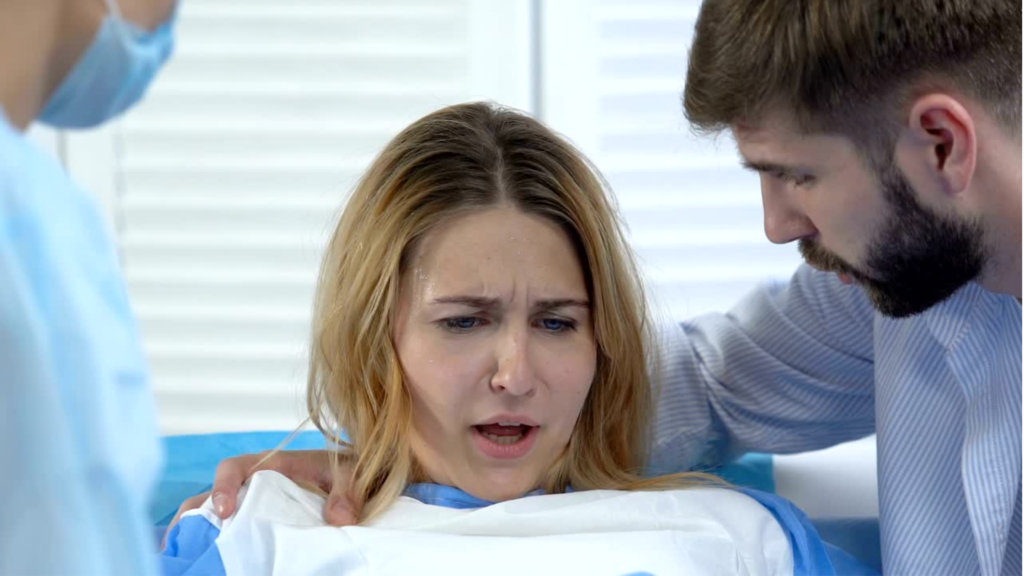
Is there any way to prevent tearing during labour?
9 out of 10 first-time vaginal births experience some tearing so how do women avoid tearing while giving birth? There are things you can do to reduce the risk of tearing and we will go through the most popular options now.
How to prevent tearing during delivery – getting your body ready to give birth
Giving birth is probably the most challenging thing your body will go through in your lifetime and deserves adequate recognition and preparation. Just as you wouldn’t turn up to the start line of a marathon with no training, ideally you don’t want to be turning up to the birthing suite of your local hospital entirely unprepared either.
While it’s true that your body and baby know what to do at each stage of labour, there’s a lot you can do to help your body and increase your chances of having a complication-free birth.
You should ensure that you’re in good shape before conception and throughout your pregnancy, by eating well and keeping up with your appointments and scans. Gentle exercises such as pregnancy yoga, walking and swimming can also help to prepare your body for labour and are one of the tried and tested techniques on how to avoid tearing during birth. You can also try doing gentle squats to help strengthen your muscles (but not if your baby is breech.) Breathing techniques, like those used in yoga, meditation or hypnobirthing can also help prepare you mentally, which has been shown to have an impact on birth outcomes.
GET YOUR FREE PREGNANCY WELCOME PACK HERE
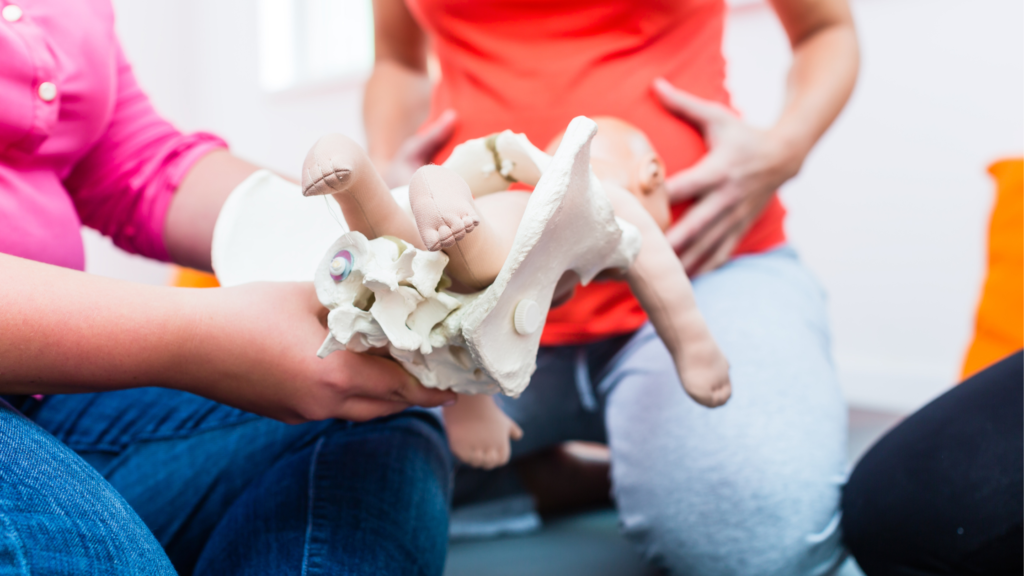
How to prevent tearing during labour – get your baby into position
One of the major factors and probably a big part of what prevents tearing during childbirth is your baby’s position. For as smooth a delivery as possible, your baby should be in the occiput anterior (OA) position. This means that their head is down, and they are facing your spine. In this position, the smallest part of the baby’s head will travel through your pelvis first. This can help prevent issues such as the baby becoming ‘stuck’ and can reduce your risk of tears.
Many babies will get themselves into this position before birth without any help, however, there are a variety of things you can do to encourage your baby into the correct position. Towards the end of your pregnancy, try to ensure that when you’re sitting down, your knees are lower than your hips. So rather than sinking back into the sofa to watch TV, try sitting upright on a birthing ball instead, or kneeling forward with your elbows resting on a coffee table. Swimming is also great for this, as it tilts your pelvis forward, and gravity will do the rest!
How to give birth without tearing – get the correct aftercare
Unfortunately, even with careful planning in preventing tearing during labour, it’s still possible to suffer an injury during childbirth. If this happens to you, it’s important to remember that it isn’t your fault and you’re not alone.
Depending on the severity of your injury, you may recover quickly with proper aftercare and advice, or you may need input from other health professionals, such as a physiotherapist, for example. A small number of women may even require corrective surgery. If you feel that your care has been below standard and your injury was avoidable, then you may have a medical negligence claim and should talk to a specialist about what this might involve.
No matter what type of birth you’ve had or whether you sustain a birth injury, it’s possible to develop birth-related trauma. If you think this might apply to you, organisations such as the Birth Trauma Association may be able to help you on your path to recovery.
FAQ
Do all women tear while giving birth?
No, not all women tear but most do. So make sure you take the steps above to reduce your risks of tearing during birth.
I’m scared of tearing during birth. What can I do to overcome my fear?
It is quite normal to be fearful of tearing during birth due to the high statistic. But when asking yourself, can you prevent ripping during birth, look at the tried and tested techniques above and try them for yourself.
Listen to your body and push when your body wants to push, but also be mindful when your midwife tells you to stop pushing as they’re trying to prevent you from tearing too. If you can’t overcome your fear and it’s impacting your daily life, it’s important to speak to your midwife who can put you in touch with a specialist. They can talk through the process of birth and what to do to avoid tearing. Do not leave it alone.
How can you avoid tearing during a natural birth?
Another question asked was, ‘How can I prevent tearing during delivery?’ Please see the above advice which will help to reduce the risks of tearing during birth.
How can I avoid tearing during labour with a perineal massage?
Some hospital caregivers advise a perineal massage during the third trimester when discussing how to avoid tearing when giving birth. A perineal massage is a massage to the perineum, the skin between the vagina and the rectum to help strengthen and keep it intact during birth.
Do you know what to eat to prevent tearing during birth?
Giving birth to a large baby can increase your chances of tearing during birth, so it’s important to stick to the right foods when considering how to prevent perineal tearing during birth.
Are there any home remedies to prevent tearing during birth?
Yes, please see above for more information on these home remedies.
Are there any exercises to prevent tearing during birth?
“During pregnancy, pelvic floor exercises help with muscle control during labor and pregnancy and recovery afterward. Not only that, but women who paired perineal massages with a consistent kegel routine increased their chances of no tear at all from 6% to 17%.”
https://www.kegelbell.com/blogs/blog/prevent-tearing-during-birth
How can I prevent tearing during childbirth while strengthening my pelvic floor?
Try Perineal Massages. …
Perform Kegel Exercises. …
Practice Birthing Positions Ahead of Time. …
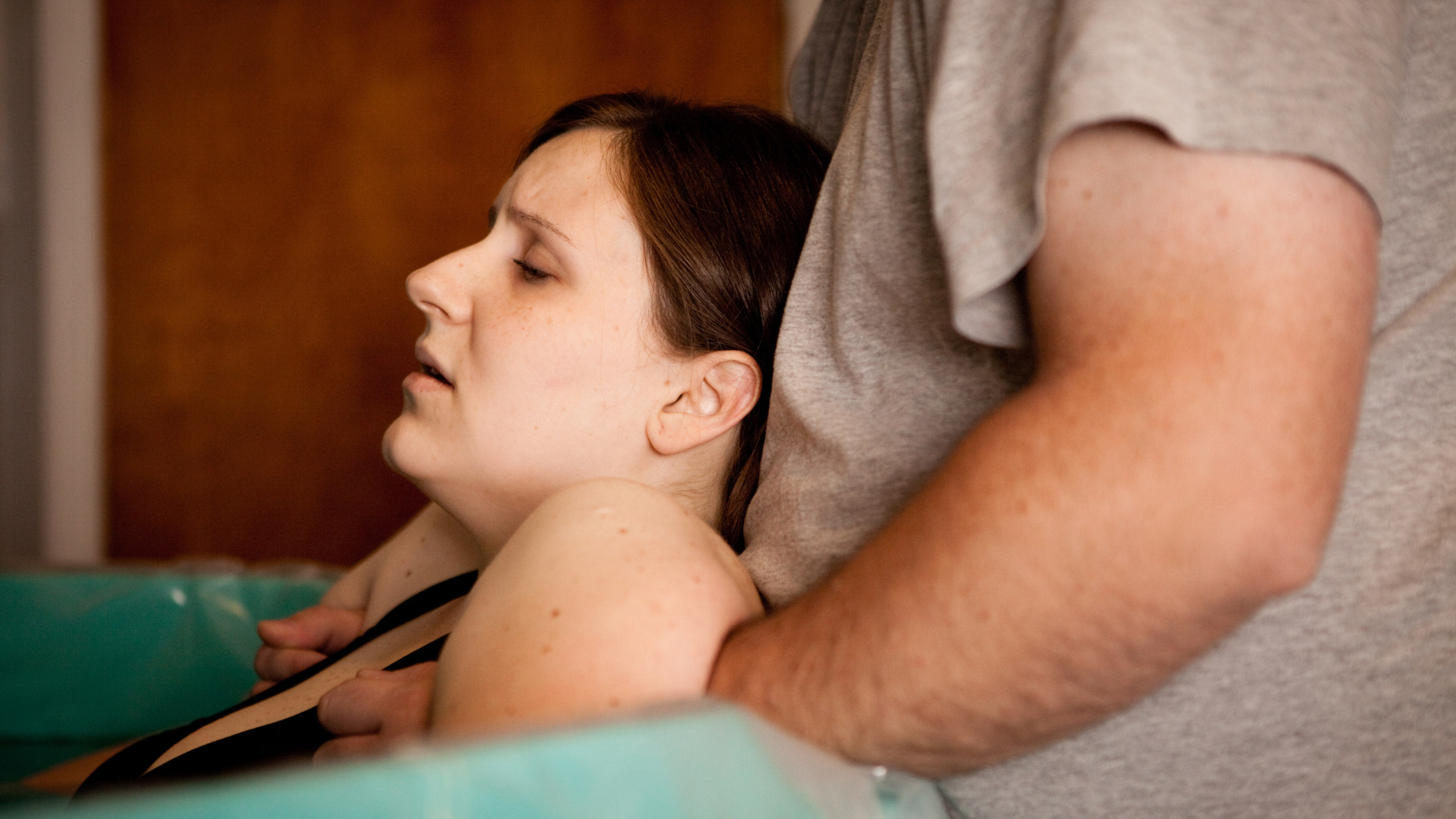
Consider a Water Birth. …
Apply a Warm Compress While Pushing. …
Push With Urges and Breathe Through It. …
Consult Your Doctor or Midwife. …
Take Care of Your Body As a Whole.
https://www.kegelbell.com/blogs/blog/prevent-tearing-during-birth
Can I use olive oil to prevent tearing in labour?
It is advised by medical experts that using olive oil to prevent tearing during childbirth can have successful results but can oil prevent tearing during labour when used by itself? The answer is not exactly. When used during a perineal massage it can become an effective and inexpensive way to help strengthen and improve your perineum so it is more able to tolerate the vigour of birth.
Can I use coconut oil to prevent tearing during labour?
Does coconut oil prevent tearing during labour? Massaging the perineal area with any moisturising oil, including coconut oil is effective when considering how to prevent tearing in labour.
What are your recommendations to prevent tearing during childbirth? I want to learn how to push during labour without tearing.
Read trusted resources on how to prevent tearing during birth, so you are fully prepared before you go into labour. This will help put you in a strong position to do the best you can to make it a positive birth for you. As mentioned above, it’s important to listen to your midwife/doctor during the pushing stage who will advise you when to breathe and when to push. And, if you do end up tearing during birth, know that you have a lot of aftercare out there to help you recover quickly and efficiently so you can concentrate on building a new life with your baby.
*Collaborative feature post*