What does a doula do?
STANDFIRST: Do you know what a doula does? Claire Doble talks through the basics, from her recent experience of using a doula.
I used a doula when I gave birth to my son. When I told people about this during my pregnancy or mention it now, reactions are mixed – some people draw a total blank, others nod knowingly. Some say they wished they’d had one and others are curious. I found it a very positive experience so I want to share some of my knowledge with you in a little doula 101.
What’s a doula?
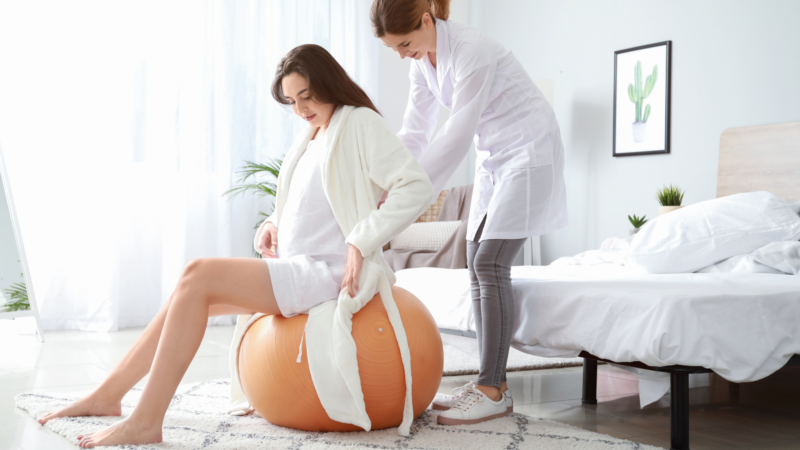
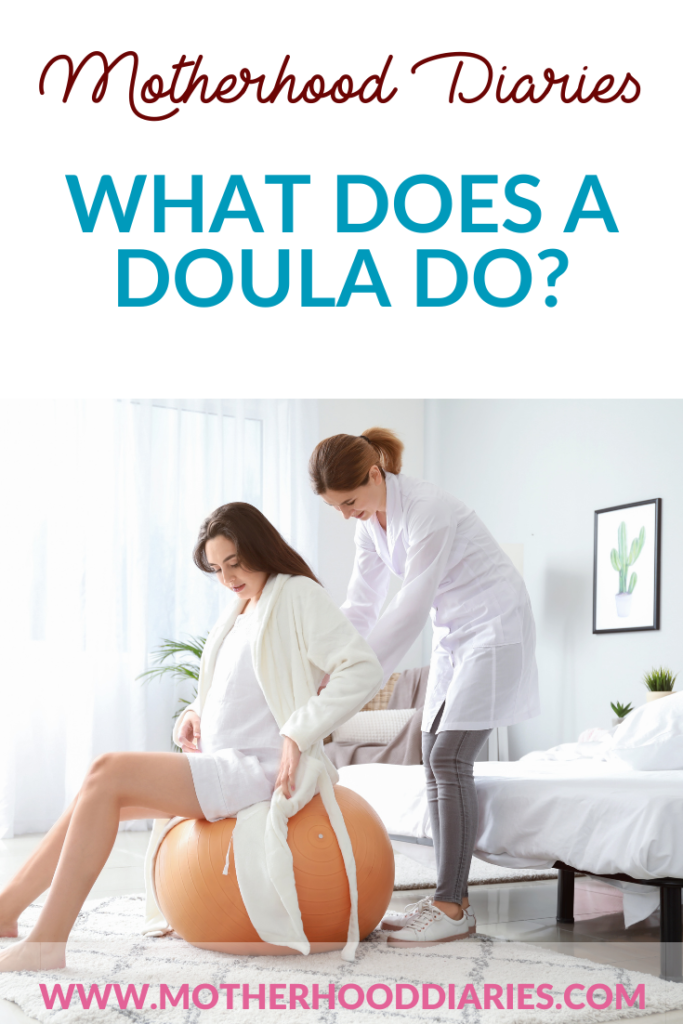
A doula is someone you hire to support you (and your partner) emotionally through giving birth. They’re not allowed to intervene medically, but can advocate on your behalf when dealing with medical staff, help administer pain relief such as a tens machine or massage and will be a constant presence during your labour. A doula is a Greek word for a female slave, servant or caregiver.
Why would you want one?
My decision was made for various reasons. It was my first baby so I didn’t really know what to expect. My family and in-laws are all in Australia, as are a lot of my good friends who’ve got kids. None of my close friends in the UK has children (yet!) So, while they were supportive, no one I knew well in this timezone had any actual experience.
Plus, having lived in Australia for most of my life, the NHS is a foreign beast. This is possibly the case for a lot of UK born-and-bred first-time mums too, but for me, it felt like a potential stumbling block and source of distress at a time when I wanted to feel as confident as possible. My husband is fantastic but we’re both busy people who were already dealing with the stress of deadline-driven jobs and home renovations. It made sense to get someone else to share the load.
It’s not just first-timers who hire doulas, however. My doula, Kate Mason, says there are many different reasons women to decide to use a doula:
“Some of them include; women who have had a traumatic first birth and want support to help them through their next labour;
First-time mothers who are anxious about various aspects of labour;
Single mums who have no partner or close family who can guarantee they will be with them during labour.
The overriding reason is that women want the reassurance and guarantee of someone they can trust to be with them throughout the whole labour, no matter how long this may take.”

How do you find a doula?
Ideally, a doula will live close to your home and/or the hospital or birth centre you’re planning to use. Doula UK, a voluntary, non-profit organisation, holds the details of hundreds of registered doulas. You can search by postcode on the Doula UK website for doulas that cover your area. And the NCT has recently launched its birth companions service. I also used Mumsnet and googled “North London doulas”.
It’s worth meeting several doulas to find one that you “click” with – after all, this woman is going to be with you for one of the most momentous occasions of your life, so you need it to be someone you trust and can rely on to advocate for you and behave as you would wish in fairly extreme circumstances. I interviewed four doulas who were all very different – one was quite businesslike, there was a real earth mother, another was a funky yummy mummy. Kate – who I chose – she felt like a big sister I’d never had, which was right for me.
How much does it cost?
Doulas can be expensive. According to Doula UK:
“How much a doula charges will vary depending on the area they work in, their level of experience, what they include in the fee and what they feel their service is worth.”
I found that most London doula fees were at the top end of that scale. Understandably, the more established doulas tend to charge more – you pay for the experience.
Considering the doula will be with you for the duration, it’s not a lot of money and it’s not really a decision you should make on monetary grounds, but it is obviously a concern for many and it was for me. Luckily the doula I liked best was a trainee, so her fees were a bit lower. Doula UK says:
“Many doulas have some flexibility about their fees and how they are paid, so if you are looking to book a doula, but are concerned you can’t afford their fees – it’s worth talking with a few local doulas to see if they can help.”
The fee usually gets you a doula “birth package” that involves a couple of antenatal visits to discuss your situation, wants and needs, and then the doula being “on-call” for about four weeks around your due date, plus a postnatal follow-up. Some doulas also offer ongoing postnatal and breastfeeding support. These usually cost extra.
As my pregnancy had been completely normal, I wasn’t too worried about complications so having a trainee doula didn’t bother me. It might not suit everyone, but if you’re desperate for a doula on a budget, it’s worth investigating.
What are the benefits?
NCT’s birth companions webpage states:
“Research has shown that women who receive continuous support in labour are more likely to give birth spontaneously, less likely to use pain medications, more likely to be satisfied with their birth experience and have a slightly shorter labour.”
A survey of 700 doula-assisted births in 2009 conducted for MIDIRS midwifery digest found that:
- 45% of the women surveyed had natural births (no induction, medicated pain relief, augmentation or instrumental delivery)
- 15% had c-sections (25% national average)
- 20% had epidurals, (30% nationally)
- 70% vaginal birth after c-section rate
- 23% laboured in a birth pool.
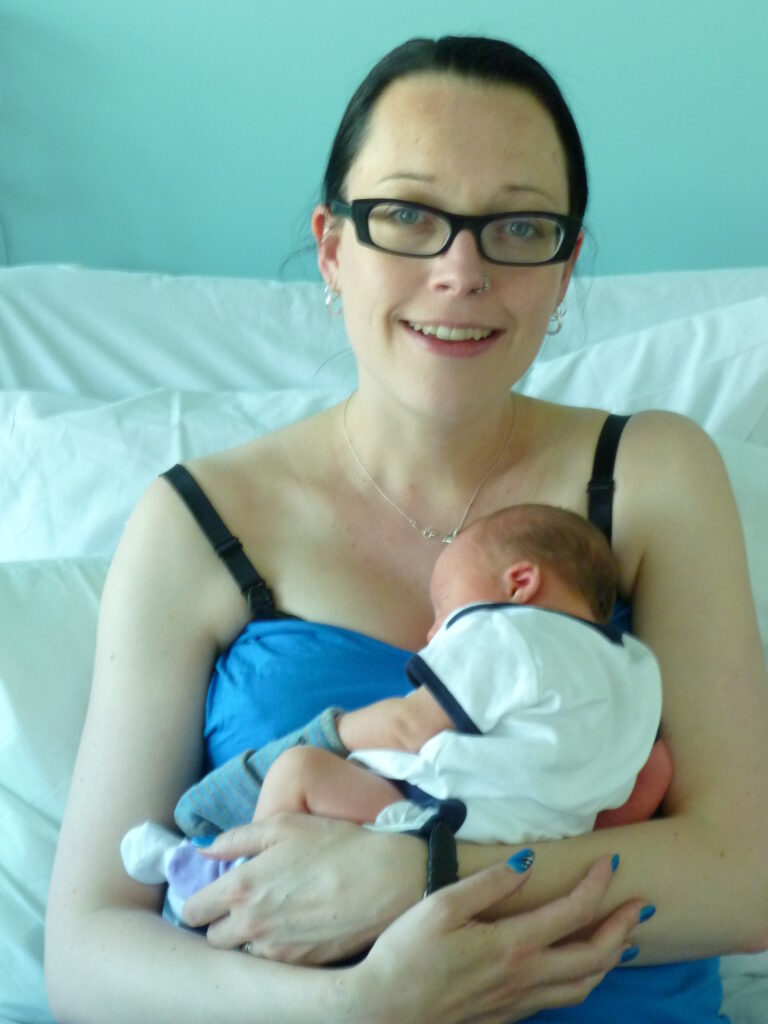
Having Kate around for my birth was really useful and, I think, contributed greatly to having a pretty smooth experience that was about as close to my (admittedly flexible) birth plan as I could have hoped. When my waters broke quite early but I wasn’t having contractions, Kate provided lots of reassurance and gave solid advice about when to go into hospital.
Once there, she gave me options the midwives didn’t offer (they said go back home, Kate suggested staying and trying to bring on the labour by climbing some stairs – it worked). Plus the fact she was there as a constant reassuring presence meant I didn’t worry about my husband being freaked out. It gave me the freedom to get on with the job.
Interview with a doula
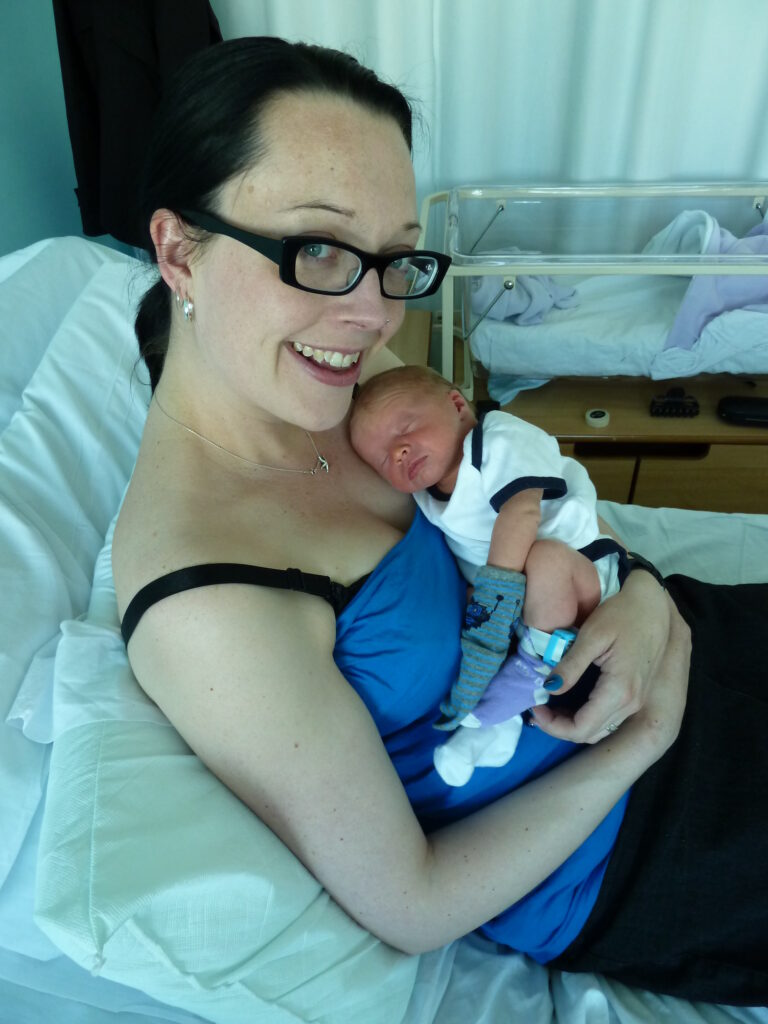
Claire Doble asks doula Kate Mason for her side of the story.
Why did you decide to become a doula?
I was contemplating training to become a midwife, however, after much research, realised that it wasn’t the medical field of obstetrics that I was interested in, but the ability to communicate, reassure and support the emotional wellbeing of the mother that really interested me.
As a low-risk mother at the time, I had my three children at home with minimal medical intervention, with my husband, mother and sisters supporting me alongside midwives. I had straight forward deliveries and attribute a lot of this to the research I had done which made me confident of my body being able to give birth if I was relaxed, and to the close support and reassurance that my mother gave me as a birth partner.
My sisters both asked if I could be present at their births, which I was. They were very different births; one a caesarean, one an induced delivery and another, an unplanned breech delivery. They both told me that I made them feel completely calm and dealt effectively with questions from medical staff that they didn’t want to have to answer mid-contraction! I wanted to help other women through their labours, offering consistent care and support throughout, so that they can look back on their labours with the most positive memories possible.
What’s are the best things about the job?
It’s always a real privilege to attend births. It’s wonderful to help and see individual people achieve things that they sometimes think are impossible or are too scared or anxious to believe they can achieve. I really enjoy helping women to become more aware of their own capability and the choices that they can make during their pregnancy and labour.
It’s great talking with couples before the birth and planning their intentions during the labour. It’s even better seeing the mother and partner work together during labour putting their plans into action in a confident, calm and productive way.
What are some of the biggest challenges?
Not giving advice! I have to keep my own personal opinions to myself and just make sure that I keep clients informed of all information so they can make their own choices. This becomes easier with practice the more births that I attend.
It used to be difficult to just sit aside, be quiet and just let the mother “be” during her labour. I have learned that very often, just my presence and small, calm words of encouragement can be enough for some mothers and partners.
How many enquiries do you get per week?
I get about one enquiry per week on average, either through Doula UK, my website or by word of mouth. Individuals then contact me by email or phone to have an initial discussion regarding their thoughts. Some people just want to sound out the idea of having a doula and find out what the benefits may be or whether I can offer the support they are looking for.
Are most women who contact you first-time mums (-to-be)?
No, the women requesting doulas are very often mothers who have had children before. Often, due to negative experiences with first births I get enquiries from women who want an added “safeguard” to help minimise the risk of experiencing the same type of birth that they consider to be traumatic. With women who have experienced this, I will discuss their prior birth experiences in detail to discover, explain and finally come to a level of acceptance that allows them to look forward in a more confident, positive manner to the next birth.
How do you support the father/partner?
I’m conscious that the partner has a very important role during the labour and I make it clear that I am not a substitute for them. This is often the first question a partner will ask me:
“What am I going to do if you’re going to be there?”
My role is to ensure that the couple can plan and experience the labour and birth that they want. I am the individual who can make suggestions and provide techniques to assist them and each other during labour; help them feel relaxed; act as their advocate with medical staff if need be and keep them informed of relevant information during the labour.
Some partners have a very clear idea of their involvement during labour, other times it’s difficult for them to envisage this. We discuss this before the birth so that they feel comfortable and more confident of the support they can provide during labour (particularly if this is the first birth they are involved in).
It can be difficult for some partners to admit or show that they are anxious and scared of seeing their partner in pain so I find it really helps to support the partner during the labour, explaining what is happening when they look particularly concerned. For example, when a woman is at particular stages of labour she may be very vocal or dismissive of her partner. Other times she may be overwhelmed and appear defeated. It’s at these points that I reassure the partner and explain what certain behaviour can mean and how it often in fact demonstrates positive progress in labour.