22 weeks pregnant – Braxton Hicks contractions have started
Are you pregnant? Grab your free pregnancy pack now – details inside!
I have been having some rude dreams lately, so hubby and I broke the drought, that’s all I’m saying!
At 22 weeks pregnant, I have got itchy skin on my belly, so I have been rubbing loads of Cocoa Butter* on my skin to ease the scratching. Apparently, at 22 weeks pregnant, bellies can get itchy from the skin stretching. Still, no stretch marks yet, so fingers crossed it stays like that.
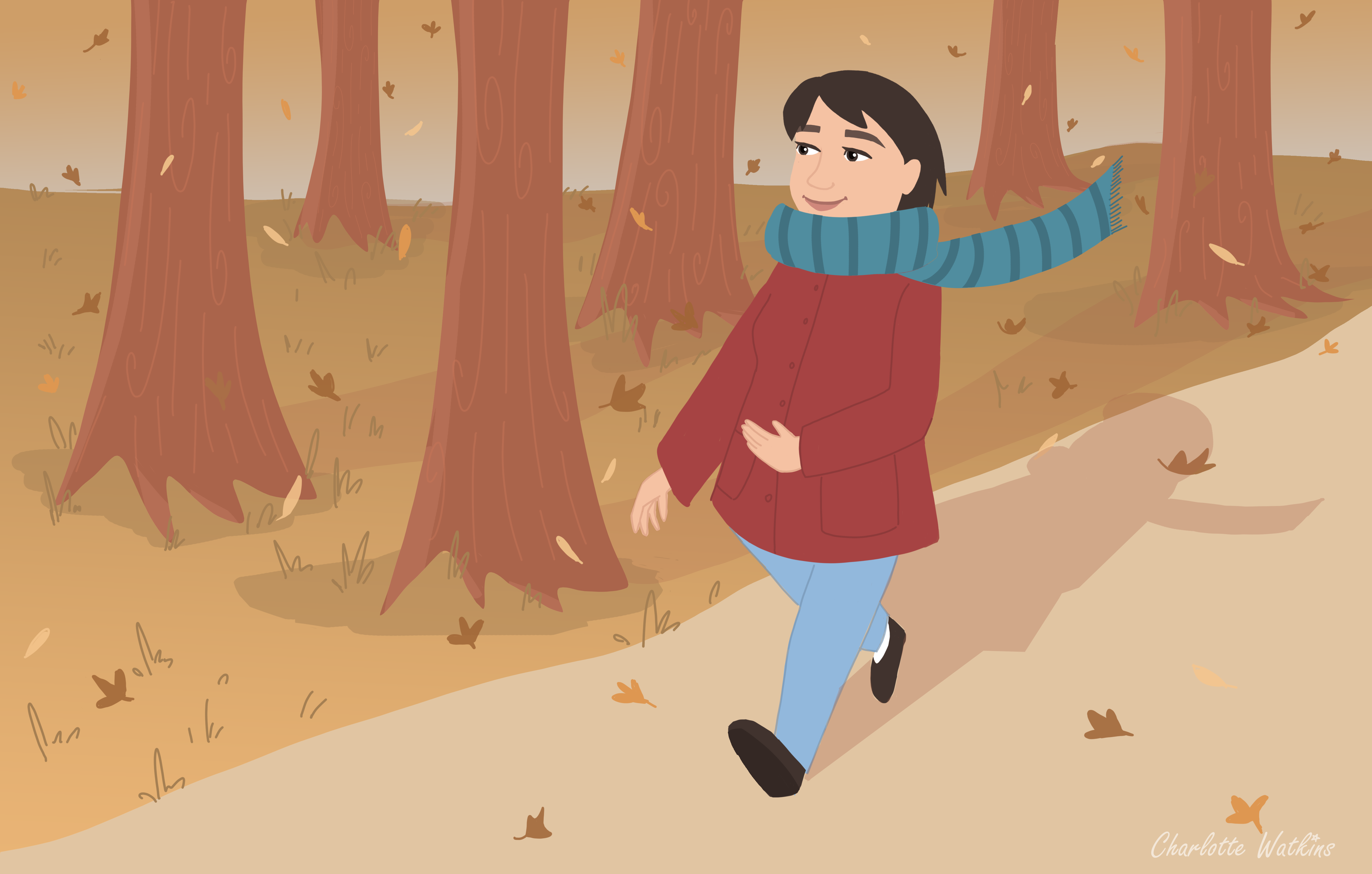
My baby bump is definitely growing and I can see my belly button now! I feel our boy more and more now, which is nice because it creates a bond between us. I also rub my bump as I’m walking down the street and I wonder whether that’s because I am subconsciously protecting my bump from hazards in the real world.
Check your due date with our due date calculator!
I walked to the post office this week, which was a 20-minute walk away and I had to stop mid-way as I felt cramps in my belly, which felt a bit like mini stitches. I called up a friend who was in week 26 of her pregnancy and she told me not to stress.
“They sound like Braxton Hicks contractions,” she said.
I spoke to my midwife as well and asked her whether they felt like labour pains and she laughed and said:
“You will 100% know when you’re in labour.”
That statement scared me a bit…
I also mentioned that I seem to have ptyalism (lots of saliva) and I wake up in the morning with loads of drool on the pillow, which is really annoying as I have to change my pillow covers every day. The midwife said that was perfectly normal during pregnancy because of the hormones.
I also talked to my friend about birth plans and she said she wants as many drugs as she can get as she’s a wimp with pain. But my mum had four kids with no pain relief, so I’m going to have as natural a birth as possible. Obviously, I won’t rule it out but I reckon I can take it (I can hear you mums laughing at me right now!) I have a phobia of needles, and an epidural does not sound appealing to me at all.
Hubby and I have got into a routine of going to bed early and reading our baby book. We’re in the breastfeeding chapter at the moment and it sounds quite daunting, having to get up every two hours to feed the little one. I’m rubbish without sleep, so I don’t know how I’m going to do it. But, I suppose it’s all for the baby and it’s healthier to breastfeed apparently, so I’m going to give it my best shot. I want to give our boy the best start in life and if that means sleep deprivation for two years, then so be it!
A fun fact – The baby is 11 inches long – the length of a spaghetti squash!

Your baby at 22 weeks pregnant – your baby’s development
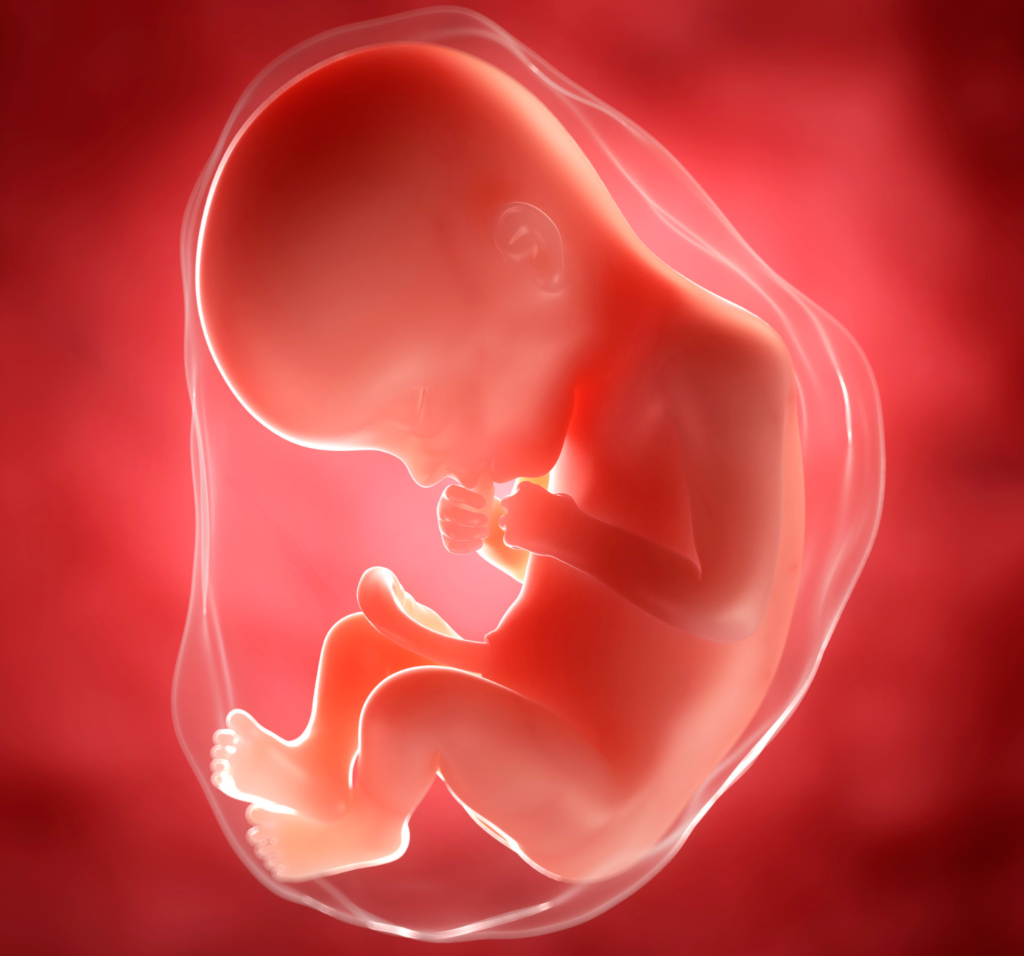
- Baby development at 22 weeks is ramping up! Your baby’s head, body, and limbs are now more in proportion to each other. S/he is looking more like a newborn now.
- 22 weeks pregnant baby size – The size of the foetus at 22 weeks pregnant is now roughly the size of a spaghetti squash, measuring about 11 inches (27.8 cm) from crown to heel and weighing almost 1 pound (about 430 grams).
- Your baby’s development at 22 weeks includes their irises getting pigmentation. However, they remain closed for now.
- Your pregnant belly at 22 weeks is accommodating a baby who is developing his/her senses now – touch, taste, sight and hearing. They can hear your heartbeat, your voice and even loud noises which are further away, outside of the womb.
- Your baby when you’re 22 weeks pregnant, is still too young to live outside the womb. But, over the next few months, they will gain lots of fat to keep them warm as the lungs and organs continue to develop
22 weeks pregnant – your symptoms
- Your body at 22 weeks pregnant is under increased strain as your bump grows bigger. Try standing as straight as you can and place a small cushion behind your back when you’re sitting.
- 22 weeks pregnant symptoms – You may gain some weight now. Many women worry about whether they’re gaining too much or too little weight. This is understandable, but you shouldn’t worry too much. Ask your doctor if you’re worried about your weight, as they can provide you with more information on healthy weight gain during pregnancy.
- You at 22 weeks pregnant may be a fluctuating you – i.e. you may experience high energy levels in bursts and then downtimes where you can’t get out of bed.
- Mum’s body at 22 weeks pregnant – Have you noticed how fast your nails are growing?
- Your eyesight might even change and your feet may grow! This is because the pregnancy hormone Relaxin is loosening ligaments and joints and the bones in your feet are spreading.
- Exercise is good for pregnancy, as long as you don’t overdo it. Look at exercises like pregnancy yoga, pilates or walking.
- If you are still suffering from heartburn, avoid spicy foods, citrus food and drink, chocolate and coffee. Take small mouthfuls and chew well. Try not to lie down after a meal too. And when you go to sleep, prop yourself up on pillows to help with the digestion.
Key takeaways at 22 weeks pregnant – things to consider
- What to do at 22 weeks pregnant – Have you looked into your maternity rights? Do you know about the terms of your maternity leave or maternity allowance?
- One of my biggest tips for 22 weeks pregnant is to prevent or limit stretch marks by making sure you’re moisturising your belly night and day
- Pregnancy checklist at 22 weeks pregnant – Learn more about labour and birth and start preparing
- Week 22 pregnancy – Make sure you’re still taking a prenatal vitamin a day.
- 22 weeks pregnant – your checklist – your checklist should include your birth plan. You don’t have to create one now, but consider how you would like your birth to look.
- Pregnancy checklist at 22 weeks pregnant – Have you thought about your baby essentials yet?
- Have you thought about baby names yet? Not long until your third trimester starts!
- Start looking into prenatal classes in your area
🍼 Create Your Perfect Baby Shower Wish List on Amazon Today! 🍼
FAQ
When will I be 6 months pregnant?
Other questions asked were:
- Is 22 weeks considered 6 months pregnant?
- Is 22 weeks pregnant considered 6 months?
- Is 22 weeks pregnant 6 months?
- When you are 22 weeks pregnant how many months is that?
- What is 22 weeks pregnant in months?
- How long is 22 weeks pregnant in months?
- How many days 22 weeks pregnant?
- What is 22 weeks pregnant in months?
- How many months is 22 weeks?
- Pregnancy 22 weeks how many months?
- What is 22 weeks in months?
Pregnancy is typically calculated as 40 weeks, starting from the first day of your last menstrual period (LMP). However, these 40 weeks are often rounded to 9 months for simplicity, even though 40 weeks would technically be closer to 9.3 months. When breaking down pregnancy by months, it can be a bit confusing because not all months have the same number of days.
If you want to determine when you’ll be 6 months pregnant, here’s a general breakdown based on weeks:
- 1 month: 1-4 weeks
- 2 months: 5-8 weeks
- 3 months: 9-13 weeks
- 4 months: 14-17 weeks
- 5 months: 18-21 weeks
- 6 months: 22-26 weeks
- 7 months: 27-30 weeks
- 8 months: 31-35 weeks
- 9 months: 36-40 weeks
By this estimation, at 22 weeks, you would start your sixth month of pregnancy. So, yes, 22 weeks pregnant is roughly equivalent to being 6 months pregnant. However, remember this is a general guideline, and the exact timing can vary based on how you count months and weeks.
Is baby fully developed at 22 weeks?
Other questions asked were:
- What is developing at 22 weeks of pregnancy?
- Is 22 weeks pregnancy full term?
- How large is a foetus at 22 weeks?
Your 22 week foetus has undergone significant foetal development, but it is not yet fully developed in terms of organ maturity and function. Here’s a general overview of a baby’s development at 22 weeks:
- Size: Your 22 week old foetus is roughly the size of a spaghetti squash, measuring about 11 inches (27.8 cm) from crown to heel and weighing almost 1 pound (about 430 grams).
- Skin: The baby’s skin remains translucent, and layers of fat are just forming underneath. This fat will become crucial for regulating the baby’s body temperature after birth.
- Sense of Touch: The baby’s sense of touch is advancing. They can feel touch around their mouth, on the palms of their hands, and the soles of their feet.
- Eyes and Vision: The eyes have formed, but the iris (the coloured part of the eye) still lacks pigmentation. The eyelids and eyebrows are in place, but the eyes remain fused shut.
- Hearing: While the ears are still developing, the baby can already hear sounds, such as the mother’s heartbeat, voice, and even louder noises from the external environment.
- Lungs: The baby’s lungs are still maturing. While they are not yet ready to function outside the womb, they are developing branches of the respiratory tree and cells that produce surfactant, a substance that helps the air sacs inflate easily.
- Brain: The brain is growing rapidly, and the nerve cells are continuously developing.
- Hair: Hair might start to grow on the baby’s head.
- Organs and Systems: The liver, kidneys, and other organs are continuing to develop. The baby’s pancreas, essential for hormone production, is also developing steadily.
- Movements: The baby is becoming more active and might kick, twist, and turn.
While many of the baby’s structures are in place by 22 weeks, the baby is not yet ready to survive outside the womb without intensive medical assistance. The survival rate for babies born at 22 weeks is low, and those who do survive often face significant health challenges. Typically, the point of viability (when a foetus has a reasonable chance of survival outside the womb with medical assistance) is considered to be around 24 weeks, though this can vary based on individual circumstances and medical advancements.
What is my baby doing in the womb at 22 weeks?
Other questions asked were:
- What is 22 weeks pregnant baby position?
At 22 weeks gestation, your baby is active and undergoing rapid growth and development in the womb. Here’s a glimpse of what your baby might do:
- Movements: Your baby is more active now. You might feel regular movements, which could feel like fluttering, kicking, or rolling. These movements are often described as “quickening.”
- Swallowing and Digestion: The baby is practising swallowing by taking in small amounts of amniotic fluid, digesting it, and excreting it as urine. This process helps mature the digestive system.
- Sensory Development:
- Touch: Your baby’s sense of touch is becoming more refined, especially around the lips and hands.
- Hearing: The baby can hear sounds both inside (like your heartbeat) and outside (like your voice or music). Some studies suggest that babies might even respond to familiar sounds or music by this stage.
- Taste: The baby can taste some flavours of foods you eat through the amniotic fluid.
- Breathing Movements: Even though the baby gets oxygen through the umbilical cord, they practice “breathing” movements, preparing the lungs for life outside the womb. These are not actual breathing, but the rhythmic movement of the diaphragm.
- Sucking and Gripping: The baby might practice sucking movements with their mouth (a precursor to feeding after birth). They might also grip with their hands, clutching onto the umbilical cord, or even holding onto one of their feet.
- Sleeping: Babies in the womb have periods of activity and rest. Your baby might have sleep cycles that last 20-30 minutes at a time. However, their sleep is not like adult sleep; it’s more like a “rest” or “quiet” state.
- Rapid Brain Growth: The brain is undergoing significant development. Brainwave activity starts in the visual and auditory systems.
- Reflex Development: Reflex actions, like blinking, are occurring.
- Physical Growth: The baby’s body is growing rapidly, and layers of fat are forming under the skin. This fat, called “brown fat,” will help regulate body temperature after birth.
- Facial Features: The baby’s facial features are more defined. Their eyes and lips are fully formed, but the eyes remain sealed shut.
- Producing Cells: The baby’s bone marrow has produced red blood cells.
Each baby is unique, and activity levels can vary. Some babies might be more active during certain times of the day, while others might have different patterns of movement. If you’re concerned about your baby’s movements or have questions about their development, it’s essential to consult with your healthcare provider.
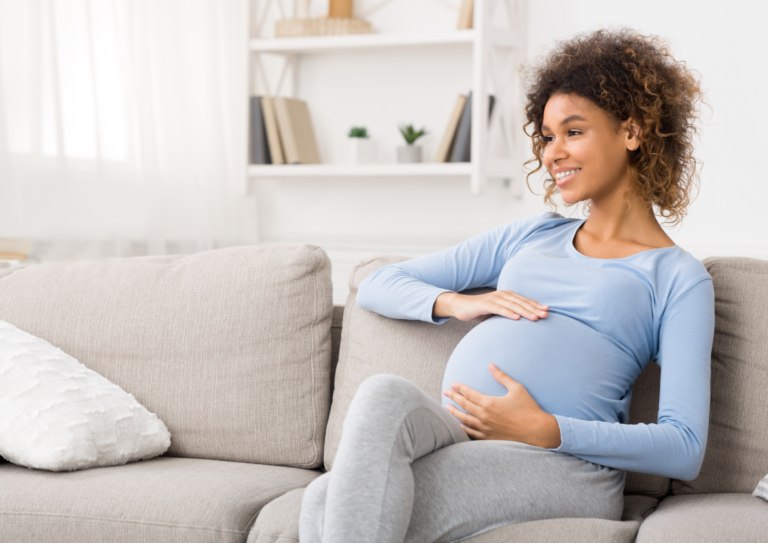
What does 22 weeks pregnant look like?
Other questions asked were:
- How does 22 weeks pregnant look?
- How does 22 weeks pregnancy look like?
- how does 22 weeks pregnant look like?
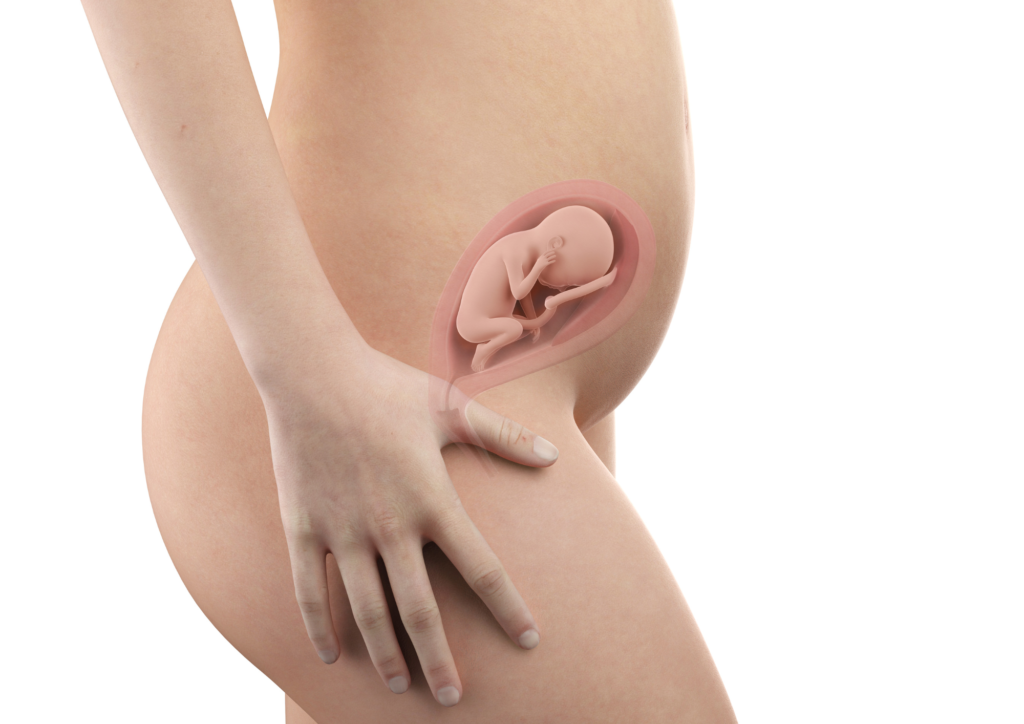
Here’s what 22 weeks pregnant looks like:
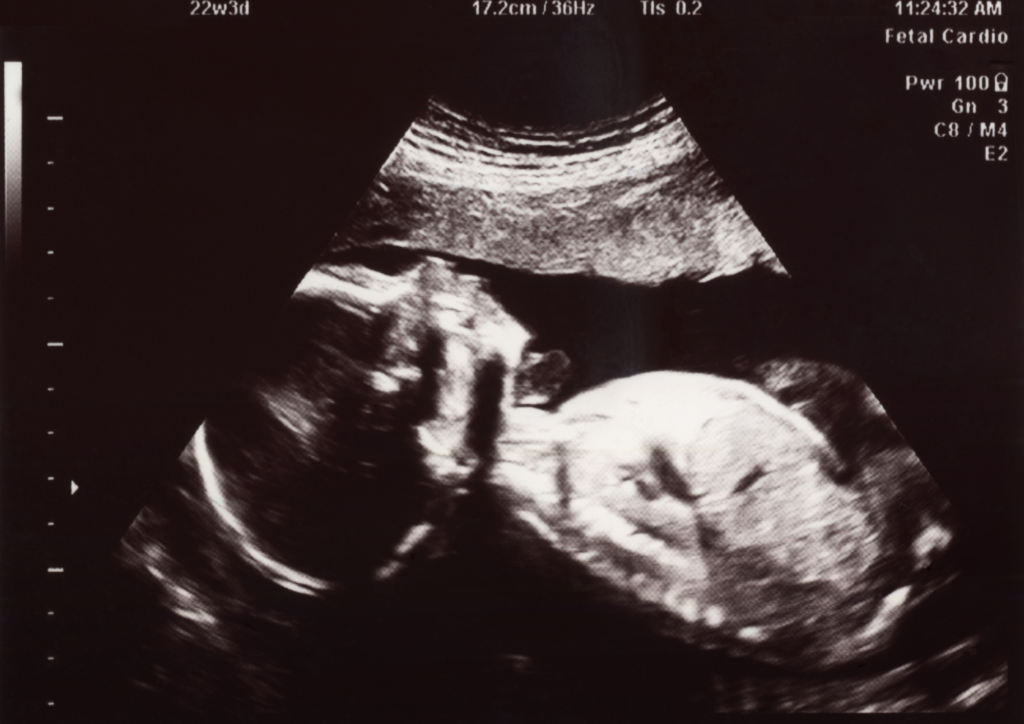
Can you run at 22 weeks pregnant?
Many women can continue to run during pregnancy, including at 22 weeks pregnant, but there are several considerations to keep in mind:
- Before continuing or starting any exercise regimen during pregnancy, always consult with your healthcare provider. They can provide guidelines tailored to your specific situation.
- As your pregnancy progresses, your body undergoes many changes that can affect your ability to run comfortably and safely. The increased weight, changes in your centre of gravity, and hormonal changes that relax your ligaments can all influence your balance and running gait.
- It’s essential to drink plenty of water before, during, and after your run to stay hydrated.
- Your body temperature is slightly elevated during pregnancy. Try to run during cooler times of the day and wear breathable clothing to prevent overheating.
- If you feel any pain, dizziness, shortness of breath, or any other unusual symptoms, stop running and consult with your healthcare provider.
- Choose flat and smooth surfaces to minimise the risk of trips and falls. Avoid running on uneven terrains or in conditions where you might slip.
- Wear supportive shoes and a good maternity support belt if needed. This can help distribute the weight and provide more comfort while running.
- It’s generally advised not to push yourself too hard during pregnancy. This isn’t the time to break personal records or increase your intensity. The general rule of thumb is that you should be able to carry on a conversation while exercising.
- If you experience any of the following, stop exercising and consult your healthcare provider:
- Vaginal bleeding
- Dizziness or feeling faint
- Shortness of breath before starting the exercise
- Chest pain
- Headache
- Muscle weakness
- Calf pain or swelling
- Regular, painful contractions
- Fluid leaking from the vagina
If you’re an experienced runner and have been given the okay by your healthcare provider, running can be a great way to stay active during pregnancy. If you’re new to running, pregnancy might not be the best time to start, but you can consider other forms of exercise more suited for beginners. Always prioritise safety and listen to your body.
What not to do at 22 weeks pregnant?
When you’re 22 weeks pregnant, it’s essential to prioritise your health and the health of your growing baby. Here are some general guidelines on what to avoid or be cautious of during this stage of pregnancy:
- Certain Foods: Avoid foods that carry a risk of foodborne illness or other harmful effects, such as:
- Raw or undercooked seafood, eggs, and meats.
- High-mercury fish like shark, swordfish, king mackerel, and tilefish.
- Unpasteurised dairy products and soft cheeses.
- Deli meats unless they’re heated until steaming hot.
- Excessive caffeine (it’s usually advised to limit caffeine intake to 200-300 mg per day).
- Alcohol.
- Overexertion: While staying active is beneficial, avoid overexerting yourself or taking part in high-impact activities that carry a risk of injury.
- Hot Tubs and Saunas: Prolonged exposure to high temperatures can be harmful during pregnancy, increasing the risk of birth defects. It’s best to avoid hot tubs, saunas, and steam rooms.
- Hazardous Chemicals: Avoid exposure to harmful chemicals, such as pesticides, paint fumes, and certain cleaning agents. Always ensure good ventilation if you’re working with chemicals and wear gloves.
- Certain Medications: Some medications, both prescription and over-the-counter, may not be safe during pregnancy. Always consult with your healthcare provider before taking any medication.
- Lifting Heavy Objects: Be cautious when lifting heavy objects. If you must lift something, use proper techniques, bending at your knees and keeping the object close to your body.
- Smoking: Avoid smoking and exposure to secondhand smoke. Both can increase the risk of premature birth, low birth weight, and other complications.
- Recreational Drugs: These can be harmful to both you and your baby and should be avoided.
- Wearing High Heels: As your pregnancy progresses, your centre of gravity shifts, making it easier to lose your balance. It’s best to wear comfortable and supportive shoes.
- Lying Flat on Your Back: After the first trimester, lying on your back can compress a major blood vessel, reducing blood flow to your heart and potentially to your baby. If you’re getting a procedure done or are when you need to lie down, try to tilt to your left side or use pillows to prop yourself at an angle.
- Travel: If you’re planning to travel, especially by air, consult with your healthcare provider. Some airlines have restrictions for pregnant passengers, and long flights might increase the risk of blood clots.
- Alcohol: It’s best to avoid alcohol entirely during pregnancy, as it can lead to foetal alcohol spectrum disorders (FASDs) and other complications.
Always consult with your healthcare provider regarding any concerns or questions you may have about activities or substances during pregnancy. They can offer guidance tailored to your specific situation.
What to buy at 22 weeks pregnant?
At 22 weeks pregnant, you’re more than halfway through your pregnancy and well into the second trimester, and it’s a good time to prepare for your baby. Here’s a list of items you might buy or researching at this stage:
- Maternity Clothing: As your bump grows, you may need more maternity clothes. Consider:
- Maternity jeans or pants
- Maternity tops and dresses
- Supportive maternity bras
- Maternity underwear
- Baby Gear:
- Crib and Mattress: Research and decide on a safe and suitable crib.
- Car Seat: It’s essential to have a car seat installed and inspected before the baby arrives.
- Stroller or Pram:* Depending on your needs and lifestyle, research the best options.
- Nappy Bag: Consider one that’s spacious and has multiple compartments.
- Nursery Items:
- Changing table or pad
- Dresser or storage for baby clothes
- Nappy bin and liners
- Baby monitor*
- Baby Clothes: You might start stocking up on baby clothes, but remember newborns grow quickly.
- Onesies
- Sleepers or pyjamas
- Socks and booties
- Hats and mittens
- Nappy Supplies:
- Nappies* (disposable or cloth, depending on your preference)
- Baby wipes*
- Nappy rash cream
- Feeding Supplies:
- Bottles* and nipples (even if you plan to breastfeed, having a few bottles can be useful)
- Breast pump (if you plan to breastfeed and pump)
- Formula (if you plan to formula-feed or want some as a backup)
- Muslins
- Baby Bedding:
- Fitted crib sheets
- Lightweight blankets
- Swaddling cloths
- Bathing Supplies:
- Baby bathtub or supportive sink insert
- Baby shampoo and body wash
- Soft washcloths
- Hooded towels
- Health and Safety Items:
- Digital thermometer
- Baby nail clippers or scissors
- Baby-safe laundry detergent
- Books: Consider purchasing or borrowing books on:
- Childbirth
- Newborn care
- Breastfeeding (if you plan to)
- Parenting
- Pregnancy and Birth Essentials:
- Birthing ball (useful for labour and pregnancy exercises)
- Maternity pads (for postpartum recovery)
- Nursing pads and nipple cream (if you plan to breastfeed)
- Comfortable clothes for labor and postpartum
- Miscellaneous:
- Consider starting or adding to a baby registry.
- Research and decide if you want to take childbirth or parenting classes.
- Begin or continue working on the baby’s nursery.
Remember, every pregnancy and family is unique, so tailor your purchases to your individual needs and preferences. Some parents prefer to buy everything ahead of time, while others wait until closer to the due date or even after the baby’s arrival for certain items.
🍼 Create Your Perfect Baby Shower Wish List on Amazon Today! 🍼
Bleeding when 22 weeks pregnant. What should I do?
Other questions asked were:
- Brown discharge when 22 weeks pregnant. What do I do?
I’m sorry to hear that you’re experiencing this, but it’s important to remember that I am not a doctor.
If you are experiencing bleeding at 22 weeks pregnant or at any stage of pregnancy, it’s essential to take it seriously and seek medical attention immediately. Here are some general guidelines:
- Contact Your Healthcare Provider: As soon as you notice bleeding, get in touch with your obstetrician, midwife, or healthcare provider. They can provide guidance on the next steps to take.
- Go to the Emergency Room or Labour and Delivery: If the bleeding is heavy or accompanied by pain, contractions, dizziness, or any other concerning symptoms, go to the nearest emergency room or your hospital’s labour and delivery unit.
- Avoid Intercourse and Douching: If you experience bleeding, it’s best to avoid sexual intercourse and douching until you’ve consulted with your healthcare provider.
- Note the Characteristics of the Bleeding: It might be helpful to note the colour, consistency, and amount of blood. This information can assist healthcare professionals in assessing the situation.
- Stay Calm: While bleeding can be a concern, try to stay calm. Stress and panic won’t help the situation. It’s essential to focus on getting the care and support you need.
There can be various causes for bleeding during pregnancy, some less concerning than others. Only a healthcare professional can evaluate and diagnose the cause. It’s crucial to prioritise your health and the health of your baby by seeking medical attention promptly.
I’m getting cramps when 22 weeks pregnant. What should I do?
Other questions asked were:
- I have pain when 22 weeks pregnant. What do I do?
- I have period pains when 22 weeks pregnant. What do I do?
- Is cramping at 22 weeks pregnant normal?
I’m not a doctor, but cramps during pregnancy can be concerning, especially if they’re severe, persistent, or accompanied by other symptoms. Here’s some general advice if you’re experiencing cramps at 22 weeks:
- Contact Your Healthcare Provider Immediately: It’s essential to get in touch with your obstetrician, midwife, or primary care provider when you experience cramping during pregnancy. They can provide guidance based on your specific situation.
- Go to the Hospital if Symptoms Are Severe: If the cramps are severe, regular, or accompanied by any of the following, seek medical attention immediately:
- Vaginal bleeding or spotting
- Fluid leakage from the vagina
- Lower back pain
- Pressure in the pelvis or vagina
- Changes in vaginal discharge
- Dizziness or fainting
- Any other pregnancy symptoms that seem unusual
- Rest: Lie down on your left side to increase blood flow to the uterus and try to relax. Sometimes rest can help alleviate minor cramps.
- Stay Hydrated: Drink plenty of water. Dehydration can sometimes cause cramping.
- Avoid Certain Activities: Until you know the cause of the cramping, avoid any strenuous activities, heavy lifting, and sexual intercourse.
- Monitor the Cramps: Note the intensity, frequency, and location of the cramps. This information can be helpful to your healthcare provider.
- Listen to Your Body: It’s essential to be in tune with your body. If something feels off or you’re concerned, it’s always best to seek medical advice.
Causes of cramping during pregnancy can range from benign (like ligament stretching) to more serious issues. It’s essential to rule out any potential complications, such as preterm labour or infections. Always prioritise your health and the health of your baby by seeking medical attention when you’re concerned about any symptoms.
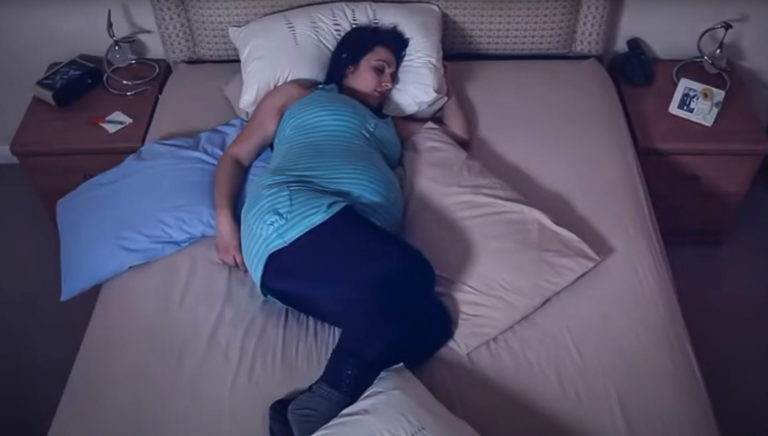
How to sleep 22 weeks pregnant?
Sleeping comfortably during pregnancy can be a challenge as your body changes and your baby grows. Your 22 weeks pregnant belly might make your usual sleeping positions less comfortable. Here are some tips to help you sleep better during this stage of pregnancy:
- Left Side is Best: It’s generally recommended to sleep on your left side during pregnancy. This position can improve blood flow to the baby, uterus, and kidneys. It also helps in relieving pressure on the liver, which is located on the right side.
- Use Pillows for Support: Using pillows can make a world of difference:
- Place a pillow between your legs to support your hips, which also helps to reduce leg cramps
- Use a pregnancy pillow or a regular pillow to support your belly.
- Prop up your upper body with pillows if you experience heartburn.
- Avoid Back Sleeping: As your uterus grows, it can put pressure on the vena cava (a major blood vessel) when you lie on your back. This can reduce blood flow to your heart and baby. If you roll onto your back while sleeping, consider using a pillow as a barrier to maintain your side position.
- Elevate Your Head: If you suffer from heartburn or indigestion, elevating your head can help keep stomach acids down and reduce discomfort.
- Limit Fluids Before Bed: While it’s crucial to stay hydrated, try to limit fluid intake in the evening to reduce nighttime trips to the bathroom.
- Establish a Routine: Keeping a regular sleep routine can help signal your body that it’s time for rest. This might include reading, taking a warm bath (not too hot), or practising relaxation techniques.
- Comfortable Sleep Environment: Make sure your mattress and pillows are comfortable. Keep the room at a comfortable temperature and use blackout curtains if needed. Consider using white noise machines or earplugs if noise is an issue.
- Stay Active: Regular physical activity can help you sleep better. However, it’s best to finish exercising at least a few hours before bedtime to give your body time to wind down.
- Limit Caffeine: Especially in the afternoon and evening, as it can interfere with your sleep.
- Manage Stress: Pregnancy can be a time of heightened emotions and stress. Consider relaxation techniques such as deep breathing, meditation, or prenatal yoga to help you relax.
- Dress Comfortably: Wear loose-fitting, breathable pyjamas to bed.
- Get Up Slowly: Because of changes in blood pressure during pregnancy, you might feel dizzy if you get up too quickly from a lying position. Make it a habit to rise slowly to avoid dizziness.
If sleep problems persist or you’re concerned about your sleep patterns, it’s essential to consult with your healthcare provider. They might offer additional suggestions or check for underlying issues that could be affecting your sleep.
22 weeks pregnant symptoms of boy?
Other questions asked were:
- 22 weeks pregnant baby boy symptoms. What should I look out for?
- 22 weeks pregnant: symptoms of girl?
There’s a lot of folklore and myths surrounding ways to predict a baby’s gender during pregnancy, but it’s important to note that none of these methods are scientifically proven to be accurate. The symptoms or changes a pregnant person experiences during pregnancy are generally because of hormonal changes, the growth of the foetus, and other physiological factors—not the gender of the baby.
That being said, here are some common myths and old wives’ tales that claim to predict a baby’s gender:
- Carrying Shape: Some say if you’re carrying high, it’s a girl, and if you’re carrying low, it’s a boy.
- Cravings: Craving sweets might mean you’re having a girl while craving salty or sour foods might mean it’s a boy. This was the total opposite for me!
- Skin Condition: Clear and glowing skin could indicate a boy, while acne breakout could suggest a girl—due to the “stealing of beauty.”
- Heart Rate: A fetal heart rate above 140 beats per minute might indicate a girl, while one below 140 might suggest a boy.
- Moodiness: Some believe moodiness indicates a girl due to higher oestrogen levels.
- Morning Sickness: Severe morning sickness could indicate a girl, according to some tales.
- Swelling of Legs: Some believe that if your right leg swells more than the left, it’s a boy, and vice versa.
However, it’s crucial to reiterate that these are all myths, and none have been consistently proven by scientific research.
If you’re keen to know the gender of your baby, the most reliable methods include:
- Ultrasound Examination: Usually done between 18-22 weeks, a mid-pregnancy ultrasound (often called an anatomy scan) can identify the baby’s gender if the baby is positioned in a way that allows the technician to see the genital area.
- Genetic Testing: Tests like chorionic villus sampling (CVS) or amniocentesis can determine the baby’s gender, but these are invasive tests and are usually done for medical reasons, not just to determine gender.
- Non-Invasive Prenatal Testing (NIPT): This blood test can detect the baby’s DNA in the mother’s bloodstream and can determine gender as well as screen for certain genetic conditions. It’s often available from 10 weeks onwards.
If you’re interested in finding out your baby’s gender, speak with your healthcare provider about the best and most accurate options for you.
At 22 weeks pregnant baby kicking low. What does this mean?
Feeling your baby kick and move is an exciting part of pregnancy, and the location of those movements can vary as your pregnancy progresses and depending on the baby’s position.
At 22 weeks pregnant, feeling the baby kick low is not uncommon and can be attributed to several reasons:
- Position of the Baby: At 22 weeks, your baby still has plenty of room to move around in the uterus. The baby might be positioned head up (breech) or head down (cephalic). If the baby’s feet are down, you might feel more kicks in the lower part of your abdomen. Similarly, if the baby is lying in a transverse position (sideways), the feet might be directed towards the lower part of your uterus.
- Position of the Placenta: If you have an anterior placenta (placenta attached to the front wall of the uterus), it might cushion some of the baby’s movements, making kicks feel less pronounced in the front and more noticeable lower down or on the sides.
- Growth and Development: At 22 weeks, your baby is still growing and developing. As the baby grows, they might change positions, and the location of the kicks might change as well.
- Your Anatomy: The perception of where you feel the kicks can also be influenced by your own anatomy, including the position and shape of your uterus and the distribution of abdominal fat.
It’s essential to remember that every pregnancy is unique. While some expectant mothers might feel their baby’s movements higher up, others might feel them lower down. Over time, as your baby grows and occupies more space, you’ll likely feel movements in various parts of your abdomen.
If you ever become concerned about the frequency or strength of your baby’s movements, or if you notice a sudden decrease in activity, contact your healthcare provider for guidance. Regular patterns of foetal movement are an indicator of the baby’s well-being, so always trust your instincts and reach out if something feels off.
Note: These are just general ideas of how you and your baby are getting on. Don’t forget that every baby develops differently and your personal journey will be different. If you are concerned about your baby’s development, please consult your doctor or midwife.



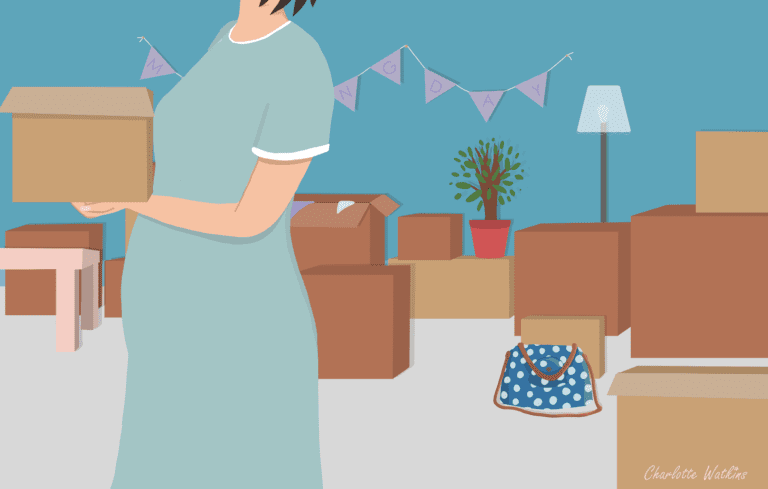
*Illustrations by Charlotte Watkins.
If you have any questions about her work, please contact Charlotte via her website, Facebook, Instagram or LinkedIn*
*Contains affiliate links
Are you pregnant? Grab your free pregnancy pack now – details inside!