
Home remedies for hair fall after pregnancy
It’s exhausting being a parent! Not only do you have to look after a brand new little person, but when you look in the mirror, you don’t recognise yourself anymore. And with the sleepless nights and endless cuddles comes an unexpected guest: post-pregnancy hair fall. It’s like your luscious, glossy pregnancy hair left with the stork!
But before you fret, let’s unravel this hairy situation together. As natural as the sunrise, hair fall after pregnancy is a common experience for many, yet it often catches us by surprise. In this journey, we’ll explore some tried-and-true home remedies for hair fall after pregnancy that not only nurture your hair back to health but also weave in a bit of that much-needed self-care.
Want the full story on postpartum hair loss? Grab a cup of your favourite beverage (if you’re able to!), and let’s embark on this journey to reclaim your crowning glory, one strand at a time.
What is postpartum hair loss?
One day you’re marvelling at the thick, lustrous locks you enjoyed during pregnancy, and the next, you’re wondering if your shower drain is plotting against you. So, what’s the deal with this follicular fallout?
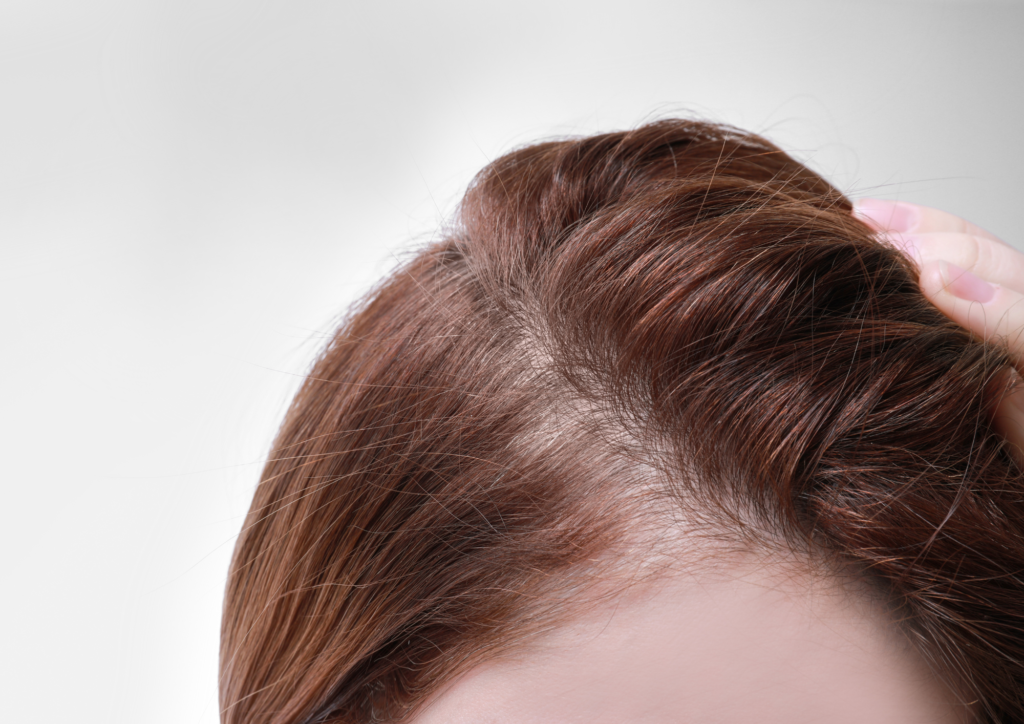
Postpartum hair loss, also known as postpartum alopecia, is a common condition experienced by many women after childbirth, where hair falls seemingly quicker than when it grows, causing thinning and shedding hair.
What causes postpartum hair loss? How your hormones change during pregnancy and postpartum
During pregnancy, hormonal changes like elevated oestrogen levels prolong the growing stage of hair (anagen phase), leading to less shedding and thicker tresses. However, after childbirth, oestrogen levels drop rapidly, resulting in a significant shedding of hair (telogen phase). This leads to a condition called postpartum telogen effluvium, where you experience significant hair loss.
How long does postpartum hair loss last and is your postpartum hair loss normal?
One study1 examined how pregnancy and the postpartum period affect the hair growth cycle in women and found significant differences in hair growth and shedding phases between four groups studied, i.e. pregnancy, full-term pregnancy, four months after birth and then the first year after birth.
Notably, four months after childbirth, women generally have less hair growing and more hair shedding compared to when they were pregnant. Breastfeeding women have more hair growth and less shedding than those who aren’t breastfeeding. But by the first year after childbirth, there’s no big difference in hair growth or shedding between those who breastfeed and those who don’t.
So the study concluded that while hair in the growth phase increases during pregnancy and hair in the shedding phase increases after childbirth, these changes are not extreme for most women and you generally see hair growing back by the time the first year is over,
How much hair will I lose?
While it’s alarming to see clumps of hair falling out, it’s important to remember that this is usually just the body’s way of returning to its pre-pregnancy state. For most women, their hair returns to its usual fullness by their child’s first birthday. If, like me, you notice much thinner hair after one year, we have some home remedies you can try to boost your hair regrowth. And, if this doesn’t work, we have some treatment plans and tips on how to approach your doctor about your thinning hair.
How common is postpartum hair loss? Why post partum hair loss is normal
Post pregnancy hair loss is a very common phenomenon, affecting a significant number of women after childbirth. Estimates suggest that postpartum hair loss affects between 40% to 50% of women, though anecdotally this number may be higher. Hair loss can vary amongst people so it’s important to address your own hair loss needs and not compare it to others.
How to treat postpartum hair loss – home remedies for hair fall after pregnancy
Postpartum hair loss doesn’t always require medical treatment. Maintaining a healthy diet and using gentle hair care products can help boost hair. Sometimes, prenatal vitamins and supplements might be recommended to boost hair growth too.
Below are more ideas on how to boost hair growth at home, although it’s important to note that while these remedies are backed by some level of research or expert opinion, specific studies focusing on their effectiveness for postpartum hair regrowth are limited. So always consult with a healthcare professional who can offer you expert tips on how to boost hair growth.

Eating a prohair diet – a balanced diet rich in vitamins and minerals
Nutritionists emphasise the importance of a balanced diet rich in vitamins and minerals for hair health. Biotin, in particular, has been highlighted for its role in hair growth, as well as vitamins A, E, C, and D. Eating probiotic yoghurt regularly has also been linked to improved skin and hair health in animal studies.
A study published in 20072 showed that caffeine can stimulate hair follicle growth and help hair develop thicker roots, however, this was a study for countering the negative effects of testosterone on hair follicles, so related to men specifically.
Which nutritional deficiencies can cause or worsen hair loss?
Nutritional deficiencies can indeed contribute to hair loss. Various studies have pointed out specific nutrients whose deficiency might either cause or exacerbate hair loss.
One study3 showed that not getting enough certain nutrients can cause problems with hair, like affecting its strength, look, and health. However, we don’t fully understand how each nutrient helps hair grow and stay healthy.
Factors like age, poor nutrition, problems with absorbing nutrients, and certain medicines can increase the risk of not getting enough nutrients. Another study4 recommended a doctor look at your medical and food history and do a physical exam to check if you’re missing important nutrients, which could cause excessive hair loss. The study also says more research is needed to see if taking extra nutrients helps when there’s no clear lack of them.
This research5 looked at zinc and copper levels in people with different kinds of hair loss. They found that those with hair loss had much lower levels of zinc in their blood than people without hair loss. The study suggests that problems with how the body uses zinc might be a big reason for hair fall after delivery, especially in types called alopecia areata (AA) and telogen effluvium (TE). However, more research is needed to understand how copper affects hair growth and loss.
Other nutrition deficiencies include:
Iron deficiency
Iron deficiency, which can lead to anaemia, is one of the most common causes of hair loss, especially in women. Iron is crucial for hair cell protein synthesis6.
Protein
Hair comprises a protein called keratin. A diet low in protein7 can lead to weaker hair and potentially hair loss.
Vitamin D
Low levels of vitamin D are associated with alopecia, a technical term for hair loss. Vitamin D may help create new follicles8, the tiny pores in the scalp where new hair can grow.
B Vitamins
Biotin (Vitamin B7) is commonly associated with hair growth9. Deficiencies in other B vitamins, such as B12, can also cause hair loss.
Fatty Acids
Deficiencies in essential fatty acids, particularly omega-3 and omega-6, can lead to hair loss.
Vitamin A
Both an excess and a deficiency in Vitamin A can lead to hair loss10.
Vitamin E
This vitamin is important for overall skin and hair health. Lack of Vitamin E can contribute to hair loss.
Natural remedies for postpartum hair loss – consider herbal remedies
A couple of studies note certain herbal remedies that promote new hair growth, although they may not cover the specific context of postpartum hair regrowth.
One study11 talks about different plants and their key ingredients for treating postpartum hair loss. Plants like Curcuma aeruginosa (pink and blue ginger), Serenoa repens (palmetto), Cucurbita pepo (pumpkin), Trifolium pratense (red clover), and Panax ginseng (Chinese red ginseng) have been shown to help with hair loss. They mainly work by blocking a substance called 5α-reductase. They also help by improving nutrition and blood flow to the scalp.
Postpartum hair loss remedies – oil treatments can help boost hair growth
Finding studies specifically focused on the effectiveness of oil treatments for boosting postpartum hair growth however was challenging because of the limited direct research in this area.
One study12 looked at traditional home remedies for hair and scalp care in the West Bank-Palestine. It found that oils, like olive oil and Ricinus communis oil, were popular. People often used these oils alone or in mixtures, applying them directly to the scalp, and these oils were effective in treating hair loss, damaged hair, and split ends. The study also noted that products from minerals or animals were frequently mixed with natural items like eggs, honey, or olive oil for similar hair treatments.
Several studies and expert opinions offered insights into the potential benefits of certain oils for hair health and growth, which may apply to postpartum hair growth as well. These were:
Top home remedies for postpartum hair fall – Rosemary Oil
Although research specifically on rosemary oil for postpartum hair loss is limited, studies have shown that rosemary oil can fight patchy hair loss, like alopecia areata. In a study, people with alopecia areata who rubbed a rosemary essential oil blend into their scalp daily for seven months showed significant improvement in their hair loss.13
The best treatments for postpartum hair loss – Tea Tree Oil
A 2013 study14 suggested that using a mixture of tea tree oil and Rogaine can increase hair count. This implies potential benefits for hair growth, which could be relevant for postpartum hair regrowth.
Natural ways to treat postpartum hair loss – Lavender Oil
A 2016 study15 on mice showed that lavender oil can promote rapid and thick hair growth. While this study was conducted on mice, it suggests potential benefits that might apply to humans as well, including postpartum hair regrowth.
Hair postpartum – cedarwood oil
Studies have shown16 that cedarwood oil helps to stimulate blood circulation around the scalp, which promotes healthy hair growth and balances oil-producing glands on the scalp.
Postpartum hair loss home remedies – frankincense oil
A 2013 study on rats17 showed that frankincense oil promotes good sleep and reduces instances of postpartum stress, which can lead to hair loss. While this study does not directly link frankincense oil to hair growth, reducing stress is a key factor in mitigating hair loss, including postpartum hair loss.
Postnatal hair loss remedy – peppermint essential oil
A 2014 study18 found that peppermint seed oil might help hair grow. It showed that in mice, hair grew faster and thicker with peppermint oil, which could be because the oil increases blood flow to the hair roots. Impressively, peppermint oil was better at growing hair (92% effectiveness) than minoxidil, a common hair growth treatment (55% effectiveness).
Peppermint oil also makes the skin and hair roots thicker, which might be down to the menthol in the oil, which widens blood vessels. This suggests peppermint oil could be a good natural option for hair growth by improving blood flow on the scalp.
Postpartum hair loss remedy – coconut and castor oils
A review of studies found19 that coconut, castor, and argan oils are traditionally used in India and Africa for hair problems. When you massage hair with coconut oil, it can help with brittle hair and scalp issues, but its effects on hair growth aren’t clear. Castor oil might make hair shinier, but there’s not much proof that it helps hair grow or treats scalp problems.
Postpartum hair treatments to try – Nutraceutical supplement study
A six-month study20 looked at how well a supplement with natural plant ingredients worked to help women who felt their hair was thinning. Although it wasn’t specifically about hair growth after pregnancy, the study hints that natural treatments might be helpful for hair regrowth too.
These findings suggest that certain oils and natural supplements may be beneficial for hair growth and might help address postpartum hair loss. However, it’s important to consult with a healthcare professional before starting any new treatment, especially in the postpartum period.
The Cleveland Clinic offers some tips for dealing with hair loss after pregnancy, like being careful with herbal supplements, especially when breastfeeding, as their effectiveness and safety aren’t well-proven.
Lifestyle adjustments can help with postpartum hair regrowth
Finding a specific study that shows how lifestyle adjustments can help with postpartum hair regrowth is challenging because there isn’t a lot of research out there. However, there is some useful information about hair loss after pregnancy.
One study with 98 women21 showed that most of them started losing hair 8 to 16 weeks after giving birth, but for about two-thirds of them, their hair went back to normal within four to six months. The study mainly advised patients not to worry too much, as hair regrowth happened for almost everyone unless they had a different health issue causing the hair loss.
The relationship between stress and hair loss
The relationship between stress management techniques and postpartum hair regrowth, as well as the roles of sleep, relaxation, and exercise in hair health, can be understood through various studies and expert insights.
Researchers at Harvard University22 found that long-term stress can damage the stem cells in hair follicles in mice. They noticed that a stress hormone caused these stem cells to stay in a resting phase for a long time, not allowing new hair to grow. This means that reducing stress might help with hair growth, however, more research is needed before we can be sure this applies to people too.
Postpartum hair loss natural treatment remedies – sleep and hair growth
Getting enough good sleep is also important for growing healthy hair and preventing hair loss and damage. When you sleep, your body fixes and renews hair follicles, which helps your hair grow properly. Good sleep also helps blood flow better to your scalp, which is necessary for strong, healthy hair. The hormone melatonin, which is made while you sleep, helps make your hair thicker and better textured, and enough sleep can also prevent early greying by helping your body produce the right amount of hair colour pigment.
Ways to relieve postpartum hair loss – exercise and hair health
Specific studies linking post-pregnancy exercises to hair health were not readily available. However, regular exercise is great for your overall health and can help your hair grow while also reducing hair loss. When you exercise, more blood flows to your scalp, which helps feed and grow your hair follicles. Exercise also lowers stress, which can otherwise cause too much hair to fall out. Plus, the endorphins (happy hormones) that you make when you exercise can make you feel better overall, which is also good for your hair.
Exercise is especially recommended during and after pregnancy. It helps prevent chronic health problems, similar to the benefits of not smoking. After giving birth, either naturally or by C-section, you might need to pause your usual exercise routine, but it’s good to exercise again once you’re able23.
Postpartum hair tips to try – protect your skin and hair from the sun
While there is no specific study that directly links sunscreen use to postpartum hair regrowth, there is evidence suggesting that sunscreen can protect hair from damage24 caused by UV rays, which could be beneficial for overall hair health.
Sunscreen is not only used to prevent sunburn but also to protect against ageing of the skin, uneven skin tone, DNA damage, and even skin cancer. These benefits of sunscreen for the skin suggest it might also help protect your hair from the sun. Therefore, UV protection remains essential, even on cloudy days.
Tips to relieve postpartum fair loss – have a good haircare regime in place
Studies and expert advice highlight the importance of gentle hair care and understanding the impact of chemicals and heat on hair, especially in postpartum hair regrowth.
Fighting postpartum hair loss with simple natural solutions – Gentle hair care and using the right hair care products
Taking care of your hair gently, like brushing softly, not using hot tools too much, and not tying it too tightly, can help prevent hair from breaking and falling out. Getting regular haircuts and using shampoos that add volume can also make your hair look thicker and healthier.
Also, consider using natural hair products and avoiding harsh hair products to promote healthier hair. Use lighter conditioners and treat hair gently during washing and combing. Use lower heat settings on blow dryers and styling irons, avoid tight ponytails and braids, and think about having shorter hairstyles for a fuller appearance and easier care.
A study on the effects of heat treatment on hair structure25 showed that heat can change how hair looks and feels. If hair is heated to less than 140 degrees Celsius, it doesn’t change much and any changes can be undone. But, if it’s heated above 140 degrees Celsius, the changes are big and can’t be fixed, like how the outer layer of the hair looks. This means using very hot tools for styling can damage hair a lot. It’s best to use a lower heat, around 60 degrees Celsius, to keep hair healthy and avoid damage.
These tips are especially important after having a baby when your hair might be weaker26.
There are treatment options for hair loss – how to regrow hair after pregnancy
If hair thinning from stress or post-pregnancy is affecting your self-esteem, know that effective treatments exist. There are options beyond concealing shedding strands. Consider a hair loss treatment plan that will fit your specific needs. You can find a range of different hair loss treatments that are available from online pharmacies.
Stop postpregnancy hair loss – when to seek professional help
When dealing with hair loss after pregnancy, it’s important to know when it’s time to seek help from a medical professional. If you’re losing a lot of hair for more than six months, still seeing postpartum hair loss after 1 year, notice worrying changes in how your hair feels or looks, or experience other issues like an itchy scalp or bald spots, see a healthcare provider. A dermatologist or trichologist can give you expert advice on extreme hair loss postpartum, figure out if there’s a deeper problem, and suggest treatments that are more effective than home remedies, making sure your hair and overall health are well looked after.
Final thoughts on home remedies for hair fall after pregnancy
If you’re dealing with hair loss after having a baby, just know you’re not alone – it’s pretty normal and usually just a phase. Try being gentle with your hair, eating well, and keeping stress at bay, as these can help get your hair growing back. But remember, everyone’s different, and what helps one person might not do the trick for another. It’s all about tuning into what your body needs. And if things don’t seem to get better, it’s okay to ask for some expert advice on extreme hair loss after pregnancy.
Just be patient and kind to yourself – you’ve got this! After all, getting your hair back in shape is just another part of the incredible journey of being a parent.
FAQ
How to stop hair fall after delivery?
Other questions asked were:
- How to regrow hair after pregnancy?
- What home remedy can I use to stop postpartum hair fall?
- Ways to reverse postpregnancy hair loss?
- How can I stop my hair falling out after pregnancy?
- Does hair loss after pregnancy grow back?
- How long does hair loss last after pregnancy?
- How to get my hair to stop falling out after pregnancy?
- Postpartum hair loss, will it grow back?
- How to prevent hair loss after pregnancy?
- How to treat hair fall after delivery?
- Will my hair grow back after postpartum hair loss?
- What are some of the recommended postpartum hair loss remedies?
- What are the signs of postpartum hair loss?
- How can I prevent postpartum hair loss?
- How is postpartum hair loss diagnosed?
- How is postpartum hair loss treated?
- When does postpartum hair loss stop?
- What are reasons for hairfall after delivery?
- Is hair loss normal during postpartum?
- My hair is falling after having a baby. What do I do?
- For how long does postpartum hair loss last?
- Why does hair fall out after pregnancy?
- Why hair fall after delivery?
- How to control postpartum hair fall?
- Top best ways to lessen hair fall post pregnancy?
Please check out the article above for more tips on how to combat hair fall after childbirth and promote hair regrowth.
Do you have any Indian home remedies for hair fall after delivery?
Indian home remedies for hair fall, especially postpartum, are rooted in Ayurveda and traditional practices that have been passed down through generations. Here are some popular and natural remedies you might find helpful:
- Coconut Oil Massage: Coconut oil is widely used in India for hair care. Gently massaging your scalp with warm coconut oil can stimulate blood circulation and strengthen hair roots. It’s also believed to nourish the scalp and condition the hair.
- Amla (Indian Gooseberry): Amla is rich in Vitamin C and antioxidants. You can use amla oil for scalp massage or make a hair pack by mixing amla powder with water or coconut oil. This is known for promoting hair growth and reducing hair fall.
- Fenugreek Seeds (Methi): Soak fenugreek seeds overnight and grind them into a paste. Apply this to your scalp and hair, and leave it on for about 30 minutes before washing it off. Fenugreek is known for its hair-strengthening and nourishing properties.
- Bhringraj (Eclipta Alba): Bhringraj is a herb widely used in Ayurvedic treatments for hair loss. You can apply bhringraj oil to the scalp or use a paste made from its leaves and apply it to your scalp and hair.
- Neem Leaves: Boil neem leaves, cool the water, and use it to rinse your hair after shampooing. Neem has antibacterial properties that can keep the scalp healthy and free from infections, which can reduce hair fall.
- Curry Leaves: Curry leaves can be used to prepare a hair tonic. Boil some curry leaves in coconut oil, strain the leaves out, and apply the oil to your scalp. This is believed to stimulate hair growth.
- Yoghurt and Egg Hair Mask: Mix yoghurt with an egg and apply the paste to your scalp and hair. This mask is known for nourishing the hair, promoting hair growth, and reducing hair fall.
- Aloe Vera: Apply fresh aloe vera gel to the scalp and hair. Aloe vera has enzymes that promote hair growth and condition the scalp.
- Healthy Diet: Consuming a diet rich in iron, protein, and essential vitamins (like A, E, and B complex) is crucial. Include green leafy vegetables, fruits, nuts, seeds, and dairy products in your diet.
Can your hair fall out when pregnant?
Other questions asked were:
- Is hair fall normal in pregnancy?
- Hair fall during pregnancy causes and treatment?
Most of the time, women don’t lose hair when they’re pregnant. Actually, they often get thicker hair! This is because of higher oestrogen levels during pregnancy, which keeps hair growing longer than usual.
However, some women might notice their hair getting a bit thinner or falling out either during pregnancy or after having the baby. This is usually just for a short time and can happen because of hormone changes, stress, changing what they eat, or not getting enough vitamins.
After the baby is born, it’s more common for women to lose some hair. This happens because estrogen levels go down, making more hair go into a resting phase and then fall out. This is called telogen effluvium, but don’t worry, it’s usually just temporary and hair gets back to normal in a few months.
If you’re losing a lot of hair during or after pregnancy, it’s a good idea to talk to a doctor. They can check if there’s another reason for the hair loss and might suggest eating well, taking care of your hair, or maybe taking some supplements.
Can my hair loss affect my baby?
No, hair loss after childbirth won’t affect your baby at all. Hair loss during or after pregnancy is something that happens to you because of changes in your body like hormone levels changing. It doesn’t have any impact on your baby’s health or development. So, you don’t need to worry about that! If your hair loss is bothering you, it’s always a good idea to chat with a doctor, but your baby will be just fine.
Can parachute coconut hair oil stimulate hair growth?
Parachute coconut oil is popular for hair care, but whether it actually stimulates hair growth is a bit of a debate. Coconut oil is great for moisturising and strengthening hair, which can prevent breakage and make your hair look healthier and fuller. Some people believe that because it keeps your scalp healthy, it might help with post delivery hair loss, but there’s no solid scientific proof that it directly causes hair to grow faster or thicker. So, using it can make your hair look and feel better, but it’s not a guaranteed way to make your hair grow more.
Is it okay to take Becosule capsules every day for four months to stop hair loss?
Taking Becosule capsules, which are basically a multivitamin supplement, every day for four months might be okay for some people, but it’s really important to check with a doctor first. These capsules have a bunch of vitamins that can be good for your hair, like B vitamins. They might help with hair health, but they aren’t a surefire solution for stopping hair loss. Also, taking any supplement for a long time, especially for months, should be done under a doctor’s guidance to make sure it’s safe for you and won’t interfere with other health factors. So, the best move is to have a chat with your doctor about it.
What is the best shampoo and conditioner for hair loss after pregnancy?
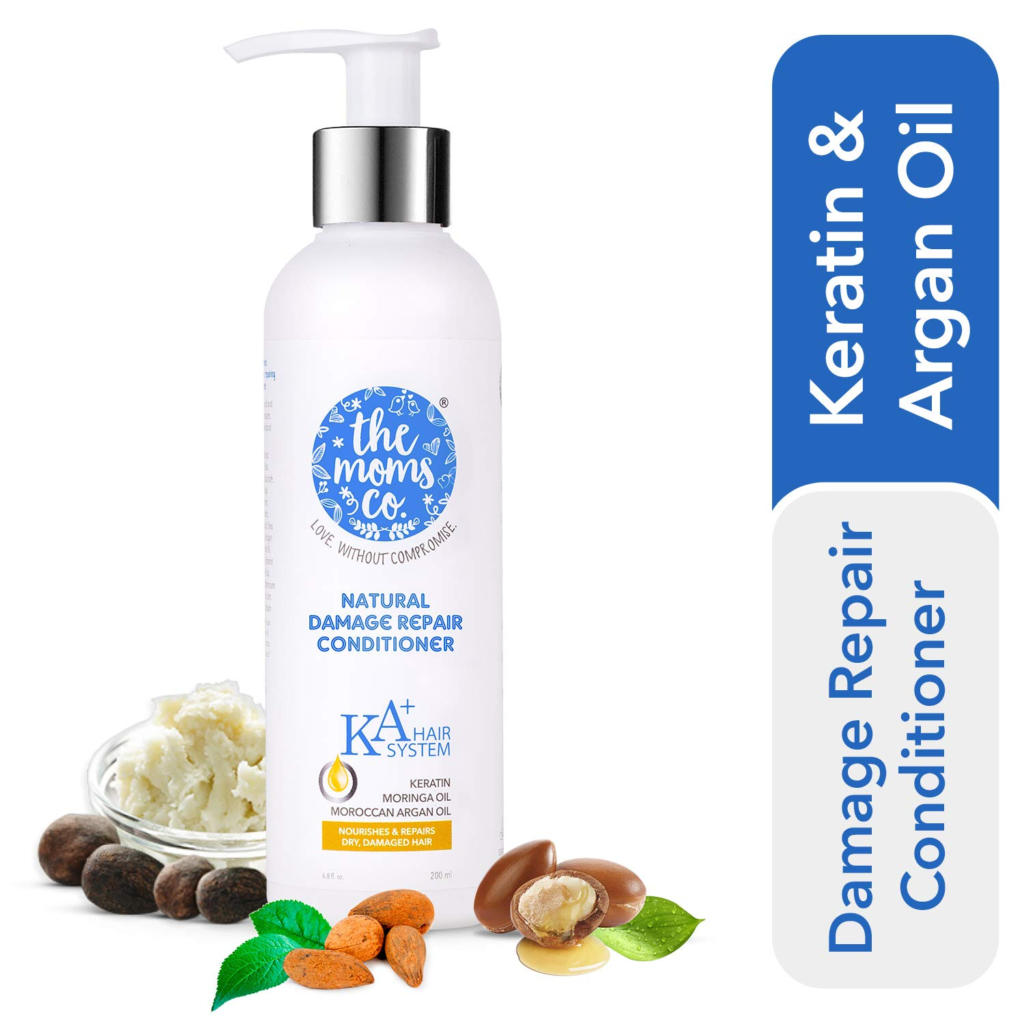
Finding the best shampoo and conditioner for hair loss after pregnancy can vary from person to person, but there are a few types that are generally recommended. Look for products that are labelled as “volumising” or “thickening” as they can help make your hair look fuller. Also, shampoos with ingredients like biotin, keratin, or caffeine are often suggested because they can strengthen hair and promote health.
It’s also a good idea to use gentle, natural products since your hair might be a bit more sensitive after pregnancy. Avoid harsh chemicals and look for shampoos and conditioners with natural oils and vitamins.
Remember, what works for one person might not work for another, so you might have to try a few different products to see what works best for you. And if you’re really worried about hair loss, it’s always a good idea to talk to a dermatologist or a hair care specialist. They can give you personalised advice based on your hair type and situation.
A product which has been recommended for post-delivery hair regrowth is:
Which natural protein hair serum can I use to promote hair regrowth?
Using a natural protein hair serum can be a good idea to help promote hair regrowth. These serums often have ingredients like keratin or other proteins that can strengthen your hair. This can reduce breakage and make your hair look thicker and healthier.
Apart from protein, look for serums with natural ingredients like oils (like argan or coconut oil), aloe vera, or vitamins. These can nourish your scalp and hair, creating a good environment for hair growth.
Some hair serum products which have been recommended are:
- The Moms Co Natural Hair Strengthening Oil – Controls Hairfall With Amla Oil, Bhringraj Oil, Coffee Oil, Tea Tree Oil (100ml)*
- Anti Hair Fall 3-Step Protein Kit
- Natural Antihair Fall Complete Care Kit*
Remember, while these serums can help your hair look and feel better, they’re not a miracle cure for hair loss. They work best as part of a healthy hair care routine. And as always, if you’re really concerned about hair loss, it’s a good idea to talk to a professional like a dermatologist for advice tailored to your specific needs.
What are the different ways to use Neem for hair care and dandruff removal?
Neem is great for hair care, especially for tackling dandruff. Here are some simple ways you can use neem:
- Neem Oil: You can massage neem oil directly into your scalp before washing your hair. It’s strong, so you might want to dilute it with a carrier oil like coconut or olive oil. Leave it on for about an hour, then shampoo it out.
- Neem Leaf Paste: Make a paste by grinding neem leaves with a little water. Apply this paste to your scalp, leave it on for about 30 minutes, then wash it off. It’s a bit messy but really effective for dandruff.
- Neem Water Rinse: Boil neem leaves in water, let the water cool, and then strain it. Use this neem-infused water as a final rinse after you shampoo. It’s a gentle way to use neem and can help with scalp health.
- Neem and Yogurt Mask: Mix neem powder with yoghurt to make a hair mask. This can soothe your scalp and fight dandruff. Apply it to your scalp, leave it for about 30 minutes, and then wash it off.
Remember, neem can be pretty potent, so if you have sensitive skin or are trying it for the first time, do a patch test first. And if you have any scalp conditions, check with a dermatologist before trying new home remedies.
What are the best hair loss after pregnancy treatment and vitamins to buy?
Other questions asked were:
- What vitamins are good for postpartum hair loss while breastfeeding?
- What are some of the recommended postpartum hair loss vitamins?
- What doctor should you consult for hair loss treatment?
- Can Rogaine help postpartum hair loss?
After pregnancy, if you’re dealing with hair loss, there are a few hair loss postpartum treatment products and vitamins you can try:
- Topical Treatments: Products with Minoxidil (like Rogaine) are often recommended. You apply them directly to your scalp to help encourage hair growth.
- Natural Oils: Oils like coconut, argan, and castor oil are good for your scalp and hair. They can help strengthen your hair and prevent breakage.
- Gentle Hair Care: Use a gentle, sulfate-free shampoo and avoid harsh styling practices. This can reduce further stress on your hair.
Postpartum hair loss vitamins:
- Biotin: This is a popular vitamin for hair growth. It’s often found in hair care supplements.
- Vitamin D: Low levels of Vitamin D are linked to hair loss. Taking a supplement might help.
- Iron: Especially if you’re anaemic, iron supplements can improve hair health.
- Omega-3 and Omega-6 Fatty Acids: These can be found in fish oil supplements and are good for hair thickness and growth.
Remember, it’s best to talk to a doctor before starting any new supplement, especially if you’re breastfeeding. They can guide you on what’s safe and what might work best for your situation.
How do PRP injections help hair growth?
PRP (Platelet-Rich Plasma) injections are a cool way to help with hair growth. Here’s how they work in simple terms:
- Getting Your Blood: First, a small amount of your blood is taken, just like a regular blood test.
- Separating the Good Stuff: This blood is then spun in a machine called a centrifuge. This separates your blood into different layers, and one of those layers is rich in platelets. Platelets are tiny cells in your blood that help with healing and growth.
- Injecting the Platelets: The layer of blood with lots of platelets (that’s the PRP) is then injected into your scalp. The idea is that these platelets will help heal hair follicles that aren’t growing hair as well as they could be.
- Stimulating Hair Growth: The growth factors in the platelets are believed to encourage hair follicles to grow hair again.
It’s kind of like giving a boost to your scalp, using your body’s own natural materials. PRP is considered safe since it uses your own blood, but it’s not a guaranteed fix for everyone. It’s best to talk to a healthcare professional to see if it’s a good option for you.
Resources
- The changes in the hair cycle during gestation and the post-partum period ↩︎
- A study published in 2007 indicated that caffeine can stimulate hair follicle growth and help hair develop thicker roots. ↩︎
- Nutrition and hair ↩︎
- Diet and hair loss: effects of nutrient deficiency and supplement use ↩︎
- Analysis of Serum Zinc and Copper Concentrations in Hair Loss ↩︎
- The diagnosis and treatment of iron deficiency and its potential relationship to hair loss ↩︎
- Nutritional factors and hair loss ↩︎
- Role of vitamin D in hair loss: A short review ↩︎
- A Review of the Use of Biotin for Hair Loss ↩︎
- Vitamin A in Skin and Hair: An Update ↩︎
- Long-peptide vaccination with driver gene mutations in p53 and Kras induces cancer mutation-specific effector as well as regulatory T cell responses ↩︎
- Ethnopharmacological survey of home remedies used for treatment of hair and scalp and their methods of preparation in the West Bank-Palestine ↩︎
- Randomized trial of aromatherapy. Successful treatment for alopecia areata ↩︎
- Preparation and evaluation of a multimodal minoxidil microemulsion versus minoxidil alone in the treatment of androgenic alopecia of mixed etiology: a pilot study ↩︎
- Hair Growth-Promoting Effects of Lavender Oil in C57BL/6 Mice ↩︎
- Rosemary oil vs minoxidil 2% for the treatment of androgenetic alopecia: a randomized comparative trial ↩︎
- The Effects of Frankincense Essential Oil on Stress in Rats ↩︎
- Peppermint Oil Promotes Hair Growth without Toxic Signs ↩︎
- Coconut, Castor, and Argan Oil for Hair in Skin of Color Patients: A Systematic Review ↩︎
- A Six-Month, Randomized, Double-Blind, Placebo-Controlled Study Evaluating the Safety and Efficacy of a Nutraceutical Supplement for Promoting Hair Growth in Women With Self-Perceived Thinning Hair ↩︎
- Study of Postpartum Alopecia ↩︎
- How chronic stress leads to hair loss ↩︎
- Exercise after pregnancy ↩︎
- Human Hair as a Natural Sun Protection Agent: A Quantitative Study ↩︎
- Effects of heat treatment on hair structure ↩︎
- Hair Loss in New Moms ↩︎
*Collaborative feature post – links marked with a ‘*’ are affiliate links, which means I may earn a small commission if you click through to buy, at no extra cost to you.








One Comment