Early pregnancy symptoms after ovulation day
If you’re pregnant, grab your free pregnancy pack now – details inside!
Tracking dates, calculating hormone levels, and keeping an eye out for even the slightest body change can be tedious, especially when you are trying to conceive.
You have reason to suspect you are pregnant, but you are unsure of what symptoms you’re expected to experience. Don’t forget that early signs of pregnancy can differ from woman to woman too, and if you don’t experience any or all of the below symptoms, then you could still be pregnant. As you wait anxiously for the right time to take a pregnancy test*, it may help if you can identify the early pregnancy symptoms after ovulation day.
In this article, we will look at the ovulation symptoms that occur at different phases during your journey to a Big Fat Positive (BFP) on the pregnancy test and answer some commonly asked questions about what to expect. But first we need to understand the basics of ovulation and why it’s important to track your fertile window.
What happens at ovulation? What are the signs after ovulation?
Ovulation marks the beginning of the luteal phase of your menstrual cycle and occurs when your ovary releases a mature egg from a follicle. The follicle responds to a surge in luteinizing hormone (LH) 24-36 hours before it bursts to let out the egg. This egg is now available to meet the male sperm so that fertilisation can form an embryo.
The best time to try is around ovulation if you are trying to conceive. This is called the fertile window, a six-day period that spans four days before ovulation, the day of ovulation, and a day after ovulation. You may have a higher chance of a successful pregnancy if you have intercourse during these days.
How early can we detect signs of pregnancy?
While some women can experience pregnancy symptoms as early as three days post ovulation (3DPO), it is safe to believe that they are only premenstrual symptoms.
You could already be pregnant at 3 DPO, but your fertilised egg has not been implanted yet. It’s only after the fertilised egg develops into a blastocyst and attaches to the uterine lining that you can expect pregnancy symptoms to occur.
This is because, after implantation, the body produces the human chorionic gonadotropin (hCG) hormone, often referred to as the pregnancy hormone. Pregnancy tests detect hCG hormone levels in your urine and blood to give a BFP result. During early pregnancy, hCG doubles every 1-2 days before peaking around 10-12 weeks of pregnancy.
You may only suspect that you may be pregnant if you experience your body’s reaction to rising progesterone and hCG hormone levels after the fertilised egg has been implanted into the uterine wall. This is why that two-week wait (TWW) is such an anxious period between ovulation and when a pregnancy test can reliably pick up a pregnancy and provide the most accurate results.

Clearblue Pregnancy Test Ultra Early Triple-Check & Date Combo Pack, Results 6 Days Early (Visual Sticks) & Tells You How Many Weeks (Digital Stick)… Buy from Amazon here*
So, what are the most common signs of early pregnancy that are the easiest to identify? Let’s find out!
What happens in the days past ovulation? What are some post-ovulation pregnancy symptoms?

Nausea
After fertilisation and implantation, your body releases human chorionic gonadotropin (hCG), which has been proven to cause morning sickness in 70-80% of women. Although it’s called ‘morning sickness’, nausea and vomiting can last all day. Sometimes, it may be severe enough to cause dehydration, so you ensure you drink enough fluids during this period. These symptoms usually taper off at the end of the first trimester or the first 12 weeks of pregnancy.
Some women are lucky and experience very light nausea during pregnancy. Some women experience nausea or are sick during the first 12 weeks of pregnancy (first trimester) and some unlucky women experience extreme nausea or are sick throughout the entire period of their pregnancy (Hyperemesis Gravidarum).
You may become more sensitive to smells, including food and cooking, which may set off your morning sickness. It is found that ginger helps to curb morning sickness, although there is little explanation why it works. Dry crackers also help to keep your tummy full without causing too much nausea.

Fatigue
60% of all pregnant women feel extremely exhausted in the early days of pregnancy. Fatigue is common because this is when your body works overtime to produce the placenta, a rich supply of blood vessels that will give your baby the oxygen and nutrients it needs to grow and thrive.
Your metabolism may also increase, causing physical weakness. Nausea may prevent you from eating properly, so your body gets less fuel to function. Pregnancy and conception are emotional roller coasters that can leave you physically drained.
Pregnancy fatigue is not like normally tiredness, you may feel exhausted after doing normal activities. Listen to your body and rest when you need to. But, chances are you may be pregnant.
Constipation
16 to 39% of pregnant women experience constipation. After implantation, your body releases the hormone progesterone to help build the inner walls of the uterus and prepare the body for pregnancy.
Progesterone is a smooth muscle relaxer, so it relaxes the muscles of your bowels and intestines. Digested and undigested food stays stagnant longer in the intestines to absorb water and nutrients. The waste becomes dry and harder to pass, causing constipation.
Breast tenderness
You may notice that your breasts are increasing in size. As they swell, you may have to go up a bra size. Your breasts may also become sore, heavy, or tingly. Many women say that their nipples feel sensitive to touch. Studies show that rising hormone levels cause blood flow to increase in the breast tissue, which causes them to swell and become tender.
Mood swings and early pregnancy symptoms
Happy one minute and sad the next. Mood swings are unpredictable but are a common symptom of pregnancy. Your moods may fluctuate because of pregnancy’s physical and emotional stress and changes in metabolism and hormones like oestrogen and progesterone.
A funny metallic taste in your mouth
Not everyone experiences this symptom, but if you go off food and have a strange metallic taste in your mouth, then this may be an early sign of pregnancy. You may experience excess saliva too. Studies may suggest that a metallic taste in our mouth can signify a deficiency in vitamins so make sure you’re taking your prenatal vitamin, especially folic acid, as soon as possible, even before you get your positive pregnancy test
Needing to go to the toilet more often
During early pregnancy, you may find that you need to pass urine more often because of your womb expanding and pressing on your bladder. This is one of the most common symptoms of pregnancy and the progesterone is the culprit to frequent urination. It may also cause another nasty side effect, constipation.
Headaches
Increased blood circulation during pregnancy may cause headaches, thanks to frequent hormonal changes.
There are other signs to spot during pregnancy, but the only true way to find out you are pregnant is if you take a pregnancy test. It is scientific proof of whether or not you are expecting a baby. For more information on pregnancy changes to your body, visit Mommy Authority.
Now that you know the common symptoms, let’s look at the unique signs that distinguish the various DPO phases.
Pregnancy symptoms after ovulation day by day
The symptoms can fluctuate for all women, but what happens after ovulation day by day in common pregnancies exactly?
Below you can find the most common pregnancy symptoms after ovulation day by day until your missed period.
3-4 DPO symptoms by day
Spotting because of ovulation bleeds
Studies have shown that almost 5% of menstruating women experience mild bleeding or spotting during early pregnancy, known as ovulation bleeding. It may occur as the follicle of the ovary ruptures, damaging a few blood capillaries as it releases the mature egg. This is often seen around 3 or 4 DPO. You may also feel mild cramping during this time.
5 – 6 DPO
Implantation bleeding
The fertilised egg implants itself into the uterus wall at around 8-10 DPO. But it can occur anytime between 6-12 DPO. As the egg burrows into the uterine wall, it may also damage a few blood vessels, which cause mild spotting, known as implantation bleeding. Research shows that 15 to 25% of pregnant women experience bleeding in early pregnancy. Implantation cramps are milder and occur between 6 to 12 DPO. You can distinguish these from menstrual cramps, which occur at around 14 DPO.
Changes in cervical mucus
After ovulation, your vaginal discharge usually becomes dry and scanty. But if an egg is fertilised, you may see changes in the discharge. The cervical mucus may increase in quantity and become runny, with the consistency of egg whites. It may even take on a pink tinge or appear as a brownish discharge.
7-13 DPO
Can you have symptoms 7-13 days after ovulation? Here are some common symptoms:
Increased urination
At 7 – 13 DPO early pregnancy symptoms can include increased urination. Many women notice they go to the bathroom more often, even though their water or fluid intake has not increased. This is because of the increased blood flow to your kidneys during the first few weeks.
Increased sense of smell
As oestrogen rises, your sense of smell may get sharper. Even the slightest whiff of an unfamiliar smell can be overwhelming. This can lead to increased cravings for particular foods or aversions, which change your eating habits during this phase.
Pregnancy symptoms at 14 DPO
Early pregnancy symptoms at 14 DPO can include a missed period. At 14DPO you may still be a day or two away from your expected period, but you can take some of the early response pregnancy tests to check. Your breasts may also feel tender and swell.
15 -16 DPO
Increased basal body temperature (BBT)
Your body’s BBT naturally rises after you ovulate and remains high until a few days before your period arrives. But if the egg is fertilised and you become pregnant, your BBT stays steady, even after 15DPO.
Testing for pregnancy
The time between ovulation and your next expected period is usually 12-14 days. If you aren’t pregnant, you should get your period by 15DPO. So if by 15 to 16 DPO you don’t bleed, it marks the first day of your missed period, and you can take a pregnancy test to ensure that you are pregnant.
However, some women have shorter, longer, or irregular cycles., which can make tracking ovulation and menstrual times difficult. Luckily, a fertility monitor like Inito can help take the guesswork out of your calculations!

FAQS
While it is useful to understand the details of each symptom and know approximately when to expect them, let’s get to the common questions women have when trying to conceive.
When is the best time to take an ovulation test?
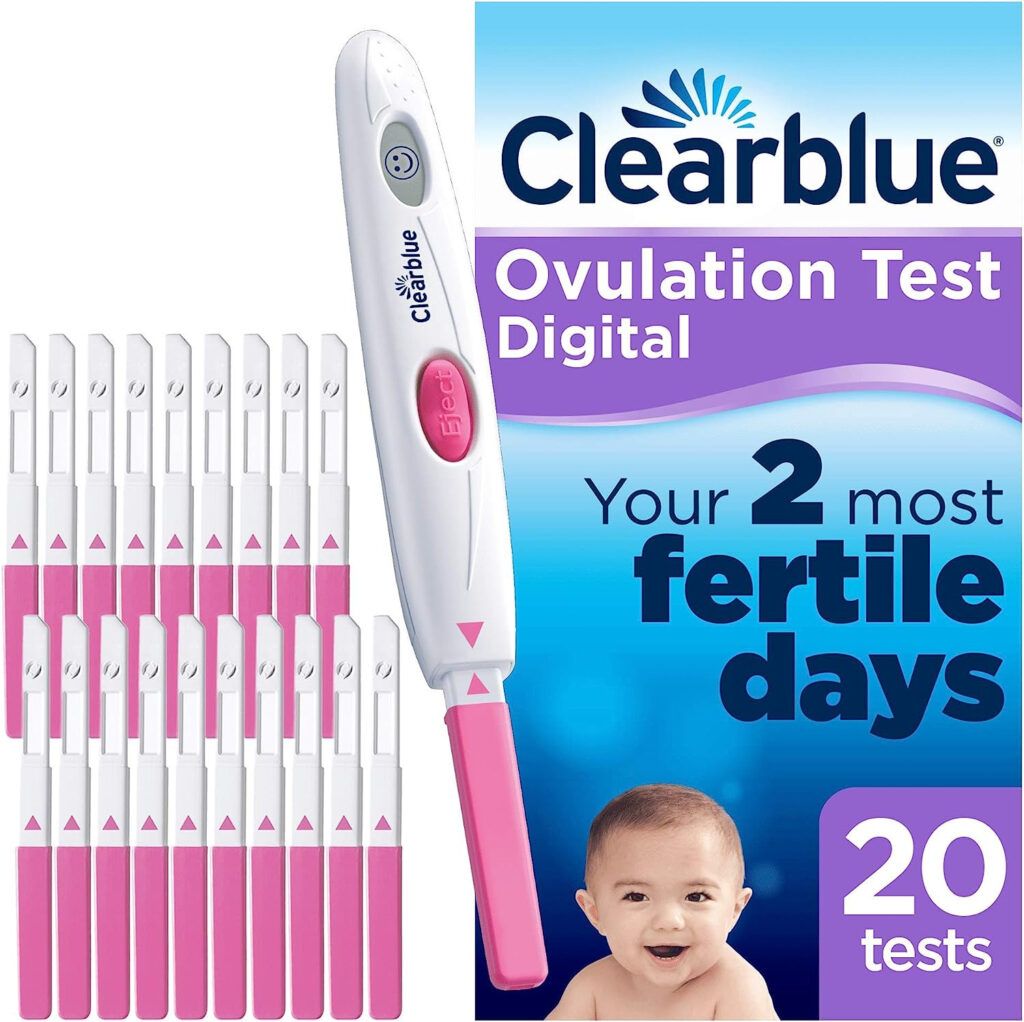
Ovulation tests give their results by measuring the levels of luteinizing hormone (LH), which rise 24-36 hours before ovulation. The best time to take an ovulation test is about 17 days before your next period.
The LH surge takes place in your blood between midnight and 8 am. However, it can take 3-6 hours for the hormone to be detected in your urine. So, the ideal time to take an ovulation test that checks your urine is between 11 am – 3 pm the next day. Take the test twice daily to ensure that you don’t miss the brief LH surge.
The Inito Fertility Monitor measures oestrogen and LH to track your fertile window. It also measures progesterone (PdG), which is released only after ovulation. A positive progesterone test will confirm that ovulation did indeed take place. So you can rest easy knowing that you won’t miss your fertile window when trying to conceive.
When is the best time to take a pregnancy test?
The best time to take a pregnancy test is on the first day of a missed period, which is usually around 14-15 DPO or approximately 2 weeks after ovulation. So, why do we need to wait for so long?
It may be nerve-racking, but waiting for the first day of your missed period gives you a 99% chance of getting an accurate result. You need to give the hCG levels time to rise. Studies show that most pregnancy tests need hCG levels of 25 mIU/mL to give a positive result. Considering that hCG levels double roughly every two days after implantation, before peaking at around the 10th week, it can take several days for the hormone to be detected by the tests.
If you normally have a regular period, then having a missed period will often be the earliest physical sign to watch out for. You may still have a little light bleeding or spotting around the time of your period even if you are pregnant and this is called implantation (when the fertilised egg implants itself into your womb).
Implantation bleeding is generally lighter than a period and the cramps are less severe. For those of you who don’t have regular periods, then you may notice other earlier symptoms before you spot a missed period. Take a pregnancy test as soon as you miss your period date, as this method is the most accurate way of finding out if you’re pregnant.
How do I make out the difference between ovulation bleeding and implantation bleeding?
Both implantation and ovulation bleeding are similar, and their timelines may also overlap. Here is a quick way to identify the differences between the two.
Factor | Spotting | |
| Implantation Bleeding | Ovulation bleeding | |
| Reason | It occurs when a fertilised egg attaches to the inner uterine lining or endometrium, signalling the start of pregnancy. | It occurs when the ovary releases an egg from a mature follicle. |
| Color | Light pink to dark brown | Light pink or red |
| Clotting | No clots | No clots |
| Time | Lasts only 1-2 days | Lasts only 1-2 days |
| Pattern | Irregular and unpredictable | Irregular and unpredictable |
| Amount | Small amount of blood causes light spotting, which may require a panty liner for collection. | Small blood causes light spotting, which may require a panty liner for collection. |
| Symptoms | Nausea, light cramps, frequent urination, | Increase in cervical mucus, with the look and consistency of egg whites. Increase in basal body temperature. Increased sex drive. Ovulatory pain or cramping. |
Which symptoms appear even when you’re not pregnant?
Other questions asked are:
- What are the symptoms after ovulation if not pregnant?
Symptoms after ovulation if you’re not pregnant can also be construed as pregnancy symptoms but are actually false symptoms. These include:
- Delay in your period
- Bloatedness.
- Enlarged and tender breasts, changes in the nipples, and possibly milk production.
- Feeling of foetal movements
- Nausea
- Weight gain
Positive pregnancy test but no symptoms. Is this normal?
Other questions asked were:
- What happens after ovulation if pregnant and how does your body feel?
- What are the symptoms after ovulation if pregnant?
it is perfectly normal for some women to not have any symptoms at all and still be pregnant.
Is it normal to have blood spotting 2 days after ovulation day?
Ovulation bleeding can occur immediately before, during or after ovulation due to changing oestrogen levels. Light spotting doesn’t usually signal a serious problem, but if you’re worried consult your doctor – better safe than sorry!
What happens one day after ovulation?
Other questions asked were:
- What happens the next day after ovulation?
- Can you feel symptoms after ovulation?
- Are there DPO symptoms leading to BFP?
- How do you feel the day after ovulation if pregnant?
- How many days after ovulation can you have symptoms?
- Can you feel pregnancy symptoms immediately after ovulation?
- Can you get pregnancy symptoms right after ovulation?
- How does one feel after ovulation?
- How many days after ovulation do you get symptoms of pregnancy?
Ovulation lasts anywhere between 12 to 24 hours and after the egg is released, it dies after 24 hours unless a sperm fertilises it. If you have sex days before or during your ovulation period, you have a high chance of conceiving because the sperm can survive for up to 5 days in the cervix.
Can I have pregnancy symptoms at 2 DPO?
Other question asked were:
- Can pregnancy symptoms start 2 days after ovulation?
48 hours after conception symptoms, you may experience some cramping, bloating, breast tenderness and fatigue, but these symptoms are generally related to hormonal changes during ovulation. The symptoms will be the same whether or not an egg is fertilised.
Can you have symptoms 3 days after ovulation?
Other questions asked were:
- What are the symptoms 3 days after ovulation?
It is unlikely you will experience pregnancy symptoms at after the third day of ovulation.
What happens day 4 after ovulation?
Other questions asked were:
- Can you have pregnancy symptoms 4 days after ovulation?
- Can you have symptoms 4 days after ovulation?
At 4DPO, the sperm has fertilised the egg that was released four days prior. Once merged, they will transform into a zygote.
Is it possible to have pregnancy symptoms 5 days after ovulation?
Other questions asked were:
- Can you have symptoms 5 days after ovulation?
- I am 5 DPO days past ovulation with no symptoms. When will I get any symptoms?
You may experience some symptoms as early as 5DP, although you won’t know they’re pregnancy symptoms until much later. Some early symptoms include mood swings, implantation bleeding, cramping and breast tenderness.
Can you have symptoms a week after ovulation?
Other questions asked were:
- What are 7 days after ovulation symptoms?
- Can you have symptoms 6 days after ovulation?
Please check the day by day pregnancy symptoms after ovulation above for an idea of what to expect 7 DPO.
What are pregnancy symptoms 10 days after ovulation?
Other questions asked were:
- 10 DPO no symptoms. Is this normal?
- What are 10 DPO symptoms of pregnancy?
- I have zero pregnancy symptoms at 10 DPO. What do I do?
- Can I get a positive pregnancy test 10DPO?
- What are day 10 pregnancy symptoms?
10 DPO symptoms include the above symptoms due to progesterone production stopping at around 10DPO. Your period should then start around 14 or 15 days after ovulation if you are not pregnant.
Do pregnancy symptoms before missed period mean I’m pregnant?
There’s no way to know for sure unless you take a pregnancy test. You may experience some symptoms, but these could also be period symptoms too. If you aren’t sure you’re pregnant after taking a test, make sure you visit your doctor to get checked.
Can you feel conception after ovulation?
Fertilisation symptoms before implantation can including cramping due to implantation.
Summary – The bottom line on DPO Symptoms
The period between ovulation and when you can detect and confirm pregnancy is often tricky. The symptoms overlap, and you can easily mistake them for premenstrual symptoms. Instead of ovulation or common early pregnancy symptoms, an easy way to track hormone levels and confirm ovulation is by using a fertility monitor like Inito.
When you know what to expect in the days post ovulation, you can keep a close watch on your symptoms as you start your exciting journey to motherhood!
If you’re pregnant, grab your free pregnancy pack now – details inside!
*Collaborative feature post*