Supporting feeding and oral skills (and what doesn’t help speech) through play
As a parent, you’re constantly seeking ways to support your child’s development. But did you know that those adorable raspberry sounds your toddler makes already help them build awareness and control around the mouth? In this article, we will discuss what helps with feeding and oral comfort through daily play (and what doesn’t help speech), because it’s a lot easier (and more fun) than you might think!
What you’ll learn in this guide
Oral play and feeding-focused activities can support your child’s ability to eat safely, manage saliva effectively, and develop awareness and coordination around the lips, tongue, jaw, and cheeks. From blowing bubbles to babbling, these small mouth and jaw movements are part of everyday life. And the best bit? Progress doesn’t just happen in therapy rooms; you can nurture it naturally through playful moments at home.
If you’re looking for practical ways to encourage your toddler’s development at home, introducing easy oral motor activities for toddlers can be a fun and practical starting point. Simple games, silly faces, and playful challenges can strengthen the muscles your child uses to chew and swallow—without it feeling like work for either of you. For speech clarity, though, children need to practise real speech sounds and words (ideally with guidance from a speech and language therapist).
The content provided here is for informational purposes only and is not intended to diagnose or treat any medical condition. Always consult your healthcare provider before making decisions related to your child’s health.
Why oral motor development matters for your toddler
Understanding the basics every parent should know
Oral motor skills refer to the movements of the lips, tongue, jaw, and cheeks that support critical functions like eating, drinking, and speaking. These muscles need to be strong, coordinated, and well-controlled for clear speech and safe, adequate feeding.
When these skills are underdeveloped, your child may experience difficulties with tasks such as chewing solid foods, managing saliva, or producing certain speech sounds. You might notice your toddler:
- Drooling often beyond the typical age
- Avoiding certain food textures
- Struggling to make early sounds like “p”, “m”, or “t” (typically emerging by around 2–3 years)
- Having difficulty transitioning from purees to solid foods
- Showing frustration during meal times
- Experiencing challenges with drinking from cups or straws
Drooling usually reduces markedly by around 18–24 months (with normal variation). If heavy drooling persists beyond the age of 2, have a brief discussion with your GP/health visitor. Playful feeding and oral activities can support comfort and coordination. Please note they aren’t shown to improve speech sounds.
The connection between oral motor skills and overall development
What many parents don’t realise is that oral motor development is intricately connected to your child’s overall growth. Strong oral motor skills support:
- Communication Participation: More chances to babble, sing, and chat (speech sounds themselves improve by practising real sounds/words with an SLT)
- Nutritional Health: Ability to eat a varied diet safely
- Social Skills: Confidence in speaking and eating with others
- Sensory Processing: Better tolerance for different textures and sensations
- Self-Care Skills: Managing saliva, teeth brushing, and facial hygiene
Play-based strategies that really work
Making development fun and natural
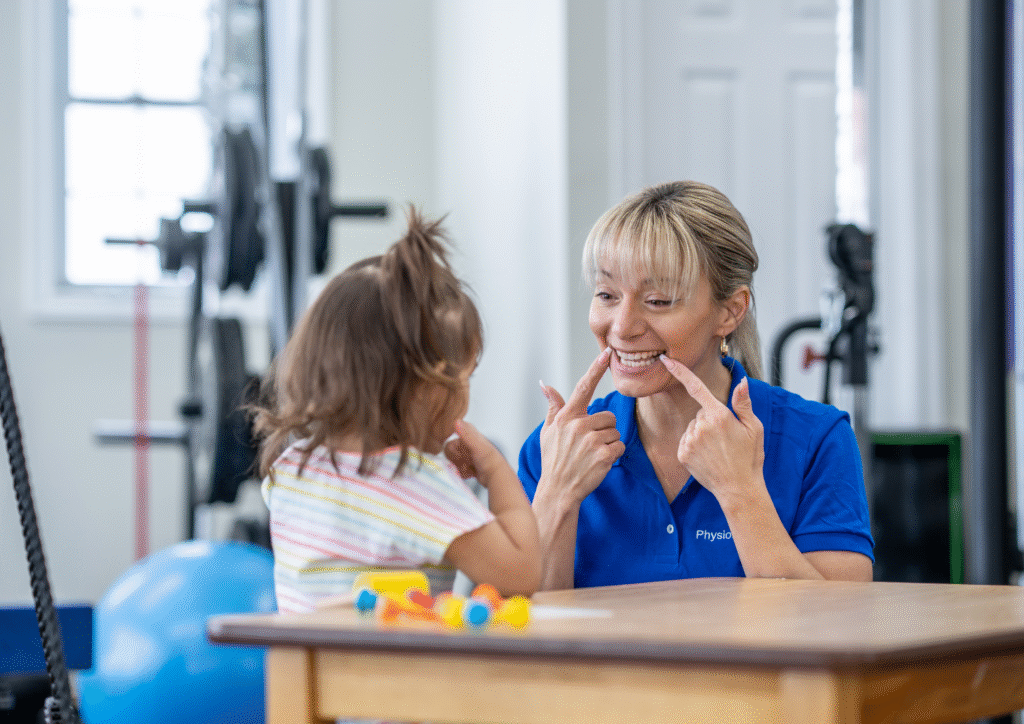
The best way to support oral motor growth at home is by making it playful and pressure-free. Think of it as building strength at the playground, but only for the mouth. Here’s an approach that’s worked wonders with countless families:
Encouraging your child to blow bubbles, whistle, or use a straw can go a long way in exercising the mouth muscles. Even making silly faces in the mirror, pretending to be animals, or licking yoghurt off the lips helps build control and awareness.
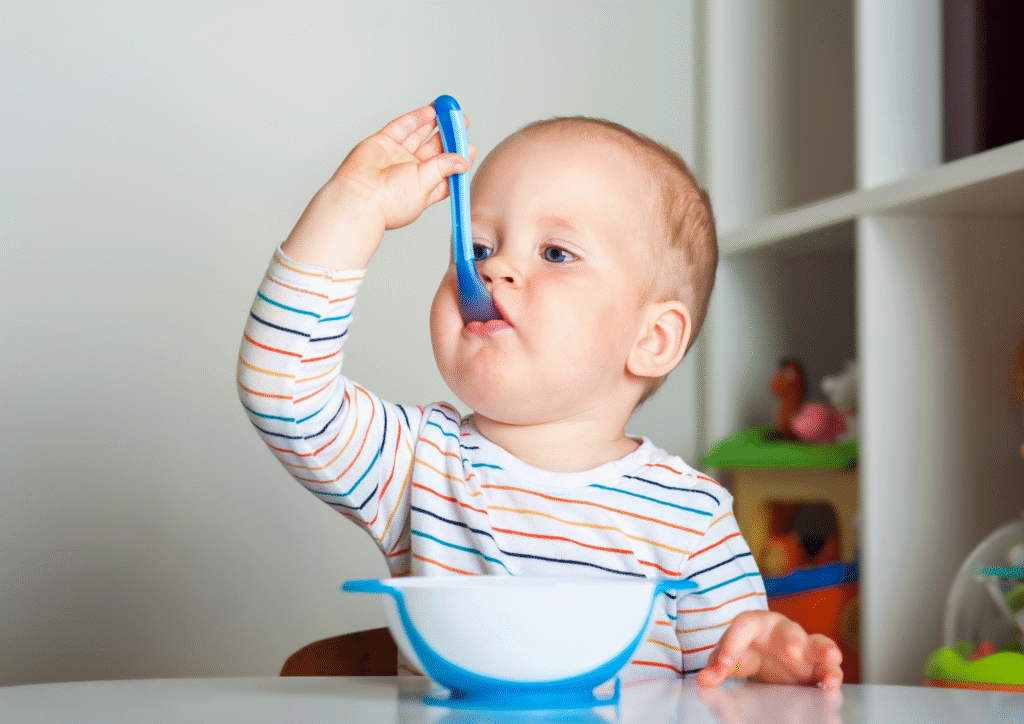
You don’t need special equipment or complicated exercises. Instead, turn snack time into a skill-building moment—biting into crunchy carrots, chewing on chewy foods, or sipping through a straw are all activities that engage the jaw and tongue. The goal is to blend development into your child’s routine so that progress happens naturally.
Important for speech: activities like blowing bubbles, using straws, and blowing cheek puffs are great for feeding/oral awareness, but they don’t improve speech sounds. For clearer speech, focus on practising real sounds and words in play (an SLT can show you which ones to target and how).
Point to note
ASHA clearly states:
“There is limited high-quality evidence supporting the use of oral motor exercises or sensory techniques in the treatment of paediatric feeding disorder–related sensory deficits and swallowing dysfunction in isolation” Paediatric Feeding and Swallowing.
Multiple systematic reviews (McCauley et al., 2009; Lof & Watson, 2008) found “no evidence that OMEs positively impact speech sound production” Evidence-Based Systematic Review: Effects of Nonspeech Oral Motor Exercises on Speech | American Journal of Speech-Language Pathology for children with speech sound disorders.
25 simple oral motor exercises you can do today
These ideas can support feeding and oral awareness. They are not a treatment for speech sound difficulties.
Morning routine activities (ages 12-36 months)
- Mirror Play: Make silly faces together while brushing teeth
- Lip Exercises: Practice kissing sounds and blowing kisses
- Tongue Stretches: Stick tongue out and try to touch nose/chin
- Cheek Puffs: Puff cheeks like a chipmunk storing food
- Morning Songs: Sing songs with exaggerated mouth movements
Mealtime muscle builders
- Straw Drinking: Use different straw sizes for varied resistance
- Crunchy Foods: Offer carrots, apples, and crackers for jaw strengthening
- Chewy Challenges: Try dried fruit, bagels, or cheese sticks
- Spoon Licking: Let them lick peanut butter or yoghurt off spoons
- Temperature Play: Alternate warm and cold foods for awareness
Playtime power-ups
- Bubble Blowing: Start with regular bubbles, progress to bubble wands
- Musical Instruments: Harmonicas, kazoos, and whistles
- Cotton Ball Races: Blow cotton balls across the table
- Pinwheel Fun: Blow pinwheels at different speeds
- Feather Games: Keep feathers floating with breath control
Sensory exploration activities
- Food Art: Use pudding or yoghurt for finger painting (and tasting!)
- Ice Pop Time: Licking popsicles works the tongue muscles
- Textured Toys: Offer safe teething toys with various textures
- Water Play: Blow bubbles in the bathtub
- Messy Play: Let them explore different food textures
Bedtime wind-down exercises
- Story Sounds: Make animal noises while reading
- Quiet Breathing: Practice slow, deep breaths together
- Gentle Massage: Massage cheeks and jaw area
- Humming Songs: Hum lullabies for vibration awareness
- Goodnight Kisses: Practice different kiss sounds
Age-appropriate milestones and expectations
12-18 months: building foundations
At this age, your toddler should be:
- Using a variety of sounds and babbling
- Beginning to eat textured foods
- Drinking from open cups with help
- Showing tongue movement during eating
Focus Activities: Simple blowing games, textured food exploration, cup drinking practice
18-24 months: expanding skills
Look for:
- Clearer speech sounds emerging
- Better jaw stability during eating
- Less drooling during play
- Interest in straws and sippy cups
Focus Activities: Bubble play, crunchy snacks, animal sounds, straw drinking
24-36 months: refining abilities
Your toddler should demonstrate:
- Most speech sounds developing
- Eating various food textures
- Controlled saliva management
- Coordinated chewing patterns
Focus Activities: Musical instruments, complex food textures, pretend play with sounds
Expert insight and professional guidance
When to consult a specialist
If you’re unsure whether your child’s oral motor skills are on track, it’s always a good idea to speak with a speech-language pathologist. They can assess your child’s muscle tone, coordination, and movement patterns and recommend targeted exercises if needed.
According to the American Speech-Language-Hearing Association (ASHA) guidelines, early intervention can significantly impact the treatment of motor speech challenges and related delays. The earlier you identify a need and introduce the right supports, the better the outcomes tend to be. Search for a speech-language pathologist who uses evidence-based approaches rather than controversial nonspeech oral motor exercises.
However, even without a formal diagnosis, engaging in playful oral motor activities can still benefit your toddler’s overall development. They can also make your daily routine more engaging, silly, and full of bonding moments.
Red flags that warrant professional assessment
While home-based play is beneficial, some children may require additional support to develop their oral motor skills. Contact your paediatrician if your toddler:
- Often gags on age-appropriate foods
- Struggles to chew or swallow safely
- Has persistently unclear speech beyond expected age
- Avoids using their mouth during play
- Shows extreme food texture aversions
- Experiences frequent choking episodes
- Demonstrates tongue thrust beyond 4 years
- Has difficulty coordinating breathing while eating
They may recommend an evaluation or therapy to support more structured progress.

Creating an oral motor-friendly environment
Setting up for success at home
Your home environment plays a crucial role in supporting oral motor development. Here’s how to create spaces that encourage natural practice:
Kitchen setup:
- Keep straws of various sizes accessible
- Store crunchy snacks at toddler eye level
- Have wipeable surfaces for messy play
- Organise utensils for independent exploration
Play area organisation:
- Dedicate a bubble station with different wands
- Create a music corner with wind instruments
- Set up a mirror at child height
- Keep sensory bins with safe oral objects
Bathroom modifications:
- Install a step stool for mirror access
- Use fun toothbrushes with different textures
- Keep cup options for rinsing practice
- Add waterproof toys for bath bubble play
Incorporating technology and modern tools
Apps and Digital Resources
While hands-on play is irreplaceable, some digital tools can supplement your efforts:
- Speech therapy apps with oral motor games
- Video modelling for tongue and lip exercises
- Timer apps for exercise duration
- Progress tracking applications
Remember, screen time should complement, not replace, physical oral motor activities.
Nutrition’s role in oral motor development
Foods that build strength
Strategic food choices can naturally support oral motor development:
Jaw strengthening foods:
- Raw vegetables (carrots, celery, bell peppers)
- Whole fruits with skin (apples, pears)
- Meat strips and jerky (age-appropriate)
- Crusty bread and bagels
Tongue exercise foods:
- Nut butters (spread thin for licking)
- Lollipops and ice pops
- Yoghurt and pudding
- Sticky foods like raisins
Lip coordination foods:
- Foods requiring pursing (noodles, string cheese)
- Items needing precise lip closure (crackers)
- Drinks through various straw sizes
Common challenges and solutions
Addressing typical concerns
“My toddler refuses to try new textures” Start with familiar flavours in new textures. Mix preferred foods with challenging ones gradually.
“We’re always rushed in the morning” Incorporate exercises during car rides or while waiting. Even 2-3 minutes helps!
“My child gets frustrated with exercises” Make it sillier! Turn exercises into games and let them lead sometimes.
“I’m worried we’re not doing enough” Quality over quantity—consistent daily practice of even 5 minutes is valuable.
Tracking progress and celebrating wins
Monitoring development
Keep a simple log of:
- New sounds mastered
- Foods successfully tried
- Improved clarity in words
- Decreased drooling
- Better mealtime behaviours
Celebrate small victories—every bit of progress counts!
Looking ahead: long-term benefits
Helping your child build strong oral motor skills doesn’t have to feel like a therapy session. With a little creativity and consistency, everyday moments can turn into powerful opportunities for growth. Whether you’re making silly faces at the dinner table or encouraging your toddler to blow out pretend birthday candles, you’re doing more than just playing—you’re helping lay the foundation for lifelong skills in speech, feeding, and communication.
The investment you make in oral motor development today pays dividends in:
- Academic success through clear communication
- Social confidence in peer interactions
- Healthy eating habits and nutrition
- Strong self-advocacy skills
- Reduced need for future interventions
Frequently asked questions
What are oral motor exercises for toddlers?
They’re playful activities that build feeding-related awareness and control around the lips, tongue, jaw, and cheeks—think bubbles, silly faces, crunchy foods, straws, and sound play. Note: current research does not support these activities for improving speech sounds; for speech clarity, children need to practice real sounds/words (ideally with guidance from an SLT).
At what age should I start oral motor exercises with my child?
You can begin simple oral motor activities as early as 6-12 months with age-appropriate exercises like offering textured foods and encouraging babbling. More structured exercises typically start around 12-18 months when toddlers can follow simple directions and engage in purposeful play. Always match activities to your child’s developmental level and interests.
How often should my toddler do oral motor exercises?
Ideally, incorporate oral motor activities into your daily routine rather than scheduling separate exercise sessions. Aim for 5-10 minutes of focused activities 2-3 times per day, but remember that many everyday activities like eating, drinking, and playing naturally provide oral motor practice. Consistency matters more than duration.
What are signs my toddler needs oral motor therapy?
Signs include persistent drooling beyond age 2, difficulty transitioning to solid foods, unclear speech beyond typical developmental stages, frequent gagging or choking, extreme aversions to certain food textures, an open-mouth posture at rest, difficulty using straws or cups, and tongue thrust beyond age 4. Consult your paediatrician if you notice multiple concerns. Most children have completely lost the tongue thrust reflex by age 4 or 5″ Tongue Thrust: Signs, Causes & Treatment and “It naturally fades by age 4 or 5” How Can Tongue Thrust Affect Speech? How It Can Be Treated – Atlanta Health Partners Paediatric Referral Directory.
Can oral motor exercises help with picky eating?
Yes! Oral motor exercises can help picky eaters by improving their ability to manage different food textures, increasing oral awareness, reducing sensitivity to new sensations, and building confidence with chewing and swallowing. Start with play-based activities before introducing challenging foods to reduce mealtime pressure.
What’s the difference between oral motor exercises and speech therapy?
Oral motor exercises focus specifically on strengthening and coordinating the physical muscles used for speech and feeding. Speech therapy is a broader field, addressing language development, articulation, communication strategies, and cognitive-linguistic skills. Oral motor exercises are often one component of comprehensive speech therapy.
Are there any risks to doing oral motor exercises at home?
When done appropriately, oral motor exercises are safe. However, avoid forcing exercises if your child is upset, never use items that pose choking hazards, respect your child’s comfort level, and stop if you notice signs of fatigue or frustration. Always consult a professional if you’re unsure about a specific exercise.
How can I make oral motor exercises fun for my resistant toddler?
Turn exercises into games, let your toddler choose activities, use favourite characters or toys as models, incorporate exercises into pretend play, offer rewards and praise, make it a family activity, keep sessions short and positive, and follow your child’s lead. Remember, if it’s not fun, it’s not sustainable!
What everyday activities naturally promote oral motor development?
Many daily activities support oral motor development: singing songs, brushing teeth, eating varied textures, drinking from different cups, blowing nose, giving kisses, making animal sounds, laughing and talking, chewing gum (age-appropriate), and playing wind instruments. These natural opportunities are just as valuable as structured exercises.
When should I see improvements from oral motor exercises?
With consistent and playful practice, you may notice small improvements in feeding comfort and participation within 2–4 weeks. Bigger shifts in feeding confidence usually take longer. For speech clarity, progress depends on practising specific sounds/words, an SLT can guide you on what to target and how.
Remember, you’re not alone in this journey. Every parent questions whether they’re doing enough for their child’s development. The fact that you’re reading this and seeking ways to support your toddler’s oral motor development indicates that you’re already on the right track. Keep it playful, stay consistent, and celebrate those small wins – they add up to big achievements!
*Collaborative feature post*