The effects of poor personal hygiene
Getting children into the habit of washing themselves, brushing their teeth, and even grooming their hair can be tricky. Many children find this to be a dull chore, or cannot fully grasp the importance of keeping clean and establishing proper hygiene. Yet, without cleanliness, they open themselves up to many bacteria and infections that can impede their ability to go about their usual daily activities.
But what are the effects of poor personal hygiene?
To help your children make the most out of life and avoid as many unpleasant experiences as possible, it is vital that you get them into a solid hygiene routine as soon as possible.
What is personal hygiene and why is it important?

The definition of personal hygiene as per encyclopedia.com is:
“… Maintaining cleanliness of one’s body and clothing to preserve overall health and wellbeing.”
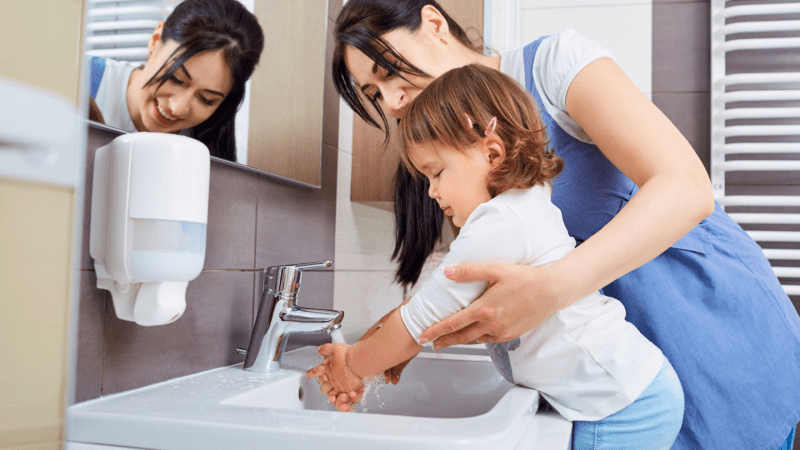
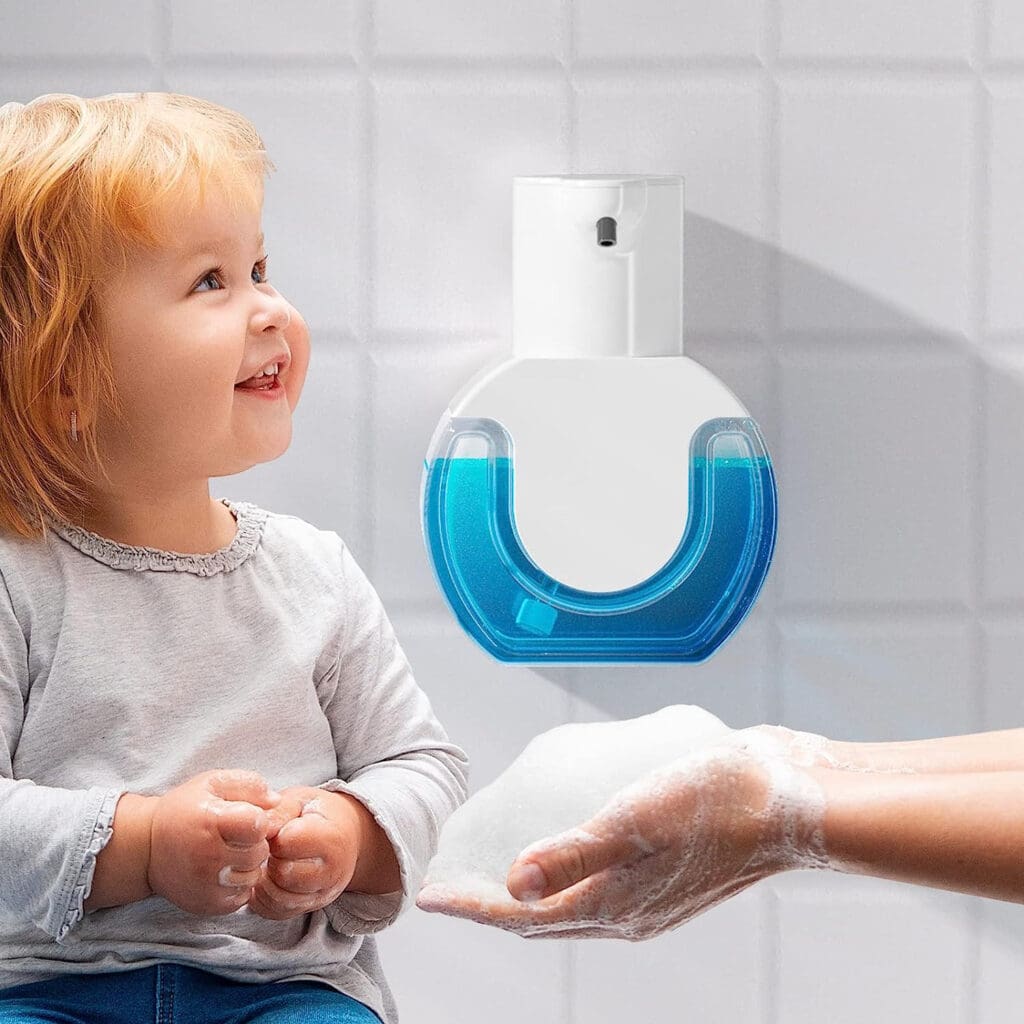
So fulfilling a certain number of self-care activities every day can ensure your children are on top of personal hygiene. Making sure they wash their hands after using the toilet and before eating, grooming and dressing up with clean clothes, and bathing are all top examples of how to have good hygiene.
What are the effects of poor personal hygiene on health and well being?
But what are the consequences of poor personal hygiene?
Lack of hygiene can impact your health and wellbeing negatively to where it could lead to serious health problems. For example, not brushing your teeth can lead to plaque buildup and gum disease. Plus, poor hygiene habits can affect your self-esteem and mental health. We’ll discuss these in more detail below.
What are the negative social effects of poor personal hygiene?
If you’re not taking good care of yourself and have bad personal hygiene, you may find that you will receive negative reactions from people around you, and this can affect social interaction with your loved one and other friendships. Your child may be subjected to a certain stereotype, rejection, or prejudice, as well as negative influence, which can impact your child’s quality of life.
Kids can be cruel, often chanting nasty things like, ‘Ooh you’re smelly!’ for example. This can cause a detrimental impact on your child’s mental and emotional psyche, so it’s important to ensure that your child looks and feels their best, starting with good personal hygiene as the first step towards a healthier and happier life.
Below, you can find poor personal hygiene examples people suffer from and which have been medically reviewed as causes of serious diseases if not treated promptly.
I will also talk about personal hygiene types and practices which can help children to understand the importance of being healthy and hygienic.
Bad hygiene examples – styes
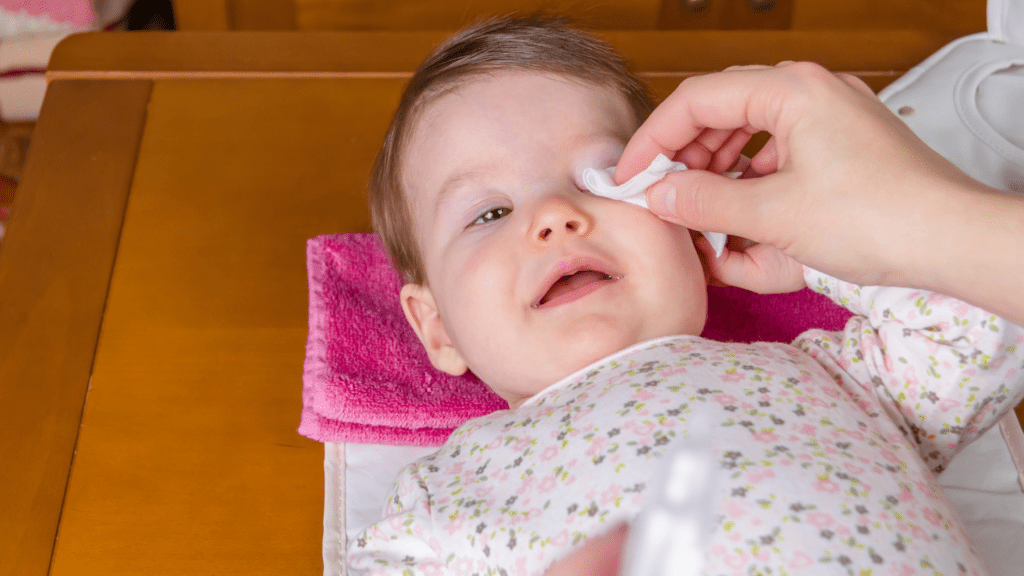
AllAboutVision explains what a stye is in more detail but we will touch on the basics here. Styes look similar to pimples and are commonly located around the eye area. They can be sore and affect adults and children alike, but thankfully they are not classed as contagious. Warmth can help to get rid of some swelling, and painkillers can reduce the soreness your child might feel.
Keeping hands clean and limiting the number of times your child touches their face can not only help to prevent styes but also speed up the recovery process. This may seem difficult, especially if the eye area is itchy, but it is imperative.
Remind your child to not touch the affected area and use cooled boiled water, clean cotton wool and properly washed hands to treat the area every day. Some people say tea helps with certain eye conditions like conjunctivitis that may result from styes, but be sure to practice good hygiene yourself first to minimise the risk of more bugs transmitting into the affected eye area.
Examples of poor hygiene – stomach bugs
Even though stomach bugs and the stomach flu might do the rounds at your child’s school or day-care centre, there are ways you can limit their presence in your home. Spraying services with germ-killing cleaners, and washing your hands with antibacterial soap, can help kill off any viruses.
Ensuring your children gets into the habit of washing their hands after touching high-traffic surfaces, as well as after using the toilet, coughing, or blowing their nose, can also help to prevent infections.
Signs of poor personal hygiene – headlice
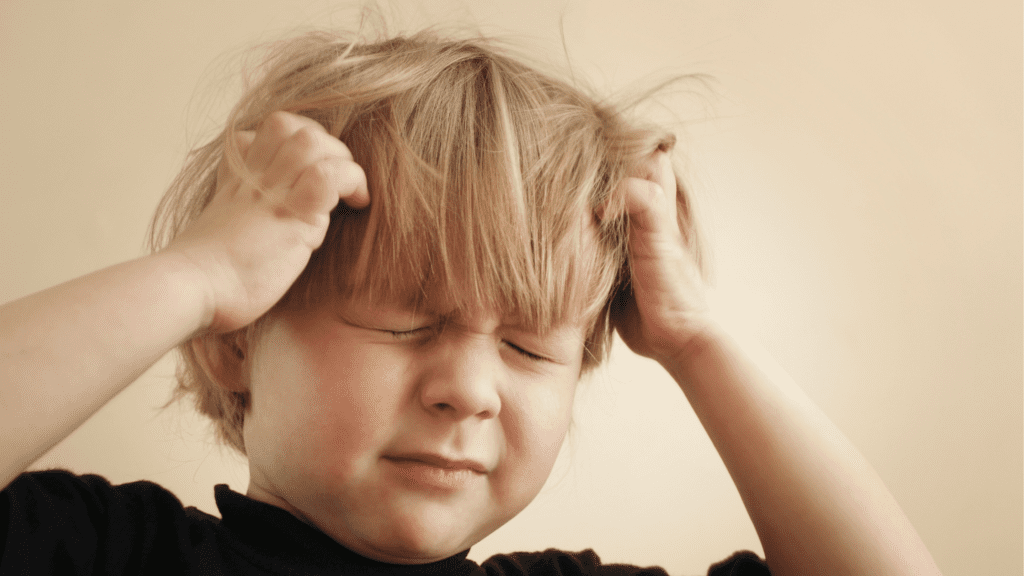
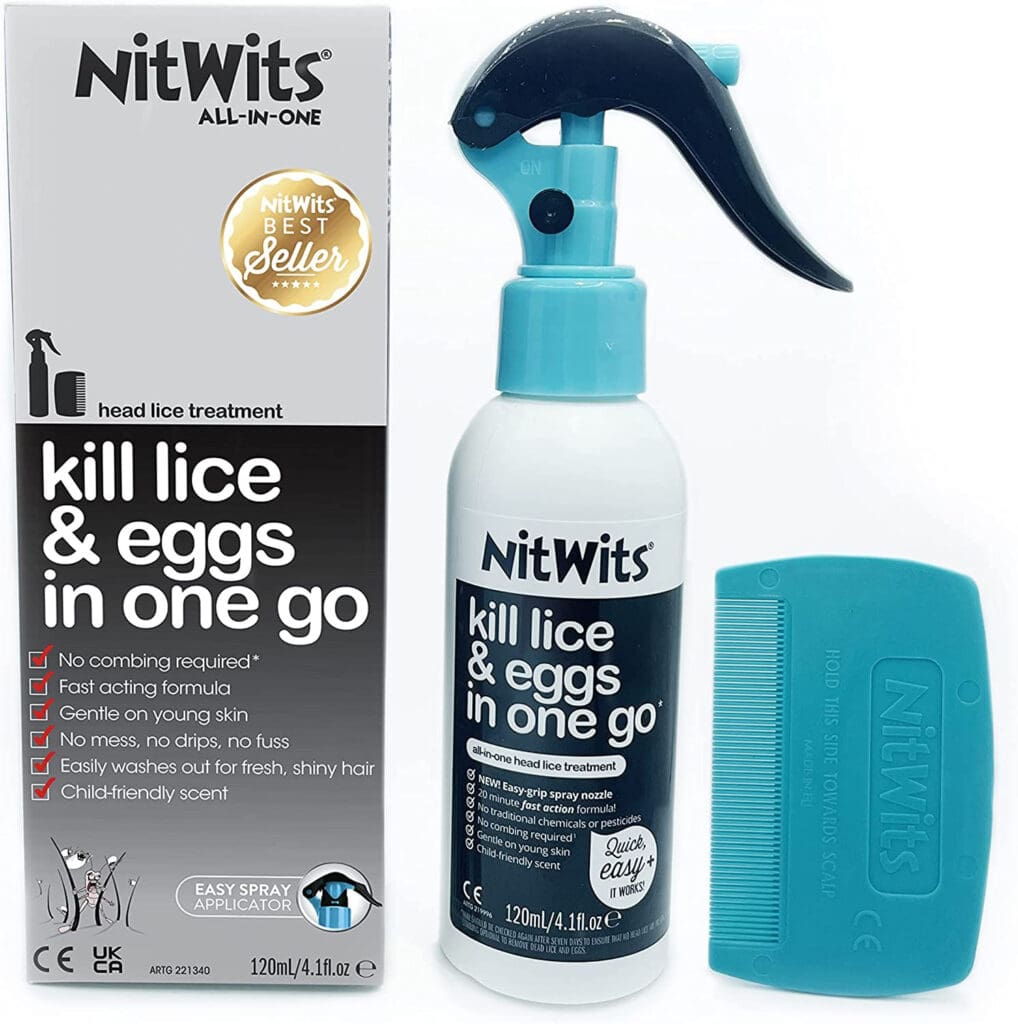
Headlice, or nits, (they can sometimes be called body lice if found elsewhere on the body) can become a problem when your child is often around other children. These little insects can cause seriously itchy scalps and can spread quickly. Using a nit comb regularly can help you detect the signs of headlice early on, as well as clear the scalp.
If your child does have head lice, inform their school, so they can be kept away to prevent the spread. Tying up long hair and washing and combing the hair frequently can also help tremendously. Another preventative measure is to make sure belongings are stored separately, and items such as towels or bedding are not shared among different members of the household. Use a nit comb regularly through conditioned hair to make sure you’ve caught all the nasty critters before you send them back to school.
Not treating head lice can lead to skin infections, so make sure you act quickly!
Poor hygiene diseases – gum disease

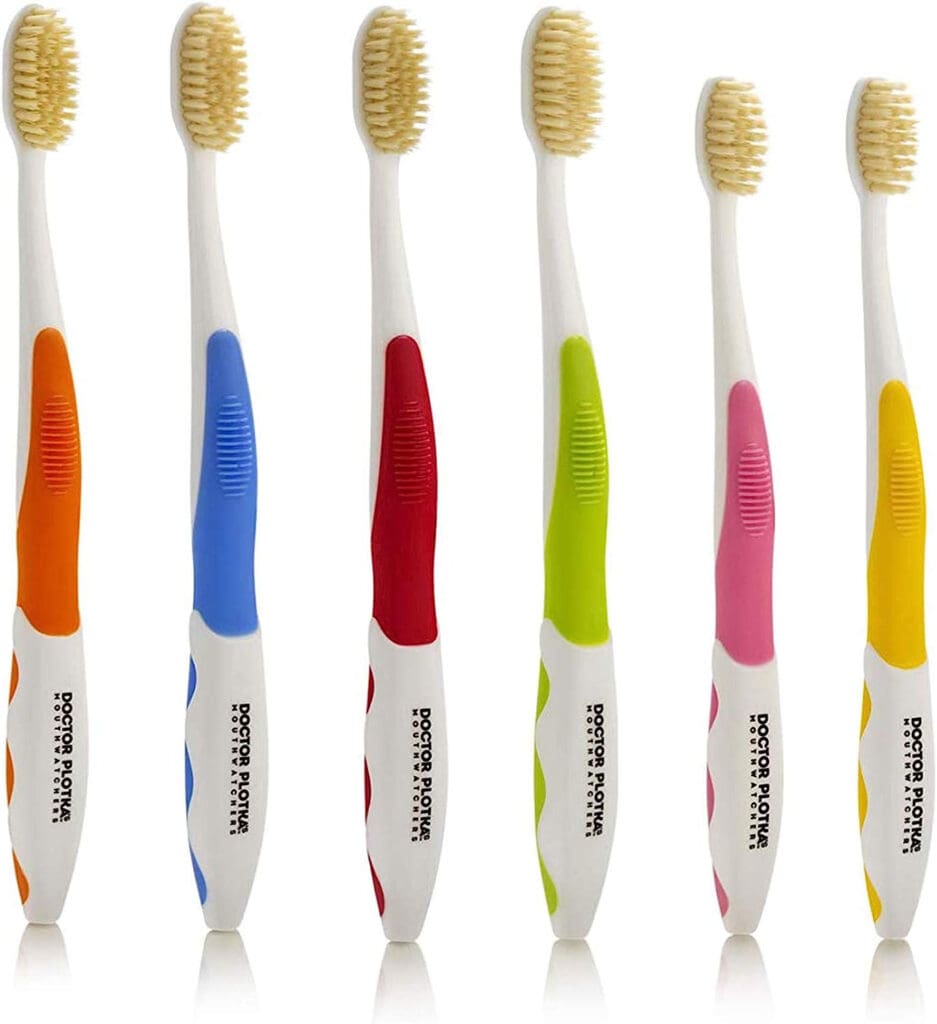
Oral hygiene is massively important and the earlier you teach kids about dental hygiene, the fewer problems they will have later in life. Poor oral hygiene can lead to many problems, including tooth decay, bad breath or gingivitis and gum disease.
Gum disease is caused by plaque, a form of sticky bacteria that builds up on your teeth. Build-up can first start with gingivitis but if not treated straight away can lead to bleeding and swollen gums, receding gum line, bad breath and loose teeth. Eventually, if not treated, your teeth can fall out.
Gum disease doesn’t present itself straight away, which is why it’s massively important to visit the dentist regularly to spot any signs early.
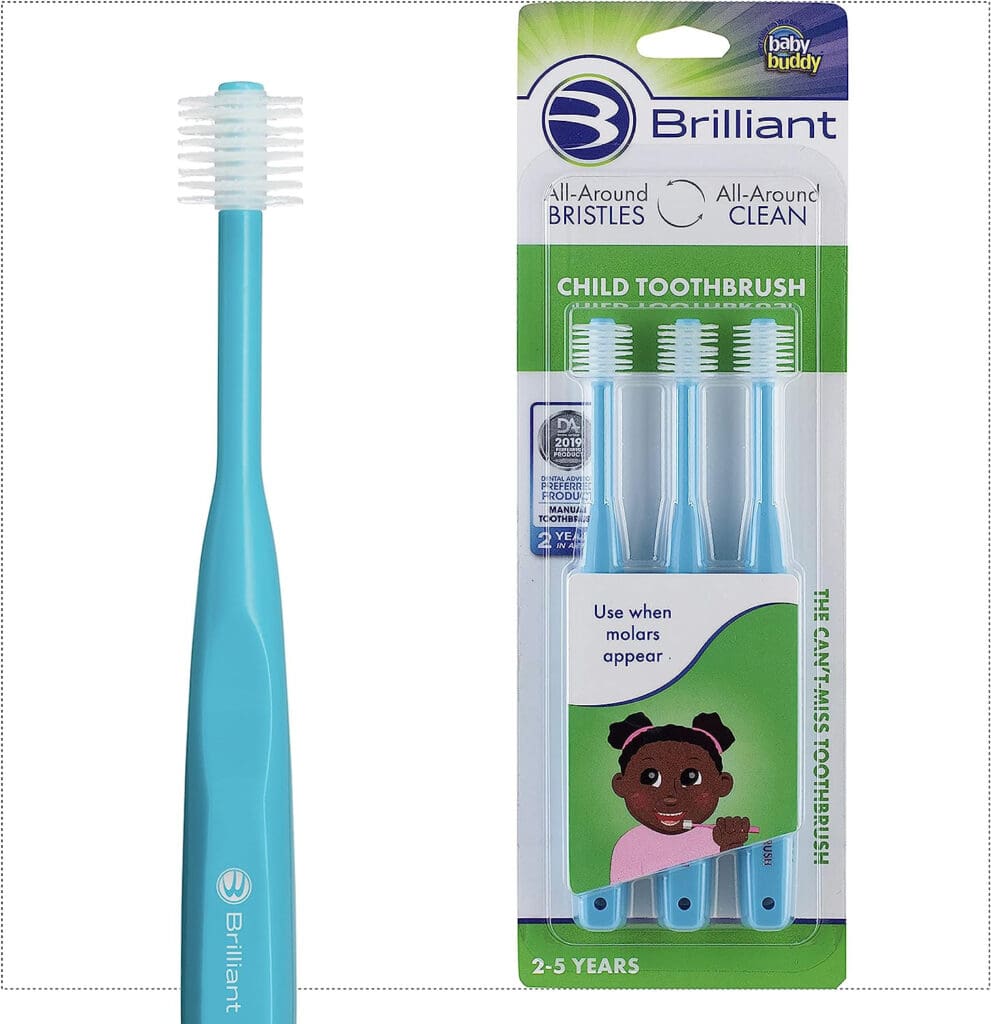
Make sure your children brush their teeth twice daily, morning and night, and up to the gums too, for at least two minutes. Using an electric toothbrush will help to ensure teeth are brushed properly.
Effects of poor hygiene – oily skin/rashes
Skincare and hygiene is very important. Not washing your skin regularly can lead to a condition called dermatitis neglecta, which leads to an accumulation of corneocytes, sebum and sweat. Clean your skin properly and regularly to avoid skin complaints.
Signs of bad hygiene – food poisoning
The consequences of poor personal hygiene when handling food are food poisoning. Food poisoning is an illness that is caused by poor personal hygiene in the kitchen or eating contaminated food, either from unwashed hands or from not properly cooked or washed food.
In most cases, food is contaminated by bacteria such as salmonella, E.coli or the norovirus. Food can become contaminated at any stage during production, processing or cooking, for example:
- Not cooking food properly
- Not correctly storing food that needs to be chilled at below 5C
- Leaving cooked food for too long at warm temperatures
- Not reheating previously cooked food properly
- If you’re ill or have dirty hands and you touch the food
- Eating food that has passed its “use by” date
- Bacteria spreading between contaminated foods (cross-contamination)
Practice proper hand washing before you put anything in your mouth. I often tell the boys, if their hands are going anywhere near their face, wash them! Poor personal hygiene with food can cause weight loss or, worse, fatal illness.
What is the cause of unhygienic food?
Bad or not hygienic food can lead to heart disease if not properly treated, which is one disease caused by poor personal hygiene. So it’s important to lead a healthy lifestyle and teach your kids about the dangers of eating unwashed and improperly cooked food as early as possible.
It’s important to identify the cause and effect of poor personal hygiene on health and food safety and educate yourself and your kids so you can prevent serious illness.
Undergarment hygiene healthy practices to follow
It’s important to practice proper hygiene with your underlayers. Ways to have good hygiene with your undergarments include:
- Change your undergarments every day to minimise risk of bacteria from vaginal discharge and sweat
- Opt for breathable, natural material to prevent fungal and bacterial infections
- Wear the right size – too tight can cause UTI
- Wash your undergarments properly to avoid any buildup and hidden bacteria
Can TB occur due to lack of personal hygiene?
Lack of personal hygiene can increase the risk of tuberculosis infection. If you or your child has TB, then it’s very important to maintain personal hygiene to reduce the risk of transmission to other people living with them.
Your healthcare professional can provide medical advice on how to combat TB as it’s a long treatment process.
Bad hygiene habits that are way worse than you thought
Here are some regular bad hygiene habits which people don’t realise can be quite bad for you:
- Not regularly brushing or flossing your teeth – can lead to gum disease and tooth decay
- Not showering regularly – can lead to skin problems and infections
- Going to bed with your makeup on – can lead to clogged pores and even eye damage
- Not washing your bedding regularly – can lead to infection
- Leaving your contacts in – can lead to corneal damage
- Not washing your underwear regularly – can lead to infection
- Sharing your items, like razors, toothbrushes and towels – can lead to transmission of diseases and infections
- Reusing towels – can lead ot infection
- Walking barefoot in public showers – can lead to fungal infections
- Not washing your produce – can lead to food poisoning
- Using your sponge for too long- can lead to poisoning
- Leaving in tampons for too long – can lead to toxic shock syndrome
- Reusing plastic bottles – can even lead to cancer!
Does ADD affect personal hygiene?
This is an interesting question. An association has been found between ADHD and living a less healthy lifestyle. Children with ADHD are almost twice as likely to have fewer healthy lifestyle behaviours like consuming less water, drinking more sweetened drinks and exercising less.
What is the difference between hygiene and grooming?
Hygiene is a set of practices that preserve healthy living and cleaning the body to prevent germs while grooming is the art of caring for and maintaining parts of the body. Poor grooming can cause poor physical appearance which can be linked to bad hygiene.
Are there any disadvantages of personal hygiene?
Health and hygiene are paramount to living happy and healthy lives, but there are some negative side effects of over-cleaning like skin irritation and Obsessive-Compulsive Disorder. Maintain a healthy balance of cleanliness and lifestyle enjoyment and model that on your children. If you have certain health concerns and complexes yourself, be mindful not to pass these on to your child.
What are some great examples of personal hygiene?
Types of personal hygiene practices that you can encourage your child to do now are:
- Helping your child establish a personal hygiene routine
- Ensuring that your child has a face wash each morning
- Making sure your child has a good shower or bath in the evening to remove dead skin cells and body odour. This act of washing themselves can go a long way towards improving their health and reducing the chances of cross-contamination of bacteria.
- Personal hygiene habits will help prevent any nasty smells or, with cleaning their teeth, cavities or premature tooth loss.
- Spend the time to teach them how to clean themselves effectively so they are set up for life with positive routines, while also minimising the likelihood of illness within your home
- Don’t forget that good personal hygiene practices can boost mental health too!
What are your thoughts regarding personal hygiene? Are you put off by BO? What do you think about poor hygiene practices and their effects from a social standpoint? What are your own personal hygiene habits? Do you have any bad hygiene habits you need to fix? Share your opinions with us in the comments below about how you practice good hygiene.
Frequently asked questions
What does poor personal hygiene mean?
Other questions asked were:
- What is poor personal hygiene a sign of?
- What is bad personal hygiene?
- How to address poor personal hygiene?
- What is hygiene poverty?
- What does poor hygiene mean?
- What does it mean to have bad hygiene?
- What is bad hygiene?
“Poor personal hygiene arises from either intentional or unintentional neglect of your body’s cleanliness and health requirements. Your body begins to look unhealthy, you experience unwanted health concerns, and your overall well-being is affected.”
https://www.fawssit.com/the-effects-of-poor-hygiene-and-how-to-overcome-the-challenges/
What are 4 examples of poor personal hygiene?
Other questions asked were:
- 3 consequences of poor hygiene?
- Do you have any poor hygiene examples?
- Can you provide examples of poor hygiene bad habits you should avoid?
- What are signs of poor hygiene?
Four examples of poor personal hygiene include:
- Body odour from not washing regularly
- Bad breath from not brushing teeth
- Recurring infection from not washing hands properly
- Dishevelled, dirty appearance from poor grooming
What causes poor personal hygiene?
Other questions asked were:
- What does poor personal hygiene cause?
- What are the causes of poor personal hygiene?
- What are the causes of poor hygiene?
- What problems does poor personal hygiene cause?
- What are the Longterm effects of poor hygiene?
“Poor hygiene often accompanies certain mental or emotional disorders, including severe depression and psychotic disorders. Dementia is another common cause of poor hygiene. Other people may develop poor hygiene habits due to social factors such as poverty or inadequacy of social support.”
https://www.medicinenet.com/poor_hygiene/symptoms.htm
Can poor personal hygiene cause UTI?
“It is more common for women to get UTIs because the urethral opening is close to the vagina and anus. Poor hygiene and wiping ‘back to front’ (rather than front to back) after going to the toilet can enable bacteria from the bowel and vagina to enter the urethral opening to the bladder more easily.”
https://www.alzheimers.org.uk/get-support/daily-living/what-can-cause-utis
Continuous poor hygiene, especially in the female area, can cause sepsis and septic shock, like toxic shock syndrome can result from anywhere in the body, even a UTI. Sepsis and septic shock can result from an infection anywhere in the body. Sepsis is a medical emergency that requires urgent treatment.
If you want additional information on sepsis, visit here: https://www.sepsis.org
Can poor personal hygiene affect your job?
“Personal hygiene issues can cause significant problems in the workplace. Not only do they make the environment unpleasant for others, they can also cause difficulties for businesses where staff are interacting with the public”
https://www.peoplemanagement.co.uk/article/1741483/tackling-poor-personal-hygiene-workplace
How does poor personal hygiene affect your personality?
“Poor hygiene habits can also affect your self-esteem. Looking and feeling presentable can give you a confidence boost and a sense of pride in your appearance. Other conditions may be prevented or the risk minimized by practicing good personal hygiene.”
https://www.healthline.com/health/personal-hygiene
How does poor personal hygiene affect others?
Other questions asked were:
- How can poor personal hygiene affect relationships?
- How can poor personal hygiene cause harm to others?
- Why does bad personal hygiene affect others?
Having a high standard of personal hygiene improves personal and professional relationships because it reduces the risk of social rejection which may lead to bullying, low confidence and low self-esteem.
How can poor personal hygiene lead to foodborne illness?
Other questions asked were:
- What is poor personal hygiene in food?
“Good personal hygiene is essential for any food handler and minimises the risk of food contamination. Most people carry harmful bacteria on their bodies and can unwittingly transport them to food. Touching your mouth, nose, hair or even your clothing can spread bacteria and cause contamination.”
https://www.foodsafety.com.au/blog/food-handlers-guide-to-personal-hygiene
How can poor personal hygiene cause infection?
Other questions asked were:
- What can poor personal hygiene lead to?
- How can bad personal hygiene affect your health?
- How does poor personal hygiene affect your health?
- What are the impacts of personal hygiene on your health?
“For example, not washing your hands after you use the toilet, handle food, or touch dirty surfaces can spread bacteria, viruses, and parasites. These can lead to infections and diseases, like food poisoning, gastroenteritis, cold and flu, and hepatitis A — just to name a few.”
https://www.healthline.com/health/healthy-lifestyle/bad-hygiene#why-hygiene-matters
How to prevent poor personal hygiene?
Other questions asked were:
- How to improve hygiene?
- How to overcome poor personal hygiene?
- Why is personal hygiene important?
Personal hygiene includes:
https://www.healthdirect.gov.au/personal-hygiene
- cleaning your body every day.
- washing your hands with soap after going to the toilet.
- brushing your teeth twice a day.
- covering your mouth and nose with a tissue (or your sleeve) when sneezing or coughing.
- washing your hands after handling pets and other animals.
Is poor personal hygiene a sign of depression?
Yes. Mental health can impact hygiene and depression may make you not want to get up every day and make the effort to clean.
Is it necessary to practice personal hygiene everyday?
It’s good to get into the habit of performing basic personal hygiene every day. For example washing your hands multiple times of the day will prevent germs from entering your system.
How to maintain hygiene at the workplace?
https://employsure.com.au/blog/workplace-hygiene/
- Regularly clean your desk. Stop infections from spreading, and dust from gathering, by cleaning your desk.
- Sanitise your hands at least once day. …
- Regularly wash your cups, mugs, plates and cutlery. …
- Keep a box of tissues on your desk.
Is poor personal hygiene a sign of abuse?
In some cases, elder abuse has been found in care homes which has resulted in residents having poor hygiene standards. The same goes for children in a neglected home. However, a lot of the time it is down to lack of education on why hygiene matters for your health and the effects of good personal hygiene on health.
*Collaborative feature post