

Physical therapy is a dynamic, rewarding field dedicated to improving patient health, restoring mobility, and enhancing overall quality of life. As the profession evolves, physical therapy courses have become more accessible through various educational pathways, including in-person programs, online courses, and hybrid learning experiences. Whether you are an aspiring physical therapist, a parent supporting a student in a DPT program, or simply curious about the field, this guide covers everything you need to know—from academic requirements and continuing education to practical tips for balancing life and study.
In this article, we will also explore an in-depth perspective on how parents can effectively support their children through the rigorous demands of a physical therapy course. You will find comprehensive information on physical therapy associations, clinical practice, patient care, occupational therapy, athletic training, and more. By the end, you will have a solid understanding of what a physical therapy education entails and how to succeed in this challenging yet fulfilling career path.
Understanding the physical therapy profession
Before diving into strategies for success, it’s important to grasp the scope and significance of physical therapy as a profession.
Definition and scope
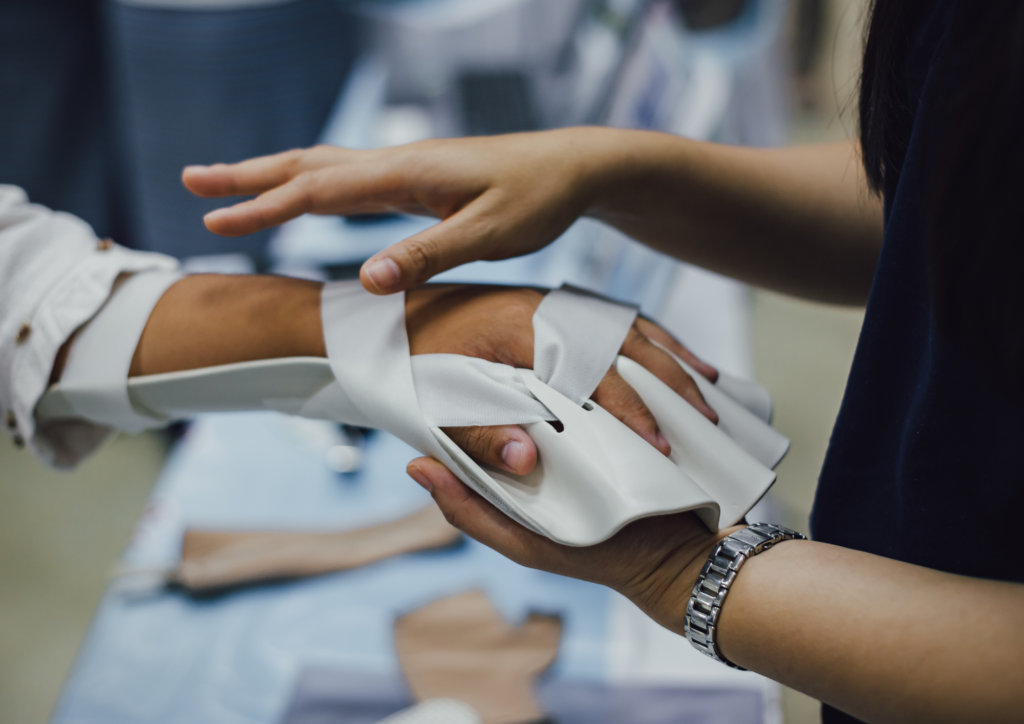
Physical therapy (often abbreviated as PT) is a health care profession focused on diagnosing, evaluating, and treating individuals with movement disorders, injuries, or disabilities. Physical therapists employ a wide range of techniques, such as exercises, manual therapy, and patient education, to help individuals regain mobility and optimise function.
Role of physical therapists
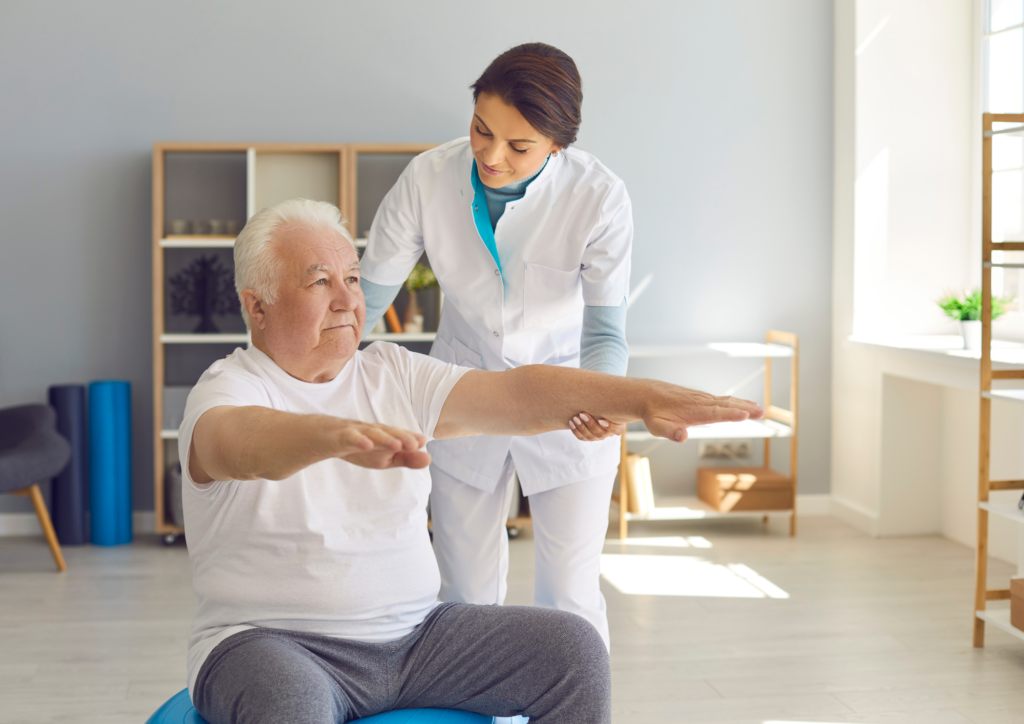
Physical therapists are integral members of the healthcare team. They often collaborate with occupational therapy practitioners, athletic training specialists, physicians, nurses, and other professionals to develop a comprehensive treatment plan. The ultimate goal is to improve patient outcomes, promote independence, and enhance overall health.
Job outlook and labour statistics
According to labour statistics, the demand for physical therapists continues to rise due to factors like an ageing population and an increased focus on preventive care. Physical therapy offers a robust career path with opportunities for professional growth in various settings, including hospitals, private clinics, sports medicine centres, rehabilitation facilities, and schools.
How to become a physical therapist: step-by-step guide
1. Earn a relevant undergraduate degree
While it is not strictly necessary to major in a specific subject, many future physical therapists pursue a bachelor’s degree in exercise, kinesiology, biology, or health sciences. These majors cover essential prerequisites like anatomy, physiology, and other sciences required by most physical therapy schools.
2. Complete the DPT program
Aspiring physical therapists must enrol in a Doctor of Physical Therapy (DPT) program accredited by the Commission on Accreditation in Physical Therapy Education (CAPTE). This graduate-level program typically lasts three years and integrates classroom-based and clinical practice experiences to ensure comprehensive education.
- Curriculum: DPT programs often cover topics such as biomechanics, neuroscience, pharmacology, therapeutic exercises, patient care, and evidence-based practice.
- Clinical Rotations: Students must participate in hands-on clinical experiences in various healthcare settings, enabling them to apply theoretical knowledge in real-world scenarios.
3. Pass the National Licensure Exam
After graduating from a DPT program, you must pass the National Physical Therapy Examination (NPTE) to obtain licensure. Each state has its own regulatory requirements, so be sure to check with your state’s physical therapy association or licensing board for specific guidelines. Without a license, you cannot legally practice physical therapy in the United States.
4. Obtain additional certifications (Optional)
While not mandatory, physical therapists can pursue further specialisation or certification in areas such as sports physical therapy, orthopaedic physical therapy, geriatric physical therapy, pediatric physical therapy, and more. These certifications often require additional coursework, clinical experience, and sometimes passing a speciality exam.
5. Engage in continuing education
Physical therapy is a continually evolving field. As such, many states require continuing education credits for license renewal. This can include live webinars, online courses, workshops, and in-person seminars offered through platforms approved by the American Physical Therapy Association (APTA). Engaging in continuing education ensures that physical therapists stay updated with the latest treatments, research, and best practices.
Common physical therapy course requirements
If you’re considering enrolling in a physical therapy degree or a physical therapy course, you may wonder about prerequisites and other criteria. Most DPT programs require:
- A bachelor’s degree with a competitive GPA (usually above 3.0).
- Prerequisite courses include anatomy, physiology, biology, chemistry, and physics.
- Volunteer or observation hours in a physical therapy setting.
- Standardised test scores (such as the GRE), although some programs waive this requirement.
- Letters of recommendation, typically from healthcare professionals or academic mentors.
Requirements may differ for those seeking physical therapy courses at the undergraduate or certificate level (such as a physical therapist assistant program). Always consult the specific institution or program for up-to-date admission requirements.
Parental support during a physical therapy program
Pursuing a career in physical therapy is a significant and challenging journey that requires years of academic work and clinical practice. Physical therapy students face the stress of demanding coursework, long study hours, and intensive training. With the complexity of the physical therapy curriculum, parental support can be crucial in helping students navigate these challenges.
Parents often play a pivotal role in their children’s academic success, especially in professional programs like physical therapy. Providing meaningful support can ease emotional strain and help students remain motivated. Below are some effective strategies for parental support.
Foster a positive emotional support system
The emotional demands of a physical therapy program are often underappreciated. Students may feel overwhelmed by the volume of information, clinical placements, and career expectations. You can help by listening, offering reassurance, and creating a safe space for students to express frustrations.
Encouragement goes a long way—remind your child that challenging periods are temporary and that they have the ability to succeed. Helping them reframe negative thoughts and focus on progress can boost their confidence.
Help manage time and stress
Time management is one of the most significant challenges for students pursuing a physical therapy program such as a Doctorate in Physical Therapy. The workload often involves late-night study sessions, clinical hours, group projects, and exams. Many students also balance part-time jobs or other commitments while attending school full-time, which can lead to high stress and fatigue.
Be involved but respect boundaries
While it’s important to be involved, respecting boundaries is essential. Allow your child to share their progress when they’re comfortable. Offering help with household tasks can also reduce their stress without feeling intrusive.
Provide financial and logistical assistance
The financial burden of physical therapy education can be significant. Parents can support students by helping with tuition, living costs, or small gestures like covering transportation expenses. Guidance on budgeting and navigating scholarships can also ease financial stress.
Promote work-life balance and self-care
Maintaining a work-life balance is vital for long-term well-being. Encourage your child to prioritise self-care by taking breaks, engaging in physical activity, and making time for hobbies. Remind them of the importance of sleep and healthy eating.
Celebrate achievements and milestones
Recognising and celebrating even small achievements can boost motivation. Whether completing a tough exam or finishing a clinical placement, these moments deserve acknowledgement. Be present to celebrate major milestones like graduation—it’s a proud moment for both student and parent.
Importance of professional associations and continuing education
- American Physical Therapy Association (APTA)
APTA is a prominent physical therapy association that sets high PT education, practice, and ethics standards. Membership offers an extensive library of evidence-based practice research, career resources, and networking opportunities. - American Physical Therapy & Beyond
Other related organisations, such as the American Occupational Therapy Association (for those interested in occupational therapy) and various athletic training associations, often collaborate with APTA on research, conferences, and educational events. - Continuing Education and Live Webinars
Physical therapists, physical therapist assistants, and other clinicians frequently participate in live webinars and workshops to fulfil continuing education requirements. These sessions provide up-to-date insights into the latest treatment techniques and emerging research in clinical practice. Many of these resources are accessible as online courses, with all rights reserved by the respective providers or professional bodies.
FAQs
Below are common questions people ask about physical therapy schools, DPT programs, and more.
- How long does it take to train for physical therapy?
Generally, it takes about 7 years—4 years for an undergraduate degree and around 3 years for a DPT program. Some accelerated programs or combined bachelor’s-doctorate tracks may shorten this timeline. - What degree is best for physical therapy?
You will ultimately need a Doctor of Physical Therapy (DPT) degree to practice as a licensed physical therapist. For undergraduate studies, majors in exercise science, kinesiology, biology, or health sciences are common. - Is physical therapy harder than nursing?
Both fields are challenging but differ in scope. Physical therapy focuses on rehabilitation and movement science, requiring a DPT, while nursing covers a broader array of patient care responsibilities, typically requiring a BSN (Bachelor of Science in Nursing). The difficulty depends on individual aptitude and interests. - Is physical therapy school hard?
Yes, PT school can be rigorous, involving extensive coursework, clinical rotations, and comprehensive exams. However, strong study habits, time management, and support systems can ease the demands. - Do physical therapy schools require organic chemistry or the GRE?
Many PT programs require some chemistry coursework (including organic chemistry) and the GRE, but requirements vary. Always check individual school prerequisites. - Can physical therapy school be done online?
Hybrid and online DPT programs exist but typically include mandatory in-person clinical residencies or labs. 100% online PT programs are not common because of the hands-on nature of the profession. - When do physical therapy school applications open?
Most programs open applications around late spring or early summer for admission the following year. Check with the specific program or the Physical Therapist Centralized Application Service (PTCAS) for exact dates. - What do physical therapy schools look for?
Schools generally look for a strong academic record, volunteer or work experience in a physical therapy setting, solid GRE scores (if required), and letters of recommendation. - Does physical therapy require a doctorate?
In the U.S., you must hold a Doctor of Physical Therapy (DPT) to become a licensed PT. There is no longer a bachelor’s- or master ’s-level route to licensure. - Is a physical therapy degree worth it?
For many, it is. A PT career offers job stability, a competitive physical therapist salary, and the opportunity to significantly impact patient lives. However, the cost and rigour of education should be carefully considered. - How many years does it take to study physical therapy?
Depending on the route, it can take 6-7 years or more (bachelor’s degree + DPT). Some programs offer accelerated tracks. - Can I study physical therapy online?
Fully online physical therapy degrees are rare due to clinical components. However, some prerequisites and continuing education options, including free physical therapy courses or certificate programs, may be found online. - Is physical therapy school worth it?
Physical therapy school can be very rewarding if you have a passion for helping others, value movement science, and are prepared for rigorous study. It offers a robust career path and numerous speciality options. - Is physical therapy school hard to get into?
Competition can be high, and most programs have strict academic requirements. A strong GPA, relevant clinical experience, and good letters of recommendation can improve your chances. - How does physical therapy school work?
It usually involves a combination of lectures, lab work, clinical simulations, and real-world clinical rotations to prepare you for patient care across diverse settings. - Can you practice physical therapy without a license?
No. You must pass the NPTE and meet state licensure requirements to practice legally as a physical therapist in the United States.
Final thoughts
Embarking on a physical therapy course—a DPT program, certificate, or continuing education—can be challenging and immensely rewarding. From mastering core sciences to engaging in hands-on clinical practice, students are prepared to improve patient outcomes in various healthcare settings. Parental support, professional mentorship, and resources like live webinars, online courses, and in-person workshops are critical to student success.
Whether you’re a student exploring physical therapy course requirements, a parent offering support, or a practising therapist looking to expand your skill set, remember the importance of maintaining balance, staying current with evidence-based practice, and investing in continuing education. By leveraging organisations like the American Physical Therapy Association (APTA), networking with seasoned professionals, and embracing a growth mindset, you can navigate this academically rigorous field and develop a meaningful, impactful career that transforms lives.
*Collaborative feature post*