20 tips on how to survive the last month of pregnancy
Ah, the last month of pregnancy—when every day feels like a week and your due date seems like it’s playing hide-and-seek. You’re exhausted, excited, and probably more than a little ready to meet your little one. But those final weeks can test even the most patient among us. Having been through it four times I know it can feel like an eternity, but trust me, you’re almost there!
In these final days, it’s all about surviving with a smile (or at least without losing your sanity). Whether it’s dealing with the never-ending bathroom trips, the constant search for a comfortable sleeping position, or just trying to keep up with the rest of your life, it’s easy to feel overwhelmed. But don’t worry, I’ve got your back. I’ve pulled together some tried-and-true tips to help you make it through these last few weeks, all with your sanity (mostly) intact.
Whether you’re looking for ways to ease the aches and pains, tips to keep busy, or just a bit of reassurance that you’re not alone in feeling like a human balloon, I have 20 tips on how to survive the last month of pregnancy
Hang in there, mama, you’ve got this!
20 tips to survive the last month of pregnancy
Tip #1: Focus on gratitude
As your due date approaches, take a few moments each day to reflect on the little things you’re grateful for. Whether it’s the gentle kicks from your baby or the support of your family members, this positive mindset can help you stay grounded and calm during this exciting time. Try some of these positive affirmations to fake it until you make it!
Tip #2: Stick to your normal routine
Try to maintain a sense of normalcy in your daily life, even as your body changes. Keeping up with your normal routine can help you feel more like yourself. Just remember to adjust activities as needed to accommodate your third-trimester symptoms.
Tip #3: Get out of the house
Fresh air and light exercise are great for both your physical and mental health. Whether it’s a short walk or a visit to your favourite restaurant, getting out of the house can lift your spirits and help with discomfort. Just remember to wear comfortable pregnancy clothes and compression socks to prevent swelling.
Tip #4: Enjoy quality time with older kids
If you have older children, spend some special one-on-one time with them. This is a great opportunity to strengthen your bond and prepare them for the new baby’s arrival.
Tip #5: Spend time with your partner
Take advantage of these last few weeks to enjoy some quiet moments with your partner. Whether it’s a date night or simply watching a movie at home, these moments will help you both feel connected before your baby arrives.
Tip #6: Document the moments
Capture these final weeks of pregnancy by taking photos, writing in a journal, or even starting a blog. You’ll treasure these memories later when your little one is here.
Tip #7: Rest

Quality sleep can be hard to come by in the last month of pregnancy, but it’s essential for your well-being. A good pregnancy pillow can provide the support you need for a more comfortable night’s sleep. Consider using bra extenders to stay comfortable in your existing bras as your body continues to change.
Tip #8: Plan and prepare
Now’s the time to finalise your birth plan, pack your hospital bag, and prepare your home for the baby. You might also want to consider belly support options like a belly band to ease discomfort as your belly grows.
Tip #9: Check things off the to-do list
Tackle those last-minute tasks like installing the baby’s car seat, setting up the nursery, and stocking up on essentials like nappies and wipes. Completing these tasks can give you peace of mind as you approach your due date.
Tip #10: Pamper yourself
Treat yourself to a little self-care. Whether it’s a prenatal massage, a warm bath, or a cozy afternoon with a good book, taking time for yourself can help you recharge.
Staying comfortable in the third trimester: tips from moms
Tip #11: Relieve belly pain in the third trimester
As your baby grows, you may experience increased belly pain. Consider using a pregnancy pillow or belly band for extra support. Gentle stretching and prenatal yoga can also help alleviate discomfort. Happily, with the right belly support, you can help ease this discomfort and provide some additional help to your body as your baby grows. One of the most popular types of belly support to use during pregnancy is a belly band, which is a strip of reinforced fabrics that can be worn just below the belly to support it.
Tip #12: Try pregnancy massage and warm baths
A prenatal massage can work wonders for your aching muscles, especially in the lower back. Warm baths are also a great way to relax and relieve tension.
Tip #13: Use a pregnancy pillow (or other pillows) for support
Finding a comfortable sleeping position can be challenging during the third trimester. A pregnancy pillow can provide support where you need it most, helping you get a better night’s sleep.
Tip #14: Find the best pregnancy sleeping positions
Sleeping on your left side is often recommended during the last trimester to improve blood flow to your baby. Experiment with different pillow arrangements to find what works best for you.
Tip #15: Keep up the third trimester exercise
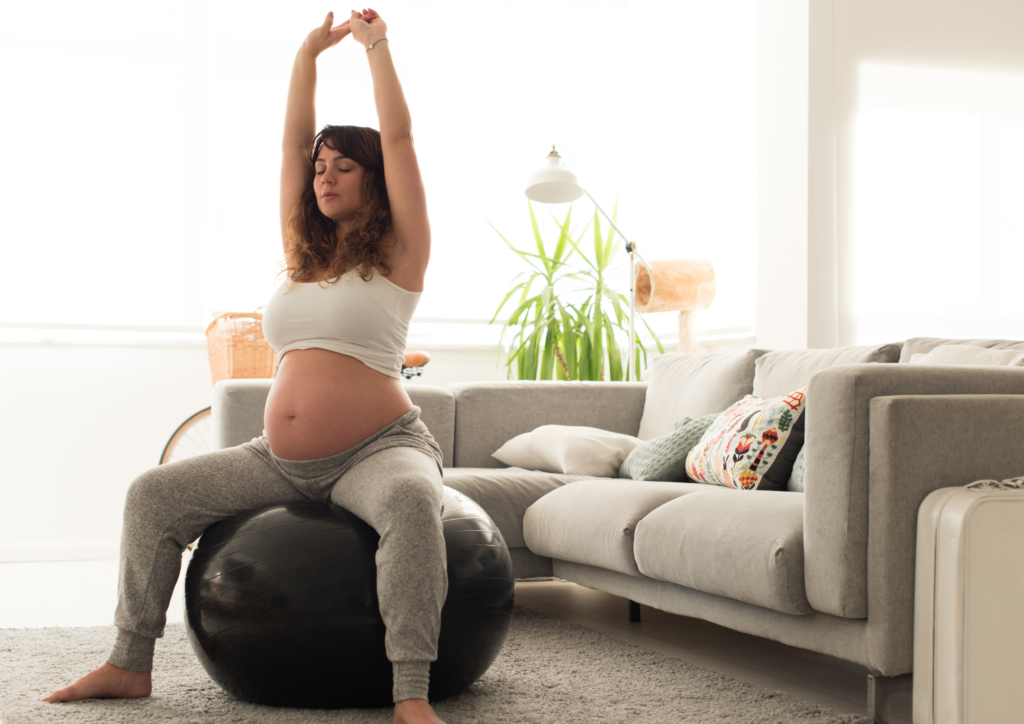
With your doctor’s permission first, gentle exercise like walking or prenatal yoga can help keep your body strong and prepare you for labor. Just be sure to wear compression socks to support circulation and reduce swelling.
Tip #16: More ways to handle third trimester discomfort
Stay hydrated by drinking plenty of water throughout the day. Consider eating small, frequent meals to avoid heartburn and keep your energy levels stable. Wearing belly support like a belly band can also provide relief from lower back pain.
Tip #17: Working while pregnant: tips for the third trimester
If you’re still working during the last month of pregnancy, be sure to take frequent breaks, stay hydrated, and use a footrest to alleviate swelling in your legs. Compression socks can also help reduce discomfort during long periods of sitting or standing.
Tip #18: Sleep problem: can’t get comfortable in bed
If you’re struggling to sleep, try using a pregnancy pillow to support your belly and back. Also, consider adjusting your sleep environment—keep the room cool, use blackout curtains, and eliminate noise to create a relaxing space.
Tip #19: Tired of being pregnant? You’re not alone
It’s normal to feel exhausted and impatient as you approach the end of your pregnancy. Take comfort in knowing that these feelings are common, and focus on activities that bring you joy and relaxation.
Tip #20: Prepare for labour and delivery
As you enter the last month of pregnancy, it’s important to prepare for labor and delivery. Attend childbirth education classes, discuss your birth plan with your healthcare provider, and make sure you have everything you need for your hospital stay.
By following these tips, you can navigate the final weeks of pregnancy with confidence and a little bit of extra comfort. Remember, you’re almost there—soon you’ll be holding your little one in your arms!
FAQ: Your last month of pregnancy
General information about the last month of pregnancy
Q: What is the last month of pregnancy?
The last month of pregnancy is typically the 9th month, spanning weeks 36 to 40. It’s the final stretch before your baby arrives, and it’s often the most challenging due to the physical and emotional changes your body goes through.
Q: What is the last month of pregnancy like?
The last month of pregnancy can be both exciting and exhausting. Physically, you may experience discomfort, difficulty sleeping, and increased fatigue. Emotionally, you might feel a mix of anticipation and anxiety as you prepare for labour and the arrival of your baby.
Q: What happens in the last month of pregnancy?
In the last month of pregnancy, your baby continues to grow and develop, gaining weight and getting into position for birth. You may experience more frequent Braxton Hicks contractions, and your body will start preparing for labour. You might also notice an increase in pressure as the baby moves lower into your pelvis.
Q: What happens to the baby in the last month of pregnancy?
During the last month, your baby’s lungs, brain, and nervous system are finalizing their development. The baby also gains the most weight during this time, typically around half a pound per week. The baby will likely move into a head-down position in preparation for birth.
Q: When does the third trimester of pregnancy start?
The third trimester begins at the start of the 28th week and lasts until you give birth. It’s the final phase of pregnancy, encompassing the 7th, 8th, and 9th months.
Q: What are symptoms of the third trimester of pregnancy?
Common symptoms include back pain, frequent urination, swelling in the feet and ankles, shortness of breath, and difficulty sleeping. You may also experience Braxton Hicks contractions, heartburn, and increased fatigue.
Q: Why is the last month of pregnancy so hard?
The last month can be difficult due to the physical strain of carrying extra weight, hormonal changes, and the emotional anticipation of labour. Discomfort, sleep disturbances, and anxiety about the impending birth can make this period particularly challenging.
Diet and nutrition in the last month of pregnancy
Q: What should I eat in the last month of pregnancy?
Focus on a balanced diet rich in nutrients that support both your health and the baby’s development. Include plenty of fruits, vegetables, whole grains, lean proteins, and healthy fats. Iron-rich foods and those high in fibre can help manage common third-trimester symptoms like anaemia and constipation.
Q: What should we eat in the last month of pregnancy?
Both you and your baby need adequate nutrition, so continue eating a variety of healthy foods. Include foods high in calcium, iron, and protein, and stay hydrated by drinking plenty of water.
Q: What should I avoid in the last month of pregnancy?
Avoid foods that pose a risk of foodborne illness, such as unpasteurized dairy products, raw or undercooked meat, and certain types of fish high in mercury. Limit your intake of caffeine and avoid alcohol entirely.
Q: How much weight should you gain the last month of pregnancy?
Weight gain in the last month of pregnancy typically slows down. On average, women may gain about 1 to 2 pounds per week, but this can vary. Your healthcare provider, like an OBGYN Atlanta, will monitor your weight gain to ensure it’s within a healthy range
Q: How much weight did you gain last month of pregnancy?
Every pregnancy is different, but most women gain around 4 to 8 pounds in the last month. This includes the baby’s weight gain, as well as increased fluid retention.
Q: How to lose weight in the last month of pregnancy?
It’s not recommended to focus on weight loss during the last month of pregnancy. Instead, focus on maintaining a healthy diet and staying active as much as possible. Any concerns about weight should be discussed with your healthcare provider.
Comfort and coping strategies
Q: How to make the last month of pregnancy more comfortable?
To stay comfortable, use pregnancy pillows to support your body while sleeping, wear loose-fitting clothes, and consider a belly band for extra support. Gentle exercise, like walking or prenatal yoga, can also help relieve discomfort.
Q: How can I be comfortable in the last month of pregnancy?
In addition to using pillows and supportive garments, stay hydrated, take warm baths, and get regular massages if possible. Compression socks can help with swelling, and taking frequent breaks can prevent exhaustion.
Q: How can I pass the last month of pregnancy?
Keep yourself occupied with light activities like reading, preparing the nursery, or spending time with loved ones. Attending prenatal classes and preparing for labor can also help pass the time and ease anxiety.
Q: How to sleep during the last month of pregnancy?
Sleeping on your left side with a pregnancy pillow supporting your belly and back is often recommended. Keep your bedroom cool, dark, and quiet to promote better sleep, and try to maintain a consistent bedtime routine.
Q: How to survive the last month of pregnancy?
Surviving the last month of pregnancy involves taking care of your physical and mental health. Rest when you need to, stay active with gentle exercises, and reach out for support when you’re feeling overwhelmed. Remember, it’s okay to ask for help from family and friends.
Q: How do you cope with the end of pregnancy?
Coping with the end of pregnancy can be challenging, but focusing on self-care, staying connected with your support system, and preparing mentally for labor can help. Practice relaxation techniques like deep breathing, and keep in mind that the discomfort is temporary.
Q: How to cope with the last month of pregnancy?
Break tasks into manageable pieces, focus on one day at a time, and remind yourself that the end is near. Treat yourself to small pleasures, and don’t hesitate to voice your concerns or feelings with your healthcare provider or a trusted friend.
Q: How much walking in the last month of pregnancy?
Walking is generally safe and recommended during the last month of pregnancy. Aim for 30 minutes a day, but listen to your body—if you feel tired or uncomfortable, take it easy.
Labour, travel, and activities
Q: What to do in the last month of pregnancy?
Use this time to finalize your birth plan, pack your hospital bag, and prepare your home for the baby. You can also take childbirth classes, spend quality time with your partner, and enjoy some relaxation before the baby arrives.
Q: Can you travel in the last month of pregnancy?
Travelling in the last month of pregnancy is generally not recommended, especially for long distances. If you must travel, consult with your healthcare provider first and make sure you’re comfortable and have access to medical care if needed.
Q: What to avoid during the last month of pregnancy?
Avoid strenuous activities, heavy lifting, and anything that causes undue stress or discomfort. It’s also wise to avoid new foods that might upset your stomach, and be cautious about exposure to illnesses.
Q: How difficult is the last month of pregnancy?
The last month can be difficult due to physical discomfort, emotional stress, and anticipation. However, with proper self-care, rest, and support, you can manage these challenges effectively.
*Collaborative feature post*