

How to spot the signs of low self-esteem in your child – Mindscreen Review – Part 1
*This post and the subsequent posts in the series are sponsored by Mindscreen – an online mental health and wellbeing tool which guides children towards higher self-esteem, at home or in the classroom.*
Over the past 30+ years, it has become increasingly clear that kids’ mental health disorders are on the rise. This generation’s children are experiencing an upsurge in low self-esteem, depression and anxiety because of the negative effects of our current climate, i.e. excessive social media use, gaming, cyberbullying and, recently, the pandemic’s lockdown (amongst other environmental factors).
One can argue that 30 years ago we simply didn’t have the resources or the knowledge to diagnose and manage mental health disorders early in children. However, we still find that mental health problems are often under-recognised, overlooked and under-treated.
Identifying any form of mental health disorder as early as possible allows for more time to manage that disorder and even reverse its effects before the child heads into adulthood.
Severe and persistent behavioural problems starting before secondary school years, which go unsupported, can have a long-term impact on children’s mental health and life chances.
Brown et al., 2012
But how do mental health issues present themselves in children?
There are a range of low self-esteem symptoms to look out for that may signify your child’s mental health is out of whack, and these can span from subtle personality traits to extreme medical disorders, depending on the length and severity. Some mental health disorders don’t present themselves at all until later into childhood and can either be exacerbated by the child’s environment or an undiagnosed medical condition – or both. We will go into what these symptoms are a little later.

What is low-self esteem in children?
In this article, we will concentrate on environmental factors that may cause low self-esteem, low confidence, anxiety and depression in children, rather than medical factors (for example, ADHD and ASD) which is outside the scope of this article. However, the tips displayed below can help to manage certain medical traits too, but you would need to discuss management steps with your medical provider first.
We will take a deeper dive into low self-esteem in our children and how we can spot the signs using an online learning platform called Mindscreen. For tips on how to manage anxiety, please read the ‘Reduce anxiety in children series’ here.
But what exactly is low self-esteem?
Self-esteem, simply put, is the opinion we have of ourselves. If our self-esteem is high, then we have a more positive outlook on ourselves and life in general. If our self-esteem is low then we tend to become self-critical, have negative thoughts and are less able to take on the challenges life throws at us.
What causes low self-esteem?
Low self-esteem often begins when you are a child and stems from the environment and people in which/whom we surround ourselves, for example, our parents, siblings, friends, teachers and the news/media, wherein they continuously fire positive and negative messages at us. And if a particular message resonates with us, whether it be positive or negative, it can influence our self-esteem.
If a child is constantly praised for having a good work ethic, which is classed as a positive message, then they would likely adopt a positive outlook on themselves which are signs of high self-esteem. However, if a child’s intelligence is criticised, then this is classed as a negative message and could impact the child’s self-esteem.
If the child constantly receives the message they’re not good enough, then over time their self-esteem will be impacted, and this mantra often stays with them until adulthood. As a result, the child finds it difficult to take on challenging obstacles in life because they think they’re not good enough to overcome them.
You are who you hang out with
My granddad used to always say the above to me. What he really meant was that if you hang around with ambitious people, you become ambitious. If you hang around with confident people, you will become confident. If you hang around critical people, you will become critical of yourself.
While this is not 100% gospel, there may be some truth to it. As the saying goes:
“Toxicity breeds toxicity.”
If the person who is a constant in your life is continuously negative about themselves and you, you will eventually become negative and it will affect your self-esteem if you cannot break away from the ‘chain’ and ‘see the light’ so to speak. You will continuously keep comparing yourself with others and find a way to feel like you’re lesser than, even if it’s not actually the case. But, as an adult, we have the benefit of life experience which can give us the strength to break away from the toxicity and make our own choices about ourselves, keeping our self-esteem intact.
A child who is surrounded by people who are negative will more likely have their self-esteem affected because they are like sponges and soak up the traits and characteristics of the people they encounter every day. Plus, children do not have the benefit of life experience and will most likely take what people say as gospel.
Environment affects self-esteem too
Environmental situations like life events, serious illness and bereavement can also often have a negative impact on self-esteem. My boys were, naturally, very affected by my late miscarriage back in 2017 and as a result, they are very overprotective over their baby sister, who was born in 2019. Poppy’s death made the boys anxious about losing their sister, which caused them to lack confidence, despite myself and my husband constantly reassuring them they’re doing a great job in protecting her.
Of course, their sister’s birth was a positive event after such a negative chapter in our lives, and so, therefore, even though they are anxious at losing their sister, their self-esteem is boosted every time we praise them for being so protective. So over time, they are less likely to believe their sister will go away.
It just goes to show how the environment can drastically change around us and our self-esteem is constantly taking a hit as a result.
We find it tough. Imagine how our children feel.
Personality
Some people are just born worriers or can’t help but be more prone to negative thinking. Others set impossibly high standards for themselves or have a fear of failure and therefore are too scared to try in the first place. In this instance, they require more assistance in overcoming their worries, which tend to be unfounded and not based on any actual negative circumstance.
But how do you spot the signs of low self-esteem in a child?
As I’m no psychological expert or a medical doctor, but I am indeed a doting parent, I am going to enlist in the help of Mindscreen to figure out if my boys (aged eight and nine years old) have any issues with their self-esteem and if so, how to overcome low self-esteem using the tips and techniques supplied.
But, first. What is Mindscreen?
Mindscreen is an online programme built for 11- 16-year-olds (younger and older children can use the online tools if they can follow the questions and lesson plans) which helps children to recognise their skills, interests, talents and strengths. Mindscreen also provides parents with step-by-step tools and guides to support children to develop their mental health and wellbeing as well as resilience and confidence at school through to adulthood.
Instances of low self-esteem, anxiety, and depression in children are increasing and support services can’t cope. The good news is world leaders are aware of the challenges but we all know that a ship like the Titanic is slow to turn, meaning it could be years before high-level policy change filters through into our everyday lives… Our Mindscreen experience® toolkit for parents and teachers will help you support your children to develop their self-esteem and unlock their potential.
Gav Devereux, Founder of Mindscreen
But every child is different
Indeed!
Which is why it’s important to work out what your child’s motivation is first. And, by motivation I mean, what drives your child? What makes them happy and what causes negative feelings in them? Are they natural worriers or sensitive souls (my middle one) or do they remain nonchalant in the harshest of crises (my eldest)?
Mindscreen offers a tool called the FREE SELF-ESTEEM CHECK, which is a low self-esteem test and contains 36 quick-fire questions that you answer on behalf of your child, to help you identify any signs of anxiety, low self-esteem and depression.
So, this is where we will start!
The Free Self-Esteem Check
The first step is to head over to Mindscreen’s website now and register for a free account.
Once you’ve registered, head over to My Account and click on Free Child Self-Esteem Check (FCSEC).
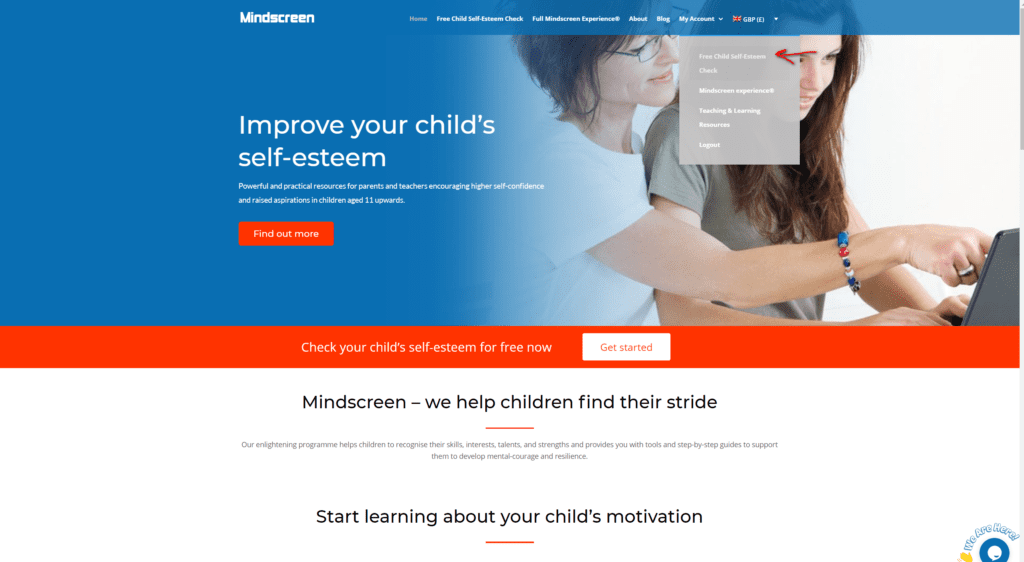
You will be taken to a private dashboard where you can enter the details of your child’s first name and assess your child straight away to check how their self-esteem is doing. Each time you assess a child you will get a report giving you an insight about their self-esteem level.
The check is free. Your child is priceless!
Mindscreen
As mentioned, I am going to assess both my boys’ (Aron and Aidan) self-esteem, and as I’ve already filled out the FCSEC assessment for Aron (results below), I will go through the FCSEC with you for Aidan (I’m about halfway through).
Click on ‘Create New Assessment’ in red to start the check and then click on ‘Continue’
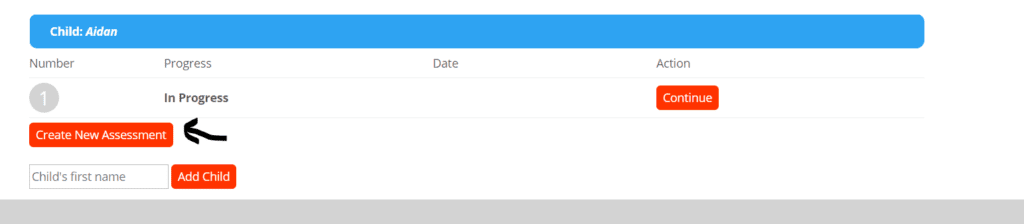
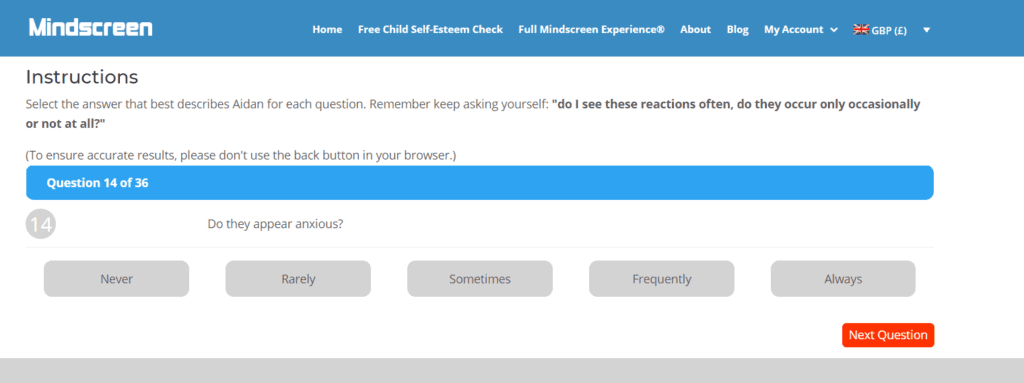
You get 36 questions where you will select the answer that best describes your child for each question. The FCSEC constantly reminds you to keep asking yourself:
“Do I see these reactions often, do they occur only occasionally or not at all?”
Aron’s and Aidan’s report was the same:
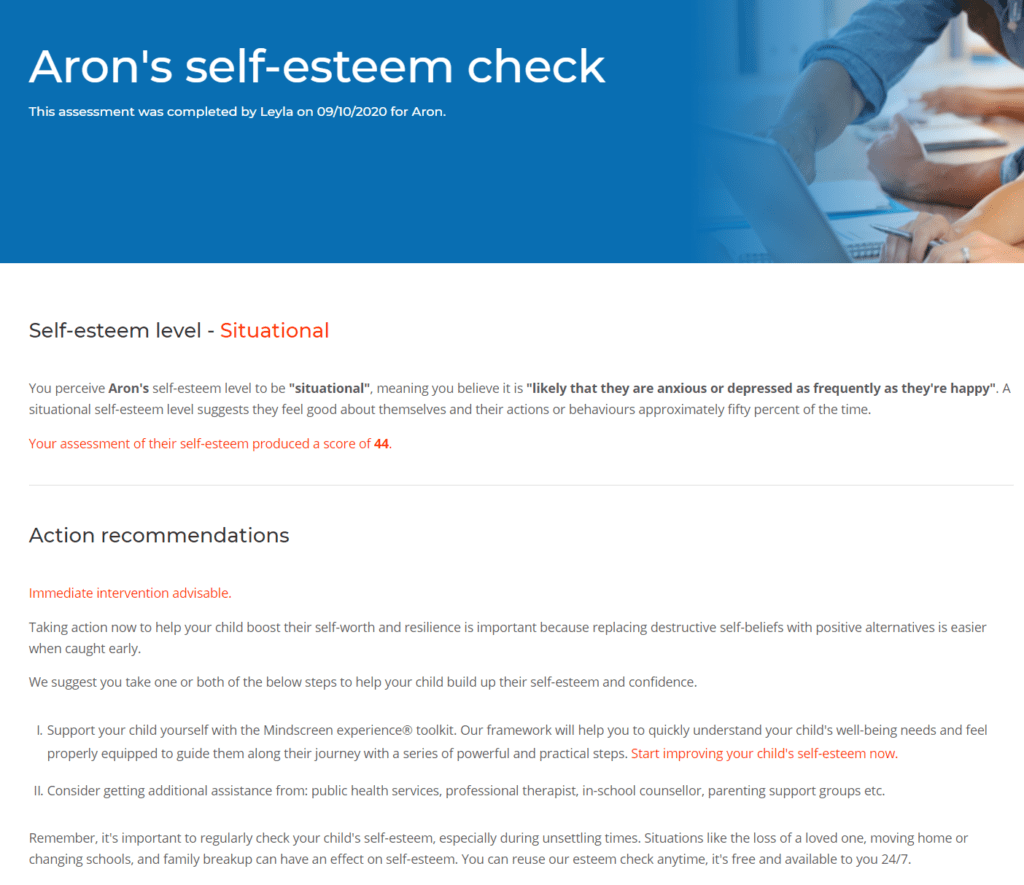
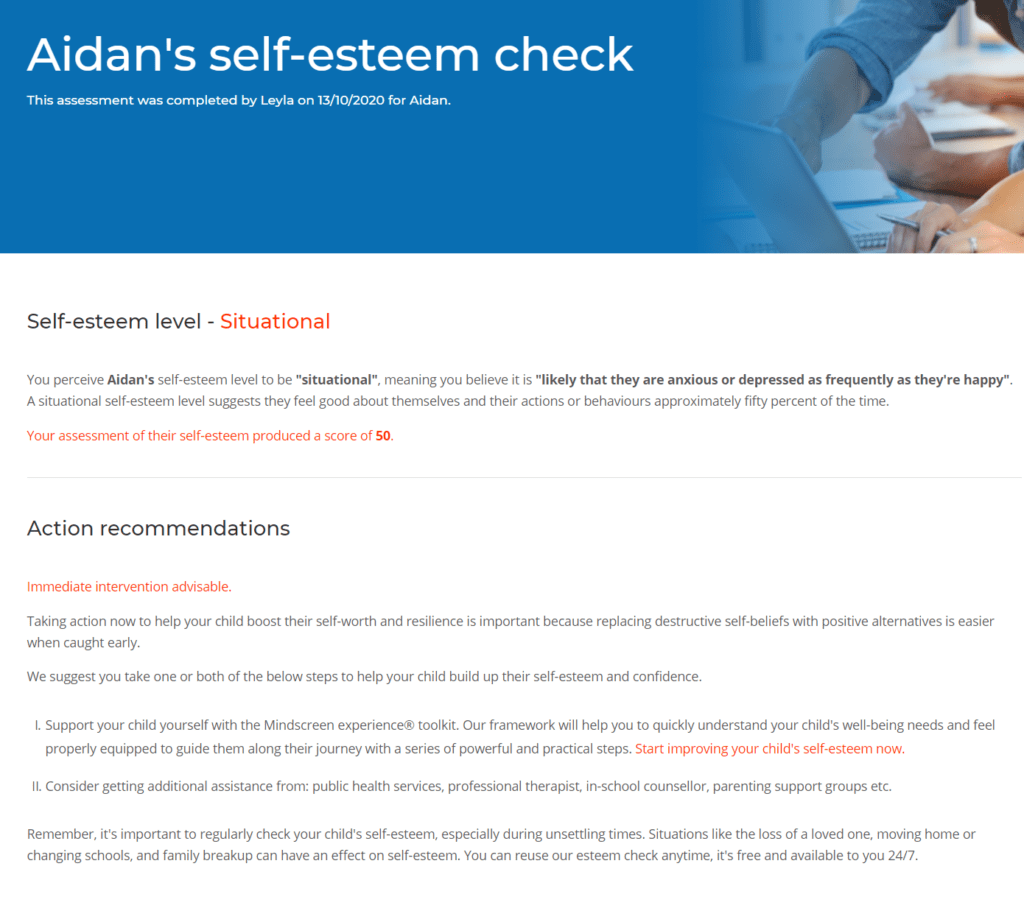
Aidan scored more than Aron with 50 against Aron’s 44. This means that, on paper, Aidan has lower self-esteem than Aron, which I thought would have been the other way around!
However, as both boys’ self-esteem levels were ‘SITUATIONAL’ this meant that:
They are anxious or depressed as frequently as they are happy.
The results from both reports advised that we as parents should intervene immediately and take action to boost our children’s self-worth and resilience with positive alternatives as soon as possible.
I was quite disheartened at reading the results because I have tried everything in my power to make sure my kids are happy and enjoy healthy living all the time. However, I have quickly come to learn that you cannot control their mindset 100% of the time and I am aware that environmental factors can skew our children’s mental health. So I’m glad I have caught it early and I am fully on board to take the necessary steps to develop my children’s self-esteem right NOW.
So, the first step is to take the full Mindscreen Experience® using the Mindscreen experience® toolkit, which is designed to equip you with powerful steps to improve your child’s self-esteem as soon as possible.
The other additional option, which you can take on its own or with the Mindscreen Experience®, depending on the severity of your child’s self-esteem, is to seek additional assistance from public health services, a professional therapist, in-school counsellor and/or parenting support groups.
What are the signs in your child which may indicate low self-esteem?
Is/does your child:
- Apathetic and de-motivated?
- Have less interest in things they used to like?
- “Doubt” themselves?
- Appear sensitive about other people’s opinions of them?
- Make excuses or blame others a lot?
- Behave inferior to others?
- Unaware of themselves, their skills, strengths, wants and needs?
- Unaware of how their words or actions affect others?
- Use “inadequate” language when talking about themselves?
- Worry a lot?
- Seem unhappy?
- Seem lonely?
- Seem ashamed of themselves?
- Appear anxious?
- Withdrawn?
- Have exaggerated emotional reactions to ordinary situations?
- Have sudden outbursts?
- Have unexpected contrasting mood swings?
- Have trouble sleeping?
- A change in their eating habits or weight?
- Seem agitated, irritable or angry?
- Disbelieve praise?
- Defensive when confronted?
- Appear uncertain and indecisive?
- Overly apologetic?
- Insecure?
- Unhappy with their body size/shape?
- Always on social media?
- Had any negative statements posted about them on social media?
- Have any unexplainable bruises/scratches?
- Less interested in their personal hygiene/appearance?
- Less interested in going to school or studying?
- “Hiding away” from the world?
- Have low expectations of themselves?
- Dislike themselves, who they are and how they behave?
- Avoid trying or they give up/give in too easily?
If your child frequently or always displays some or all of the above signs for low self-esteem then you should take action now to help your child boost their self-worth and confidence using the Mindscreen experience® toolkit.
What is the full Mindscreen Experience®?
For this article and subsequent articles in the series, we are going to go through the full Mindscreen Experience® and take the required steps to develop your child’s needs, interests, and behaviour by inviting them to complete the full programme.
The full Mindscreen Experience® will unlock tools and guides along with enhanced insights about your child’s characteristics and include practical resources to grow their self-awareness, confidence and resilience.
Once you have completed the FCSEC and you’re on the results page, head to the bottom of the page and click on ‘Get Started’:
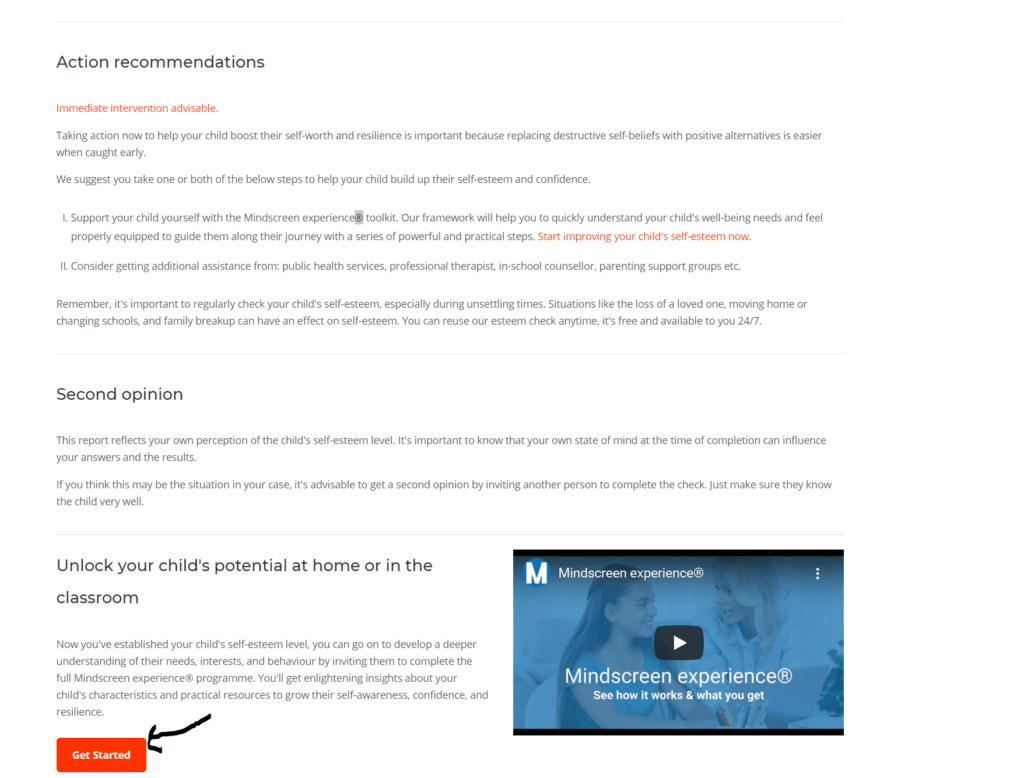
You will be invited to choose your packages which are designed for families and teacher class groups.
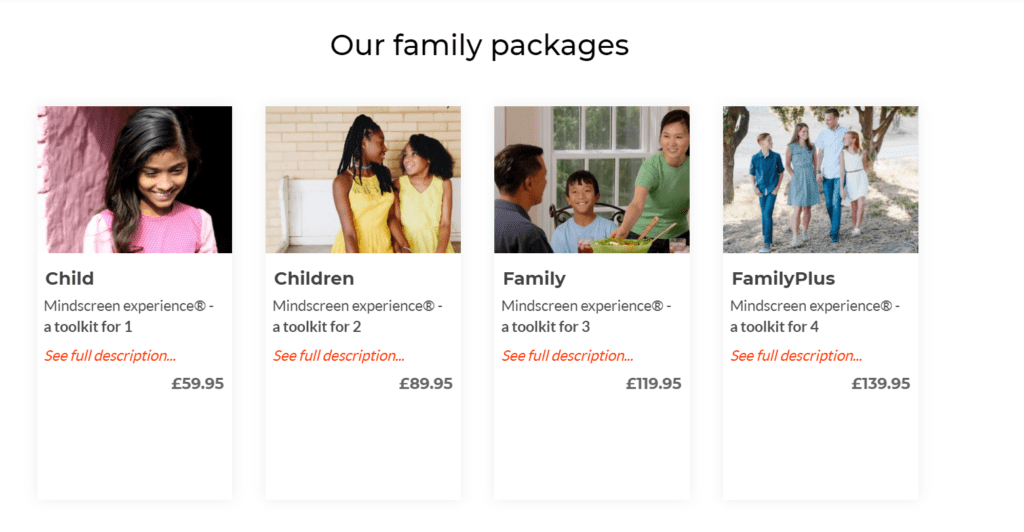
Mindscreen kindly gifted us the FamilyPlus package which invites both my husband and I as well as our two children to complete the full Mindscreen experience® together and compare our results.
What do you get in the FamilyPlus Mindscreen Experience® package?
The Mindscreen experience® Toolkit for 4 includes:
A. Four Personality Profiles full of insights that help your children (and you) to better understand:
- How they see themselves
- What their natural skills are
- How they prefer to communicate
- Their strengths & talents
- What their motivational wants & needs are
- Their ideal study & career options
B. Smart, easy-to-use tools and lesson plans for you to help your children to:
- Build their self-awareness
- Develop their self-esteem & self-confidence
- Choose study & career pathways they’re more likely to enjoy
- Determine what their goals & aspirations are
- Unlock their potential
C. A way for you to measure improvement in your children’s level of confidence over time.
Click on the video below to learn more about how the Mindscreen experience® can help you and your children. It’s useful to complete your own Mindscreen experience® as a parent as you’ll be able to see how you differ from your children and adapt to their individual needs.
Let’s get started with the FamilyPlus Full Mindscreen Experience®!
So, once you’ve selected your package (in our case we selected the FamilyPlus package) head over to your account and select Mindscreen Experience®
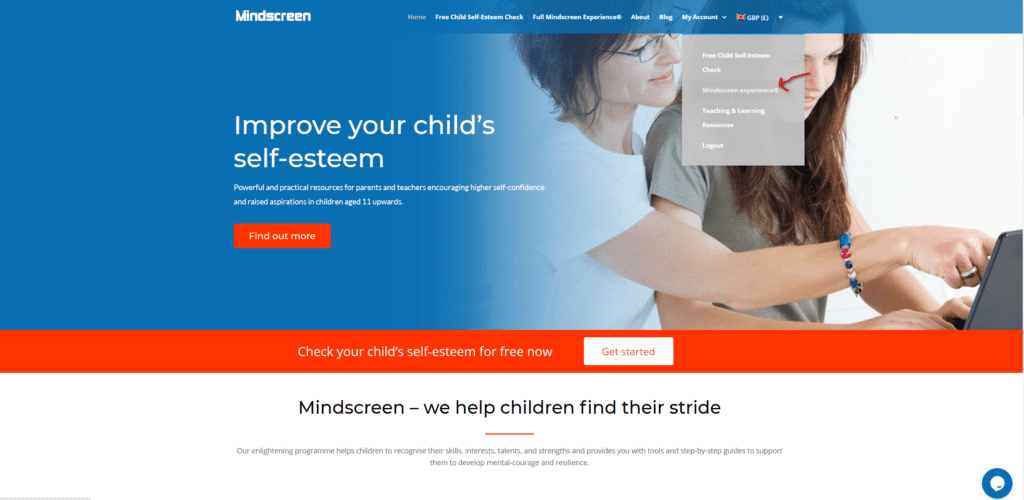
Depending on your package, your dashboard might look slightly different, i.e. for the FamilyPlus package, you are allowed to send up to four invitations to complete the Mindscreen Experience® profile.
Make sure you take a look around first and click on ‘Click to learn more’ to familiarise yourself with the process and what you will be required to do. Then, when you’re ready, start by adding your child.
Some points to note before you start:
- Head over to “Teaching & Learning Resources” to get an idea of how the lesson plans and support materials look like
- Complete your own Mindscreen Experience® profile before you invite your children, so you can get an idea of the process and what to expect. Don’t forget that the questions are designed for children around 11+ years old
- Plan ahead before you start. How many times/days are you going to work together with your child to complete the activities? Each lesson lasts around 45 minutes so make sure you allow extra time to prep the work first
- Make sure you read through your child’s Personalised Learning Style (PLS) and Learning Improvement Graph (LIG) because it’ll give you insights into how to connect with them on a deeper level and help them learn in their own unique way
- Help your children to unlock their true potential! The point of this journey is to develop your child’s self-worth and confidence, so work through the steps with them and keep building on their profile after they complete each set of lesson plans, so they can follow their progress.
- Involve your children in the journey and engage with them to make the Mindscreen Experience® an enjoyable and educational process for all!
We will go through the above points in more detail below.
Mindscreen have also provided me with a 10% off coupon code just for Motherhood Diaries readers so you can save money on each package!
Order your package now and save 10% by adding the code save10% at checkout
Complete the Mindscreen Experience® yourself first
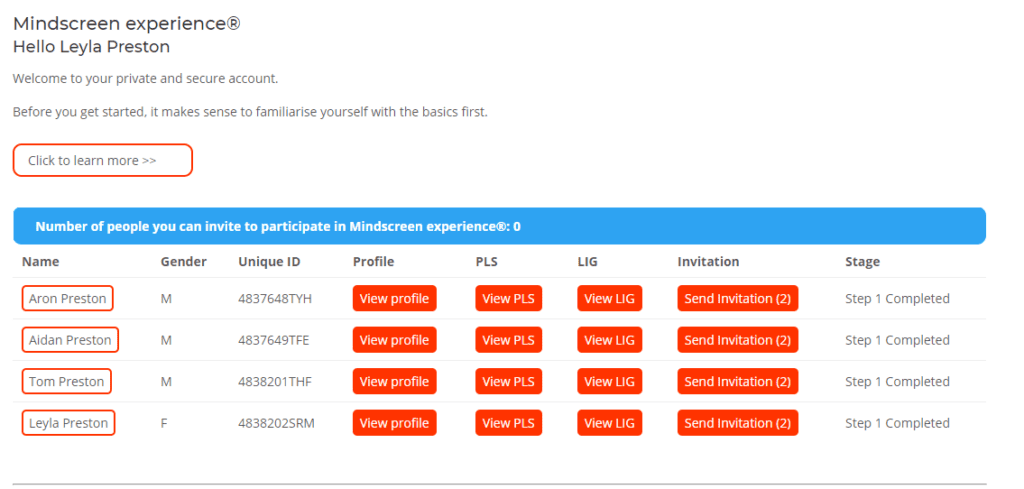
As you can see from our own personal dashboard that my husband and the two boys have all completed their own profiles and have received their PLS and LIG, so Step 1 has been completed! I have yet to do mine, so I will go through the Mindscreen Experience® with you:
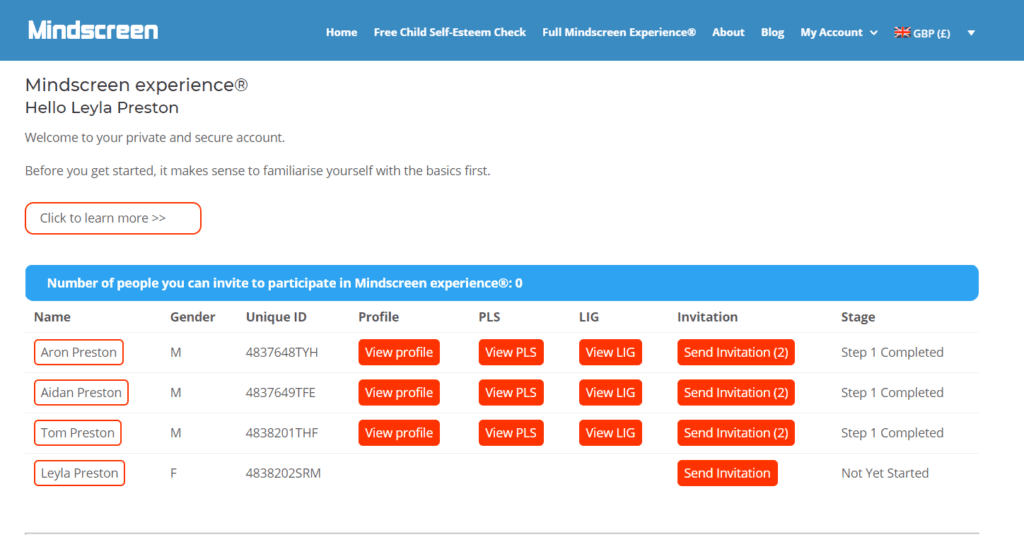
When you click on ‘Send Invitation’ an invitation will be sent to the email address you provided when inputting your child’s details. So, it’s up to you to ensure your child opens and completes the questionnaire.
Once you’ve sent the invitation you or your child will see the following:
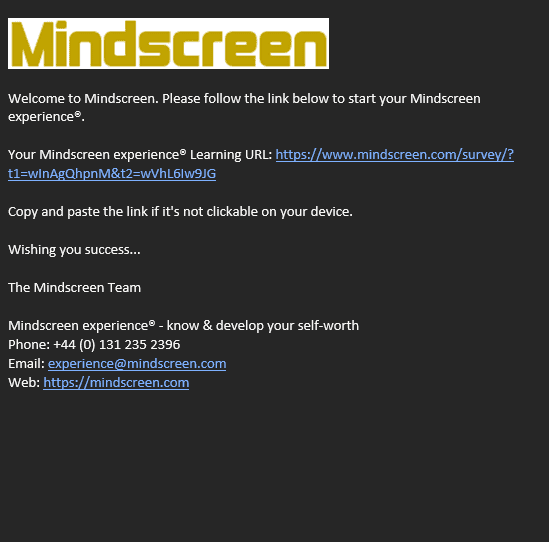
Click on the unique link provided and you are ready to start!
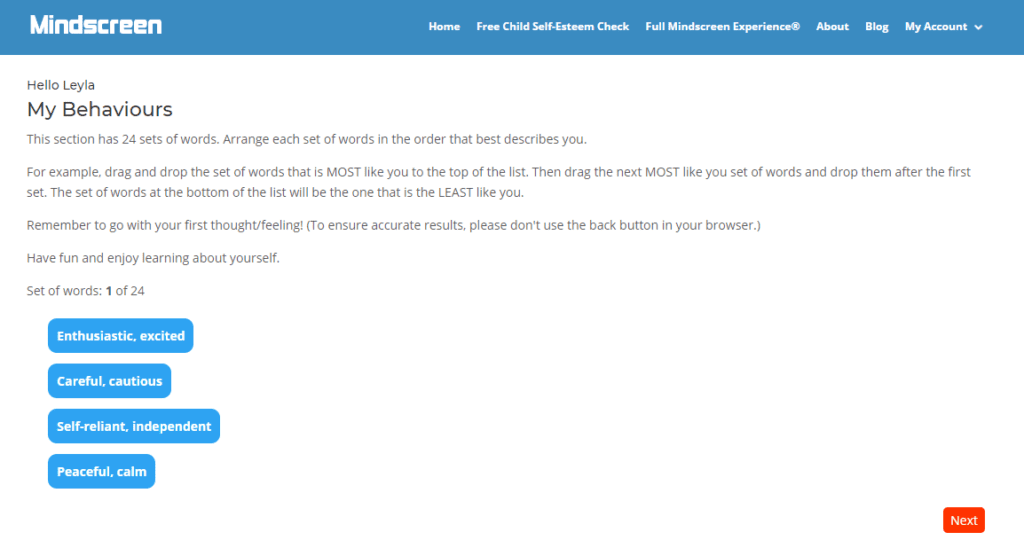
The profiling questionnaire starts with My Behaviours, a set of 24 questions designed to get you thinking about what best describes you. It’s a simple questionnaire – you just drag and drop the set of words that sounds MOST like you at the top and the words that are LEAST like you at the bottom.
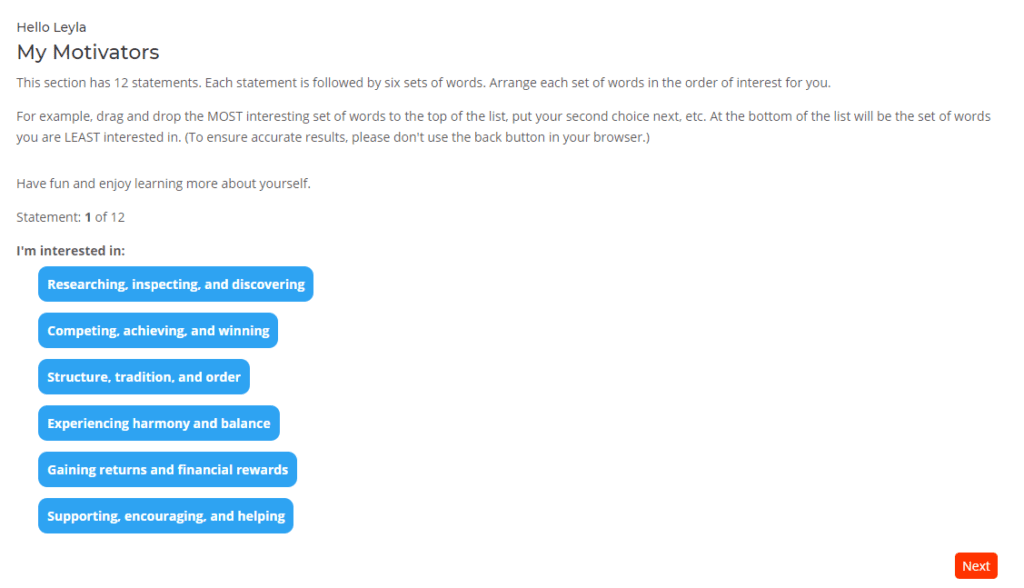
The second set of questions are My Motivators and comprises of 12 statements.
The third section concentrates on My Self-Skills.
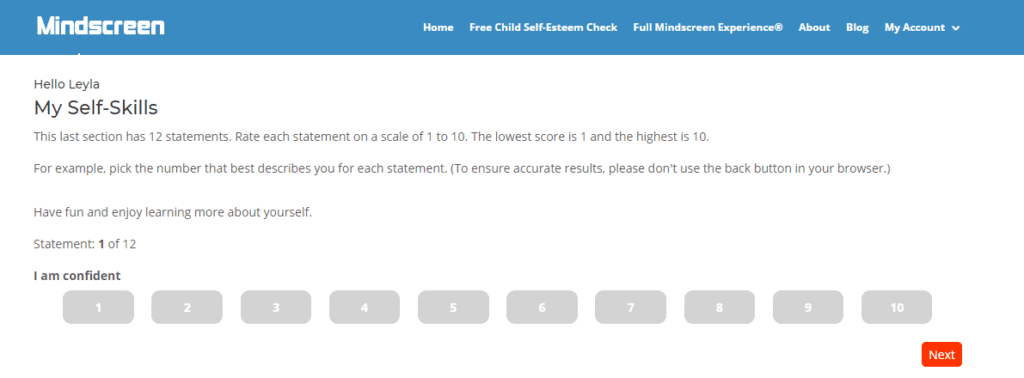
Be careful when selecting your answers, as it doesn’t allow you to go back and correct the mistake. So take your time when taking the test, there’s no time limit.
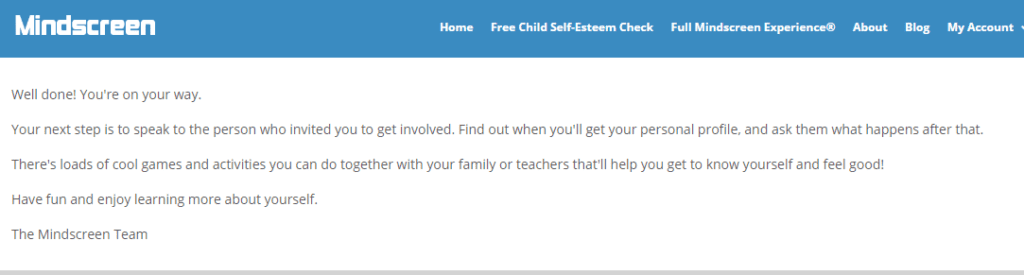
Once you’ve completed all the sections, you are greeted with a reminder to speak to the person to get involved and chat about the next steps, which is to take a look at their profiles, as well as their PLS and LIG results.
Your child’s profile
Once completed, head back to the dashboard and click on each of your profiles to get a deeper insight into the results.
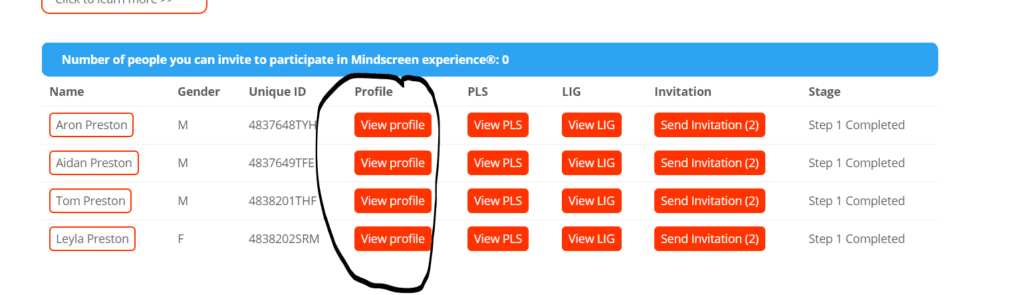
You will get a PDF which digs deep into learning more about yourself and your child. The profile provides the following insights to help better understand:
- Yourself
- How your friends, family, and other people see you
- What your dreams and goals are
- What study and career paths you are more likely to enjoy
- What things make you happy and feel fulfilled
The profile is split into the following key areas which coincide with their respective Lesson Plans to help develop that key area:
About me
The ‘About Me’ section will contain a list of statements that relate to your child.
You can develop your child’s self-awareness and self-confidence using the easyConfidence Lesson Plan (more information on the different Lesson Plans below)
Most of the statements rang so true about Aron I was shocked! Some very uncanny examples are:
I sometimes interrupt others because of my strong desire to let them know how I see things.
I am usually very challenging and consider “my way” to be the best way.
Aidan’s also rang very true:
I want to be seen as a winner
Sometimes winning becomes more important than how things should be done or how I play the game
I was impressed to see some of my husband’s statements were bang on as well:
I think I am good at promoting ideas or projects and getting other people
involved.
I think I am good at “selling” ideas and projects to other people.
I always thought my husband was great at sales!
And, lastly, I learned a few home truths about myself:
I can easily and eagerly talk at length about things that excite me.
People who know me know this is 100% true.
I am very open and trusting and believe other people when they make a promise
to me.
Unfortunately this is true and I have been burned many a time!
My Wants and Needs
The next section relates to your child’s motivational wants and needs and this is an important section because satisfying them keeps them happy!
Again, you are provided with a list of statements related to what your child needs to keep them switched on.
Aron had motivational needs like wanting to be given the big picture and to do things his way so he could demonstrate his skills. He also needed information to be given quickly and in brief, to experience things as he went and to achieve results.
Aidan wanted and needed targets to aim for so he could be rewarded when he hit them. He also wanted to make the decisions and direct the actions of others and have complex puzzles and experiments to work on. He also liked new challenges and problems to solve.
Tom wanted excitement and adventure in his life while I needed freedom from control and supervision.
My thoughts
I noticed that Aron is motivated by fun and excitement so sitting down to study subjects of which he has no interest is difficult for him. He also likes to have things done his way. So, I would need to find a way to inject some excitement into his Lesson Plans, while giving him a bit more responsibility to study on his own. He is very creative though, so it’d be great to build some creativity into his studies too.
Aidan wants clear goals and to concentrate on complex puzzles, which is great because he already completes fun and challenging puzzles in bed. I noticed that Aidan is productive and efficient and I do find that he is more motivated to work because he wants to always be the best. His work ethic is fantastic, so it’s all about building on his strengths here.
How I see myself
This was a very interesting section because it shows you how your child sees themselves. And the better they understand themselves, the more confident they will become. The highlighted statements in this section describe how your child sees themselves and will help them learn if they are more:
- “Confronting” or “Agreeable” when challenged
- “Talkative” or “Reflective” when interacting
- “Relaxed” or “Restless” in your surroundings
- “Respectful” or “Rebellious” regarding rules & procedures
This section works together with the easyAwareness Lesson Plan to help your child get to know themselves better. More information on the Lesson Plans below.
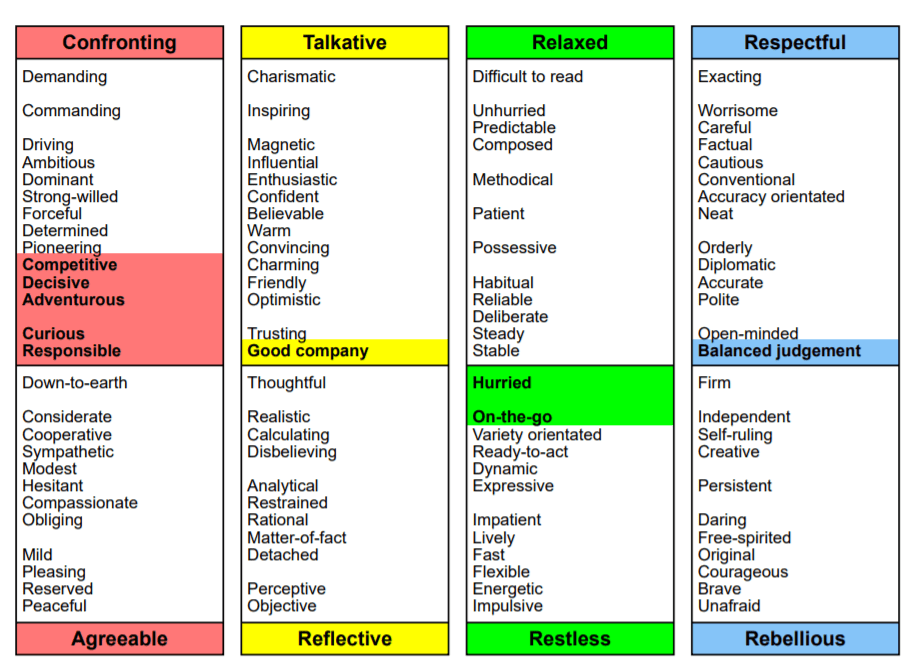
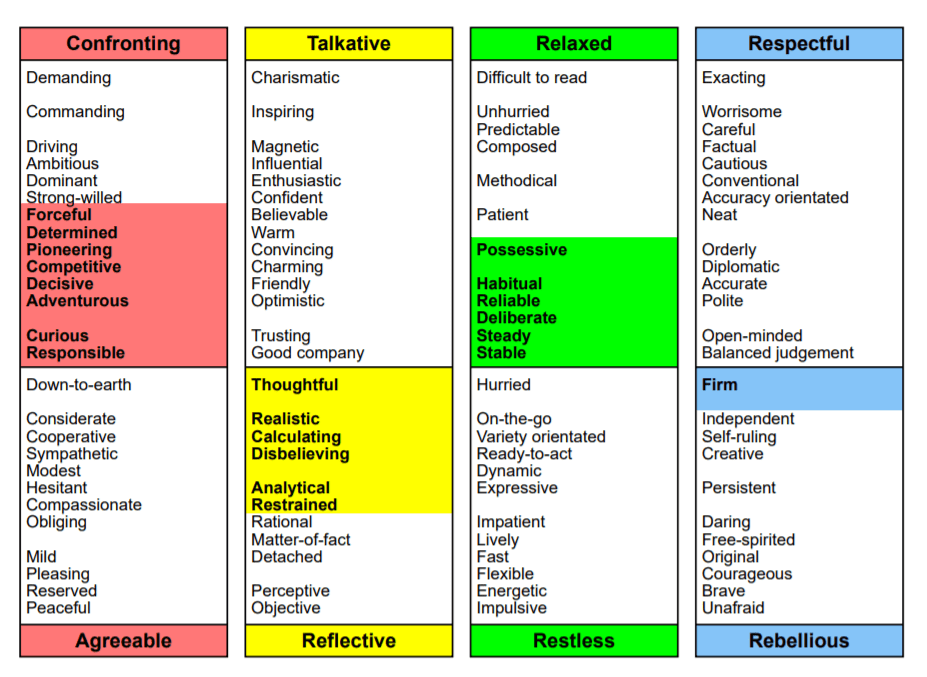
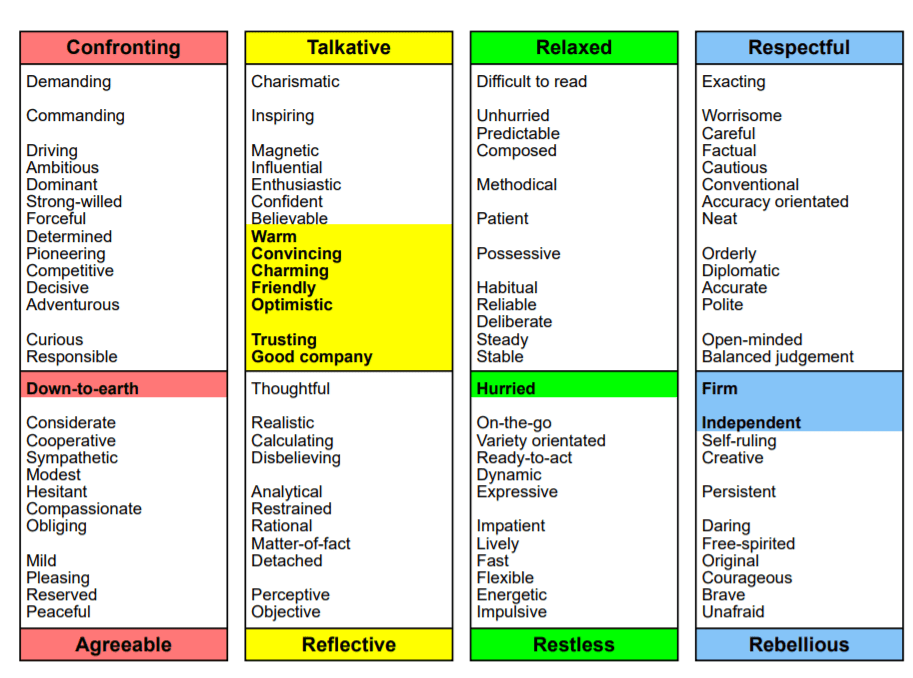

My thoughts
Very interesting results and I noticed that a lot of their traits are in the RED column which seems to be more on the confrontational scale. I have always joked that my boys are alpha males, but it’s definitely interesting to see that they’re not as different from each other as they’d like to think!
Order your package now and save 10% by adding the code save10% at checkout
My interaction likes
If your child knows what motivates them, then they’ll know better how to communicate and interact with others more confidently.
In this section, your child will receive a list of statements that shows the ways your child likes to engage with people.
Aron likes to experience things as he goes and express himself in a lively and open way.
Aidan likes to analyse everything and prefers other people to cover things in detail when interacting with him.
Tom likes to interact with people who recognise that taking risks is an important part of progress and change.
And I like to be around others and convince them in an enthusiastic way that what I am saying is exactly what they need.
Your child will get a list of statements that refer to how they’d like to engage so it’s important to go through the list and gauge their reaction to these statements.
My thoughts
Again, I noticed the overriding theme in Aron’s results were that he wanted fun and exciting interactions with peers but that he also didn’t have time to mess around, so he also needed people to get to the point. It’s made me wonder about how I speak to him actually. I like to explain myself in detail, but that may be where I am going wrong and why I often wonder why Aron is ‘ignoring’ me.
I read somewhere that children only really retain the first five words and then their mind wanders. So, I will make an extra effort to try and limit what I want Aron to do in five words or less!
Aidan’s seemed a lot more ‘grounded’ and ‘serious’. Aidan wants to-the-point conversations and to feel constantly challenged, but also be given the time to analyse and process what people have said to him. He needs to be more matter-of-fact and so I will make an extra effort to treat him more seriously and ‘give it to him straight’ when I need him to do something for me.
My interaction dislikes
This section is important because it’s essential to learn what your child dislikes in what people say or do when they interact with them.
Aron dislikes it when people repeat activities or discussions when they are dull.
Aidan dislikes following other people’s idea if he disagrees with them.
Tom dislikes when other people distrust in what he is saying and does not share his optimism and enthusiasm.
And I dislike it when people “box me in” with too many rules.
Your child gets a list of statements that refer to their dislikes so, again, go through the statements with them and ask them what they think!
My thoughts
Again, Aron’s dislikes were centred around keeping him in one place for too long and slowing him down. He needs things to be done quickly and is bothered by people who are too slow. He also doesn’t like it when people block him from expressing himself. So, this is a great food for thought when I do the lesson plans with him and I have made a mental note to give him the stage so he can express himself freely during lessons.
Aidan’s dislikes were surprisingly about people getting up close and personal with him and invading his personal space. I have noticed that Aidan is starting to pull away from my hugs and kisses and I thought this may be because he wants to act cool. But, I’ve noticed that he does keep people at arm’s length when he speaks to them, so I will concentrate more on respecting his boundaries and not forcing cuddles or kisses at the school gate as he clearly dislikes this interaction.
The Natural and Adapted Me
This next section talks about your child’s “natural behaviour” which is the behaviour that usually remains similar throughout their lives, only changing during brief emotional and stressful situations.
Their “adapted behaviour” relates to when your child adapts their behaviour in different situations. For example, they may behave differently at school than when they’re at home or out with their friends.
Your child perceives their adapted behaviour as the way they believe they should behave to fit into and succeed in their current environment.
Their natural behaviour is shown on a Success Insights Wheel® in the profile and is marked as a dot. Their adapted behaviour is shown as a star. The further the star is from their dot the more your child is adapting their natural behaviour to their environment.
Remember, while you can afford to be flexible, stretching your natural behaviour can cause strain, much like when an elastic band is stretched. Human behaviour can be “stretched” in different directions but will snap back to its “natural” state. And this is perfectly normal, provided your child doesn’t stretch themselves too much or too far.
Because what happens when an elastic band is stretched too far?
It snaps.
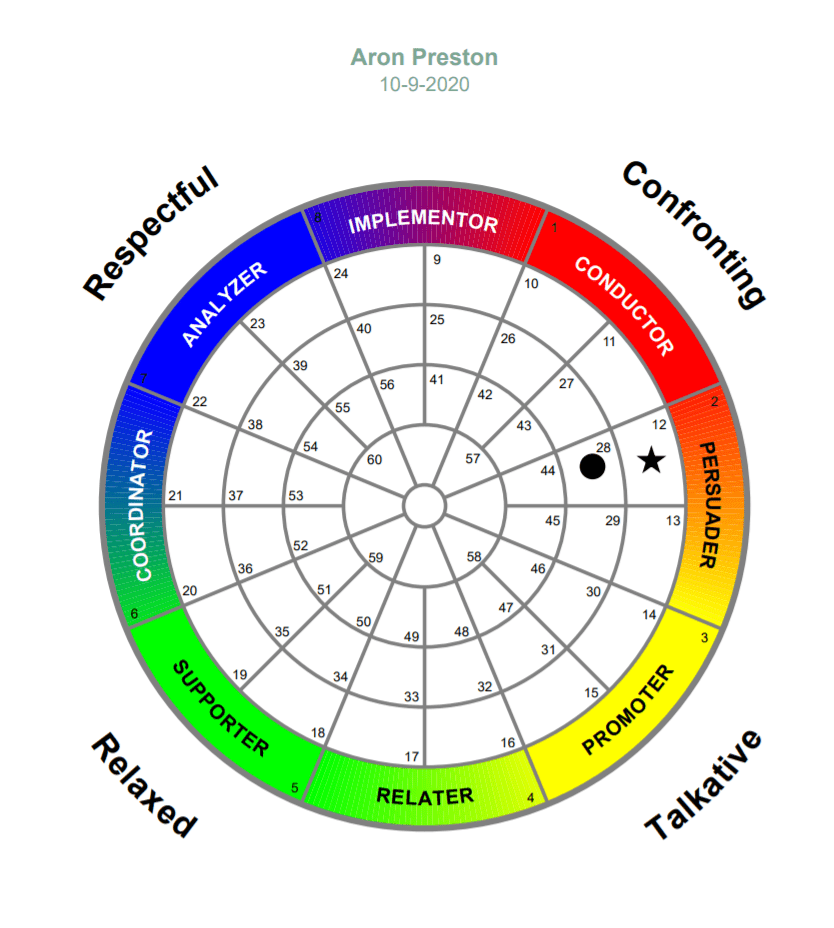


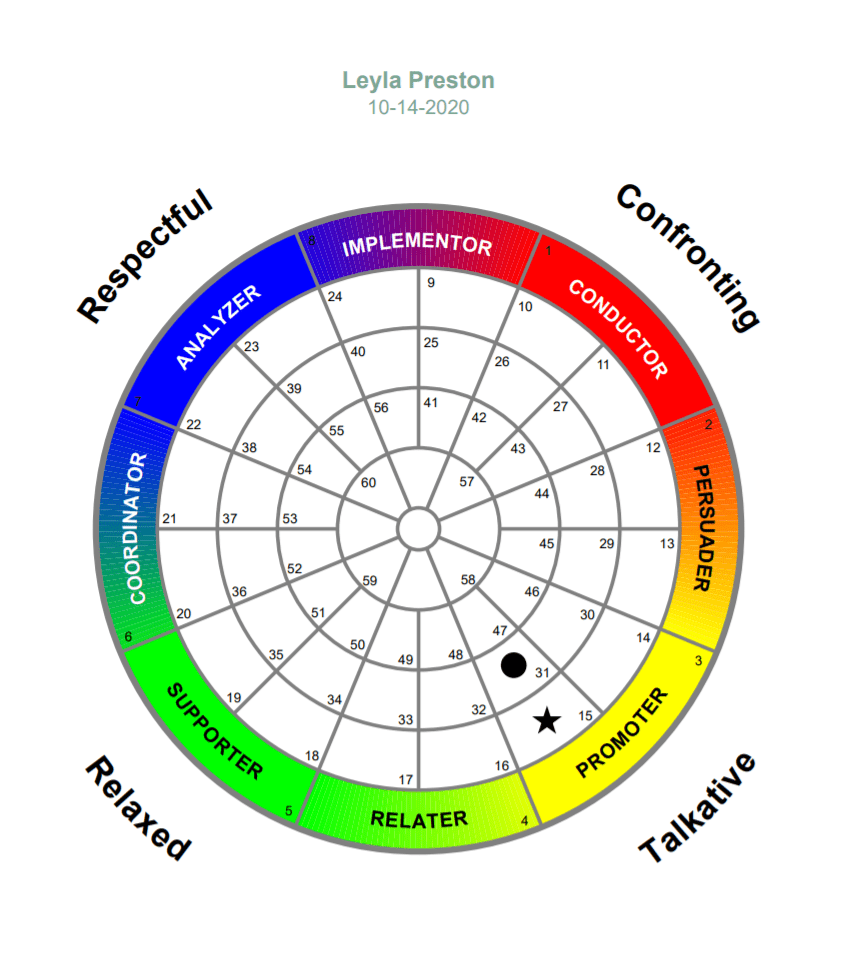
The behaviours on the right of the wheel (Confronting and Talkative) are more Outgoing/Extroverted while the behaviours on the left (Relaxed and Obedient) are more Reserved/Introverted.
The behaviours in the top half of the wheel (Obedient and Confronting) are more Task/Thinking focused and the behaviours in the lower half of the wheel (Relaxed and Talkative) are more People/Feeling focused.
My thoughts
It’s amazing how we are all so different.
Aron’s natural and adapted behaviour shows that he is Outgoing/Extroverted, which are close together, i.e. in the Persuader column. I felt this reflected Aron very well as he is quite strong-minded and rarely changes his behaviour to suit others. It seems he doesn’t feel the need to adapt his behaviour which is great! However, on some occasions adapting your behaviour may be useful to be a team player, which is something I find Aron does struggles with. He is a born leader for sure, but sometimes he needs to learn to play in a team.
Aidan’s results, however, were more interesting. I assumed he would sit in the ‘Implementor’ column rather than ‘Conductor’. But, I feel like perhaps his adapted behaviour is stretched to be more confrontational than he really is because he is often coaxed by others to speak up over his brother when sometimes he would rather leave the room and walk away. When speaking to Aidan about this he agreed and said that sometimes he just wishes his brother would leave him alone so he could live in peace.
If your child has stretched adaptive and natural behaviours you may find that their wants and needs will be different from the other sections as well. We all adapt our natural behaviour throughout our lives and this isn’t something to worry about.
What is more important is WHAT is causing them to adapt? Go through the “My Wants and Needs” section with your child and ask questions about what is going on in their lives. It’s a great section to connect with your child and help them work through any issues they may be focused on at the moment.
The Understanding your Child’s Profile guidance has some great questions that you could ask your child. These are:
Has something changed in school?
Has something changed at home?
What seems to be the most important thing on their mind right now?
Have you noticed any change in their behaviour?
My Success Tips
So, now we want to make sure our children get ahead in life! How do we do that?
We start with the future in mind!
Get your child to set goals and break them into manageable steps by using their Success Tips straight away.
The road to self-belief and higher self-esteem is a journey, not a destination, therefore it needs to be achieved through steps in a way your child can understand and achieve. And make sure to congratulate them when they do succeed in every step which will boost their self-esteem and confidence.
Use this section with the easyBelief and easyFuture Lesson Plans to help your child develop their Success Tips (more information on these below).
Some Success Tips for Aron included:
- Get up early.
- Study in the morning.
- Switch from subject-to-subject every 30 minutes
- Use an alarm.
- Walk around while you’re thinking.
- Tell yourself to take notes and write down your ideas immediately. This will open your busy mind up to receive other information. You will be more organised and improve your memory too.
I love these tips and I think they would work really well on Aron as he can’t sit down for too long! I have also noticed he is more switched in the morning. So I look forward to implementing these new routines with Aron.
Some Success Tips for Aidan included:
- Detach yourself from interruptions when studying.
- Use the library.
- Study alone.
- Make sure you have everything you need to analyse the data and facts.
- When in group activities take every opportunity to be in charge and lead others.
Some Success Tips for Tom included:
- Learn how to manage your time.
- Get a pocket diary. Describe each activity you do and how long it took. Within a month you will know what you are spending your time on.
- Draw pictures or diagrams of the ideas and concepts you want to learn. Leave out unnecessary words.
Some Success Tips for me included:
- Remind yourself that not everyone is like you.
- Tell yourself that “normal” is OK too.
- Remember that regular people, like your teachers, can help you achieve your goals.
- Use your rebellious nature to your advantage. Choose to study in your own creative way. Decide what your study rules are.
- Make an agreement with yourself to follow your own rules.
Love this last tip!
Your child will have more Success Tips so make sure to go through them all and go through the respective Lesson Plans to ensure they action these Success Tips now.
My Skills, Study & Career Choice Insights
This next section is a big one and looks into what your child’s natural skills are and which study and career choices use those skills. This section is a great way for your child to discover which skills they didn’t realise they had and which they knew they were good at already.
Choosing the study and career path that is right for your child is essential because it will help them feel confident and fulfilled that they are in the right path in life.
Look at the Skills Insights graph first and take note of your child’s skills in GREEN in each of the six columns. These are your child’s natural skills.
Now look at the Study and Career Insights graphs and check out the highlighted study and career options most suited to your child.
These insights are great to get an idea of the types of study and career paths available, but they shouldn’t make the basis of your child’s decisions. Family and teachers can help to broaden your child’s sources of study and career pathways so your child has a full-rounded view of which path they’d like to take.
This section can be used in conjunction with the easySkills, easyStudyChoice, easyCareerChoice and easyCV Lesson Plans which we’ll go into more detail below.
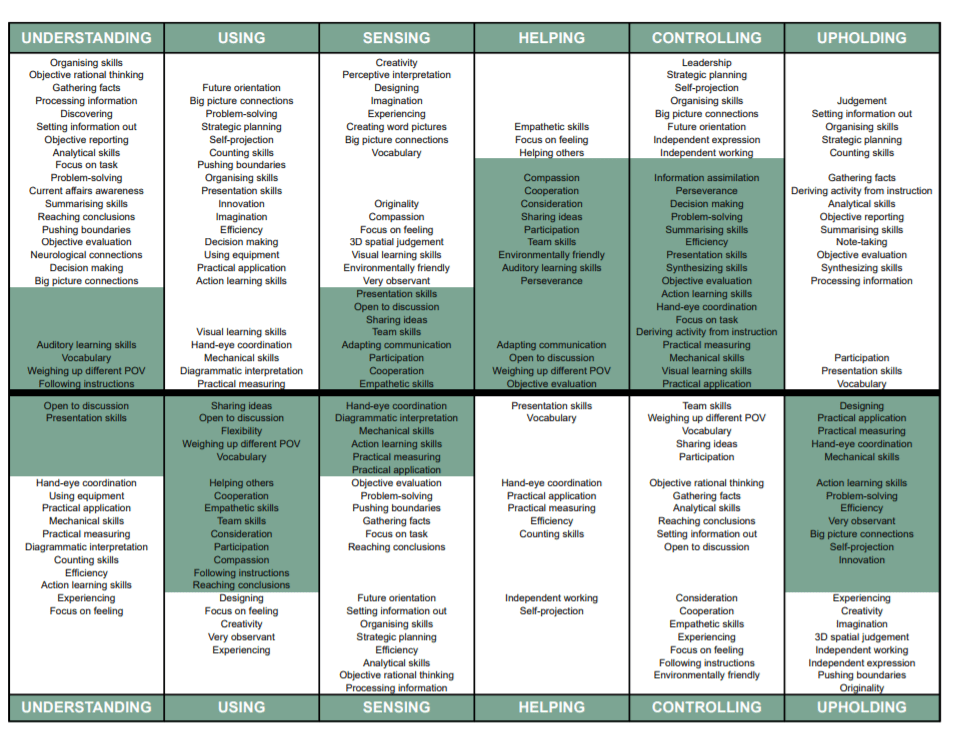
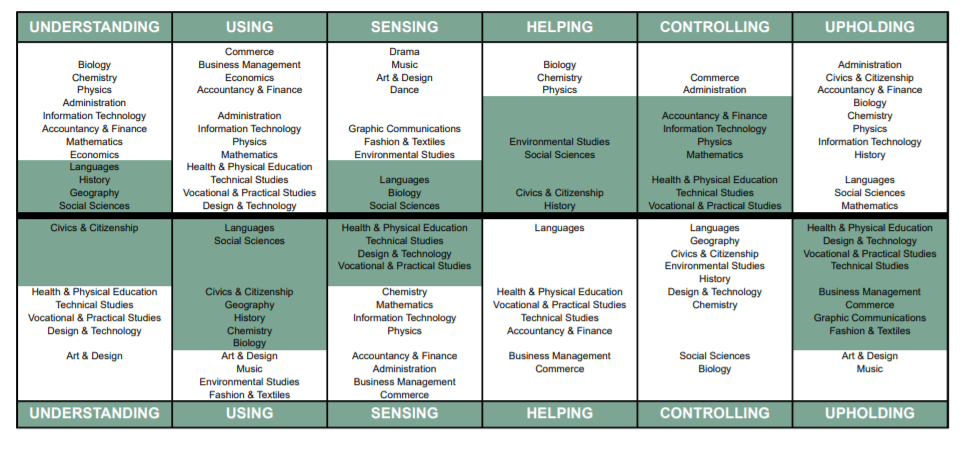
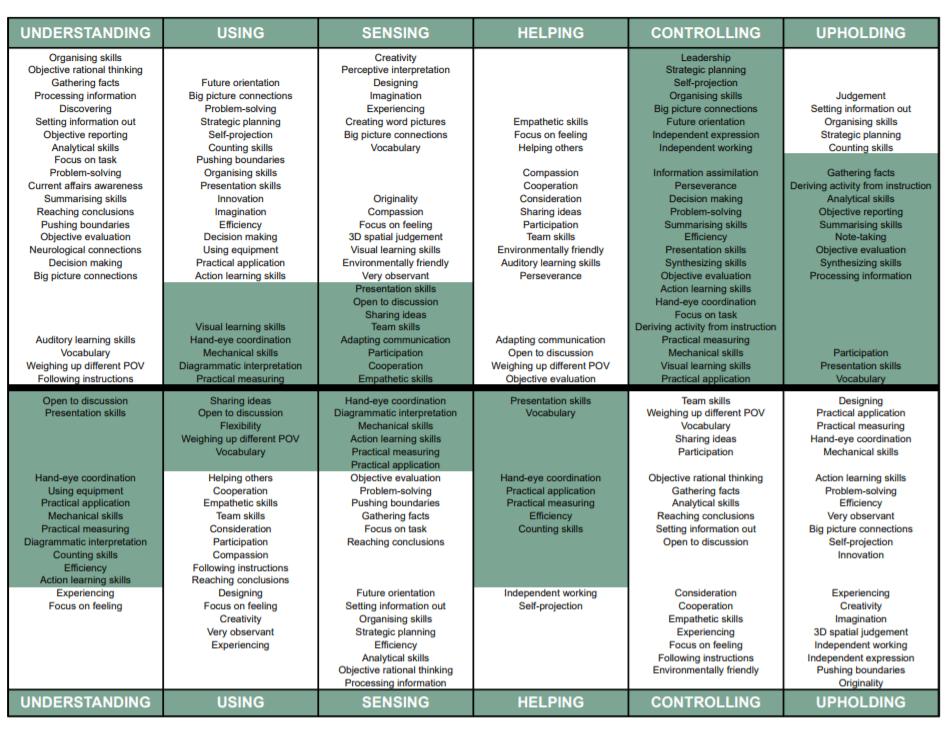
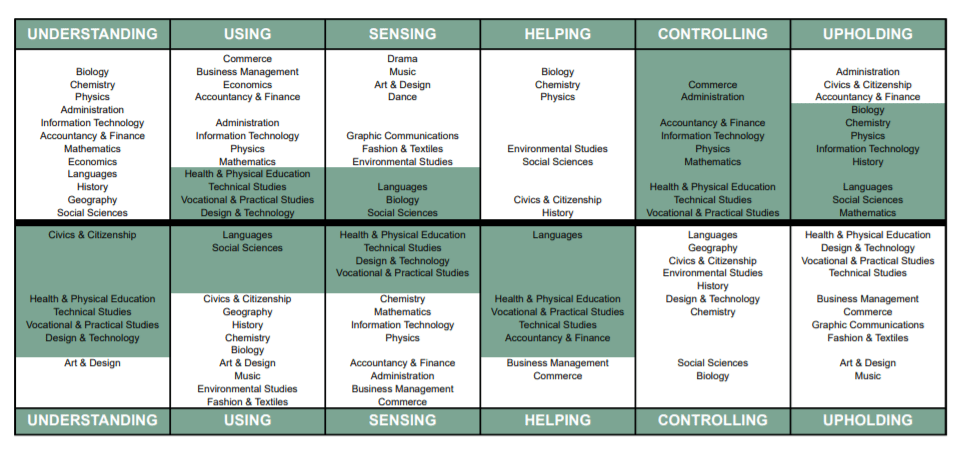
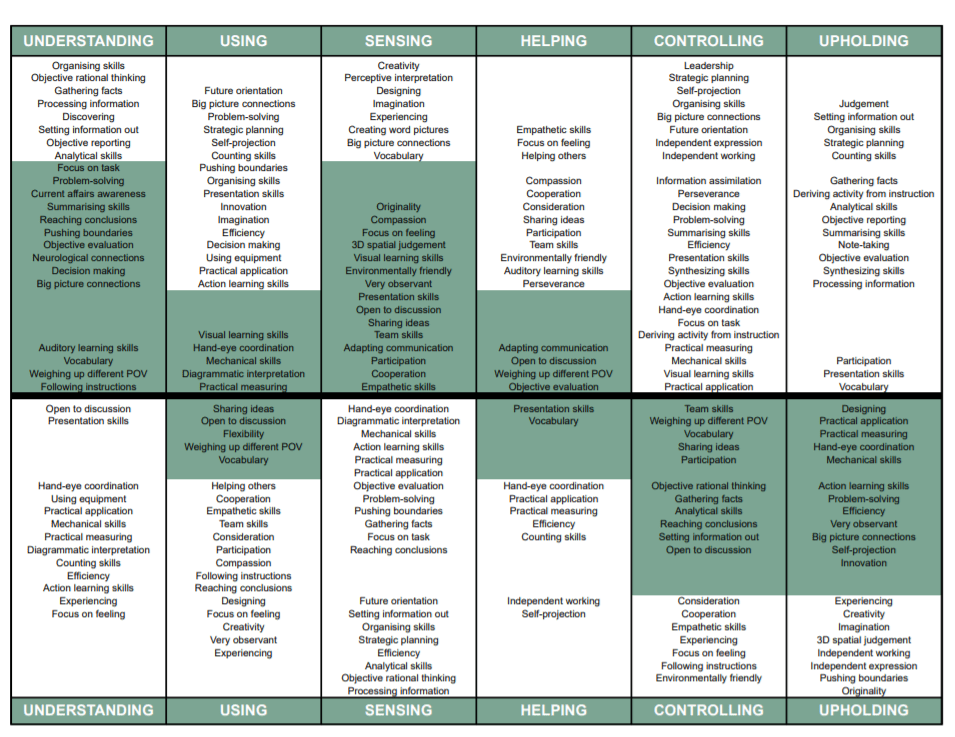
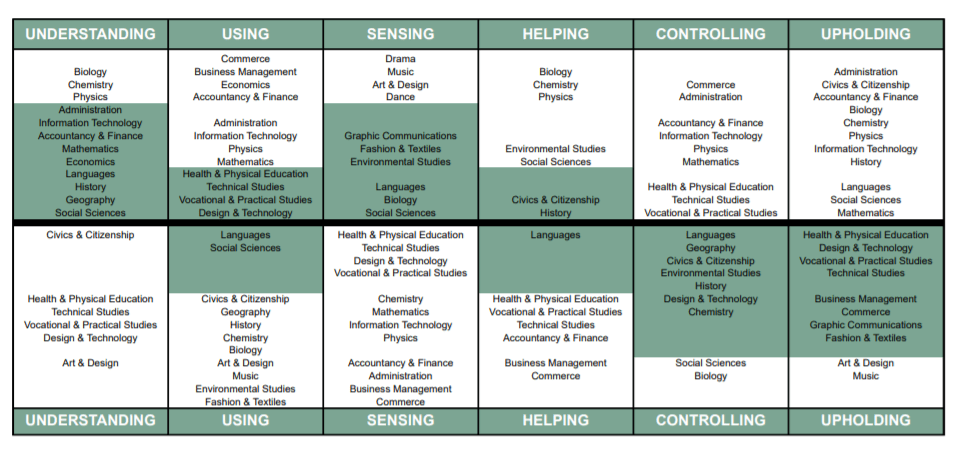
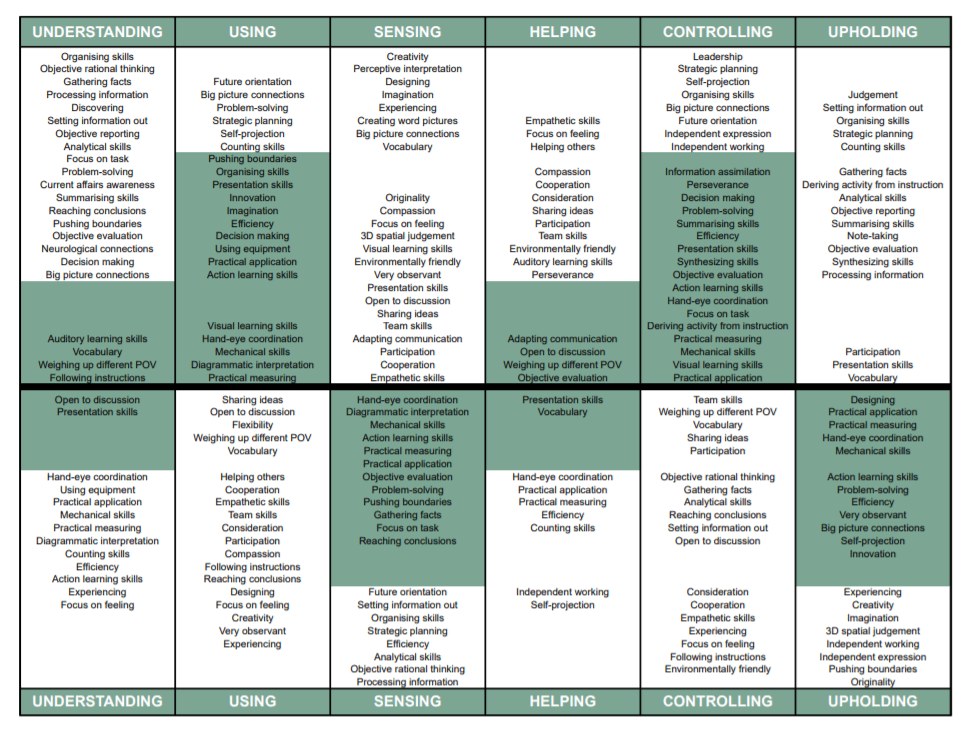
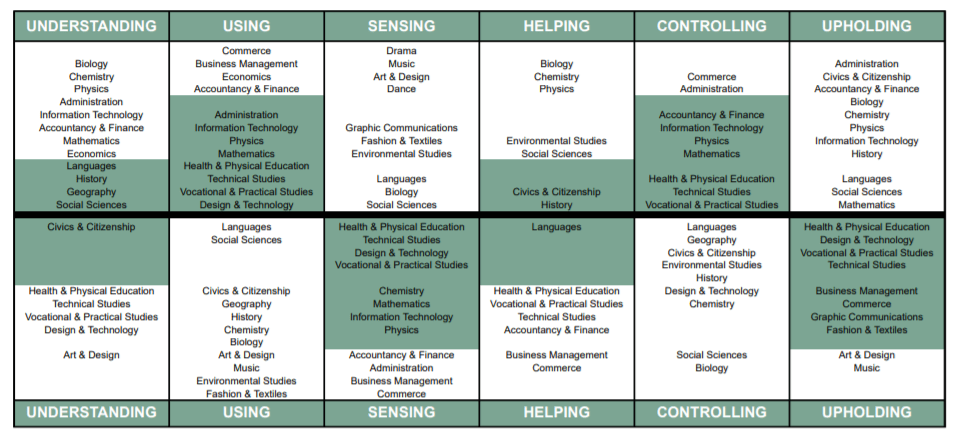
Remember that the highlighted study choices are more likely to use your child’s natural skills and are not necessarily what your child would want to study as a career. Talk through the subjects with them and find out which if any they seem genuinely happy to try out.
My thoughts
I noticed that Aron’s skills were around vocabulary, presenting, and sharing ideas, as well as helping others and participating in conversations. I feel these suit Aron very well and I could see him thrive in an open environment where creativity is key. His favourite subjects are history and Maths so it was great to see both come up as a possible career pathways. He is also obsessed with football at the moment so he is definitely keen on pursuing Health & Physical Education if it’s a possible career choice for him.
Aidan, I’ve found has always been very practical, especially with his hands, so it was great to see Practical application, Practical measuring and Hand-eye coordination coming up as his natural skills. He is also a keen mathematician and I noticed he has a lot of mathematical, problem-solving and analytical skills. It was no surprise then to see the sciences come up, as well as maths and physical education as possible career choices, as Aidan is also very enthusiastic about football.
It’s great to see that both are already following the subjects they love the most, so it’s up to myself and hubby now to ensure we guide them down the right path so they can be the best they can be in the subjects and careers they love already.
Order your package now and save 10% by adding the code save10% at checkout
Your child’s Personalised Learning Style (PLS)
The great thing about the Mindscreen Experience® is that the results can provide specific insights into your child’s PLS, which means knowing how your child wants to learn and what interests motivate them, so you can connect with them on a deeper level. That way you can engage your child fully when you mould your parenting style to match their PLS.
When you want your child to really listen to you and learn then focus on how you’re saying it as well as what you are saying.
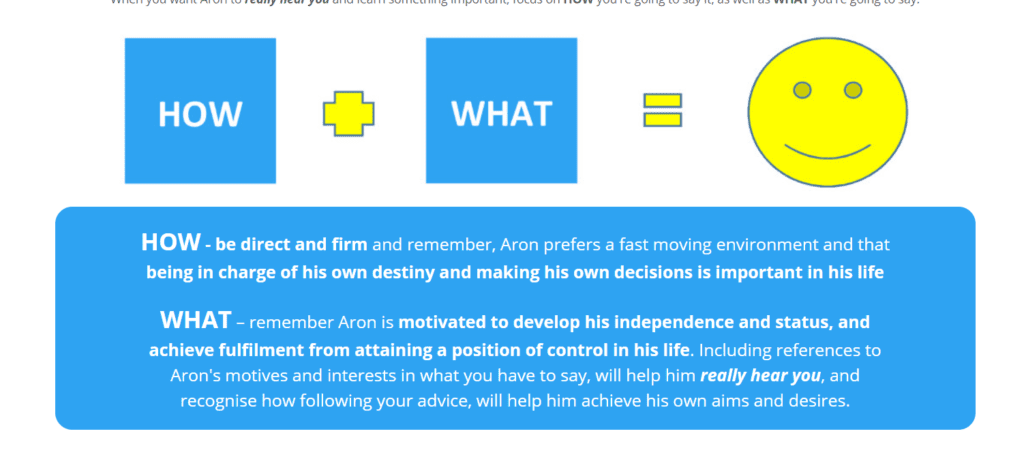
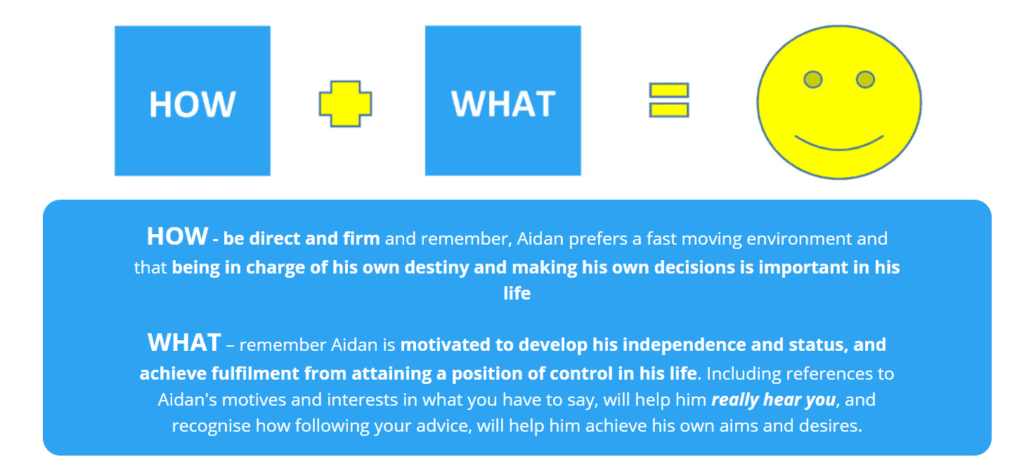
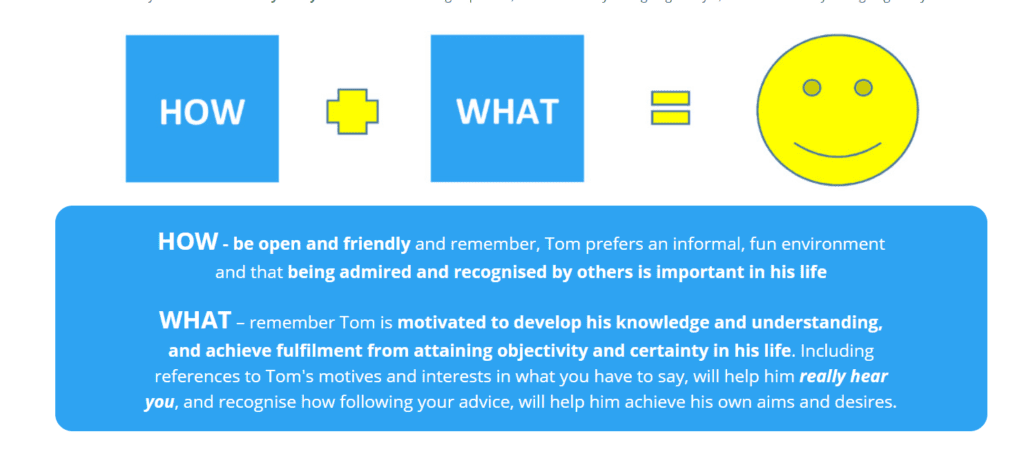
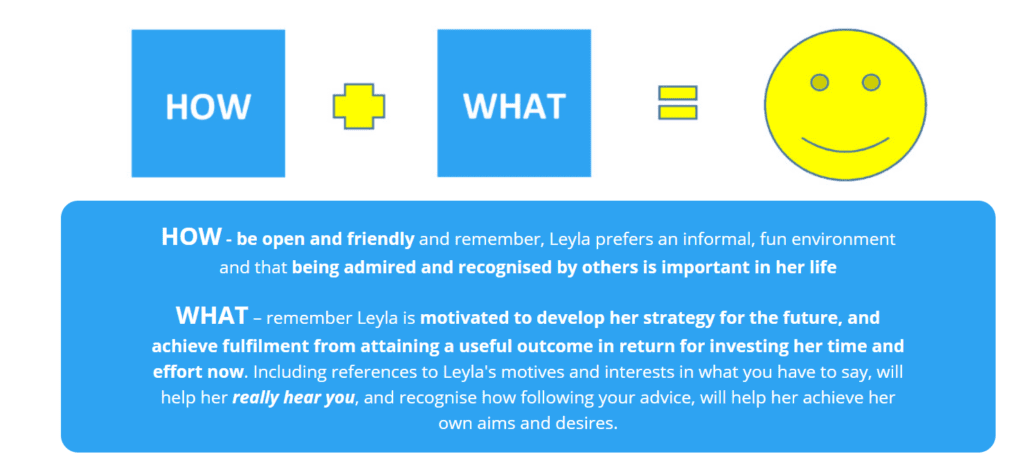
As mentioned before in ‘My Thoughts’ that the way I need to speak with the boys need to be more direct and concise, something of which I’m not great at if I’m honest.
Your child’s Learning Improvement Graph (LIG)
Your child’s LIG is designed to help you quickly spot your child’s skill strengths and the ones that may need some help developing. It’s a great way to get a bird’s eye view of their self-awareness, confidence, belief, and esteem at a glance.
The full Mindscreen Experience® allows you to send your child up to three LIG invitations and each time they complete a LIG the new answers are plotted into the main graph, so your child can measure their progress over time.
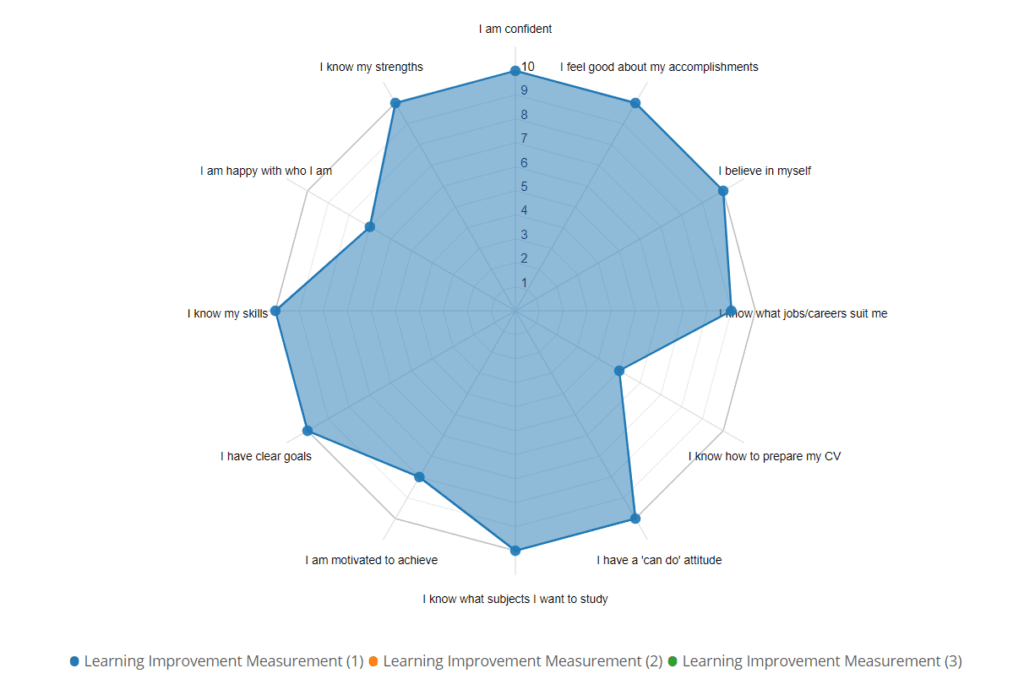
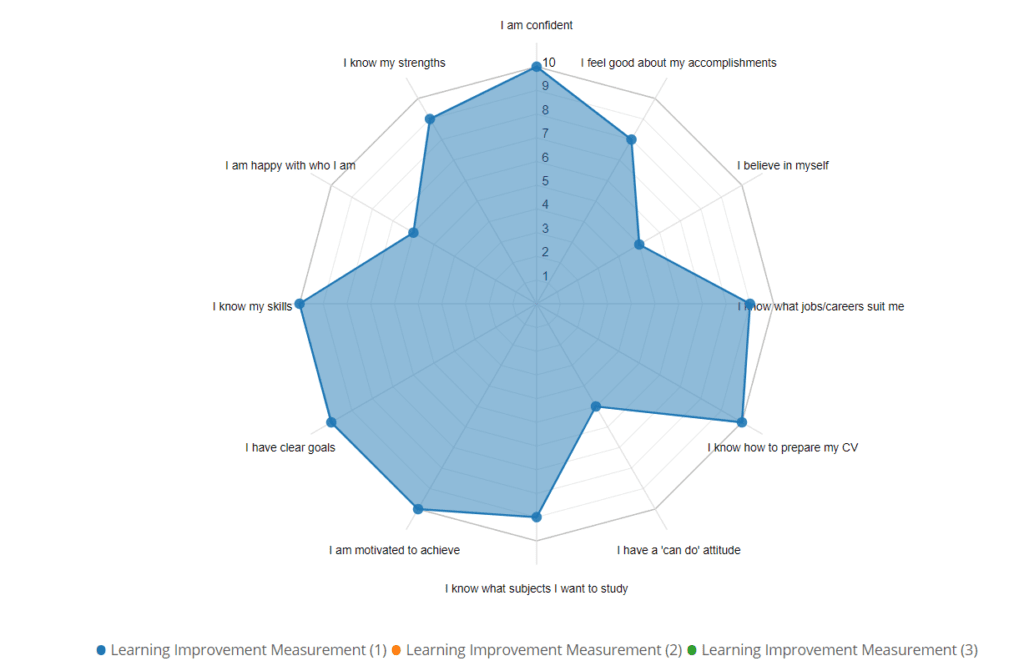
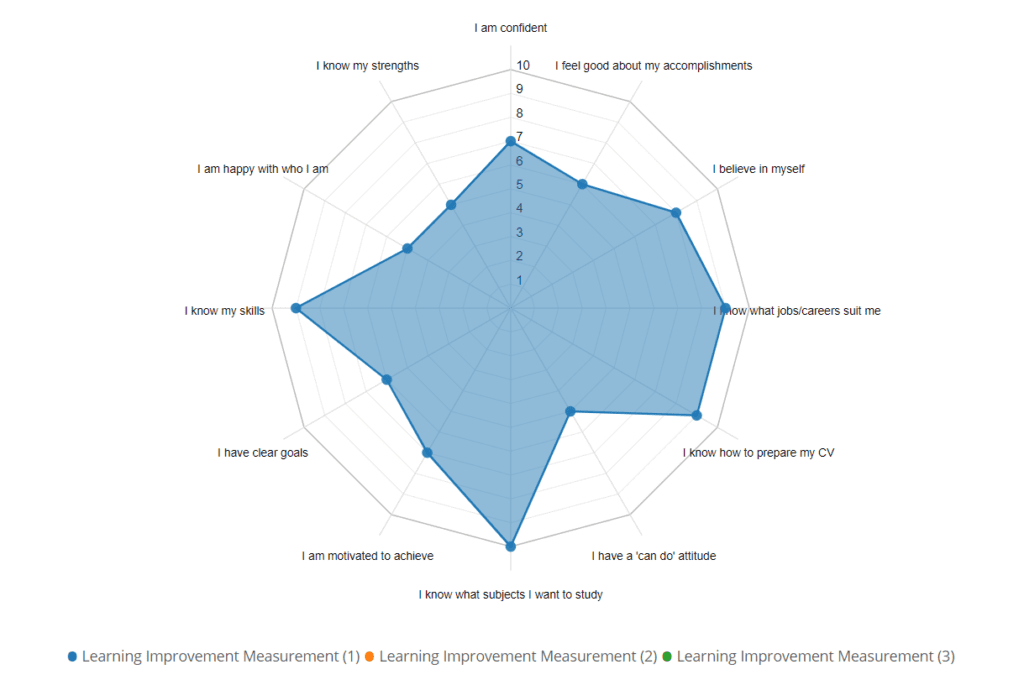
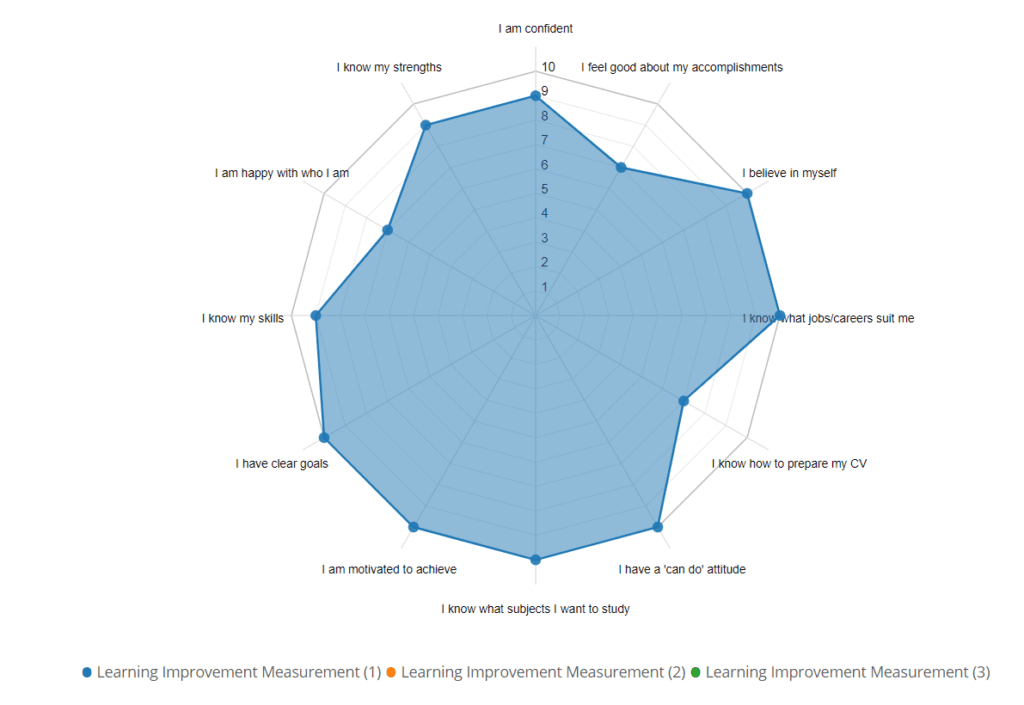
Again, amazing how we’re all so different.
Once your child (and/or you and other members of the family) has completed their profile and you’ve gone through their insights, PLS and LIG, it’s time to start developing their self-esteem using the tools and resources supplied under ‘My Account’:

Order your package now and save 10% by adding the code save10% at checkout
The full Mindscreen Experience® – Teaching and Learning Resources
Click on Teaching and Learning Resources and you will head to the main dashboard as seen below:
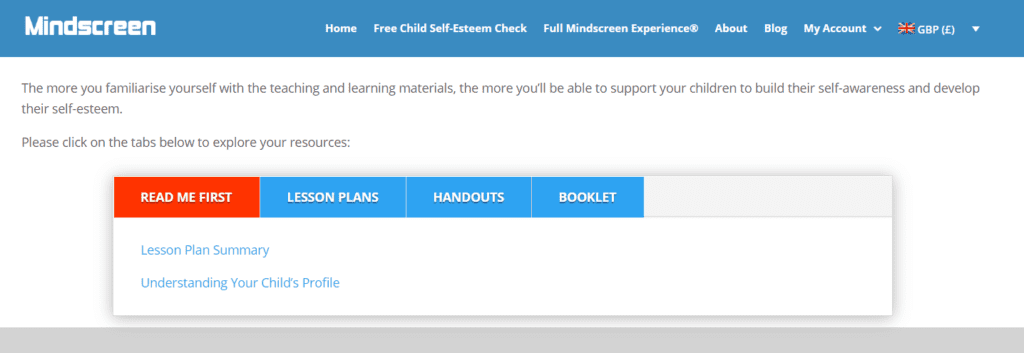
Make sure you click on ‘Read Me First’ and check out the Lesson Plan Summary and Understanding your Child’s Profile, so you have an understanding about what’s coming up ahead.
Lesson Plan Summary
The Lesson Plan Summary provides an overview of the lesson plans and support materials that are available to you during the full Mindscreen Experience®, plus any additional tips you need to accelerate your child’s learning.
You will see the Lesson Plan Summary will have gone through everything I talked about above, but take this time to read through it and understand what each section means so you can relay them to your child in a way they can understand too.
There are nine lesson plans designed to be delivered in a particular order, which is:
- EasyAwareness
- EasyBelief
- EasyConfidence
- EasySkills
- EasyStudyChoice
- EasyCareerChoice
- EasyCV
- EasyFuture
- EasyFeedback
Each lesson lasts around 30-40 minutes (some last around 60-80 minutes depending on the number of children. If the lesson has a different duration it will specify how long it will take.) The guides provide enough detail for you to prepare for your lesson before you start, from detailing the lesson’s objectives to the resources needed and the order in which you take the lesson.
For full details of each lesson, which look like so much fun, watch out for Part 2 coming soon!
A brief overview of each lesson
EasyAwareness
This lesson is designed to provide your child with the opportunity to learn about their own personal characteristics and begin building their self-awareness.
EasyBelief
This lesson provides your child with the opportunity to explore how their own beliefs are formed. You can help them to understand that their beliefs drive their behaviour, by providing simple techniques to help them dispel negative beliefs and encourage positive ones.
EasyConfidence
This lesson gives your child the opportunity to explore their own strengths and talents and build their self-confidence.
EasySkills
This lesson helps your child to better understand what their unique skills are and how they use them. Help your child begin to build a personal “bank” of skills they “know” they have.
EasyStudyChoice
This lesson helps your child to choose subjects to study that line up with their own skills, personal
interests, and what they value. It also helps them to identify career ideas related to their
study choice options.
EasyCareerChoice
This lesson helps your child to identify career options they are more likely to enjoy. Help
them to recognise the importance of taking action to achieve their aims and career
goals.
EasyCV
This lesson gives your child the opportunity to prepare the most important part of their CV, their
personal statement. Help them understand the “dos” and “don’ts” of CV writing. Some children may be too young to fill out this lesson, but it’s worth giving it a shot to introduce them to the world of CVs later on.
EasyFuture
This lesson gives your child the opportunity to discover the “Success Recipe” and its “vital”
ingredients. Help them understand the importance of starting with a destination in mind, and
demonstrate how having a goal helps them stay on course, even in tough times. Also, help them to recognise which study and career options will help them achieve their
goals. Support them to create their own goals.
EasyFeedback
Part A – (Invitation): The objective of part A of this lesson plan is to invite your
child to complete either the “Learning Improvement Measurement 2” or “Learning
Improvement Measurement 3” online statements.
Part B – (easyFeedback): The objective of part B of this lesson plan is to show your
child how much they have learned about themselves and encourage them to keep
going.
Some tips to prepare your child’s learning
- Print out and read the profiles so that you can go through them with your child. Take your time to discuss the results and avoid putting words into their mouth. It’s important to learn how THEY feel and not how you feel first.
- Print and read Discovering More About Yourself and Others booklet, together with the self-awareness, self-esteem, and self-confidence handouts, before you start
- Read through the “Lesson plan resources” section of each Parent/Carer Guide carefully and check you have all the resources you need
- Provide your child with a folder and all guides and lesson plans together so your child can reflect on their learning every week.
- Set a specific day and time, either once or more times a week and write it down on a notice/whiteboard or fridge so your child knows when they will be working on their self-development
- Participatory learning (like the full Mindscreen experience®) helps children learn better than passive learning, which is reading, demonstration and listening to lectures. So make sure they are engaging in the lesson plans and actively participating.
- Repeat the lesson plans with them because, even though participatory is the most effective approach to learning, our child will still only retain 50% of what they learn, so repetition is key!
- Stick with the lesson plan order. There may be a time where your child shows an urgent need or a particularly low self-skill score. But all of the activities in the lesson plan are designed to positively affect your child’s mental health so keep going and resist the temptation to work out of order.
What to expect next?
In Part 2, I will go through the first lesson which is easyAwareness.
Pop a comment below and let us know how you feel about your child’s self-esteem. What do you worry about most regarding your child’s mental health? Would they benefit from the full Mindscreen experience®?
Order your package now and save 10% by adding the code save10% at checkout
*Contains affiliate links which means that if you click through to Mindscreen’s website and purchase a package, I may earn a small commission at no extra cost to you.*







4 Comments