At what age should a child sleep in their own bed?
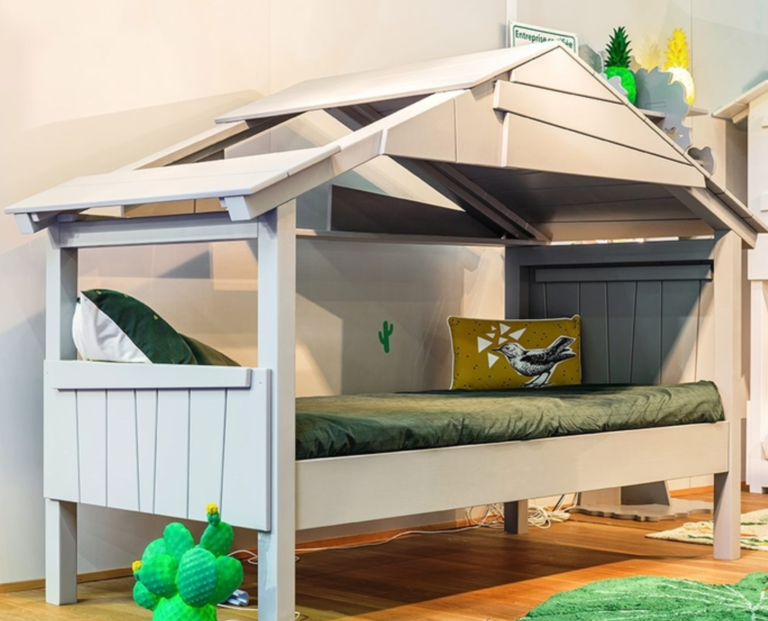
We converted our fourth room from an office to the girls’ room, with a gorgeous bunk bed and not much else because the room is tiny. They slept in that room once, favouring our ginormous super king-sized bed and Mummy the radiator instead of sleeping super far away and alone, as my three and five-year-old constantly moan.
The truth is, I’m not in a rush to kick them out, however, I do worry about their independence and ability to self-soothe. However, what happens when you want your bed back, but your child refuses to go? What age should a child sleep in their own bed? And, how do you transition them eventually into their own room?
In this article we will deep dive into the typical ages and stages for transitioning kids to their beds, practical tips for making it smoother, and how to handle any hurdles along the way.
What age should a child sleep in their own bed?
Dr. Mickey Mehta, a pioneer in holistic wellness and over 40 years of professional experience states that until the age of seven, a child’s mirror neurons are like sponges, soaking up every signal around them. And when a child cries out through fear or other bodily need, especially in the middle of the night, the mother’s instant soothing is a comforting presence around the child and the child’s erratic heartbeat comes back to a normal rhythm much quicker than when they are in another room. You can view the clip here where he said this.
And, while studies1 show co-sleeping in the first year has a detrimental effect on sleep patterns later in preschoolers, such as disrupted sleep, more frequent night awakenings and dependency on new parents, as well as of course, safety concerns such as sudden infant death syndrome (SIDS), they did recommend room-sharing but on separate surfaces. They also found a link to more emotional closeness and wellbeing, especially during breastfeeding.
Eventually, we reach a point where it’s time to encourage a bit of independence (for them and us!). But the answer as to when that will be will lie in your child’s indsimbividual development, family dynamics and the culture you grew up in.
Generally, many children move from a cot to a big kid bed between 18 months and 3 years of age and the NHS advises that toddlers aged 1 to 2 years should have a consistent bedtime routine to support healthy sleep habits and get 11 to 14 hours of a good night’s sleep – this includes naps.
Additionally, the Newcastle Hospitals NHS Foundation Trust notes that while co-sleeping is common in many cultures, it’s very important to keep the sleeping environment safe and that your child is safe, ready and comfortable for the transition to their own bed.

Understanding the importance of independent sleeping
Encouraging your child to eventually sleep on their own is a huge milestone which also builds their emotional growth and self-reliance. Independent sleeping helps your child develop self-soothing skills which are responsible for managing stress and anxiety and it also helps them gain confidence to navigate the bedtime routines on their own. And, for parents, this means better quality sleep too and an opportunity to reestablish personal space, which could help with overall family well-being.2
Kids are normally ready to to sleep in their beds around the ages of two to four years, and the bed can be in the parents’ room to help facilitate the transition, although this age can vary on the child and family circumstances. Approach this transition with patience and consider that your child has been nestled comfortably with you, not only in the womb but outside too, so this is a huge learning curve for them as well as for you.
When should a child sleep in their own room?
Determining the right time for your child to transition to their own room is a huge decision. The NHS advises that babies should sleep in the same room as their parents for the first six months to reduce the risk of Sudden Infant Death Syndrome (SIDS).
After this period, many children may be ready to move to their own room between 6 to 12 months, though some parents (like me) may choose to wait until their child is older.3
Some points worth considering when transitioning your child to their own room
- Room setup and safety: Make sure the child’s room is safe and conducive to sleep. This includes a comfortable temperature, appropriate lighting, and a crib or bed that meets safety standards.4
- Address separation anxiety: It’s common for children to experience separation anxiety during this transition. Gradual steps, such as starting with naps in their own room or spending playtime there, can help ease the process.5
- Consider the impact of co-sleeping on sleep habits: While co-sleeping can promote closeness, it may lead to sleep associations that make independent sleeping challenging. So, while transitioning to separate sleeping spaces can promote better sleep habits for both you and your child, be mindful that this may take time.
What are the benefits of your child sleeping in their own room?
- Improved sleep quality: Children often sleep more soundly in their own space, leading to better rest for both them and their parents.6
- Development of independence and self-soothing skills: Sleeping alone encourages your child to develop self-soothing techniques and promote independence and confidence.
Signs that your child is ready for their own room
- Expressing a desire for independence: If your child shows interest in having their own space or exhibits a desire for privacy, this may mean they are ready for their own room.7
- Ability to self-soothe: Children who can calm themselves when upset or fall back asleep without parental intervention are often prepared for independent sleeping.
- Consistent sleep patterns: A regular sleep schedule and the ability to sleep through the night suggest that your child is ready to transition to their own room.
But, again, remember that every child is unique, so it’s important to consider your child’s individual readiness and family circumstances when making this transition.
Transitioning from a cot to a bed
Moving your child from a cot to a bed is a big step and one that can bring excitement and anxiety at the same time! You can make it a smoother transition by doing up the room to their liking, choosing the right firm mattress and bed, and creating a cosy and welcoming space. Here’s how:
Choosing the right mattress for your child’s bed
A quality mattress is so important to support your child’s growth, comfort, and overall health. The Simba Hybrid Kids Mattress* is a great example, designed to provide a medium-firm feel that supports healthy bone development and proper spinal alignment. This mattress combines Aerocoil® microsprings and high-definition foam, ensuring both comfort and durability, while a breathable, hypoallergenic cover helps create a clean and safe sleep environment8.
In collaboration with Simba, we reviewed the Simba Hybrid Kids Mattress* for our kids’ new bunk bed and so far we have had mixed results with them staying in their room, although it has been a huge improvement. But the girls did mention how comfy their bed was so it’s only a matter of time before I get to sleep like a starfish again and not curled up in the foetal position at the very corner of our bed!
Making the move exciting with the right setup
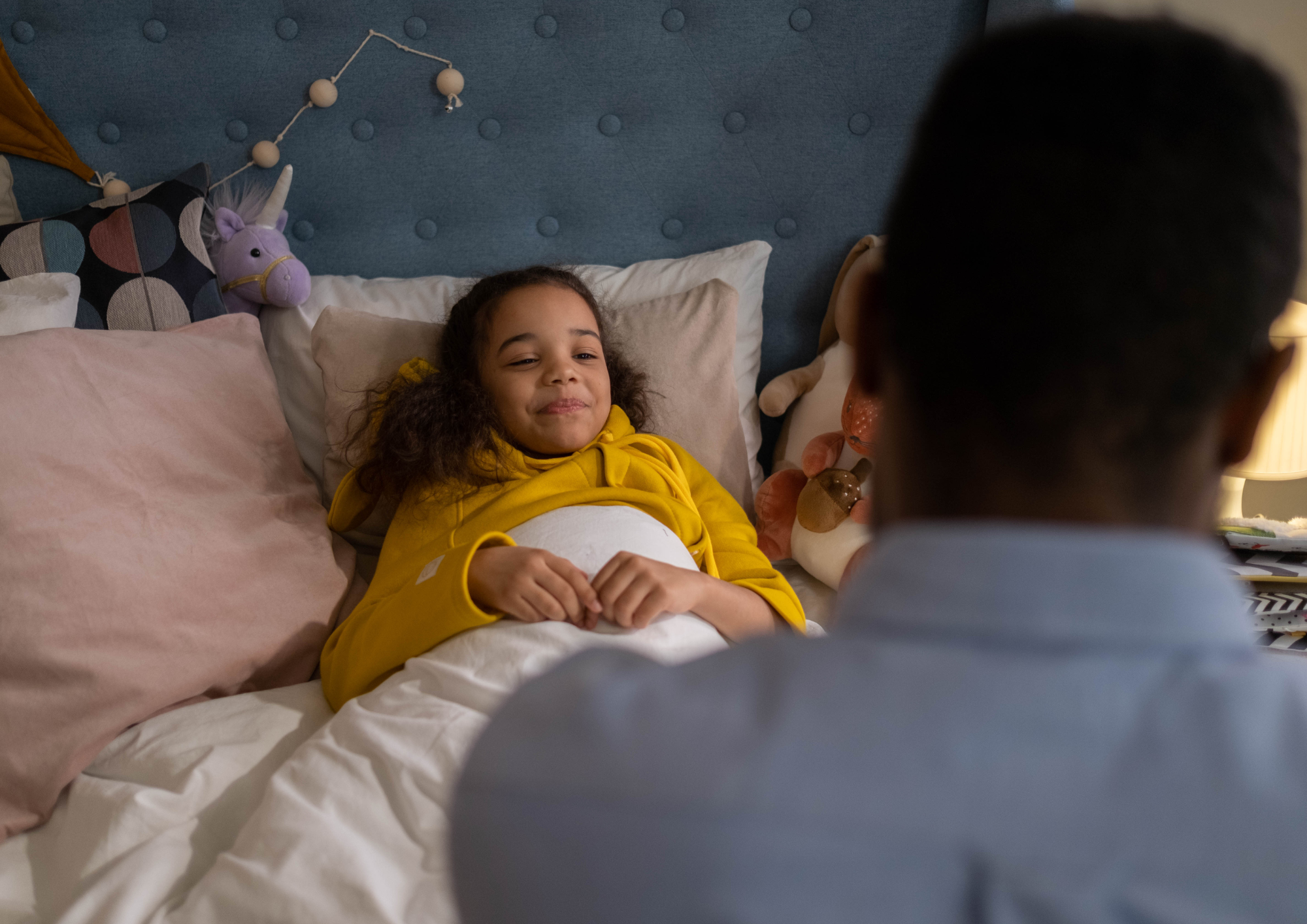
Involving your child in setting up their new bed can make the transition easier and more fun. They can pick out new sheets (my girls went for Monster High and Unicorns, naturally) and arrange their favourite toys around the room to promote a familiar and cosy atmosphere. Let them explore the comfort of the new mattress and give them some control over their sleep space, so it builds excitement and ownership.
How to encourage your toddler to sleep in their own bed
Transitioning your toddler to sleep in their own bedroom is a significant milestone that requires patience and consistency. Here are some strategies that can help the process:
Don’t rush the process
Allow your child ample time to adjust to sleeping independently. Speak with them about how much of a grown up they are and how exciting it is to have their own space. But listen to their concerns and don’t try to brush them away. They are very real concerns and they deserve acknowledgement.
Make the transition exciting
Involve your child in selecting new bedding or decorations for their bed. Emphasise the ‘big kid’ nature of this big change to make it more appealing and create a positive association with their new sleeping environment, to help them embrace the transition.9
Reward them when they succeed
Implement a reward system to celebrate nights they stay in their own bed. This could include stickers, a small prize, or an extra bedtime story. Positive reinforcement can motivate them to continue sleeping in their own room.
Stay consistent
Establish and maintain a regular bedtime routine, following the same steps each night. Consistency helps your child understand expectations and creates a sense of security.
Teach them to go back to sleep on their own
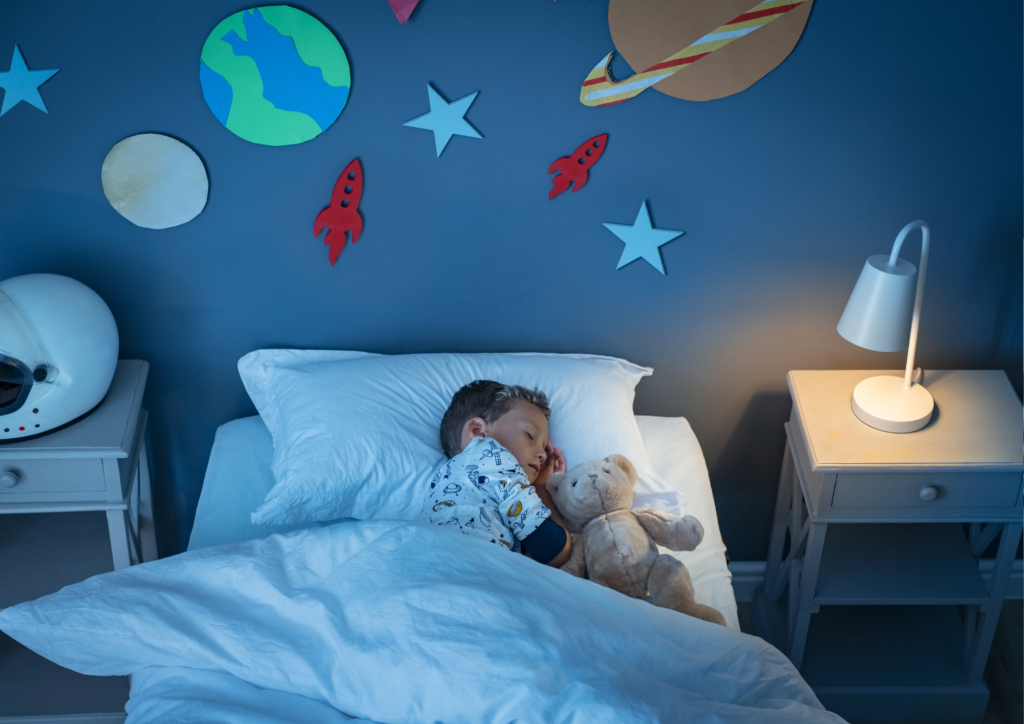
Encourage self-soothing techniques to help your child feel secure and fall back asleep independently if they wake during the night. This might include having a favourite stuffed animal, blanket or using night lights. You can also use the staggered anxiety ladder approach which I explain more about in this article here.
How do you create a sleep/bedtime routine that works?
Creating a consistent bedtime routine will help your child adjust to sleeping in their own room. The routine includes a predictable sequence of calming activities, which signals it’s time to wind down for sleep.
Tips for creating a bedtime routine:
- Set a consistent bedtime: Aim to start the routine at the same time each evening to regulate your child’s internal clock.10
- Engage in calming activities: Incorporate soothing tasks such as a warm bath, reading a story, or gentle music to help your child relax.11
- Limit screen time: Avoid screens at least an hour before bed, as the blue light can interfere with melatonin production and disrupt sleep.12
- Create a comfortable sleep environment: Make sure the bedroom is quiet, dark, and at a comfortable temperature to encourage restful sleep.
- Be consistent: Follow the same steps in the same order each night to establish a sense of security and predictability.
FAQs
Q: When should a child sleep in their own room?
In the UK, the NHS advises that babies should sleep in the same room as their parents for the first six months to reduce the risk of sudden infant death syndrome (SIDS).
After this period, many children are ready to sleep independently. However, some experts suggest that between the ages of 2 and 3 is a suitable time to introduce solo sleeping, as children develop greater independence and may be more willing to explore their own space.
Ultimately, the decision should consider your child’s readiness, temperament, and the family’s unique circumstances.
Q: What are the benefits of a child sleeping in their own room?
Sleeping in their own room can help children develop self-soothing skills, leading to better sleep quality. It also fosters independence and confidence, as they learn to manage bedtime routines without parental presence. For parents, this transition often results in improved sleep and personal space, contributing to overall family well-being.
Q: How can I tell if my child is ready for their own room?
Signs that your child may be ready to sleep in their own room include:
- Expressing a desire for independence: Showing interest in having their own space or demonstrating a desire for privacy.
- Ability to self-soothe: Calming themselves when upset or falling back asleep without parental intervention.
- Consistent sleep patterns: Maintaining a regular sleep schedule and sleeping through the night.
Q: What tips can help transition my child to their own room successfully?
- Create a positive environment: Involve your child in decorating their room to make it inviting.
- Establish a consistent bedtime routine: Follow the same calming activities each night to signal it’s time for sleep.
- Gradual transition: Start with nap time in their own room before moving to nighttime sleep.
- Provide comfort items: Introduce a favourite stuffed animal or blanket to offer security.
Q: How do I establish a sleep routine for my child in their own room?
- Set a consistent bedtime: Aim to start the routine at the same time each evening to regulate your child’s internal clock.
- Engage in calming activities: Incorporate soothing tasks such as a warm bath, reading a story, or gentle music to help your child relax.
- Limit screen time: Avoid screens at least an hour before bed, as the blue light can interfere with melatonin production and disrupt sleep.
- Create a comfortable sleep environment: Ensure the bedroom is quiet, dark, and at a comfortable temperature to facilitate restful sleep. The
- Be consistent: Follow the same steps in the same order each night to establish a sense of security and predictability.
Q: How can I transition my child from co-sleeping to independent sleeping?
- Communicate the change: Discuss the upcoming transition with your child to prepare them mentally.
- Gradual steps: Start by having your child nap in their own toddler bed before moving to nighttime sleep.
- Stay close initially: Sit with your child as they fall asleep in their new bed, gradually reducing your presence over time.
- Offer comfort items: Provide a favourite toy or blanket to help them feel secure.
Final thoughts
Transitioning your child to their own bed and eventually to their own room is such a major milestone that can positively impact their development. But it requires patience, consistency, and encouragement as your child adapts to change at their own pace. Start with establishing a regular sleep routine, creating a comforting sleep environment, and reinforcing self-soothing skills, so your child feels supported at all times.
The NHS recommends keeping your baby in your room for the first six months to reduce the risk of SIDS, but beyond this stage, the timing of moving them to their own room is flexible, based on their individual readiness and family needs. With benefits like improved sleep quality, increased independence, and the development of healthy sleep habits, independent sleeping can be a rewarding transition for both children and parents.
While this process might come with challenges, approaching it with empathy and flexibility can help your child feel confident in their new routine and set the foundation for lifelong healthy sleep habits.
References
[1] – Association between co-sleeping in the first year of life and preschoolers´ sleep patterns
[2] – Sofz Sleep
[3] – Mumsnet
[4] – NHS
[5] – Psychology Today
[6] – Psychology Mama
[7] – NeuroLaunch
[8] – Simba Sleep
[9] – Made for Mums
[10] – The Sleep Charity
[11] – Sleep Foundation
[12] – Child Sleep Specialist
*We were gifted the Simba Hybrid Bunk Bed Mattress but all thoughts are 100% our own. Links marked with a ‘*’ are affiliate links, which means we may earn a small commission if you click through to buy at no extra cost to you.*