

5 weeks pregnant – no symptoms at all!
I walked around the flat in a daze. I had stopped working, so I was now free to absent-mindedly clean the flat and go over the same spots repeatedly… I wanted to call Mum. I wanted to call my best friend. Hubby was at work and we had both agreed not to tell any of our friends until we had hit the 3-month mark, which felt so far away. But, 5 weeks pregnant no symptoms at all felt completely weird to me. I felt very un-pregnant.
Are you pregnant? Grab your free pregnancy pack now – details inside!
I was half-expecting to run to the toilet and throw up, but I felt nothing. When did nausea set in? How bad was my morning sickness going to be? When will I start showing? Where are the physical and emotional symptoms? So many questions! I just wanted to switch my mind off for five minutes, so that I could relax a little, but I couldn’t. I felt scared and even lonely.
I had no idea how this whole pregnancy malarkey was going to pan out and what was going to happen in the next 35 weeks. Where would I build on my knowledge? I wanted to know everything; how the little one grew, how I would feel, what I had to do to look after myself and the baby, etc.
I didn’t even know where to find information, so I consulted my old friend, Google, and typed ‘pregnant’ into the search box. A gazillion different pregnancy sites popped up, and I suddenly felt overwhelmed, so I turned off my laptop and went for a walk around the park instead.
I had picked the wrong time in the afternoon to venture out, as the park was crowded with lots of mums and babies going about their businesses. I sat down on a nearby bench and watched a mother lay a picnic down on the ground beside her two children, a girl of about three or four years old and a much younger baby boy, who looked around six months old.
The mother took the toys out of the basket and placed them in front of him, while the daughter ran rings around the blanket and yelled at her mum that she was hungry. The mother looked flustered and motioned for the girl to sit down and eat. The six-month-old started to cry and clung on tightly to his mother, as she tried to free the girl’s hands from throwing the food onto the grass.
I could see that the mother was struggling, but I had no idea how to help her, so I stayed seated. I was only a brand new member of the unwritten, universal mummy group and it would be a long time before I had my baby… about eight months long!
When I got back to the flat, I decided to burn a little energy by sticking on one of my regular high-impact aerobic exercise DVDs. But, it suddenly dawned on me that maybe I wasn’t allowed to exercise in the same way as I did before. So, back I went to my laptop and found some information on exercising during pregnancy.
Apparently, I could still carry on as normal until I got to the second trimester, then I would have to slow down. I figured I’d err on the side of caution and opted for some light aerobics instead. I felt miles better and greeted hubby with a big hug and a kiss when he came home.
A fun fact – Your baby’s heart begins to beat!
Create Your Perfect Baby Shower Wish List on Amazon Today!
The science part – the first trimester

5 weeks pregnant – your baby’s development
- Your baby at 5 weeks is developing their nervous system
- Baby development at 5 weeks – Foundations for the baby’s major organs are now in place
- How big is a baby at 5 weeks pregnant? The embryo is around 2mm long.
- Your baby looks a little like a tadpole at the moment.
- The neural tube is forming, later becoming the brain and spinal cord.
- The heart is forming and has begun to beat and pump blood.
- A string of blood vessels connects the parent and baby and will become the umbilical cord.
Tips for 5 weeks pregnant – symptoms
- 5 weeks pregnant your symptoms – One of the first pregnancy signs is a missed period. So you should have noticed your period hasn’t arrived
- 5 weeks pregnant symptoms – You might start to feel sick, tired and overwhelmed
- You may even feel faint and still have tender breasts.
- Pregnancy symptoms at five weeks – Don’t worry, you will feel better soon and experience the common pregnancy glow sooner than you think!
- You may start to see some pregnancy weight gain
- If you are starting to worry, like I did, about how you’re going to feel during pregnancy and what is going to happen to your body, then you can watch me here at almost 40 weeks! (I’m the beachball in the blue jumper!)
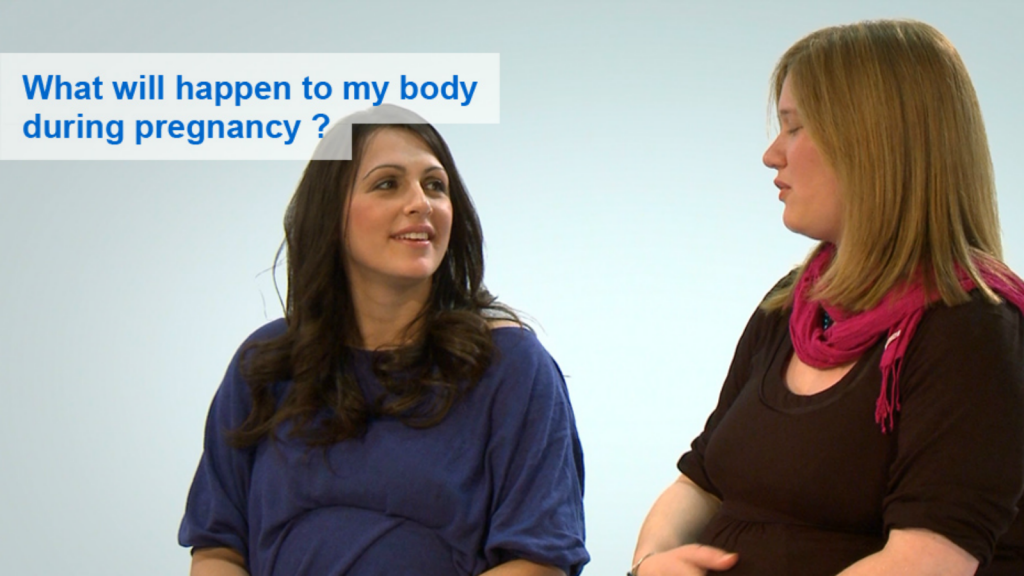
Do you know your due date? Check out our due date calculator!
5 weeks pregnant no symptoms? Here’s 5 reasons why
Positive pregnancy test but no symptoms? If you are pregnant with no pregnancy symptoms, then don’t stress just yet. Here are five reasons why you may not have any pregnancy symptoms at week 5:
- Individual Variation in Symptoms: Every person’s pregnancy experience is unique. Some may have pronounced symptoms, while others may have very mild or no symptoms at all. This variation is normal and can be influenced by overall health, genetics, and stress levels.
- Early Stage of Pregnancy: At 5 weeks, you’re still in the very early stages of pregnancy. For some, pregnancy symptoms don’t become noticeable until 6 weeks or later. This delay in symptom onset doesn’t necessarily indicate any problem with the pregnancy.
- Low Sensitivity to Pregnancy Hormones: The intensity of pregnancy symptoms can be influenced by how sensitive your body is to pregnancy hormones like human chorionic gonadotropin (hCG) and progesterone. Some people may naturally have a lower sensitivity to these hormones and therefore experience fewer or milder symptoms.
- Previous Pregnancy Experience: If this isn’t your first pregnancy, you might notice differences in symptom intensity or onset compared with your previous experiences. Each pregnancy can feel different, and some might be symptom-light.
- General Health and Wellness: Your overall health and wellness can affect how you experience pregnancy. Those who are in good health, eat a balanced diet, and manage stress effectively might experience fewer or less intense symptoms.
What you might feel like at 5 weeks pregnant?
At 5 weeks pregnant, while some may not experience strong symptoms, others might notice subtle changes in their bodies. Here are some symptoms you might experience at this stage:
- Mild Cramping and Spotting: Light cramping and spotting are common early in pregnancy as the embryo implants in the uterus. These cramps might feel like a lighter version of menstrual cramps.
- Fatigue: Increased tiredness is a common early pregnancy symptom, caused by rising levels of progesterone and other hormonal changes.
- Breast Changes: Your breasts may feel tender, swollen, or slightly heavier than usual because of hormonal changes.
- Nausea or Changes in Appetite: While morning sickness often starts a bit later, some might experience mild nausea or changes in their appetite around 5 weeks.
- Frequent Urination: An increase in urination frequency can occur, even this early in pregnancy, because of hormonal changes and your body preparing for the growing baby.
- Mood Swings: Hormonal changes can also affect your mood, leading to feelings of heightened emotions or moodiness.
- Bloating: Hormonal changes might cause bloating, similar to what some experience before starting a menstrual period.
- Heightened Sense of Smell: Some report a heightened sense of smell during early pregnancy, which can sometimes contribute to nausea or changes in appetite.
- No Symptoms: It’s also entirely possible to feel completely normal and have no noticeable symptoms at this stage.
Key takeaways at 5 weeks pregnant
- Confirming your pregnancy at 5 weeks – If you haven’t done so already, take a pregnancy test to confirm your pregnancy
- Highlights at 5 weeks pregnant – Look out for more advice and frequently asked questions about early pregnancy, including common symptoms and general health (diet and exercise)
- 5 weeks pregnant – things to consider – Book your first antenatal appointment with your GP/midwifery service if you haven’t done so already
- 5 weeks pregnant – your checklist – begin taking prenatal vitamins if you haven’t already. Look for vitamins that contain folic acid, iron, calcium, and DHA, as these nutrients are important for the baby’s development.
- Your pregnancy to-do list at five weeks – eat a variety of healthy foods, including fruits, vegetables, whole grains, calcium-rich foods, and lean proteins. Proper nutrition is crucial for your baby’s growth and development.
- Pregnancy checklist at 5 weeks – stay away from alcohol, tobacco, and recreational drugs, and limit caffeine intake. These substances can be harmful to the developing baby.
5 weeks pregnant – questions for your healthcare provider
At 5 weeks pregnant, preparing a list of questions to ask your healthcare provider during your first prenatal visit is a good idea. This visit usually happens a bit later, around 8 to 10 weeks, but having your questions ready can be very helpful. Here are some important questions to consider:
- Prenatal Care Schedule: “How often will I have prenatal appointments, and what will these appointments typically involve?”
- Pregnancy Symptoms: “What are normal symptoms at this stage of pregnancy, and what symptoms should I report to you immediately?” Note, If you have any changes or loss of pregnancy symptoms, contact your doctor for professional medical advice
- Nutrition and Diet: “Are there specific dietary guidelines I should follow? What about prenatal vitamins?”
- Medications and Supplements: “Are my current medications and supplements safe to continue during pregnancy?”
- Lifestyle Changes: “What lifestyle changes should I make for a healthy pregnancy (e.g., exercise, sleep, travel restrictions)?
- Testing and Screening: “What prenatal tests and screenings do you recommend and when will they be scheduled?”
- Managing Health Conditions: “How will my existing health conditions (like diabetes, high blood pressure, etc.) affect my pregnancy, and how will we manage them?”
- Risk Factors: “Are there any specific risk factors I should know based on my medical history or family history?”
- Labour and Delivery: “Can we discuss my options for labour and delivery, even though it’s early?”
- Emergency Contact: “Who should I contact in case of an emergency or if I have urgent questions after office hours?”
- Support Resources: “Are there any classes, support groups, or resources you recommend for expecting parents?”
- Work-Related Concerns: “Do I need to change my work environment or schedule?”
- Emotional Health: “What resources are available if I need support with emotional or mental health during my pregnancy?
- Travel Considerations: “Are there any travel restrictions I should know at different stages of pregnancy?”
- Symptom Management: “How can I manage common pregnancy symptoms like nausea, fatigue, and heartburn?”
Remember, these appointments are a great opportunity to address any concerns or questions you have, no matter how small they may seem. It’s important to have open and ongoing communication with your healthcare provider throughout your pregnancy.
What you need to know at five weeks of pregnancy
At five weeks of pregnancy, there are several key things you should be aware of:
- 5 weeks pregnant – what to expect – embryo Development: At this stage, your baby is still very tiny, about the size of a sesame seed. The major organs, including the heart, brain, and spinal cord, are forming.
- Early Symptoms: You might start experiencing early pregnancy symptoms such as fatigue, breast tenderness, nausea, and frequent urination, though it’s also normal not to have strong symptoms at this point.
- Importance of Prenatal Care: It’s important to establish prenatal care. Even if you haven’t had your first doctor’s appointment yet, consider scheduling it. Prenatal visits are crucial for monitoring your health and the baby’s development.
- Prenatal Vitamins: Start taking prenatal vitamins if you haven’t already, focusing on those containing folic acid, iron, calcium, and DHA.
- Healthy Lifestyle Choices: Maintain a healthy lifestyle, including eating a balanced diet, staying hydrated, getting regular exercise, and avoiding harmful substances like alcohol, tobacco, and certain medications.
- Understand Miscarriage Risks: Be aware that the first trimester carries the highest risk of miscarriage, though the risk is still relatively low. It’s important to monitor your health and consult your healthcare provider if you have any concerns. Symptoms not to ignore – if you see spotting in 5 weeks pregnant, then contact your doctor immediately
- Emotional Changes: You might experience mood swings or emotional changes because of hormonal fluctuations. This is normal, but if you feel overwhelmed, seek support.
- Educate Yourself: Begin educating yourself about pregnancy, childbirth, and parenting. Reading books, attending classes, or joining support groups can be helpful.
- Work and Daily Routine: Consider how your pregnancy might affect your daily routine and work. You might need to make some adjustments as your pregnancy progresses.
- Support Network: Start thinking about your support network. This can include your partner, family, friends, healthcare providers, and local parenting groups.
- Plan for the Future: Though it’s early, it’s helpful to start thinking about decisions like where you’d like to give birth and how you want to manage pain during labour.
Note: These are just general ideas of how you and your baby are getting on. Don’t forget that every baby develops differently. If you are concerned about your baby’s development, please consult your midwife.
FAQ
Is it okay to be pregnant with no pregnancy symptoms?
Other questions asked were:
- Can you be pregnant with no symptoms?
- I’m not having pregnancy symptoms. Is this normal?
- Can I be pregnant and have no pregnancy symptoms?
- I’m weeks pregnant and symptoms come and go. Is this normal?
- I’m weeks pregnant with no symptoms. What do I do?
- Do some women have no pregnancy symptoms at all?
- how do i know my pregnancy is ok at 5 weeks?
- should i be worried if i don’t feel pregnant at 5 weeks?
- can you be 5 weeks pregnant and not know?
- is it normal to not have symptoms at 5-6 weeks pregnant?
- can you be pregnant with no symptoms except missed period
- 5 weeks pregnant no symptoms should i be worried?
- what are 5 weeks pregnant no symptoms
- 5 weeks pregnant no symptoms at 5 weeks
- 5 weeks pregnant symptoms come and go. Should I be worried?
Onset frequency and severity of symptoms can vary at 5 weeks. You may have a complete absence of pregnancy symptoms or nausea can set in early. It’s important to note that no pregnancy symptoms at 5 weeks doesn’t mean there’s something wrong with you or the baby. The rise in human chorionic gonadotropin (hCG) can cause pregnancy symptoms to occur but may not be strong enough to cause havoc yet. Pregnancy tests taken at this stage will detect hCG and give you a positive result.
Your baby – what does 5 weeks pregnant look like?
At 5 weeks pregnant, the embryo is very tiny and undergoing rapid development. Here’s a closer look at what’s happening:
- Size: The embryo is about the size of a sesame seed or an apple seed, typically measuring around 2-4 mm in length.
- Appearance: At this stage, the embryo doesn’t look like a baby yet. It’s more akin to a tiny tadpole or a small blob with a tail. This tail will eventually become the baby’s spine.
- Developmental Milestones:
- Germ Layers Formation: The embryo forms three layers of cells. The ectoderm (outer layer) will develop into the baby’s nervous system, skin, and hair. The mesoderm (middle layer) will become the heart, blood vessels, muscles, and bones. The endoderm (inner layer) will develop into the lungs, intestines, and other vital organs.
- Neural Tube: The neural tube, which will become the baby’s spinal cord and brain, forms.
- Heart Development: The heart forms and will start beating and pumping blood in the coming weeks.
- The Yolk Sac: At 5 weeks, the yolk sac provides nourishment to the embryo and also helps in blood cell production.
- Early Placenta Formation: The cells that will become the placenta are developing. The placenta will be crucial for nourishing and maintaining the fetus throughout the pregnancy.
- Hormonal Changes: The body is producing pregnancy hormones like hCG (human chorionic gonadotropin), which is what pregnancy tests detect.
Remember, at this early stage, the changes happening are microscopic and not visible from the outside. The actual “baby-like” appearance and more defined foetal development will occur in the coming weeks.
How many months is 5 weeks pregnant?
Other questions asked were:
- How big is baby at 5 weeks?
- 5 weeks pregnant is how many months?
Five weeks pregnant translates to about one month and one week. Pregnancy is typically measured in weeks and is generally considered to last for about 40 weeks (or 9 months) from the first day of your last menstrual period. Since each month averages slightly more than 4 weeks, 5 weeks is just a little over one month.
Can you be pregnant and not know it?
Yes, it is possible to be pregnant and not know it, especially in the early stages. This situation can occur for several reasons:
- Mild or No Symptoms: Some people may not experience the typical symptoms associated with early pregnancy, such as nausea, fatigue, or missed periods, especially if their periods are irregular.
- Misattributing Symptoms: Some people might attribute the symptoms of pregnancy to other causes, like stress, a busy lifestyle, or a minor illness.
- Irregular Menstrual Cycles: If you have irregular menstrual cycles, you might not notice a missed period as a sign of pregnancy.
- Lack of Awareness or Knowledge: Some people, particularly those who might not be actively trying to conceive, may not be aware of or recognise the early signs of pregnancy.
- Recent Pregnancy: Those who have recently given birth or are breastfeeding might not expect to become pregnant soon, and therefore may not recognise the signs.
- Perimenopause: Those who are approaching menopause might mistake the early signs of pregnancy for perimenopause.
- Cryptic Pregnancy: In rare cases, some experience what’s known as a cryptic pregnancy, where they do not realise they are pregnant until very late in the pregnancy, or even until labour begins.
It’s important if you are sexually active to be aware of the signs of pregnancy and to take a pregnancy test if there’s a possibility of being pregnant, especially if you are experiencing unusual changes in your body. Regular check-ups with a healthcare provider can also help in identifying a pregnancy early.
5 weeks pregnant foods to avoid?
When you’re 5 weeks pregnant, it’s important to be cautious about what you eat, as certain foods can pose risks to the developing baby. Here are some foods and beverages to avoid or limit:
- Raw or Undercooked Seafood: Avoid sushi, sashimi, and raw oysters. These can contain harmful bacteria and viruses.
- High-Mercury Fish: Limit intake of high-mercury fish like swordfish, shark, king mackerel, and tilefish. Opt for low-mercury fish like salmon, cod, and tilapia.
- Unpasteurised Dairy and Juices: Avoid unpasteurised milk, cheese, and juices, as they can contain harmful bacteria like Listeria.
- Raw or Undercooked Eggs and Meat: Avoid raw eggs, dishes with raw eggs (like homemade mayonnaise), and undercooked meat, poultry, and pork to prevent exposure to salmonella and other bacteria.
- Deli Meats and Hot Dogs: These should be avoided unless they are reheated until steaming hot, due to the risk of Listeria contamination.
- Unwashed Fruits and Vegetables: Always wash produce thoroughly to remove potential harmful bacteria and pesticides.
- Excess Caffeine: Limit caffeine intake to less than 200 mg per day (about one 12-oz cup of coffee). High caffeine intake can be associated with an increased risk of miscarriage.
- Alcohol: Avoid alcohol entirely, as it can increase the risk of miscarriage and stillbirth, and can cause fetal alcohol spectrum disorders.
- Unwashed Fruits and Vegetables: Thoroughly wash all fruits and vegetables to remove harmful bacteria and pesticides.
- Certain Herbal Teas and Supplements: Some herbal teas and supplements can be harmful during pregnancy. Consult with your healthcare provider before using any herbal products.
- Processed Junk Foods: While not necessarily dangerous, these are low in nutrients and high in calories and unhealthy fats. Focus on nutrient-rich foods to support your baby’s growth and development.
- Artificial Sweeteners: While most are considered safe in moderation, some people choose to limit them as a precaution.
Remember, while this list covers common foods to avoid, it’s always best to consult with your healthcare provider for personalised dietary advice during pregnancy. They can provide guidance based on your specific health needs and any risk factors you may have.
Is there a heartbeat at 5 weeks?
At 5 weeks of pregnancy, the embryo is in the very early stages of development, and it’s usually around this time that the heart forms. The heart may start beating at around 5 to 6 weeks of gestation. However, detecting the heartbeat with an ultrasound might not be possible until a bit later, usually around 6 to 7 weeks of pregnancy.
During an ultrasound at 5 weeks, what is often visible is the gestational sac and sometimes the yolk sac, but the embryo and its heartbeat might not be detectable yet. The exact time when the heartbeat can be seen or heard can vary from one pregnancy to another.
It’s important to consult with a healthcare provider for accurate information and monitoring of the pregnancy’s progress, especially regarding milestones like the baby’s heartbeat.
Does having no symptoms mean I’ll have a miscarriage?
Having no symptoms at 5 weeks pregnant does not necessarily mean you will have a miscarriage. It’s quite common for some people to experience few or no symptoms in early pregnancy. Every pregnancy is different, and the presence or absence of certain symptoms like morning sickness, breast tenderness, or fatigue doesn’t reliably predict the outcome of the pregnancy.
The symptoms of pregnancy can vary greatly from person to person and even from one pregnancy to another in the same individual. Some may feel symptoms strongly, while others may not feel much different than usual.
However, if you have concerns about your pregnancy, particularly if you’ve experienced symptoms that suddenly stop, it’s always a good idea to consult with your healthcare provider. They can offer reassurance, check your health, and, if necessary, perform an ultrasound or other tests to assess the health of your pregnancy.
Remember, while it’s important to be aware of the signs and symptoms of pregnancy loss, such as heavy bleeding, severe cramping, or the passing of tissue, the absence of pregnancy symptoms alone, especially in early pregnancy, is typically not a cause for concern.
How big is a pregnant belly at 5 weeks?
Other questions asked were:
- What does 5 weeks pregnant belly size look like?
Your pregnancy bump at 5 weeks should not be noticeable as it’s too early for any change in the belly’s size. The embryo is still tiny, about the size of a sesame seed, and significant physical changes in the abdomen aren’t usually apparent at this stage.
Most people don’t show a visible pregnancy belly until the second trimester, around weeks 12-16, though this can vary widely. Factors like your body type, whether it’s your first pregnancy, and your overall physical condition, can influence when you start to “show.”
At 5 weeks, any bloating or slight changes in the belly’s appearance are more likely because of hormonal changes rather than the actual size of the embryo. Some experience bloating in early pregnancy because of hormonal shifts and changes in the body’s water retention, which can make the belly feel fuller or more swollen than usual.
Are there any 5 weeks pregnant pictures?
Here is a picture of an embryo at 5 weeks pregnant:

Can you get Braxton hicks contractions at 5 weeks pregnant?
Braxton Hicks contractions typically do not occur as early as 5 weeks pregnant. They are more common in the second and third trimesters of pregnancy. Braxton Hicks are often referred to as “practice contractions” and are a way for the uterus to prepare for labour, but they are not a sign of actual labour.
At 5 weeks, the uterus is still very early in the pregnancy process and the pregnancy itself is in a very early stage of development. Any cramping experienced at this stage is more likely to be associated with the normal early changes of pregnancy, such as the uterus beginning to adjust and expand, or the embryo implanting into the uterine lining.
If you experience cramping or contractions early in pregnancy, it’s important to monitor the symptoms and consult with your healthcare provider, especially if the cramping is severe, persistent, or accompanied by bleeding. They can provide guidance and ensure that everything is progressing normally.



*Illustrations by Charlotte Watkins.
If you have any questions about her work, please contact Charlotte via her website, Facebook, Instagram or LinkedIn*
Are you pregnant? Grab your free pregnancy pack now – details inside!









2 Comments