How to cope with postpartum fatigue and dizziness
Many women experience postpartum fatigue and dizziness after birth, which can last for a few months. These symptoms could be an early warning sign of a serious health condition, but in most cases, they have common causes that are easily treatable. Birth takes a toll on the body, and treatment of these symptoms is important because they can make it harder for mothers to cope with the stress of caring for a newborn.
A prospective cohort study1 found 14 factors that contributed to fatigue after birth, including difficult work relationships, low mental health, sleeping problems, fatigue during pregnancy (especially in the first and third trimester) and beliefs about child care relationships.
But as normal as it is to feel exhausted and maybe even dizzy, how do we cope with feeling so tired we can’t get up, especially when we have a tiny human to look after too?
One approach gaining attention for its potential benefits is exosome IV treatment. This innovative therapy works at the cellular level, with exosomes helping to stimulate your body’s natural healing process and regenerate cells, potentially offering a boost of energy. Combined with a balanced diet, adequate sleep, and regular exercise, it could be a part of a comprehensive strategy to manage persistent fatigue, ensuring you have the energy to take care of yourself and your little one.
This article goes through what you need to know about postpartum fatigue and dizziness and how to cope, so you can get back to feeling a little more like yourself sooner rather than later.

What is postpartum fatigue? Postpartum fatigue explained
Postpartum fatigue signifies a diminished capacity for physical and mental activity following childbirth, which could include consistent tiredness, trouble sleeping, difficulty concentrating, and being unable to feel rested, even after adequate sleep. This condition may stem from a combination of factors, including hormone level fluctuations (specifically estrogen and progesterone), iron deficiency, and the physical symptoms associated with recovery from birth, such as nausea. Understanding the role of prenatal vitamins and appropriate medications prescribed by a healthcare provider is really important to help you manage these symptoms.
Click here for tips on how to sleep better!
What causes postpartum fatigue? How to cope with postpartum fatigue and dizziness
One study found some causes of postpartum fatigue to be anaemia, infections, thyroid disorders, mood disorders and cardiomyopathy and treatment of these conditions improved the medical care of women following delivery.2
But symptoms of postpartum fatigue can also include non-medical conditions, like recovery after birth, breastfeeding shortness of breath, and broken sleep. Below are some ways to help reduce postpartum fatigue and dizziness at home.
How to cope with exhaustion with a baby – Boost your iron levels
During labor, significant blood loss can lead to anemia, a condition marked by iron deficiency that can show up as pale skin, sudden dizziness, fatigue, chest pain, and headaches. It’s important to address iron deficiency through your diet or supplements, such as prenatal vitamins rich in iron. Additionally, speak to a therapist or counselor who can provide strategies for coping with the physical and emotional toll of postpartum recovery, so you can care for your newborn while also prioritising your well-being.
Intravenous iron therapy is a convenient and effective method for women to restore normal iron levels in the body. Drip Hydration, Injectafer, and Rockwell Medical professionals administer an at-home iron infusion, which quickly helps to relieve the symptoms of anaemia.

How to fight fatigue – Check your blood pressure
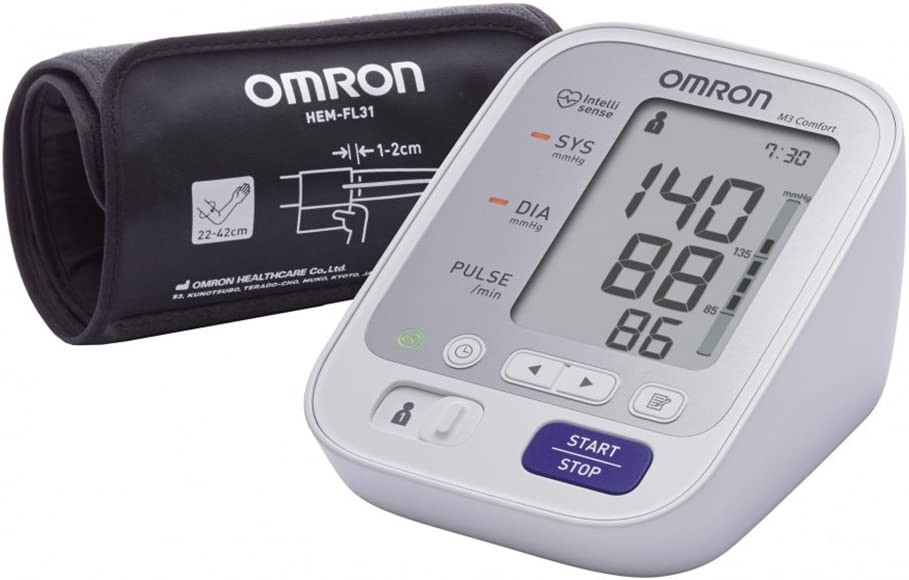
Another reason for dizziness could be the fact that you experience a drop in blood pressure after giving birth. This may happen because of a postpartum hemorrhage that depletes blood volume. The decrease in blood flow to the brain and other organs can cause dizziness, sweating, fatigue, a fast pulse rate, and other symptoms.
A blood transfusion may be necessary to increase blood and fluid volumes. Managing the symptoms of low blood pressure after going home may include drinking more water, making dietary changes, taking care when getting up from a sitting position, and getting enough rest.
How to deal with postpartum fatigue – Allow the anaesthetics to pass through the body after birth
An epidural anesthetic is often used for pain relief during labour and childbirth. It is a regional anesthetic that numbs the lower half of the body. If you’ve had a caesarian section and a general anesthetic where you were unconscious and unaware of the procedure, this could also be a cause of postpartum dizziness. Everyone has different reactions to anesthetics, and one of the side effects could be dizziness and feeling faint.
Side effects like dizziness and feeling faint that can occur after having anesthetics do not last very long and will usually pass within three to four days.
Are you pregnant? Get your free welcome pack here which includes personalised weekly emails too!
How to beat postpartum fatigue – How to sleep after giving birth
Fatigue is very common in the first few months after birth because of interrupted sleep and caring for your newborn.
You may be tempted to use the time when the baby sleeps to catch up on chores, but getting rest is more important. If only you could go to bed when you wanted to and follow a relaxing routine, like soaking in a hot bath! However, the reality is we have to get sleep where we can. Practicing good sleep hygiene involves paying attention to factors like caffeine and alcohol intake, exercise, bedroom temperature, light levels, and noise.
Read this article on how to help mums sleep at night and how to have more energy in bed too!
Exercising is often the last thing you want to do, but exercises geared towards mobility, for example, can help to reduce fatigue and give you more energy. You should try to get out for a walk with the baby every day, even if it’s a short one.
Loss of energy symptoms are worsened by stress, so you should try to relieve stress where you can. Asking others for help can be difficult, but it can help to reduce your stress levels. The phase when a baby wakes several times a night won’t last forever. Asking family members or friends to take care of the baby for an hour or two during the first few months can help you take a much-needed nap.
How to fight postpartum fatigue – Spot the signs of postpartum depression
Research3 indicates that women experiencing depression, anxiety disorders, sleep disturbances, and those breastfeeding face a heightened risk of postpartum fatigue. Recognising the signs of postpartum depression—such as feelings of sadness, loss of interest, excessive worrying, and panic attacks—is critical. Consult with a psychiatrist or look for psychiatry services for your worries, where treatments might include medications for heart palpitations and to balance hormone levels, cognitive-behavioral therapy (CBT) for postpartum anxiety symptoms, and counselling sessions tailored to address the unique challenges of postpartum mental health.
What is postpartum depression? Is it a disease?
If you feel tired all the time, you could have the baby blues. Symptoms might include insomnia, irritability, appetite loss, and difficulty bonding with the baby. If left untreated, the condition can persist for months.
It is important that you consult with a healthcare practitioner if you think you may have postpartum depression. Treatment for postpartum depression may include the use of antidepressants, hormone therapy, and counselling.
How to help postpartum fatigue – Dial up your nutrition
New mum exhaustion is very common as you tend to neglect your nutrition after birth. New mums are caught up in caring for their newborn and the fatigue makes it difficult to have the energy to make food. If you are an exhausted new mum, then it’s important to keep your blood sugar levels up, or it could contribute to feelings of maternal fatigue and not being able to cope.
It is hard to get in three square meals a day (or even five small ones) so prioritise a balanced diet of foods that are high in fibre, protein, iron and calcium when you can eat. You should also eat a rainbow of fresh fruits and vegetables and take a supplement in case you are missing out on valuable vitamins and minerals.
These postnatal supplements have everything you need to get your energy back!*

Having healthy snacks available, such as nuts, fruit, and vegetables, and constantly snacking throughout the day, can help maintain normal sugar levels. Drinking plenty of water throughout the day is also important, as dehydration can also result in fatigue and dizziness. Eating a bedtime snack can also help prevent blood sugar levels from dropping during the night. But if you experience extreme exhaustion after eating, it may be time to check whether there are other health conditions that may be the culprit. Consult your doctor to find out whether birth is the only reason for your extreme loss of energy.

Check your due date with our due date calculator here
How long does postpartum fatigue last?
Postpartum recovery takes time, and the postpartum period can be different for everyone. But when does postpartum fatigue go away? The answer is, it’s unclear. Your health, type of birth, and postpartum choices, as well as your lifestyle, all factor in when considering how to get rid of fatigue and weakness and therefore the below time markers are just a very loose suggestion.
Postpartum fatigue – 3 months
At 3 months postpartum exhaustion, “A small number of women develop inflammation of the thyroid gland called postpartum thyroiditis after giving birth. Sometimes this can lead to an underactive thyroid gland, also known as hypothyroidism. A lack of thyroid hormones is another cause of fatigue.”
https://www.babycenter.com/baby/postpartum-health/postpartum-fatigue-how-to-cope_1152217
Postpartum fatigue – 4 months
“What causes postpartum fatigue? The rigors of labor and delivery, combined with too little sleep and the stress of caring for a newborn, can pack a powerfully exhausting punch and cause postpartum fatigue.”
https://www.whattoexpect.com/first-year/postpartum-health-and-care/postpartum-fatigue/
Postpartum fatigue – 6 months
“In the 6-month postpartum period, the level of fatigue was highest at 1 month and significantly decreased from 1–4 months postpartum. Primiparas showed a significantly higher level of fatigue than multiparas during hospital stay and their levels of fatigue more closely approximated the 1-month peak.”
https://onlinelibrary.wiley.com/doi/full/10.1002/nop2.130
Postpartum fatigue – 7 months
“Fatigue is perhaps the most common form of impaired daytime functioning during the postpartum period. Between 40 and 60% of women report elevated fatigue during the first 18 months postpartum“
https://www.researchgate.net/publication/227591203_What_Happens_When_Fatigue_Lingers_for_18_Months_After_Delivery
Postpartum fatigue – 8 months
You’re not alone. Check out this post here.
Postpartum fatigue – 1 year
“Findings suggest that persistent fatigue may have a negative effect on performance outcomes for mothers and infants. Assessment for fatigue symptoms should be part of each nursing contact and interpreted as a pattern. Helping mothers choose methods of symptom relief and energy conservation can benefit both the mother and the infant.”
https://pubmed.ncbi.nlm.nih.gov/9924869/
Postpartum fatigue and dizziness can be a common side effect of birth or it can be part of a health condition. Follow the above tips and if you are still suffering from postpartum fatigue and dizziness, then consult your doctor for a checkup.
FAQ
What can I do to cope with postpartum fatigue?
Other questions asked were:
- How do you fix postpartum fatigue?
- What can you do about postpartum fatigue and exhaustion?
NHS has some tips on how to cope with postpartum fatigue.
“Sleep when your baby sleeps. Try to rest when your baby sleeps. …
Get an early night. …
Share the nights if you can. …
Ask friends and relatives for extra support. …
Understand your baby’s sleep patterns. …
Try to do more exercise. …
Try relaxation exercises. …
Don’t let stress get on top of you.”
https://www.nhs.uk/conditions/baby/support-and-services/sleep-and-tiredness-after-having-a-baby/
How long does post partum fatigue last?
Other questions asked were:
- How long do you feel weak after giving birth?
- How long can postpartum fatigue last?
- What if my postpartum fatigue isn’t getting better?
Please see the above for the general duration of postpartum fatigue and dizziness.
How long does postpartum fatigue last? I’m a breastfeeding mum 11 months postpartum. I feel tired for days, even the days when I do little housework. I work full-time outside the house. Is this common?
“Prolactin and oxytocin are two hormones that have everything to do with breastfeeding because they contribute to your breast milk production and letdown reflex. But you’ll notice that these hormones do more than just produce your milk. They might make you feel relaxed while breastfeeding — which can lead to drowsiness.”
https://www.mustelausa.com/blogs/mustela-mag/does-breastfeeding-make-you-tired
What does postpartum exhaustion feel like?
Other questions asked were:
- What does postpartum fatigue feel like?
“As a new mom, feeling tired is standard fare, but postpartum fatigue is a serious form of exhaustion that’s often coupled with a lack of energy and difficulty concentrating. It’s common, too: About 40 percent of new moms experience postpartum fatigue in the first week or so after delivery.”
https://www.babycenter.com/baby/postpartum-health/postpartum-fatigue-how-to-cope_1152217
Is it normal to feel weak postpartum?
Other questions asked were:
- Is it normal to feel weak after giving birth?
- Does postpartum cause fatigue?
- I sleep and still feel tired. Waking up tired and no energy. Why?
“Plus add in the stress of caring for a newborn and the lack of sleep and it’s not surprising that the majority of women experience fatigue and exhaustion during the postpartum period. While some amount of sleep deprivation and fatigue is normal for all new parents, that doesn’t mean you have to suffer through it.”
https://www.verywellfamily.com/breastfeeding-and-postpartum-fatigue-431591
What does it feel like to have postnatal postpartum depression, and how does one overcome it, especially when facing anxiety disorder, obsessive-compulsive disorder (OCD), or feelings of hopelessness?
Other questions asked were:
- What are the signs of postpartum depression and how do you get over it without consulting a doctor?
- What are some common postpartum symptoms?
“Depressed mood or severe mood swings.
Excessive crying.
Difficulty bonding with your baby.
Withdrawing from family and friends.
Loss of appetite or eating much more than usual.
Inability to sleep (insomnia) or sleeping too much.
Overwhelming fatigue or loss of energy.”
Overcoming these conditions often requires a multi-faceted approach, including lifestyle changes to manage stress and physical symptoms, engaging in cognitive behavioral therapy (CBT) with a certified therapist to address compulsions and excessive worrying, and possibly medication to adjust hormone levels and address iron deficiency. Understanding the risk factors, such as family history and previous experiences with miscarriage or stillbirth, can also guide treatment and support.
Is it possible to have postpartum depression immediately after giving birth while still in the birthing suite?
“Many cases of PPD do appear shortly after birth, due to the abrupt hormonal changes that take place once you deliver your baby — usually 4 to 6 weeks after birth. But for other women, symptoms of PPD can appear anytime within the first 18 months of their baby’s life.”
https://flo.health/being-a-mom/recovering-from-birth/emotions-after-delivery/how-to-identify-and-treat-delayed-postpartum-depression
What will happen if postpartum depression is left untreated?
“Left untreated, post-partum depression can persist for months or years. Mothers with long-term undiagnosed post-partum depression may fail to connect with their babies, which can cause babies problems with eating and sleeping, as well as mental health and behavioral issues that can persist throughout their lifetime.
https://www.pchtreatment.com/who-we-treat/mood-issues/prolonged-post-partum-depression/
What is it like to have postpartum psychosis?
“Symptoms can include: hallucinations – hearing, seeing, smelling or feeling things that are not there. delusions – thoughts or beliefs that are unlikely to be true. a manic mood – talking and thinking too much or too quickly, feeling “high” or “on top of the world””
https://www.nhs.uk/mental-health/conditions/post-partum-psychosis/
Does postpartum depression make you tired?
One study4 found evidence that high fatigue and postpartum depression remained separate but related experiences. Both depression and fatigue need to be carefully assessed to ensure accurate diagnoses. While depression intervention may improve fatigue, targeted fatigue intervention may also be required.
Can breastfeeding cause fatigue?
“It’s natural to feel tired in the postpartum period. Healing from childbirth, taking care of a newborn, producing breast milk, and breastfeeding every 2 to 3 hours requires a lot of energy.”
https://www.verywellfamily.com/breastfeeding-and-postpartum-fatigue-431591
References
- Predictive factors of postpartum fatigue: a prospective cohort study among working women – https://pubmed.ncbi.nlm.nih.gov/25214040/
- Postpartum fatigue – https://pubmed.ncbi.nlm.nih.gov/8017247/
- Factors associated with maternal postpartum fatigue: an observational study – BMJ Open medical review – https://bmjopen.bmj.com/content/9/7/e025927
- Related but different: distinguishing postpartum depression and fatigue among women seeking help for unsettled infant behaviours – https://pubmed.ncbi.nlm.nih.gov/30253778/
*Collaborative feature post*
*Links marked with a ‘*’ are affiliate links, which means I may earn a small commission if you click through to buy, at no extra cost to you.