9 natural remedies for postpartum depression
Having a baby is a wonderful, life-changing event, but it comes with a huge learning curve and a whole heap of emotions. If you’re feeling constantly down and you can’t shake it off, you will need to seek treatment from a professional to feel better. But there are natural remedies for postpartum depression that can help with the recovery process.
In this article, we will go through the nine ways to care for postpartum depression with natural treatments that can be accessed easily and affordably, so you can continue to look after your newborn and take care of your physical and mental health too (because you count as well, don’t forget that while you’re knee deep in nappies and mess!)
The baby blues vs postpartum depression
Amid the newborn cuddles, you’re feeling anxious, tired and fed up, with fluctuating mood swings that could rival any major roller coaster. Baby blues are quite common after birth and are mostly down to the peaks and troughs of hormones and broken sleep. It’s normal to feel down, especially if you’ve experienced birth trauma and you’re struggling to feed your newborn while dealing with uncomfortable lochia. But how do you know if the baby blues are a more serious case of postpartum depression?
Baby blues happen two to three days after birth and the postpartum period should subside after a couple of weeks, but postpartum depression sticks around for up to a year or longer if left untreated and can lead to postpartum psychosis, which is a serious mental illness. National data shows that 1 in 10 women each year suffer from postpartum depression and without support, these symptoms may impact you, your family and your baby. Postpartum depression cannot be treated alone, but with the right help, most sufferers can make a full recovery. If you are ready to seek help, reach out to residential mental health services in Florida to learn more about what kind of treatment is available.
What causes postpartum depression?
There can be several causes of postpartum depression, but it may be difficult to pin it down to one distinct cause because there isn’t a singular test for depression. Some factors can include:
- A difficult pregnancy
- A stressful/negative event that’s happened, like loss, domestic violence or illness
- A difficult/stressful childbirth and problems with baby
- Unplanned/unwanted pregnancy
- Lack of support
- Substance abuse
- Chemical imbalance in the brain
Postpartum depression symptoms
As mentioned before, there isn’t a one-size-fits-all symptom that makes it clear you are suffering from postpartum depression, but some depression signs can include:
- Severe mood swings, I.e. feeling angry one moment and then sad the other – but not feeling any joy
- Extreme fatigue – unable to bring yourself to do anything because you’re too tired, but you can’t sleep
- Severe change in appetite
- No interest in activities which you’d normally enjoy
- Feeling withdrawn from people around you – unable to socialise
- Low self-worth
- Having thoughts about hurting yourself or the baby
- Rejecting the baby
- Persistent physical problems, like tummy ache or headache
How does postpartum depression affect the infant?
One study found that postnatal depression has negative consequences for both mum and baby up to three years because of the impact on interaction with the baby. Depressed women are caught in a vicious cycle of becoming sadder and angrier, which means their personal development as well as child development is effected. The health of the mother is associated with the health of the child, both indirectly and directly.
How is postpartum depression typically treated?
Understanding why you have postpartum depression is the key to treatment, resulting in a full recovery, although it can take time. There are three main types of treatment which are:
- Self help – this involves talking to family and friends about feelings and taking the time to do the things you enjoy
- Psychological therapy – this involves a GP referring you to a self-help course or therapy, including cognitive behavioural therapy (CBT)
- Antidepressants if your depression is more severe or the other two treatments haven’t helped
Your GP can go through the pros and cons of each treatment, but in this article, we will concentrate on the self-help aspect of treatment which you can do at home.
What will happen if postpartum depression is left untreated?
In some cases, mild postpartum depression can go away on its own or if treated via self-help or psychological therapy. But more severe postpartum depression cases require treatment and if left untreated can continue for a long time or become more serious and impact mum and family.
Can natural remedies help? Nine natural remedies for postpartum depression
As mentioned before, postpartum depression needs to be treated professionally, but there are ways to help ease symptoms. Here are nine tips on how to ease symptoms of postpartum depression with natural treatments.
- Keep your immediate living area organised
- ‘Me’ time is achievable and important
- Take care of what you eat
- Get some form of exercise in daily
- Fresh air does wonders
- Watch your lifestyle
- Surround yourself with a support network
- Get your sleep where and when you can
- Get professional help (including complementary and alternative medicine)
1. Keep your living area organised
This may not have been a remedy you would have considered because, let’s face it, who has time to do the dishes when you’re feeding around the clock and living on broken sleep? But, in an otherwise turbulent environment, regaining order, however small, will help you feel you’re more in control of what’s going on around you.
Even something as simple as where you have situated yourself for the first six weeks after birth, whether that be in bed or on the couch, keeping that area tidy and organised can help you feel you’re not living in a chaotic world. For example, try to keep your living space/bed/sleep area tidy – whether it’s investing in space-saving furniture like fitted wardrobes or beds with in-built storage, or having a makeshift corner where you can keep things you use daily close to hand. It might not be a tidy home – and that’s ok, you and baby come first – a tidy production line can help you feel you’re staying on top of things each day.
2. ‘Me’ time is achievable and important
Me time? What’s that, I hear you ask.
It seems a long way away when you threw away those birth control pills and your social life went with it.
While having a baby is a joyous event that marks a precious new chapter, the initial period of adjusting to a new arrival can be stressful and overwhelming, especially if it’s your first time. To maintain your physical and mental health in the weeks and months after giving birth, it’s important to practice self-care and take some time for yourself.
‘Me’ time is that all-important time to do something for yourself that makes you happy or keeps you sane. It can be five minutes of quiet time in your bedroom, or it can be a quick trip to the shops, or even the hairdressers.
Balance your mind and body through mindfulness and relaxation
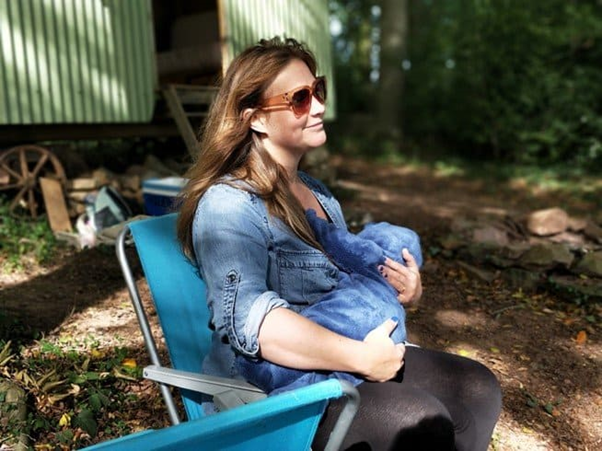
Take this moment now and say ‘STOP!’ Put whatever it is you’re doing down (unless you’re in the middle of a feed) and close your eyes. Any thoughts that come to your mind about your body after birth acknowledge them and then wave them away. Focus on how you are feeling at that moment. If your baby is feeding, focus on what you are doing to feed your baby. What does she/he smell like? What does your breast milk or her bottle of milk smell like? Are you hungry? Are you thirsty?
Focusing on the present moment is called mindfulness and it allows you to push unnecessary thoughts away so that you can concentrate only on the here and now. Now breathe in and exhale deeply, blowing the excess air away through your lips. The action can bring balance instantly when there is turmoil around you. Do this every day for just five minutes (longer is better) and you find you can tackle the world around you once you’ve given yourself a break.
Practice yoga
Utilise rare silence and get some Zen back into your life with yoga. You can find some free YouTube videos, from beginner to advanced, to help you wind down and relax after a hectic day of kids and to-do lists!
Yoga is proven to be one of the most effective ways of keeping the mind and body young and happy.
Meditation
If you can’t or won’t do yoga, then consider meditation. When you’ve had a physically and mentally exhausting day and you haven’t clocked in enough sleep hours, then taking time to be alone, even if it’s just five minutes, is an even more important thing to do.
You may think, wait, I haven’t got time to do that; I have a new baby!
Find five minutes.
In those five minutes, you want to maximise your breathing efficiency as it’s the best way to calm your body down and lower those stress levels. You don’t have to lie down, you can sit up too, but the point is to stop the world for five minutes and concentrate on your breath.
The trick is not to overthink it (ha!) Either sit on a chair or cross-legged on the floor, so your spine is straight and upright. Either open or close your eyes, whatever makes you feel more comfortable and softly focus your mind on your breathing. Breathe in and out naturally, gradually trying to make the inhales and exhales longer and deeper. If you’re having trouble with this, you can count each exhale.
Then concentrate on breathing in for four, holding your breath for seven, and then breathing out slowly for eight. A few times doing this and you’ll notice that your mind and body are more at peace and when you check back into reality you are more focussed on the tasks ahead. You can also end up being more productive too and this 4-7-8 breathing technique, if you continue to do it every day, multiple times a day, can actually aid digestion, sleep and the respiratory system. You can find more mindfulness and meditation techniques here.
Obviously, it’s impossible to switch off the brain completely, but taking the time to be with yourself and meditating is a powerful tool to strengthen the mind and body and, ultimately, de-stress more successfully. Meditation aids spiritual growth and reduces stress exponentially, ultimately increasing overall health and providing your body with stronger immunity to stressful situations.
Total body stretching
Have you ever placed your arms above your head after being in one position for a long time, stretched your body, and heard your spine creak and moan in response? It’s amazing how we don’t take time out to stretch our bodies and how knotted our back becomes during the day. A lot of stress comes from the extra pressure we add from bad posture, or we are bending our backs and not our knees to lift heavy objects off the floor. These movements have harsh, long-term effects on our body.
When cats wake up from their catnaps, they stretch their entire body out before they pounce about nimbly like ninjas. Stretching like a cat when you wake up, coupled with long, deep breaths, not only stretch out your muscles and realign your bones, but the instant rush of oxygen through your body wakes you up faster than a double shot espresso.
Try it. As soon as you wake up, inhale deeply as you stretch your arms above your head and elongate the legs so you are as straight as an arrow. Then exhale deeply through pursed lips as you enjoy the stretch. It feels so great afterwards!
Just as a bonus point, if you inhale through the nose and exhale through pursed lips, you are increasing your breathing efficiency and enhancing your tolerance for exercise. That means you can endure longer, tougher workouts.
Take care of your skin
From the late-night feeds to the infrequent meals and lack of time to shower, your skin will experience a whole myriad of attacks and may look dry, patchy and older. It’s essential to find a few minutes twice a day (generally morning and night) to hydrate your skin with a good natural skincare routine. I swear by Infinatura Cura Oil* which is a serum that contains eight 100% natural elements and hydrates the skin very well. You will notice a massive improvement in your skin after only a few applications. Coconut oil* is also great for the body and hair and saves you time and money looking for other skincare products.
Book a mother/baby/family photoshoot
A family photoshoot often gets overlooked when you’re worried about taking your baby home, as well as the new to-do list that comes with being a parent (as if you didn’t have enough to think about already!) But those first few weeks fly by so quickly that you’ll be left with blurred memories thanks to sleep deprivation and no concept of time.
Don’t worry about that post-baby body in the pictures! Capture the memory forever with your newborn and book a family shoot that immortalises those precious first moments. If you have other children, they’ll be grateful for the memories later when they look back at how young and free they were once upon a time.
Get online
Nowadays most of us have smartphones, tablets and laptops, and if you want a quick break, or to do something in betwen those long feeding times, these devices can be a great means for a fun time. There are different types of games for mums which you can enjoy online.
Mind Games
Keeping the mind alive helps you stay attentive when looking after your child. There are tons of great apps on smartphones, desktops and tablets that are designed to train your cognitive skills and achieve optimum brain fitness. So, if you have an app-worthy device, then take five minutes to download one and test those skills. As we get older, we become less likely to indulge in the computer games that we used to play when we were younger.
Although some people still play on their PS4s well into their thirties (my husband) we just don’t have that much free time to allocate any more. I am a huge advocate of brain training games and have even noticed my brain speed increasing after playing many a Solitaire Bliss, Sudoku, crossword and IQ type games.
However, if you fancy something that really tests the brain cells, then intellectual games such as Chess or the oriental game of Go is ideal. And, there are plenty of opportunities to play free chess games online with real people. Whatever your level, from beginner to master, you will always find people to play with.
A little night-time facial massage ritual
About twenty minutes before I intend to go to bed, I start my night-time beauty ritual. I take the time to cleanse and wash my face, but when I moisturise, I perform a mini facial for a few moments to massage the stressful day away. I try to incorporate a lymphatic drainage massage, which helps drain any blocked sinuses and tension headaches. I then massage the top of my head, which encourages the blood circulation and natural oils to the hair (also helps to thicken the hair too!)
Just doing this for a few minutes every evening immediately calms me down, relaxes the brain and refreshes my skin. Plus, I’ve noticed my hair and skin looking softer and smoother too.
Reward yourself with things that are just for you
Be kind to yourself and reward yourself from time to time after you have achieved the goals you have set for yourself. These can be anything from a long bubble bath to a new hairstyle.
Another great example could be to reward yourself for getting in some exercise and allowing yourself to invest in a designer pair of sneakers. You can find some gorgeous Gucci sneakers and other high-end designer training shoes at luxury designer retailer SSENSE that will make you want to spend as much time working out as you can just to wear them.
Order a takeaway
Sometimes it’s better when someone else cooks! But, if you don’t have that luxury at home, then you can enjoy the finer things in life. Grab a takeaway and tuck in! It may only be for a few hours, but such an evening will help you relive the blissful early days – better still, if you can enjoy some adult time with your partner too, that’s two birds and one stone!
Treat yourself to some new clothes – even if they’re a couple of sizes bigger!
The consensus on losing weight after pregnancy is that it takes nine months to grow a baby, so it will take nine months to lose the post-baby belly. But, even after the nine months have been and gone, you may still struggle to lose that extra weight. The entire process seems to take forever and you’re too tired to exercise.
Please allow yourself a break and embrace the weight gain after pregnancy. Your body just delivered a brand new baby, which is pretty darn amazing, so give yourself the chance to heal and recover naturally. You could always look for a post-pregnancy workout to try when you get the opportunity and you could try a belly band to hold in the stomach and keep things tight around your waist.
However, if the changes to your stomach have a big impact on how you view yourself and your confidence, then the option of surgical enhancements is available as a last resort. What exactly do surgical enhancements mean? What is abdominoplasty? Click the link for further information, but chances are your partner hasn’t even noticed the extra few inches on your after-pregnancy body.
So why don’t you use this chance to treat yourself to some new flattering post-pregnancy clothes, which will not only help you feel better in your post-baby body but make you feel well enough to spark that road to recovery? Here are some ideas for what you could wear:
Colourful outerwear
When the season changes and the temperature cools down, you may be thankful for the opportunity to hide those new lumps and bumps in an oversized coat. But wearing what may resemble a tent may make you end up looking bigger overall. Opt for a light wearing bright mac, like the Packaway Mac* from Bonmarche, which works perfectly to protect you against the rain and drapes over the post-baby belly without making you look like The Hulk. A Gilet can also cover you in colder weather without making you look frumpy.
A flowy top that drapes over the waist

A flowy top like the above Butterfly Print Top with Side Tie* allows the top to fit over the shoulder and arms, creating a smaller frame while falling to the side, so it doesn’t cinch at the waist. The side tie allows for more flexibility, so as you slowly lose weight, you can tighten or loosen the tie according to how you feel that day. Flexibility is kind to your post-baby body!
Layered clothes can create vertical lines and disguise the belly

Layering is very effective at elongating the body, as it creates the illusion of vertical lines that distract the eye from your stomach. Try adding a shrug to a flowing dress like the above 2 in 1 Dress with Shrug* or a double-layered top* accessorised with a flowing necklace, which creates a classic and versatile look that lengthens the body with an elegant chiffon overlayer.
Team up with some comfy leggings that hug at the waist lightly, and you can shed inches off your overall body without needing to hit the gym. N.B – Don’t forget that those celebrities who look amazing with a baby after birth employ personal trainers, chefs and nannies to get that toned stomach because they have the money to spend on these luxuries, which, is what they are – luxuries!
You would look like them too if you had that kind of money – and time. Eventually, you will get your mojo back and you will feel human again – but it takes time, so give yourself the luxury of time.
Make sure your undergarments are comfortable and supportive
You may not be in the mood to strip down to your unmentionables anytime soon, especially when you still have those lingering hormones after pregnancy, a wobbly belly, and drooping boobs. But, getting yourself measured for a well-fitting bra will not only make you feel better about yourself, but it will also reduce the back pain after pregnancy and from prolonged wear of ill-fitting bras.
Investing in some supportive post-pregnancy underwear that holds everything in will make you feel tighter and more confident. You could lose a dress size by just holding that post-pregnancy stomach in with some Spanx or a belly support band! There are loads of excellent tummy shaping underwear in the shops these days, so it’s worth getting measured up and then browsing the stores.
You may find it easier to shop online while your baby sleeps, but make sure you go in and get your bra size measured, as you may not receive an accurate reading using just online tools.
Dance or listen to music
Remember, before you had kids when you’d go out to clubs and dance the night away? Pour a couple of drinks, turn up the music and enjoy a little rhythmic exercise! Go contemporary with music choices or pop some tango or salsa music on for a little Latin passion!
If you can’t or won’t dance, then at least pop in your earphones/headphones and crank up your favourite tunes on Spotify. Music acts as a great therapy for a stressful day as it allows you to forget about your problems for a moment or two and engross you into the melody.
Do absolutely nothing
Do absolutely nothing? How is that possible when you have a newborn? When they’re asleep, just leave the toys on the floor, take a seat on the couch and put your feet up. Close your eyes and banish all thoughts from your mind. Do the mindfulness ritual I mentioned above. Remember, five minutes is enough to lower the blood pressure and unwind after the day’s busy events. If you’re anything like me, you’ll do nothing for twenty minutes instead.
Write without thinking
Few people understand the healing benefits of writing how you feel. So, grab yourself a pen and paper – or a laptop – make yourself a cuppa and write the first thing that comes to your mind. Soon your creative juices will flow and you’ll be surprised at what comes out on the other side. The next J.K. Rowling maybe?
Avoid blackhole behaviour
Blackhole behaviour is when you have spare time on your hands (shocking!) and you choose to sit around doing nothing for longer than the five minutes I mentioned earlier. You might watch a show, scroll through social media, or play a game on your phone. Eventually, you realise several hours have passed by and you’ve done nothing productive.
Stop throwing time into the black hole of the abyss and make the most of your rare occasions of ‘me’ time that last longer than a mere moment.
Speak to an adult about anything unrelated to kids
We sometimes feel that because we speak to children all day, our brain cells are slowly dying on us. I’ve been guilty of not being able to switch off the baby talk when an adult speaks to me. And, constantly repeating, “No, don’t do that,” or “Put that back!” can put a drain on your brain.
So, call up a dear friend or family member and just spout meaningless nonsense to them about nothing in particular that has nothing to do with your children. Or, ask them how they are and just listen. You’ll be surprised at how talking about something that is not related to your day can supercharge you into picking yourself up in the morning and grabbing that routine with bare hands.
Plus, you may realise that some other people’s lives can be more mundane or difficult and you will go to bed feeling lucky that you get to wake up in the morning and see your beautiful baby’s smiles every day.
On an aside, a friend of mine has just come back from New York on a business trip, so I like to live vicariously through her travels while I sit at home with four kids and manage my workload. I can at least feel like I’m there with my friend and it takes my mind of my to-do list!
Get your mojo back
We are guilty of forgetting our worth and not having the energy to bother with your health and wellbeing appearance.
Give yourself some time to breathe after birth an then get that mojo back! Do you remember what you were like before you had kids? Do you remember how it felt to dress up? Take time for yourself and do a mini up, personal fashion show just for yourself or for that lucky partner and just be silly. When the kids are in bed, get out your makeup and simply experiment.
Do up your hair and take lots of pictures. Then, when you’re feeling down and troubled, or simply drained, take out those pictures and remember what it felt like to be a real person and not just a mum.
Get away from what you’re doing and completely take your mind off it
Stop what you’re doing (if you can) and walk away, or leave the room. Just the act of taking yourself away from a negative situation stimulates your brain cells and allows you to approach your task with renewed vigour. For example, if your baby is screaming and the noise is boiling your blood, put the baby down somewhere safe, like the cot, walk out of the room, take 30 seconds, breathe in and out deeply and then walk back in again to the screaming.
What’s the screaming for? What have you tried already? What can you try to stop the screaming? It’s that act of walking away from the immediate picture, even if it’s for a moment that helps you keep going.
Read more
We can be guilty of telling ourselves we will read more… and then never open up a book. It happens, but reading is a great way to improve your mental health development and boost your emotional wellbeing. Make it a goal to read a little every single day, or even twice a week, and you will see just how much you can learn from a book. Whether it is nonfiction or fiction, reading is a great way to boost your mental health. You can also read on an electronic tablet, which will make reading every day easier.
Manage your stress
Life is stressful, there is no denying that. We can’t always stop the stresses from happening in our lives, but we can do things to relieve them.
Stress can encompass you through various forms in your life, especially during parenthood, when you are faced with extreme situations affecting your children daily.
A 2010 study by the American Psychological Association (APA) surveyed over 2,000 adults and children, with some very interesting results. The study showed that almost 70% of parents believed their own stress barely affected their children – but when speaking to children, this was not the case.
90% of the children who were surveyed stated they could tell when their parents were stressed; because they witnessed their parents arguing or because their parents failed to spend time with them. Many of these children said they felt frustrated, worried and sad as a result, and almost a third of the children complained of stomachaches or headaches because of stress.
So, what to do? These results seem to suggest that postpartum anxiety and stress can be contagious – meaning that when you’re suffering mentally, you may affect the mental health of your children too.
So, it is even more important to divide and conquer all the stressors in your life and keep them as far away from your children as possible. For example, work-related stress can be left at work and discussed with your partner when your child is not around to hear it. Any stress that you may have at home or with your partner can be discussed with them alone and not in front of the children.
Of course, it is better to have an honest outlook on life with your children, so if the stress involves them try to find some common ground where you are not shouting at or ordering your child.
There are tons of things you can do to de-stress, like taking a bath, cooking, or using a weighted blanket. A weighted blanket can help with anxiety and improve the quality of your sleep. Look at this weighted blanket guide to finding one that will help keep you relaxed when you are feeling anxious.
The World Health Organization published an illustrative guide on stress management where you can spend just a few minutes a day on stress techniques to help you with everyday anxiety.
Practice gratitude every day
It is easy to focus on the things that are going wrong in your life, but if you find you’re in a rut, then now is the time to practice gratitude every day. Buy a journal and write down the things you are thankful for, from being able to move your body to having a family who loves you. Journal writing can be very therapeutic which in turn can boost your spiritual wellbeing.
3. Take care of what you eat
It’s easy to neglect your health when all your focus is on caring for the new baby, but it’s essential that you eat regular meals and try to follow healthy lifestyle habits. If you’re struggling to keep up with a schedule or cook regularly, consider batch-cooking and planning your meals weekly, as well as taking postnatal vitamins and supplements.
Don’t worry about counting calories or actively watching what you eat. As long as you are adopting a healthy post-baby diet and eating everything in moderation, i.e. plenty of fruits and vegetables, protein, carbs and even fat (good fats) then you’re probably doing the right thing and the weight will fall off naturally.
When you’re a new 24-hour Supermum, it may be easier to graze on snacks throughout the day, but make sure you’re keeping your energy levels up by eating from all food groups. If you want to have a chocolate bar, then have it. Just don’t have ten in one go because it will hinder your chances of losing weight. It’s a good idea to stock your house with lots of snacks like fruit bars, nuts, dried fruit, dark chocolate and popcorn.
Don’t forget eating right also aids in natural weight loss too – two birds, one stone! I have had a subscription with Graze* since they launched in 2007 because they make it so easy to snack on healthy delicious goodies every week. There are tons of different boxes to choose from and you get a healthy selection of nuts, raisins, fruit and even biscuits with a teabag in the box!
It’s such a lovely treat to get through the letterbox, especially when you’ve just had a baby because it feels like a special present for yourself to enjoy while you’re feeding baby. I love Graze* and will continue to subscribe to a box that is only £2.99 (I’m old school, so I pay old school prices).
What your first, fifth and tenth Graze box FREE?? Just click here!*
Your baby will stop you from eating a proper meal, so if you’ve missed dinner, eating the above high-protein snacks will help you feel better and reduce your chances of over-indulging on the bad stuff until you have time to eat later. The trick is to take care of your post-baby body and your baby’s so that you have the strength to get through those tough first few months relatively unscathed.
Make sure you start with the right mindset about food
I know how difficult it is to get out of that vicious cycle of eating bad food once you’re in it and how depressed you become when you turn to more food to make you feel better, even though you know it will only just make you feel worse.
You don’t have to remove everything you enjoy, just think about cutting back on sugar and starch. These foods stimulate insulin, which is the hormone that encourages fat storage. When insulin reduces, the body finds it easier to burn fats instead of carbs. The kidneys also work better and reduce bloating and excess water weight.
If you are eating and drinking more calories than you are burning, then you will not lose weight.
It is a lot easier said than done. I was stuck in a rut, breastfeeding my second baby for two and a half years (not by choice!) and eating more than my fair share of sugar. I felt tired all the time, I was getting sick easily and then, one day, I got so ill (exhaustion brought on a cold, which progressed to flu and then, subsequently, a tummy bug) that I thought I was going to die from some weird virus.
Educating yourself on the importance of nutrients in your diet and what they do to benefit the body is paramount to changing your eating habits. Nutrients also help boost metabolism, which, in turn, aids weight loss.
You find that a lot of the healthy recipes are actually really simple to make and will put you on the road to a healthier mind and body. Plus, your kids will reap the benefits of a new and healthy (and less stressful) mum! You could join slimming clubs like Slimming World, if you need the extra support and nudge to fix your diet.
Start meal planning and working out what you’re going to make during the week
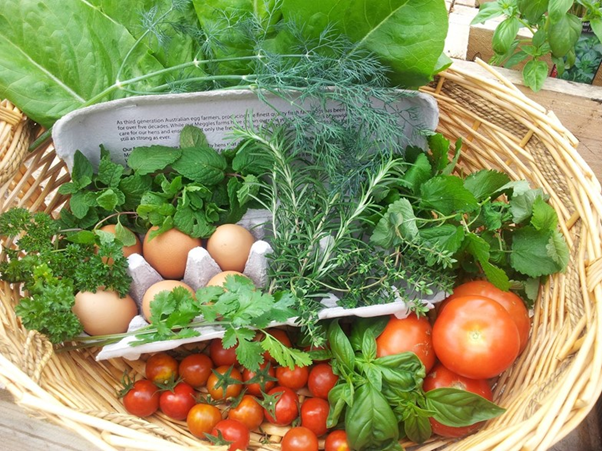
Healthy food, especially fruits and vegetables, especially when you’re buying for a larger family, can be quite expensive. I never really understood why the healthier stuff was always more expensive than junk food in the UK. So, on a modest person’s salary, the safest option is to meal plan, so you don’t buy in excess. I scour the net for recipe ideas all the time, but I generally keep to a non-exhaustive rule when I’m meal planning.
Breakfast is the most important meal of the day, so make sure you have cereals in your cupboard, like oats or Weetabix, which are great because they’re high in fibre and help you go to the loo. Eggs are also really versatile and perfect for breakfast meals, as well as nice wholemeal bread, toasted with a bit of Clover butter (which contains half the saturated fat as other butter).
My favourite breakfast recipe at the moment is poached/boiled egg with avocado and tomatoes on toasted wholemeal bread, complete with a sprinkle of sea salt and lots of lemon juice!

You can afford to be versatile at lunchtime. Pasta salads are great and keep you full for longer. Even classics like jacket potato with baked beans and cheese are relatively healthy, considering how much cheese you add. You can even opt for sweet potatoes instead of normal potatoes, which are deliciously sweet and gorgeous.
For dinner, if you are a meat-eater, opting for small portions of lean meat and/or chicken as a side dish can drastically change your diet. My mum always used to say that vegetables should be the main part of the dish and not the side, so go for lots of veg with some protein (meat) and carbs (potatoes) to complement and you can’t go wrong with that formula.
Turkey contains half the fat of chicken, so you can even go one step further and replace chicken with turkey. Perhaps go for a nice sandwich with spring onions, spinach (instead of lettuce for that iron boost) and your favourite low fat sauce. I now replace any kind of sauce with either French Mustard or just plain lemon.

Build into the daily plan to eat at least seven portions of fruit and vegetables a day. You can work up some of these vegetables in classic meals like vegetable lasagne, salads and/or pasta dishes. Legumes are super important for your diet. My favourite at the moment is chicken and lentil soup, which the kids also love too. It’s also really low in fat!
I like grilling or roasting vegetables and having them around during the day for snacking. Drizzle on some olive oil or Clover butter and/or sea salt and they taste simply delicious. Other snacks can include carrots, celery and/or wholemeal pita bread slices dipped in hummus, mixed nuts and raisins, and whole-grain crackers with peanut butter (go for the reduced sugar kind and you should be fine).
My absolute favourite snack at the moment is wholemeal Krisprolls with feta cheese and apple slices. You must try it, it’s delectable! For full recipes and meal plans, head to Five for a Fiver where I document 5-ingredient recipes for £5 or less.
Eat when you are hungry and stop when you are full
Most of the time, we do not listen to our bodies and overeat to the point of bursting. Not knowing when there is an off switch can lead to becoming overweight because you haven’t given your body enough time to tell you it is full and that it doesn’t need that extra food.
When you find that your stomach is feeling empty, that is the best time to eat a nutritious meal, as the body can absorb all the good bits when it is not trying to digest other heavy foods. Therefore, they say to fill up on fruit at breakfast because you have an empty stomach when you wake up and the nutrients from the fruit can be absorbed by the body quickly and more efficiently.
It is also important to eat consistently, so your sugar levels are not fluctuating throughout the day. Have you ever noticed how much more you want to pig out on bad stuff later on in the day when you skip a meal? It is because your body’s sugar levels are down and it’s looking for sweet stuff to bring it back up. Don’t forget that sugar is only a quick high and you will soon experience that dreaded crash again.
Go for convenience
Another option would be to use a meal subscription service like HelloFresh which is not only convenient but it saves us money in our weekly shop too. Plus, you get everything you need to prepare foods that fit a calorie-controlled diet delivered to your door. You don’t need a restrictive diet, instead eat well and regularly throughout the day to maintain your sugar levels and if you keep it to whole foods, then you will lose weight naturally.
Check your diet and lifestyle
Ensure you are providing yourself with a nutritious balanced diet so you can keep up with vigours of motherhood every day. Consider food supplements to help you with any deficiencies you may suffer from, as we parents know it is difficult to offer ourselves the same time as we afford our children.
Hydrate!
One thing you may forget to do during those first few months, apart from eating, is to hydrate. When you’re dehydrated, you feel drowsy and your brain turns to mush. Having a large bottle of water with you at all times will encourage you to drink those cobwebs away. You may even need over eight glasses or two litres of water a day when you’re breastfeeding, so make sure you take that time to hydrate, because it will bring some life back into your mind and body when you need it the most.
You can find more tips on nutrition, relaxation and health during pregnancy over at Mommy Authority.
4. Get some form of exercise in every day
You want a fit body after pregnancy, but the thought of postnatal exercise when you’re still in recovery mode sends you running under the covers. Maybe you’ve suffered from diastasis recti after pregnancy (separated stomach muscles) and you’re suffering from back pain postpartum, so you do not know how or where to start on your post-baby body workout. Or you’re suffering from postnatal depression and you can just about crawl to the bathroom.
But, what does normality look like after having a baby? Exactly what happens to woman’s body after pregnancy? What do you wear to cover that muffin top now?
You’ll fit into your new normal over time, and it will be sooner than you think. There are tons of gentle exercises and simple diet plans to help you lose your baby weight naturally because, remember, as with any other situation, sudden weight loss is not the way to go and the swift body changes could leave you with nasty, unhealthy side effects which might make you feel worse.
Times have changed and the world is now wising up to those celebrities who claim to have sprung back into their pre-pregnancy clothes with no extra help. It’s not easy to lose weight that quickly without a personal trainer, a nanny or buckets of cash to throw at plastic surgery. A lot of women are even taking up to 18 months to lose weight.
Well, guess what? That’s ok! As long as you’re losing weight healthily, then it shouldn’t matter how long it takes. Your body will be ready when it’s ready. One thing not to do after giving birth is rush into weight loss before you can handle it because it may cause complications later on in life.
It certainly didn’t take me nine months to lose my baby weight. Try doubling that figure… and then adding four months… And, even then, I was still 5kg over my pre-pregnancy weight. In fact, I would say the first time I truly felt like I had hit my pre-pregnancy weight was three and a half years after the birth of my second son.
So, why did it take so long to slim down? I put it down to a lot of fad diets at the beginning and then a good telling off from my mum, who, rightfully educated me on eating right and exercising well. Fast fixes reap short-term benefits, but a healthy and steady weight loss can keep the pounds off for life. Below are some tips on how to lose weight effectively by working together with food and exercise:
Build in at least 30 minutes of exercise a day, every day
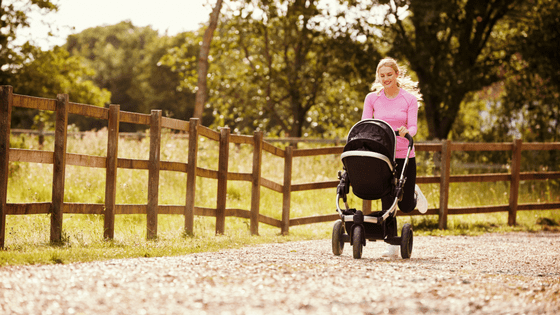
I believe the key to losing weight healthily is to exercise as well as you eat. This means not over or underdoing it, but getting the blood pumping for at least 30 minutes a day. Even if you walk for ten minutes, climb up the stairs rather than take the lift, run in place for a few minutes or take the stroller out anywhere and everywhere, these activities build up.
If you get your 30 minutes of exercise in a day, then you will slowly start the see the results. You’ll feel stronger, slimmer, and you’ll blow all those cobwebs away from the fuzziness after birth. Just be careful to not do anything strenuous for the first six weeks because your body is still weak and vulnerable. Even post-six weeks, if you feel like your body is not ready, just slow it down.
The natural highs you get from exercising will kick in soon enough and it will make you want to be out and about more. Click here for an awesome stroller workout by Kristen Horler, which should really get those legs moving. And, you get to do it with your baby in tow, so no excuses!
Go for regular exercise that gets the blood pumping
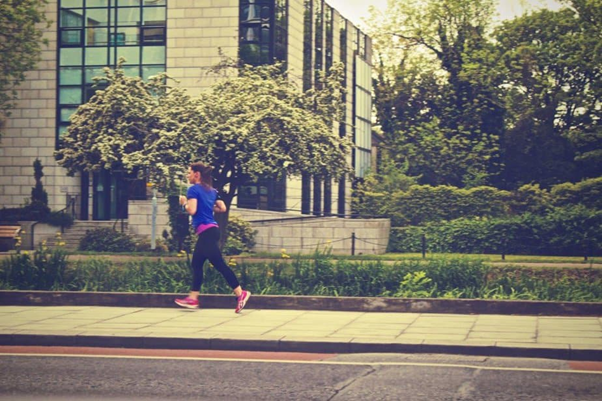
You don’t need to go all out and exercise yourself to exhaustion. In fact, continuously overworking your body is just as bad as not working your body at all. Go for the mantra of getting the blood pumping to the point of being just out of breath and feeling the sweat coming.
Go for a walk or a run
Thirty minutes of exercise is recommended every day and that could be a brisk walk in the park or a run if you’re feeling fitter enough to do more. I find cardio strength exercises are the best form of exercise, where you are increasing the heart rate and building muscle at the same time.
And you don’t have to take the kitchen sink with you when you’re exercising outdoors. Read more here for some great packs that you can run with.
Make exercise a personal priority
Starting a new fitness regime to help yourself meet your weight loss goals can be fun and exciting. But it is important to make sure you are mentally treating the time you spend at the gym or outdoors as an important part of your day, so you don’t skip it just because something came up – because a lot of things will naturally come up. A good way to do this is to mark your workouts in a calendar as if they are important appointments that you cannot miss without a very good reason, and without rescheduling them.
Don’t think ‘I will try and find time to go to the gym later’ – make it a hard date. It may even be easier to workout at home, so you don’t spend the time getting to the gym, showering and then coming back. If you’re busy at work, then a gym may work for you, but if you’re a stay at home mum, working out at home might be easier. If you have small children, then involve them in your exercise routine, like running with the buggy or using them as weights – just be careful not to drop them when you’re working out!
Move your body every day
Exercising does not mean doing an intense workout at 5 a.m. Exercising can be as simple as going for a walk or practising yoga. What is important is that you move your body every single day. Exercise is a great way to de-stress and clear your mind, so make it a point to move your body every day to boost your physical wellbeing.
5. Fresh air does wonders
Walking in the fresh air comes with a multitude of benefits: it’s good for your baby (they learn about the great outdoors), you’ll burn a few calories, and your mood will improve. Also walking after giving birth will help you recover much quicker too.
You can use that time to zone out the noise and enjoy a nice walk around your local park. You may find some of that peace you’ve craved for a while now (well, maybe not in some parts of London, but you’ll still feel miles better than when you were stuck indoors.)
Walking in the fresh air comes with a multitude of benefits: it’s good for your baby (they learn about the great outdoors), you’ll burn a few calories, and your mood will improve. Also walking after giving birth will help you recover much quicker too.
You can use that time to zone out the noise and enjoy a nice walk around your local park. You may find some of that peace you’ve craved for a while now (well, maybe not in some parts of London, but you’ll still feel miles better than when you were stuck indoors.)
How about picking up your best hiking shoes and heading to the hills to take a walk through open nature?
Even if you can’t make it outside because you have a little one who dotes on you 24/7, then use your time spent wisely by popping your head out of the window for five minutes or venturing to the garden. Breathe that fresh air into your lungs and regenerate. If you’re by a tree, breathe the fresh air around it. Trees use photosynthesis to turn our carbon dioxide into the oxygen we need, and fresh air boosts the immune system.
You may have noticed that getting the heart pumping and being out and about seems to reduce cold-like symptoms when you’re feeling rundown. I have done this many times and along with Vitamin D (your body makes this from the sun when you’re outside), water and Vitamin C (like oranges, tomatoes and strawberries) exercise helps bust colds and flu before they hit hard.
So if you combine fresh air with some exercise, i.e. taking a walk outside, you can kick-start that immune system and help your body fight those germs so you can tackle those parental duties with real vigour.
Fresh air boosts happiness too!
6. Watch your lifestyle
Physical health is important and your attitude towards your health will help to shape the attitudes of your children. Disease prevention is a key lesson you can teach your kids from an early age, by taking action on your health and managing a positive lifestyle. Make it a point to book regular eye and dental check-ups for the family. If I hadn’t done this myself then I wouldn’t have known that my then four-year-old needed glasses and my then two-year-old needed regular ear wax cleaning.
If you drink too much, then this will affect your mental wellbeing and your physical health. HARTMANN Direct brought out a guide which talks about the impact alcohol has on your bladder and bowels. Alcoholism can wreak havoc on your heart, your mind and your liver. But, what most people don’t realise is that excessive drinking can also lead to incontinence too.
Alcohol is a powerful diuretic, so even a few drinks can increase your urine production and make you feel you need to go to the loo more often than normal. This excessive urination can lead to dehydration and much more concentrated urine, which can lead to urinary tract and kidney infections. This is because the concentrated urine sits in the bladder and causes irritation and inflammation to the bladder’s lining. And, if you’re not careful, this can quickly spread to your kidneys.
The burning and painful feeling you get during a UTI is down to the urethra and bladder spasming, which can also lead to headaches, back pain, fever and general malaise. Cystitis is also one symptom of a bladder infection and you may feel a sharp pain and see blood in your urine. These issues can damage your quality of life and prevent you from carrying on with your daily tasks, which may impact your children, especially if the discomfort causes you to have erratic behaviour too.
Alcohol can also impair your brain, and this can become very dangerous when looking after your children. This is because your reflexes and brain functions are not as on point as when you are sober. Alcohol can also cause bowel problems like irritation and inflammation of the gut, which can cause diarrhoea.
Be careful to limit or eliminate alcohol when you experience diarrhoea as you are causing damage to your stomach lining and your body is losing nutrients. Have a full meal before drinking so the food can act as a buffer. Food and water can slow down the effects of alcohol and prevent bladder and bowel problems from occurring, as well as overall illness. If you are struggling to quit or you experience delirium tremens (severe form of alcohol withdrawal), consider extra support like alcoholics anonymous to help you break the habit of relying on alcohol to boost your mental state.
The same goes for drugs like crystalline meth / crystal methadone which alter your mental state and impact your ability to look after your kids.
Smoking can affect your health and wellbeing too
The same can be said for smoking. Second-hand smoke can have a huge impact on your baby’ health, which is why many parents now choose to “smoke” an electronic cigarette (you can buy some gourmet-style E-liquid at Redvape.com). Vaping can help to kick the habit and ensure you are working towards creating a healthy home for yourself and your children when you finally stop inhaling anything for good.
Improving your physical and mental health can not only ensure that you live longer, but it also sets an example for your children to lead a healthy life too. So if you have any form of addiction that is harming your health, it needs to be treated ASAP to help yours and your family’s mental state.
7. Surround yourself with a support network

Various studies and controlled trials around the world show that a strong support network around new mothers, especially during the first week, reduces the chances of postnatal depression and that dreaded feeling of burning out. Postpartum care is essential. Ask for help and take it when they offer you the opportunity, whether that means allowing someone else to cook the dinner, tidy up your home or take care of the baby for a couple of hours.
Surround yourself with people you love
If you hang out with people who are toxic and bring bad energy into your life, your personal wellbeing is going to reflect that. You should surround yourself with people you love and people who want the best for you.
Don’t be afraid to seek external help
You can’t do everything by yourself as a full-time parent. Call the grandparents, hire a maid, or consider an au pair while the kids are learning their schoolwork at home or need some entertaining. It may cost money, but peace of mind is priceless. Plus, if you’re able to hire extra help, you may start that business you always wanted to create or go back to work if you haven’t done so yet.
8. Get your sleep where and when you can

It is an overused phrase and it’s guaranteed to make most new mums go mad, especially when you’re wondering, When else will I get the time to have a shower, watch TV, work, or simply make myself something to eat? But, there is a point to this. Sleep regenerates the cells and rejuvenates a tired body, so even an extra 15-minute nap during the day would be enough to make you feel better about yourself and reduce that dreaded onset of sleep deprivation. Sleep also boost your mood and makes you a more pleasant person.
If you’re still feeling the back strain from pregnancy, then look for a mattress for side sleepers with back pain to help with postnatal recovery. Make it a priority in your life to get enough sleep every night where you can, whenever you can get it, and your health will change for the better.
9. Get professional help (including complementary and alternative medicine)
While all these natural treatment for postpartum depression steps can contribute toward improved physical and mental well-being in the postnatal period, it’s essential that you investigate and seek mental health care and support through the NHS if you feel as though you’re struggling – don’t be afraid to seek professional help where it’s needed and remember that your mental health is a key priority for both yourself and your child.
Your doctor may discuss unconventional as well as conventional treatments for postpartum depression like light therapy, a low dietary intake with omega-3 polyunsaturated fatty acids or selective serotonin reuptake inhibitors. Your doctor may also discuss common CAM therapies for treating postpartum depression, like aromatherapy and reflexology.
Some pregnant women may suffer from perinatal depression and so their doctor would have already laid treatment steps and monitored recovery during birth and the fourth trimester.
Key topics to discuss at postpartum visits
“The comprehensive postpartum visit should include a full assessment of physical, social, and psychological well-being, including the following domains: mood and emotional well-being; infant care and feeding; sexuality, contraception, and birth spacing; sleep and fatigue; physical recovery from birth; chronic disease…”
https://www.acog.org/clinical/clinical-guidance/committee-opinion/articles/2018/05/optimizing-postpartum-care
Bonus point – Look at your baby and remember why you’re doing all of this in the first place
If you are stressed and in a state of panic, especially if you’re losing yourself to motherhood because A, B, and C have not been done, stop what you’re doing (it’s only five minutes, remember, don’t worry) and just take a moment to laugh and play with your baby. It’s amazing how the simple act of smiling can boost your mood instantly. Babies seem to make you forget about your problems, especially when they’re giggling.
They don’t see your body postpartum; the bulge, your stretch marks, your dark circles, or that you haven’t been out of your pyjamas all day. Your body is the reason they are alive right now. In a blink of an eye, they’ll be all grown up and they won’t want those nighttime cuddles or extra attention anymore.
You are so selflessly sacrificing your life to ensure they have the best start in theirs, ready to flee the nest and live in their own exciting world. I know it’s hard, but enjoy the time while you can when they’re a big ball of love because time flies so fast when you have your amazing children with you.
The important message to take away from this article is that downtime and to take time for yourself are just as important as being busy and staying on top of all your tasks. There is no depression test, so if you are having negative feelings that are affecting the way you look after your baby, then seek professional help so you can start your treatment plan. Your doctor may prescribe antidepressant medication to help speed up that road to recovery.
FAQ
What is postpartum depression? What are its causes and cure? Why does it happen and in which situation?
Other questions asked were:
- Can depression and anxiety be treated and cured with homeopathy?
- Can homeopathy cure depression and anxiety?
- How do I deal with postpartum depression? What are the symptoms?
- What’s postpartum depression?
- What are the symptoms of depression?
- What are signs of depression?
- What are the signs of depression?
Read the article above for more information on postpartum depression and what to do.
How is postpartum depression treated?
Other questions asked were:
- What are the treatment options for postpartum depression?
“SSRIs (selective serotonin reuptake inhibitors) are the most widely used and most researched medication for postpartum anxiety and postpartum depression. SSRIs work by increasing the level of serotonin in the brain.”
https://my.clevelandclinic.org/health/diseases/22693-postpartum-anxiety
How can I treat postpartum depression naturally?
Other questions asked were:
- How to naturally treat postpartum depression
- how to help postpartum depression without medication
- how to help postpartum depression at home
- Treatment recommendations for postpartum depression
- Lifestyle and home remedies
- How can I treat postpartum depression naturally?
“Build a secure bond with your baby. Emotional bonding is the secure attachment that forms between parents and children. …
Take care of yourself. …
Slowly reintroduce exercise. …
Build a support network. …
Try psychotherapy and medication.”
https://www.medicalnewstoday.com/articles/320005
What is the best Ayurvedic or homeopathic treatment for depression and anxiety?
Other questions asked were:
- Which is the best medication available today for depression and anxiety, whether it is in allopathy Ayurveda homeopathy or others?
- What is the best Allopathy medicine for anxiety and depression?
- Can homeopathy medicine control anxiety and panic disorders?
“Several controlled and non-placebo controlled studies demonstrate that moderate to severe depression has been successfully treated with homeopathy, with efficacy superior to placebo and comparable to fluoxetine, and the safety of homeopathic treatment has also been demonstrated.”
https://www.cureus.com/articles/70953-efficacy-of-individualized-homeopathy-in-treatment-resistant-depression
What gemstone do you believe has the most effective healing properties for postpartum depression?
Click here for some answers on Quora: https://qr.ae/pvUrk5
Is lithium carbonate ever used to treat postpartum depression?
“Prescription lithium (Eskalith, Lithobid) has been used for decades to treat some mental health conditions, including bipolar disorder depression. Oral lithium (also called lithium carbonate) is derived from the natural element lithium.”
https://www.healthline.com/health/can-lithium-help-treat-depression
How can I stop feeling guilty for having postpartum depression when my youngest was born?
Click here for some interesting answers to this question: https://qr.ae/pvUrMI
Is ashwagandha good for postpartum?
“Ashwagandha is also an good healing herb for postpartum support. It helps to produce mil, ease stress and rebuild physical strength. Studies show that ashwagandha has anti-inflammatory and immune-boosting benefits. The root is an adaptogenic herb, which helps the body adapt to stressors.”
https://www.mofga.org/resources/herbs/ashwagandha
What herbs help with postpartum?
“Antibacterial plants: Sage, Thyme, Rosemary.
Uterine Toners: Witch Hazel Leaf/Bark, Mugwort, Red Clover.
Anodynes: Rose Petals, Chamomile, Calendula and Lavender.
Anti-inflammatory plants: Yarrow, St. John’s Wort, Frankincense.
Epson salts also are a great addition to soaks & baths.”
https://thebirthboss.com/blog-archive/2020/4/27/herbal-magic-for-postpartum-healing
What vitamins help PPD?
“Riboflavin, or vitamin B-2, may also help decrease your risk of developing PPD. In a study published in the Journal of Affective Disorders, researchers examined this vitamin along with folate, cobalamin, and pyridoxine. Riboflavin was the only one they found to have a positive effect on the mood disorder.”
https://www.healthline.com/health/pregnancy/natural-remedies-for-postpartum-depression
*Collaborative feature post*